The History of the Persian Empire – Religious Influence

madtechventures.com – The Persian Empire, also known as the Achaemenid Empire, was one of the most influential and enduring empires in ancient history. Spanning from 550 BCE to 330 BCE, it encompassed vast territories and laid the foundation for many aspects of modern governance, culture, and religion. From its rise under Cyrus the Great to its fall at the hands of Alexander the Great, the Persian Empire left a lasting legacy that shaped the ancient world.

The Rise of the Achaemenid Dynasty

The origins of the Persian Empire can be traced to the Achaemenid dynasty, which began in the region of modern-day Iran. The dynasty’s founder, Cyrus II, better known as Cyrus the Great, came to power in 550 BCE after successfully overthrowing the Median Empire. This victory marked the beginning of the Persian Empire and the unification of the Iranian plateau under a single rule.

Cyrus the Great expanded the empire rapidly, conquering the powerful Lydian kingdom to the west and the Neo-Babylonian Empire to the south. By the time of his death in 530 BCE, he had established a vast empire stretching from the Mediterranean Sea to the Indus River. Cyrus was celebrated not only for his military conquests but also for his enlightened rule, particularly his respect for local customs and religious tolerance, which earned him widespread admiration.

Darius the Great and the Golden Age

Following the death of Cyrus, his son Cambyses II briefly ruled, expanding the empire into Egypt. However, it was under Darius I, often known as Darius the Great, that the Persian Empire reached its peak in terms of power, organization, and territorial extent. Darius came to the throne in 522 BCE and immediately set about reorganizing the empire into a highly efficient administrative system.

Darius divided the empire into satrapies—provinces governed by appointed officials called satraps—allowing for greater control over its vast territories. He also introduced a standard currency, improved taxation methods, and developed extensive infrastructure, including the construction of the Royal Road, which stretched over 2,500 kilometers from Susa to Sardis. This road facilitated communication and trade, contributing to the empire’s prosperity.

Darius also launched campaigns to expand the empire further, reaching as far as the Indus Valley in the east and Thrace in the west. However, his attempts to conquer Greece met with resistance, culminating in his defeat at the Battle of Marathon in 490 BCE, a key event in the Persian Wars.

Xerxes I and the Persian Wars

After Darius I, his son Xerxes I succeeded him and continued the conflict with the Greek city-states. Xerxes is best known for his role in the Greco-Persian Wars, particularly the famous battles of Thermopylae, Salamis, and Plataea. Despite early victories, including the legendary last stand of the Spartans at Thermopylae, the Persians were ultimately defeated by the Greeks in the naval battle of Salamis and the decisive land battle at Plataea in 479 BCE.

The defeat in Greece marked the beginning of the decline of Persian expansion in Europe, though the empire remained the dominant power in Asia and the Middle East for more than a century after the Persian Wars.

The Cultural and Religious Influence of Persia

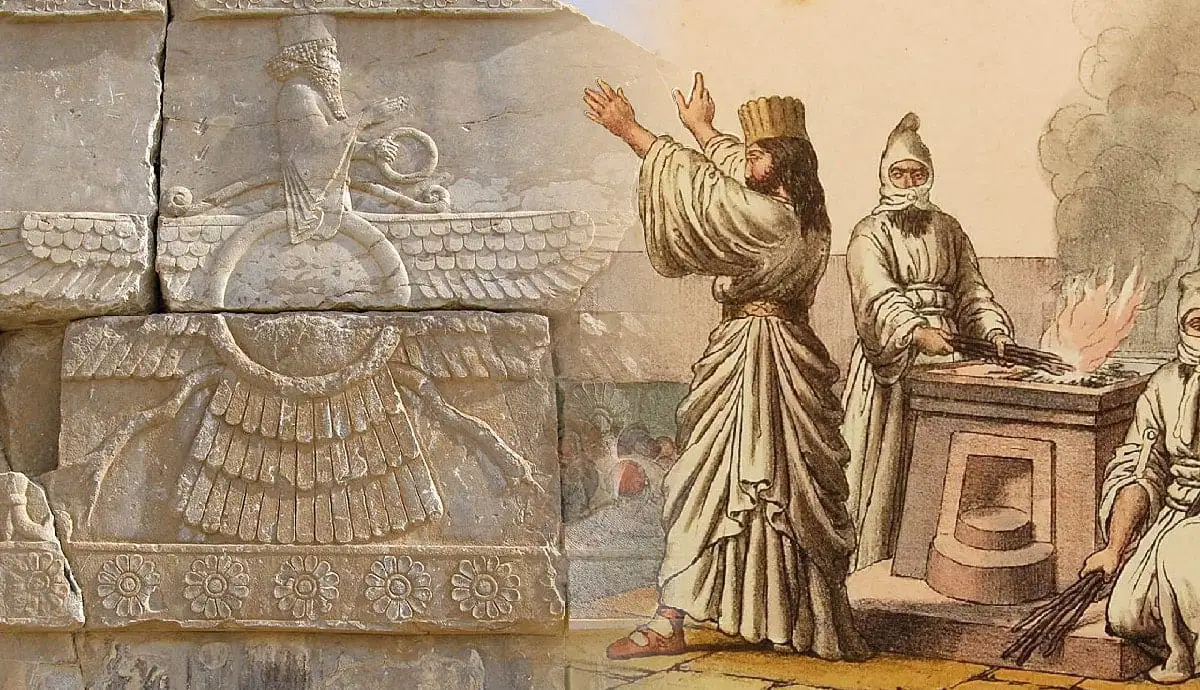
Throughout its history, the Persian Empire was a hub of cultural, religious, and intellectual exchange. The empire’s dominant religion was Zoroastrianism, one of the world’s earliest monotheistic religions. Founded by the prophet Zoroaster (Zarathustra), Zoroastrianism emphasized the dualistic struggle between good and evil, the worship of the supreme deity Ahura Mazda, and the importance of individual moral responsibility.

Zoroastrianism had a profound impact not only on Persian society but also on later religious traditions, including Judaism, Christianity, and Islam. Its ideas of a cosmic battle between good and evil, heaven and hell, and a final judgment influenced the theological framework of these faiths.

Persian art, architecture, and literature flourished during this period as well. The empire’s capital city, Persepolis, was a magnificent testament to Persian architectural prowess, featuring grand palaces, intricate reliefs, and vast ceremonial complexes. The Persian Empire’s respect for the diversity of its subjects led to a blending of cultural influences from Egypt, Greece, Mesopotamia, and India, making it a center of artistic and intellectual creativity.

The Fall of the Persian Empire

The decline of the Persian Empire began in the 4th century BCE, due in part to internal strife and weak leadership. By this time, the empire had become vulnerable to external threats, and it faced growing pressure from the expanding kingdom of Macedon, led by Alexander the Great.

In 334 BCE, Alexander launched his campaign against Persia, swiftly defeating the Persian forces at the Battle of Granicus. Over the next few years, Alexander’s army moved deeper into Persian territory, securing major victories at the Battles of Issus and Gaugamela. Finally, in 330 BCE, Alexander captured Persepolis, the ceremonial capital, effectively marking the end of the Persian Empire.

Although the Achaemenid dynasty came to an end, Persian culture and influence persisted under Alexander’s successors, the Seleucid Empire, and later under the Parthian and Sassanian Empires. Persian traditions, art, and religious ideas continued to shape the broader Middle Eastern and Mediterranean world for centuries.

Legacy of the Persian Empire

The Persian Empire left an indelible mark on world history. Its innovative administrative systems, religious tolerance, and promotion of trade and infrastructure laid the groundwork for many later empires, including the Roman and Byzantine Empires. The idea of a centralized state ruled by a powerful yet just monarch became a model for many future governments.

Culturally, the Persian Empire was a beacon of art, architecture, and intellectual exchange, influencing civilizations from Greece to India. Persian ideas of kingship, law, and governance were passed down through history and are still reflected in modern political systems.

In conclusion, the Persian Empire was one of the most significant empires of the ancient world. Its rich history, spanning over two centuries, helped shape the political, cultural, and religious landscape of the ancient Near East and left a legacy that continues to resonate in the modern era.
Cerro Marahuaca: A Remote Andean Peak

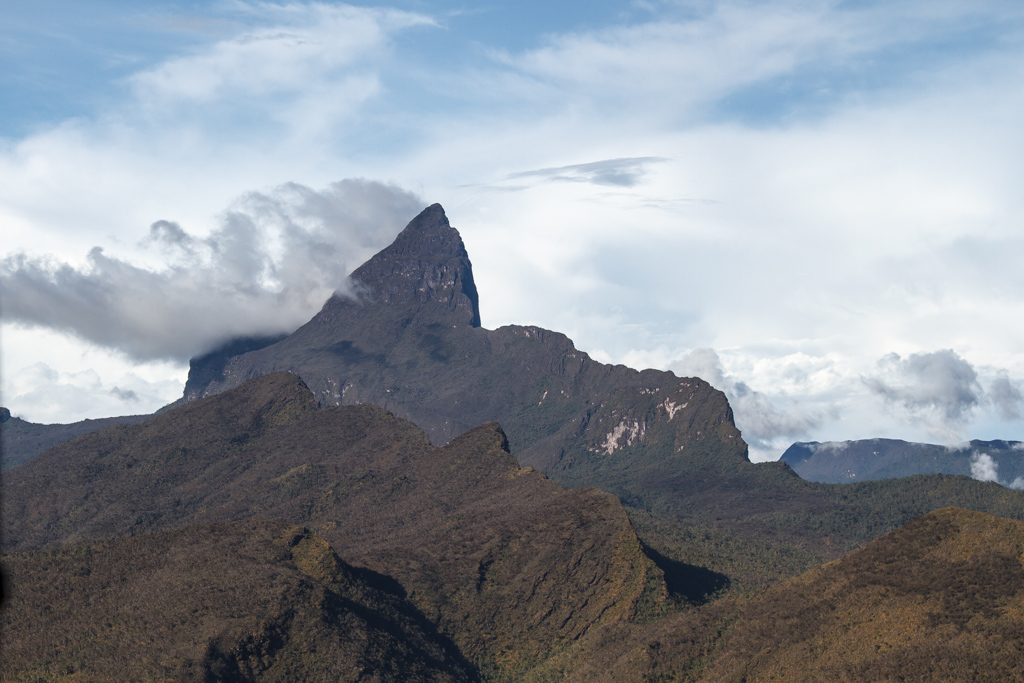
madtechventures.com – Cerro Marahuaca, the highest peak in the Guiana Highlands, rises to a formidable 2,810 meters (9,219 feet) above sea level. This remote mountain, located in the Venezuelan Amazon rainforest, is a challenging but rewarding destination for experienced hikers and mountaineers.

A Remote and Rugged Landscape

The ascent to Cerro Marahuaca is a journey through a pristine wilderness. The dense rainforest, teeming with diverse wildlife, covers the lower slopes of the mountain. As climbers ascend higher, the vegetation thins out, giving way to rocky terrain and alpine meadows. The peak itself is a dramatic granite dome, offering breathtaking views of the surrounding rainforest.

A Challenging Adventure

Reaching Cerro Marahuaca requires significant physical fitness and technical climbing skills. The trail is often steep and slippery, and the high altitude can exacerbate the physical demands. Additionally, the remote location and challenging weather conditions make the ascent even more demanding.

However, the rewards of reaching the summit are immense. From the peak, climbers are treated to panoramic views of the vast Amazon rainforest, stretching as far as the eye can see. The feeling of accomplishment and the breathtaking scenery make the arduous climb worthwhile.

A Fragile Ecosystem

Cerro Marahuaca is a fragile ecosystem, and its delicate balance is threatened by deforestation, mining, and climate change. The rainforest surrounding the mountain is a vital carbon sink and a home to countless species of plants and animals.

To preserve this natural wonder, it is essential to promote sustainable tourism and to protect the rainforest ecosystem. By limiting human impact and implementing conservation measures, we can ensure that Cerro Marahuaca remains a pristine wilderness for generations to come.

A Hidden Gem of the Amazon

Cerro Marahuaca is a hidden gem of the Amazon rainforest. Its remote location and challenging ascent make it a destination for experienced adventurers. For those who are up for the challenge, the rewards are immense. The pristine wilderness, stunning views, and sense of accomplishment make Cerro Marahuaca a truly unforgettable experience.

Guainía: A Hidden Gem of the Colombian Amazon

Inírida: A Gateway to the Wild

madtechventures.com – Guainía, a department nestled in the heart of the Colombian Amazon, is a region of untamed beauty and rich biodiversity. Its capital city, Inírida, serves as a gateway to this vast and awe-inspiring wilderness.

A Tropical Paradise

Inírida, a city surrounded by lush rainforest and crisscrossed by rivers, is a tropical paradise.

  • Inírida River: This majestic river flows through the city, offering opportunities for fishing, boating, and birdwatching.
  • Tropical Rainforest: The dense rainforest surrounding Inírida is home to a diverse range of wildlife, including monkeys, sloths, and exotic birds.

A Cultural Tapestry

Guainía’s rich cultural heritage is influenced by its indigenous roots and Spanish colonial past.

  • Indigenous Communities: The region is home to several indigenous communities, such as the Curripaco, Puinave, and Cubeo, who have preserved their unique cultural traditions.
  • Local Cuisine: Savor the flavors of the Amazon, with dishes featuring fresh river fish, tropical fruits, and local herbs.

Adventure in the Amazon

Guainía offers a plethora of outdoor activities for adventure seekers.

  • Jungle Trekking: Embark on guided treks through the rainforest, where you can spot exotic wildlife and learn about the intricate ecosystem.
  • River Rafting: Experience the thrill of white-water rafting on the Inírida River.
  • Canoeing: Explore the intricate network of rivers and canals that crisscross the region.

A Natural Wonder

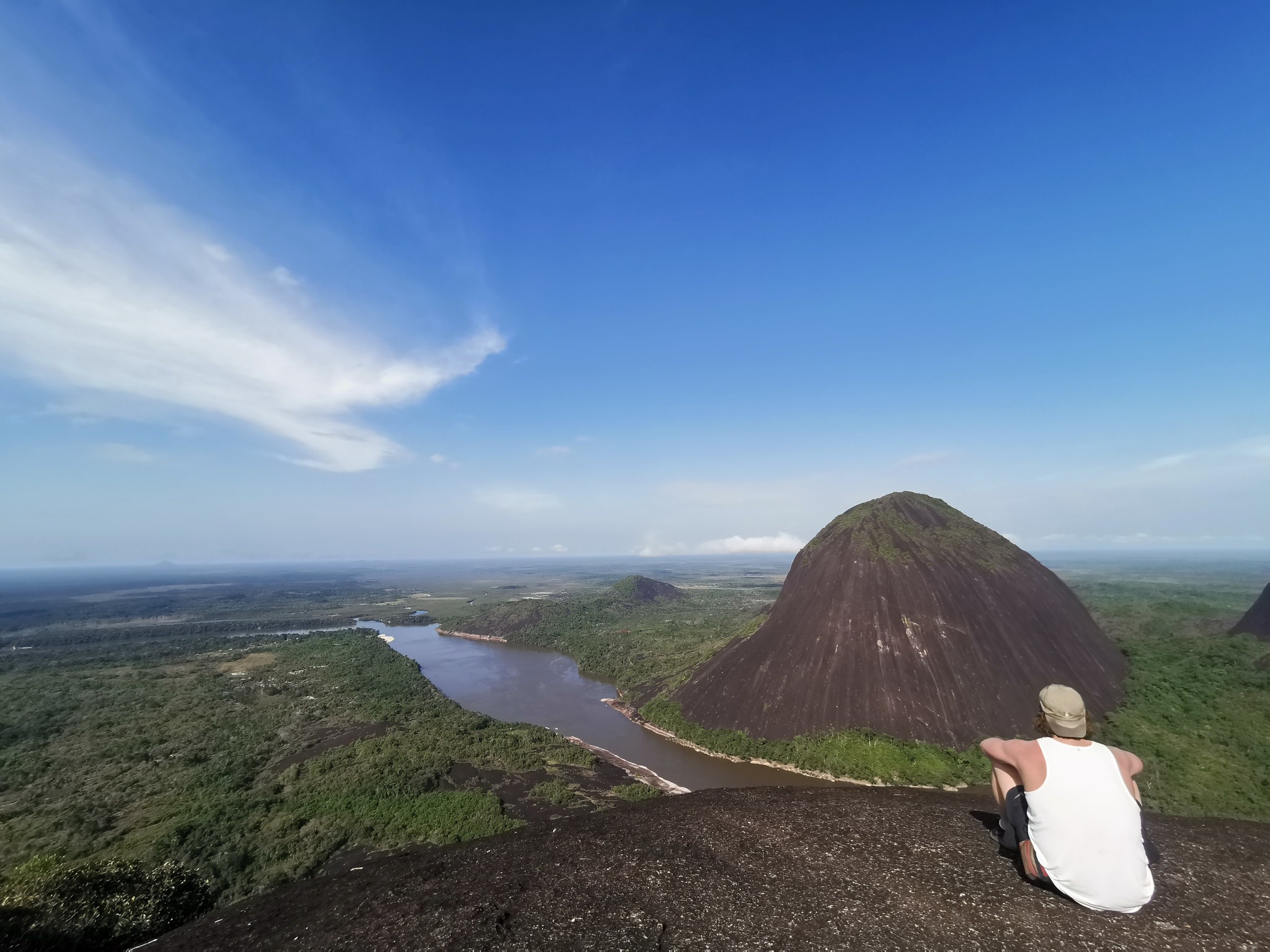
  • Cerros de Mavecure: These majestic rock formations rise dramatically from the rainforest, offering stunning views and opportunities for hiking and rock climbing.

Suðurland: Iceland’s Southern Charm

madtechventures.com – Suðurland, or South Iceland, is a region of dramatic contrasts, where glaciers, volcanoes, and waterfalls shape the landscape. This region offers a diverse range of experiences, from outdoor adventures to cultural exploration.

Selfoss: A Gateway to the South

Selfoss, the largest town in South Iceland, serves as a gateway to the region’s many attractions. It’s a vibrant town with a range of shops, restaurants, and cultural activities.

  • Selfoss Golf Course: This world-class golf course offers stunning views of the surrounding landscape.
  • Selfoss Swimming Pool: A popular local attraction, the Selfoss swimming pool offers a variety of water activities.

Hvolsvöllur: A Literary Haven

Hvolsvöllur, a charming town located on the south coast, is associated with the Icelandic sagas. The region is home to several historical sites and literary landmarks.

  • Sólheimasandur Plane Wreck: This iconic plane wreck, nestled on a black sand beach, is a popular photo spot.
  • Eyjafjallajökull: This active volcano erupted in 2010, causing widespread disruption to air travel. Visitors can explore the surrounding area and witness the power of nature.
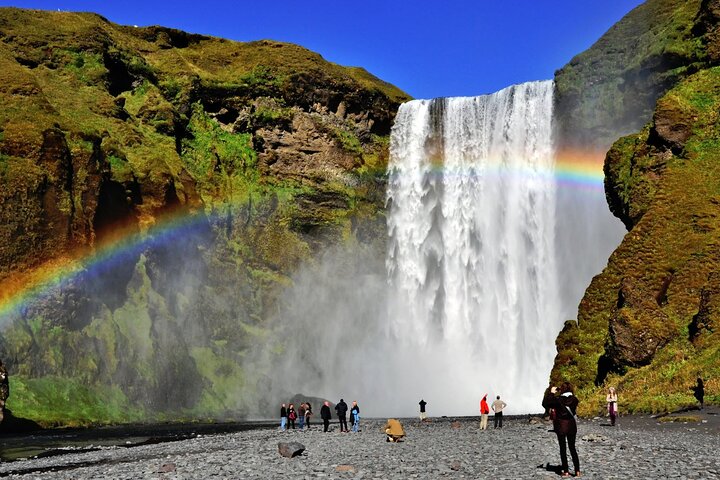
  • Skógafoss: One of Iceland’s most famous waterfalls, Skógafoss cascades down a cliff face, creating a breathtaking sight.

Outdoor Adventures

Suðurland offers a wide range of outdoor activities for adventure seekers.

  • Hiking: The region’s diverse landscapes, from rugged mountains to serene valleys, provide endless opportunities for hiking and trekking.
  • Glacier Hiking: Explore the icy wonders of Sólheimajökull and Mýrdalsjökull glaciers.
  • Horseback Riding: Experience the beauty of the Icelandic countryside on horseback.
  • Birdwatching: The region’s diverse birdlife, including seabirds, waterfowl, and raptors, attracts birdwatchers from around the world.

A Taste of Icelandic Culture

Suðurland offers a taste of authentic Icelandic culture, with traditional music, folklore, and cuisine. Visitors can enjoy local delicacies, such as lamb, fish, and skyr, and experience the warm hospitality of the locals.

Conclusion

Suðurland is a region of stunning natural beauty, rich history, and vibrant culture. Whether you’re seeking adventure, relaxation, or cultural experiences, South Iceland has something to offer everyone.

Exploring the Wonders of Cairo – A Glimpse into History

madtechventures.com – Cairo, the vibrant capital of Egypt, is a city that seamlessly blends its rich historical heritage with modern urban life. Known as the “City of a Thousand Minarets” due to its stunning Islamic architecture, Cairo has a unique charm that captivates visitors from around the world.

A Glimpse into History

Cairo is steeped in history, with its origins dating back to the 10th century AD. The city is home to numerous historical landmarks, including the iconic Pyramids of Giza and the Sphinx, which stand as testaments to Egypt’s ancient civilization. The Egyptian Museum in Cairo houses an extensive collection of ancient artifacts, including the treasures of Tutankhamun, offering visitors a glimpse into the country’s storied past.

Cultural Melting Pot

As a cultural hub, Cairo offers a diverse array of experiences. The bustling streets are filled with vibrant markets like Khan El Khalili, where visitors can explore traditional crafts, jewelry, and spices. The city’s rich cultural scene also includes music, dance, and theater, with venues such as the Cairo Opera House hosting performances that showcase both traditional and contemporary art forms.

Modern Cairo

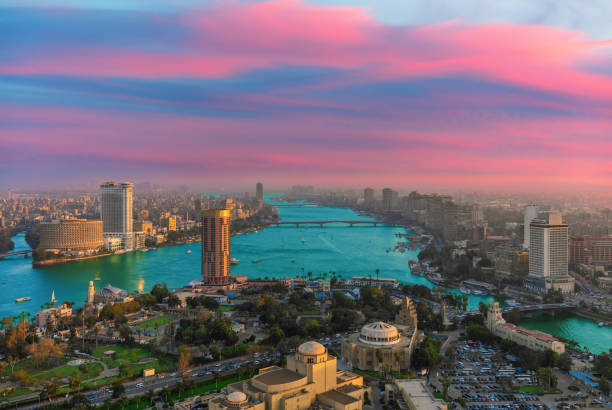
While Cairo is deeply rooted in its history, the city is also a thriving modern metropolis. Skyscrapers, shopping malls, and a burgeoning food scene reflect its dynamic growth. The Nile River, which runs through the heart of the city, provides opportunities for leisurely boat trips, offering a unique perspective of the city’s skyline.

Conclusion

Cairo is a city of contrasts and continuity, where the ancient and the modern coexist harmoniously. Whether you’re drawn to its historical wonders, cultural richness, or modern attractions, Cairo promises an unforgettable experience for all who visit.

Discovering Phetchaburi: A Hidden Gem in Thailand

madtechventures.com – Phetchaburi is a captivating province located in the central region of Thailand. Known for its rich history, cultural heritage, and natural beauty, Phetchaburi offers a unique blend of attractions that appeal to both history enthusiasts and nature lovers. The province is often overshadowed by its more famous neighbors, but those who take the time to explore Phetchaburi find a treasure trove of experiences.

Historical Significance

Phetchaburi has a long and storied past, with evidence of human settlement dating back to the Dvaravati period (6th to 11th centuries). The province is dotted with ancient temples and palaces that showcase its historical significance. One of the most iconic landmarks is the Phra Nakhon Khiri Historical Park, also known as Khao Wang, which was a royal palace built by King Rama IV. The palace sits atop a hill, offering stunning views of the surrounding area.

Cultural Attractions

The province is home to a plethora of cultural sites that highlight its rich heritage. Wat Mahathat Worawihan is a must-visit temple, known for its impressive five-towered prang and intricate stucco designs. Phetchaburi is also famous for its traditional Thai desserts, or “khanom,” and visitors can explore local markets to sample these sweet treats.

Natural Beauty

Phetchaburi boasts diverse natural landscapes, from pristine beaches to lush national parks. Kaeng Krachan National Park, Thailand’s largest national park, is a haven for wildlife and offers opportunities for trekking, bird watching, and camping. The park’s dense forests and serene reservoirs provide a peaceful escape into nature.

Conclusion

Phetchaburi is a province that offers a perfect mix of history, culture, and nature. Its lesser-known status makes it a delightful destination for those seeking to explore Thailand beyond the typical tourist trails. Whether you’re wandering through ancient temples, indulging in local cuisine, or adventuring through national parks, Phetchaburi promises an unforgettable experience.

Kanchanaburi: A Province of History and Natural Wonders

madtechventures.com – Kanchanaburi, a province in western Thailand, is renowned for its poignant history and breathtaking natural landscapes. Located along the banks of the River Kwai, Kanchanaburi offers a rich tapestry of cultural heritage, historical landmarks, and scenic beauty. This article delves into the province’s historical significance, attractions, and the unique experiences it offers to visitors.

Historical Significance

The Bridge on the River Kwai

One of the most famous historical landmarks in Kanchanaburi is the Bridge on the River Kwai, a symbol of the region’s role during World War II. The bridge was part of the Burma Railway, also known as the “Death Railway,” constructed by Allied prisoners of war and Asian laborers under harsh conditions. Today, the bridge stands as a poignant reminder of the past and is a place of reflection for many visitors.

War Museums and Memorials

Kanchanaburi is home to several war museums and memorials that provide insights into the province’s wartime history. The JEATH War Museum and the Thailand-Burma Railway Centre offer detailed exhibits on the construction of the railway and the lives of those who worked on it. The Kanchanaburi War Cemetery serves as a somber tribute to the prisoners of war who lost their lives.

Natural Attractions

Erawan National Park

Erawan National Park is one of the province’s most stunning natural attractions, famous for its seven-tiered Erawan Waterfall. The park’s lush forests, crystal-clear pools, and diverse wildlife make it a haven for nature lovers. Visitors can hike the trails, swim in the emerald waters, and enjoy the serene beauty of the park.

Sai Yok National Park

Another gem of Kanchanaburi is Sai Yok National Park, known for its picturesque waterfalls and caves. The park is home to diverse flora and fauna, including the endangered Kitti’s hog-nosed bat, the world’s smallest mammal. The scenic beauty and tranquility of the park offer a perfect escape into nature.

Cultural Experiences

Local Markets and Cuisine

Kanchanaburi’s local markets are vibrant hubs of activity, offering a taste of traditional Thai life. The Kanchanaburi Night Market is a great place to sample local delicacies, such as grilled river fish and som tam (papaya salad). The market also features a variety of handicrafts and souvenirs.

Mon and Karen Villages

The province is home to several indigenous communities, including the Mon and Karen tribes. Visitors can explore these villages and learn about their unique cultures and traditions. The Mon village near the Three Pagodas Pass is particularly well-known for its traditional wooden houses and cultural performances.

Conclusion

Kanchanaburi is a province that beautifully combines historical depth with natural splendor. From the haunting history of the Bridge on the River Kwai to the serene beauty of its national parks, Kanchanaburi offers a diverse array of experiences for travelers. Whether you’re drawn by its history, nature, or cultural richness, Kanchanaburi promises an unforgettable journey into the heart of Thailand.

Norway’s Festivals: Celebrations of Culture & Community

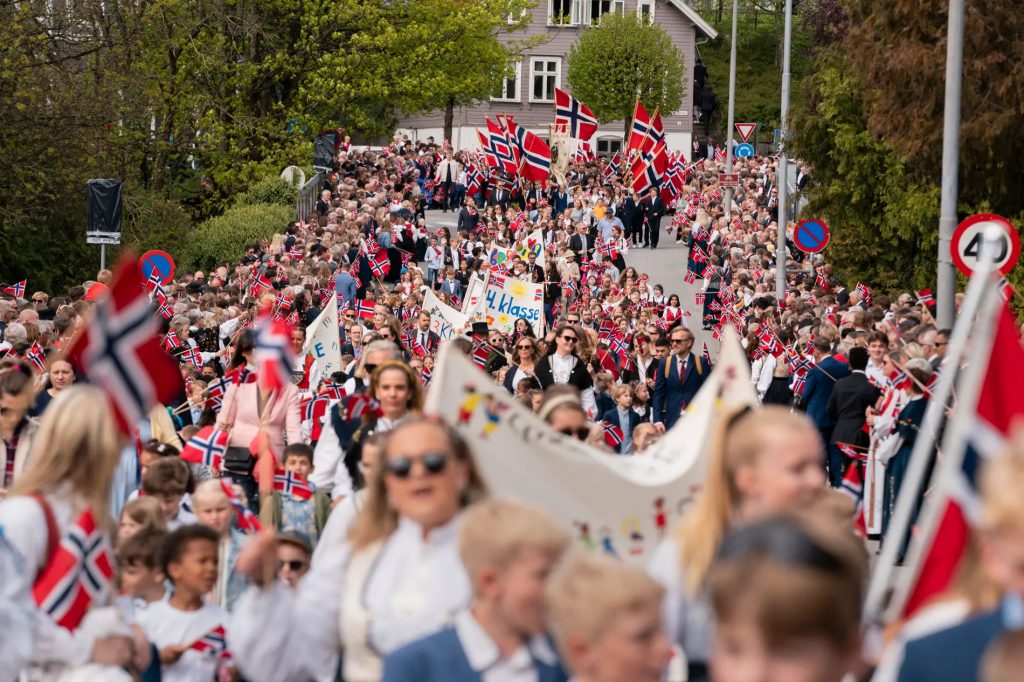
madtechventures.com – Norway is a country rich in cultural heritage and vibrant traditions, and its festivals are a testament to this lively spirit. From ancient celebrations rooted in folklore to contemporary events showcasing music, art, and food, Norway’s festivals offer a unique glimpse into the heart and soul of its communities. These celebrations bring people together, fostering a sense of unity and joy that resonates throughout the country.

Traditional Festivals

Midsummer Eve (Jonsok)

Midsummer Eve, known as Jonsok in Norway, is a vibrant celebration marking the summer solstice. Traditionally held on June 23rd, this festival is steeped in folklore and involves lighting bonfires, singing, and dancing. It’s a time for Norwegians to enjoy the long summer days and connect with nature. Communities come together to host local events, creating a festive atmosphere filled with joy and camaraderie.

Christmas Traditions

Christmas in Norway is a magical time filled with age-old traditions and festive spirit. The celebration begins with Advent and includes various customs such as lighting Advent candles, baking traditional cookies, and attending Christmas markets. On Christmas Eve, families gather for a festive meal and exchange gifts. The period is marked by warmth, hospitality, and a strong sense of community.

Music and Arts Festivals

Bergen International Festival

The Bergen International Festival is one of Norway’s premier cultural events, attracting artists and audiences from around the world. Held annually in late May and early June, this festival celebrates music, dance, theater, and visual arts. With performances ranging from classical concerts to contemporary art installations, the festival showcases both Norwegian and international talent, making it a highlight of the cultural calendar.

Øya Festival

The Øya Festival in Oslo is a must-visit for music enthusiasts, featuring an impressive lineup of international and local artists. Held in August, this eco-friendly festival takes place in the picturesque Tøyen Park, offering a diverse range of genres, from indie and rock to electronic and hip-hop. Øya is not only a celebration of music but also a platform for promoting sustainability and environmental awareness.

Cultural and Culinary Celebrations

Sami Week

Sami Week, held in Tromsø, is a celebration of the indigenous Sami culture, featuring traditional music, dance, crafts, and food. Visitors can experience joik performances, reindeer racing, and participate in workshops that offer insights into Sami traditions and way of life. This festival is a vibrant showcase of Norway’s cultural diversity and heritage.

Rakfisk Festival

The Rakfisk Festival, held in the village of Fagernes, is a unique culinary event dedicated to celebrating rakfisk—fermented fish considered a delicacy in Norway. This festival attracts food lovers eager to taste this traditional dish along with other local specialties. With live music, craft stalls, and a lively atmosphere, the Rakfisk Festival is a delightful experience for all the senses.

Conclusion

Norway’s festivals are a reflection of its rich cultural tapestry, offering a blend of traditional and contemporary celebrations that bring communities together. Whether you’re dancing around a midsummer bonfire, enjoying world-class performances at a music festival, or savoring unique Norwegian delicacies, these events provide an opportunity to experience the warmth and hospitality of Norwegian culture. With each festival, Norway invites you to join in the celebration of its vibrant community and cherished traditions.

Fashion Jepang: Kawaii dan Streetwear

madtechventures – Fashion Jepang terkenal di seluruh dunia karena inovasi, keunikan, dan keberagamannya. Dua gaya yang sangat mencolok dalam dunia mode Jepang adalah Kawaii dan Streetwear. Keduanya mencerminkan budaya pop Jepang yang dinamis dan kreativitas yang melimpah.

Kawaii: Estetika Imut yang Menggoda

Kawaii, yang berarti “imut” dalam bahasa Jepang, adalah fenomena budaya yang telah mengakar dalam masyarakat Jepang sejak lama. Gaya ini ditandai dengan elemen-elemen yang lucu dan menggemaskan, yang sering kali terinspirasi oleh karakter kartun, hewan kecil, dan berbagai benda sehari-hari.

Karakteristik Kawaii

  1. Pakaian Berwarna Cerah: Kawaii cenderung menggunakan warna-warna pastel dan cerah, seperti pink, biru muda, dan kuning.
  2. Aksesori Menarik: Aksesori seperti pita, boneka kecil, dan perhiasan lucu menjadi bagian penting dari gaya ini.
  3. Teknik Layering: Pakaian sering kali dipadukan dengan teknik layering, menggabungkan berbagai potongan dan tekstur untuk menciptakan tampilan yang unik.
  4. Inspirasi Budaya Pop: Karakter dari anime, manga, dan video game sering kali menjadi inspirasi utama dalam desain pakaian Kawaii.

Contoh Gaya Kawaii

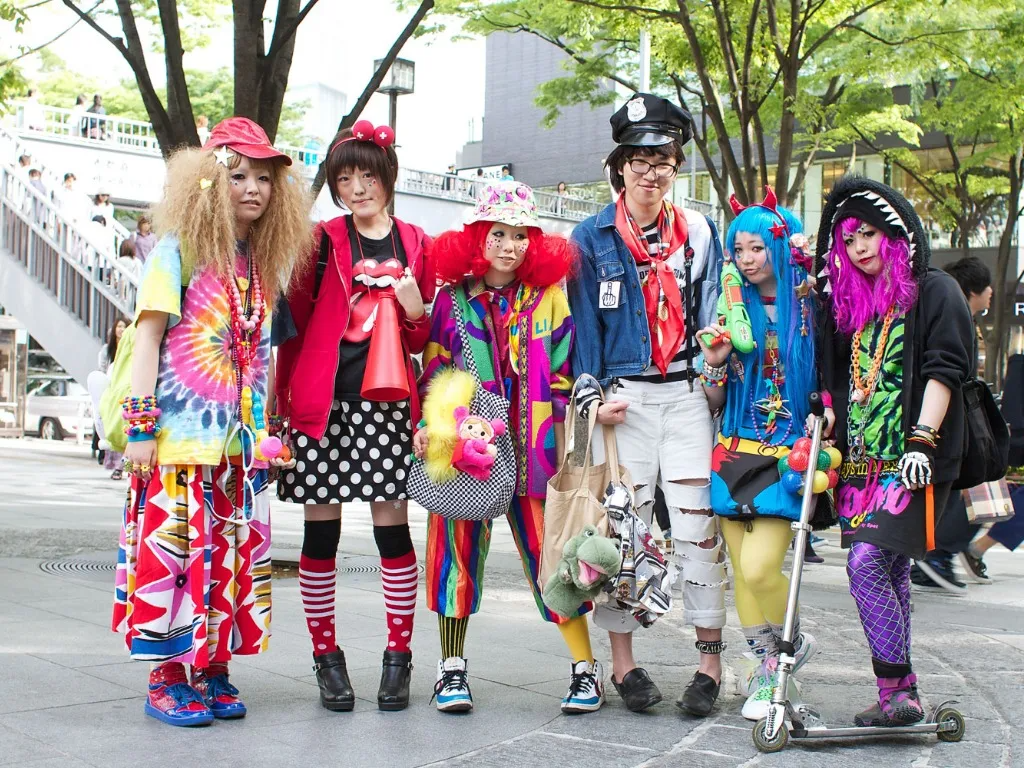
Di Tokyo, distrik Harajuku terkenal sebagai pusat budaya Kawaii. Di sana, banyak remaja dan penggemar fashion mengekspresikan diri mereka melalui pakaian yang penuh warna dan aksesori unik. Fashion Kawaii tidak hanya terbatas pada pakaian, tetapi juga mencakup gaya rambut, makeup, dan perilaku, yang semuanya diarahkan untuk menciptakan citra yang imut dan menyenangkan.

Streetwear: Gaya Santai yang Mengguncang

Di sisi lain, streetwear mencerminkan tren yang lebih modern dan sering kali lebih berani. Gaya ini merupakan hasil penggabungan antara fashion dengan budaya urban, musik, dan seni. Streetwear biasanya lebih santai, tetapi tetap memiliki elemen yang stylish dan edgy.

Karakteristik Streetwear

  1. Pakaian Kasual: Streetwear sering kali terdiri dari kaos oversized, hoodie, dan celana jogger. Material seperti denim dan katun menjadi favorit.
  2. Sneakers: Sepatu sneakers adalah bagian integral dari streetwear, dengan berbagai merek terkenal seperti Nike, Adidas, dan Vans mendominasi pasar.
  3. Desain Grafis: Banyak streetwear menampilkan desain grafis yang mencolok, logo merek, atau slogan yang provokatif.
  4. Mix and Match: Gaya ini menekankan pada kreativitas dan kebebasan berekspresi, dengan banyak penggemar yang mencampurkan berbagai elemen untuk menciptakan tampilan unik.

Contoh Gaya Streetwear

Distrik Shibuya dan Shinjuku di Tokyo adalah hotspot untuk fashion streetwear. Di sini, Anda dapat menemukan berbagai toko yang menjual pakaian streetwear dari merek lokal dan internasional. Selain itu, banyak influencer dan selebriti yang mengenakan gaya ini, yang semakin memperkuat popularitasnya.

Perbandingan Kawaii dan Streetwear

Meskipun Kawaii dan streetwear memiliki pendekatan yang berbeda terhadap mode, keduanya memiliki kesamaan dalam hal ekspresi diri dan kreativitas. Kawaii lebih menekankan pada imut dan feminin, sedangkan streetwear cenderung lebih kasual dan maskulin. Keduanya mencerminkan nilai-nilai budaya situs slot server jepang yang menghargai individualitas dan keberanian untuk berbeda.

Fashion Jepang, dengan Kawaii dan streetwear sebagai dua pilar utamanya, menawarkan gambaran yang kaya dan beragam tentang budaya dan kreativitas Jepang. Dari gaya yang imut dan penuh warna hingga tampilan yang santai dan edgy, setiap individu dapat menemukan sesuatu yang sesuai dengan kepribadian dan selera mereka. Melalui fashion, orang-orang Jepang terus mengekspresikan diri dan membentuk identitas budaya yang unik di tengah arus globalisasi.

Ukraine’s Contributions to World Literature and Arts

madtechventures.com – Ukraine, a country rich in history and cultural diversity, has made significant contributions to world literature and arts. From the evocative prose of its writers to the vibrant strokes of its painters, Ukraine’s artistic heritage reflects its unique national identity and its influence across the globe. This article explores some of the key contributions Ukraine has made to literature and the arts.

Renowned Ukrainian Literature

Ukrainian literature boasts a rich tradition that has evolved over centuries, marked by a deep connection to the country’s historical experiences and cultural identity.

Classic Ukrainian Writers

One of the most celebrated figures in Ukrainian literature is Taras Shevchenko, whose poetry and prose played a pivotal role in shaping Ukrainian national consciousness. His works, often focused on themes of social justice and national identity, continue to resonate with readers today.

Another key literary figure is Ivan Franko, known for his diverse body of work that includes poetry, fiction, and political essays. Franko’s writings explored themes of social change and human rights, reflecting the complexities of Ukrainian society during his time.

Contemporary Voices

In modern times, Ukrainian literature has continued to flourish with authors like Oksana Zabuzhko and Serhiy Zhadan, whose works have gained international acclaim. Their writings often explore contemporary issues such as identity, migration, and the impact of political change, providing a window into the modern Ukrainian experience.

Contributions to the Visual Arts

Ukraine’s contributions to the visual arts are equally significant, characterized by a rich tradition of painting, sculpture, and folk art.

Ukrainian Painting and Sculpture

Kazimir Malevich, a pioneering figure in avant-garde art and the creator of the Suprematism movement, is one of Ukraine’s most influential artists. His abstract works challenged traditional perceptions of art and continue to inspire artists worldwide.

Another notable artist is Ivan Marchuk, whose innovative techniques and unique style have earned him recognition as one of Ukraine’s leading contemporary painters. His works often explore themes of nature and human emotion, reflecting a deep connection to his Ukrainian heritage.

Folk Art and Craftsmanship

Ukraine is renowned for its vibrant folk art, which includes intricate embroidery, pottery, and woodwork. The art of pysanka, or Ukrainian Easter egg decoration, is a particularly cherished tradition, known for its intricate patterns and symbolic meanings.

Ukrainian folk art not only preserves traditional techniques and motifs but also serves as a source of inspiration for contemporary artists seeking to explore and reinterpret cultural heritage.

The Performing Arts: Music and Dance

Ukraine’s contributions to the performing arts are equally noteworthy, with a rich tradition of music and dance that has captivated audiences worldwide.

Music

Ukraine’s musical heritage includes a wide range of genres, from classical compositions by composers like Mykola Lysenko to the soulful melodies of traditional folk music. The bandura, a traditional Ukrainian string instrument, is emblematic of the country’s musical culture and is often featured in folk performances.

Dance

Ukrainian dance, characterized by its energetic movements and colorful costumes, is an integral part of the country’s cultural expression. The Hopak, a traditional Ukrainian dance, is celebrated for its dynamic choreography and is often performed at cultural festivals and events.

Conclusion

Ukraine’s contributions to world literature and arts are a testament to the country’s rich cultural heritage and its enduring influence on global artistic traditions. From the evocative words of its writers to the vibrant creations of its artists, Ukraine’s cultural output continues to inspire and resonate with audiences around the world. Understanding and appreciating these contributions is essential for recognizing the depth and diversity of Ukraine’s cultural legacy.

Albania’s Journey to Independence

madtechventures.com – Albania’s quest for independence is a remarkable story of resilience and determination. Nestled in the Balkan Peninsula, Albania endured centuries of foreign domination before finally achieving sovereignty in the early 20th century. This article explores the pivotal events and key figures that shaped Albania’s journey to independence.

The Ottoman Era and National Awakening

For over four centuries, Albania was part of the Ottoman Empire, a period marked by significant cultural and religious influences. Despite being under foreign rule, Albanians maintained a strong sense of national identity, rooted in their language, traditions, and shared history. By the late 19th century, the decline of the Ottoman Empire and the rise of nationalist movements across the Balkans provided an opportunity for Albanians to assert their aspirations for independence.

The Albanian Renaissance, or Rilindja Kombëtare, emerged as a cultural and political movement advocating for national awakening and independence. Prominent intellectuals and activists, such as Sami Frashëri and Abdyl Frashëri, played crucial roles in promoting the Albanian language and cultural heritage, laying the groundwork for political liberation.

The League of Prizren

In 1878, the League of Prizren was formed as a political organization to defend Albanian territories against partition by neighboring countries. The League sought to unify Albanian lands and secure autonomy within the Ottoman Empire. Although the League’s efforts were ultimately suppressed by the Ottomans, it marked a significant step in the organized Albanian national movement and set the stage for future struggles for independence.

The Balkan Wars and the Declaration of Independence

The early 20th century was a tumultuous period for Albania, as the Balkan Wars (1912-1913) reshaped the region’s political landscape. As the Ottoman Empire continued to weaken, various Balkan states sought to expand their territories, threatening Albanian lands.

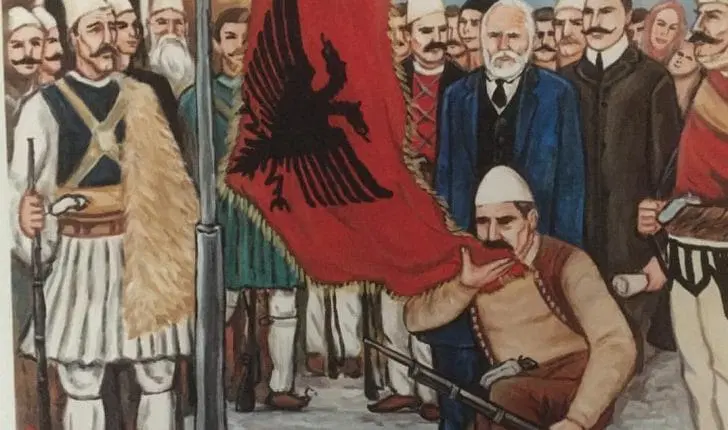
Amidst this turmoil, the Albanian national movement intensified its efforts to achieve independence. On November 28, 1912, Ismail Qemali, a prominent Albanian leader, convened the Assembly of Vlorë, where Albania’s independence was officially declared. This historic event marked the establishment of the independent state of Albania, although international recognition and territorial integrity remained challenges.

Struggles for Sovereignty and International Recognition

Following the declaration of independence, Albania faced significant challenges in securing its sovereignty and international recognition. The London Conference of 1913 recognized Albania’s independence but left many ethnic Albanian territories outside its borders, leading to ongoing disputes and instability.

During World War I, Albania’s fragile statehood was further tested as it became a battleground for various powers. The post-war period saw Albania striving to solidify its status as a sovereign nation amidst competing interests from neighboring countries and internal political struggles.

Solidifying Independence in the 20th Century

Albania’s journey to independence continued throughout the 20th century. In 1920, the Congress of Lushnjë reaffirmed Albania’s sovereignty and established a new government, further consolidating its statehood. Despite facing challenges, including periods of foreign occupation during World War II, Albania maintained its independence and eventually emerged as a communist state under Enver Hoxha’s leadership.

Conclusion

Albania’s journey to independence is a testament to the resilience and determination of its people. From the cultural revival of the Albanian Renaissance to the declaration of independence in Vlorë, Albanians have continually fought to preserve their national identity and sovereignty. Today, Albania stands as a proud and independent nation, reflecting on its rich history and looking towards a future of continued progress and integration into the broader European community.

Traditional Yemeni Cuisine: A Culinary Exploration

madtechventures.com – Yemeni cuisine is a vibrant tapestry of flavors, deeply rooted in the rich cultural heritage of the Arabian Peninsula. With influences from Africa, India, and the Middle East, Yemeni dishes showcase a unique blend of spices, ingredients, and culinary techniques. This exploration into traditional Yemeni cuisine reveals the diverse and flavorful dishes that have been cherished by generations.

The Essence of Yemeni Flavors

Central to Yemeni cooking is the use of bold spices, such as cumin, coriander, turmeric, and fenugreek, which are often combined to create complex and aromatic spice blends. These spices are integral to many traditional dishes, imparting distinctive flavors that are both exotic and comforting.

Staple Ingredients and Dishes

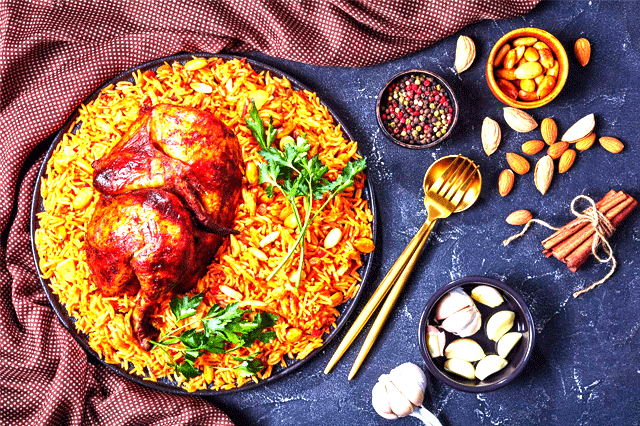
Yemeni cuisine is characterized by its use of staple ingredients like grains, legumes, and meats. Lamb, goat, and chicken are commonly used, while seafood is popular in coastal areas. A quintessential Yemeni dish is “Saltah,” a hearty stew made with meat, vegetables, and a fenugreek-based sauce called “Hulbah.” This dish is often served with “Malooga” or “Lahoh,” traditional Yemeni breads perfect for scooping up the rich flavors.

Regional Variations

The geographical diversity of Yemen contributes to regional variations in its cuisine. In the mountainous regions, dishes tend to be more hearty and robust, while coastal areas favor lighter, seafood-based meals. The city of Aden, for example, is known for its Indian-influenced curries and spiced rice dishes like “Mandi.”

Cultural Significance

Food in Yemeni culture is more than sustenance; it is a reflection of hospitality and community. Meals are often communal, emphasizing the importance of sharing and connection. Traditional Yemeni meals are typically enjoyed while seated on the floor, fostering a sense of unity and togetherness.

Conclusion

Traditional Yemeni cuisine offers a delightful journey through a landscape of rich flavors and heritage. From the bustling streets of Sana’a to the serene coasts of Aden, Yemeni dishes provide a taste of the country’s diverse culture and history. Exploring Yemeni cuisine is not just about savoring delicious food but also about embracing the warmth and hospitality that is at the heart of Yemeni culture.

The Role of Religion in Shaping Lebanon’s Identity

madtechventures.com – Lebanon is a country where religion plays a pivotal role in shaping its cultural, social, and political identity. Nestled in the heart of the Middle East, Lebanon is home to a diverse array of religious communities, each contributing to the nation’s unique tapestry. The intersection of these diverse faiths has significantly influenced Lebanon’s history, culture, and national identity.

A Mosaic of Faiths

Lebanon is renowned for its religious diversity, with 18 officially recognized religious sects. The major religious groups include Christians (Maronites, Greek Orthodox, Armenian Orthodox, and others), Muslims (Sunni and Shia), and Druze. This mosaic of faiths has been a defining characteristic of Lebanon, fostering a society where multiple religious traditions coexist.

Historical Influence of Religion

Religion has been a central element in Lebanon’s history, influencing everything from its governance to its cultural practices. The country’s sectarian makeup has shaped its political system, which is based on confessionalism—a power-sharing arrangement that allocates political positions among the various religious groups. This system aims to ensure representation and balance among Lebanon’s diverse communities.

Cultural Impact

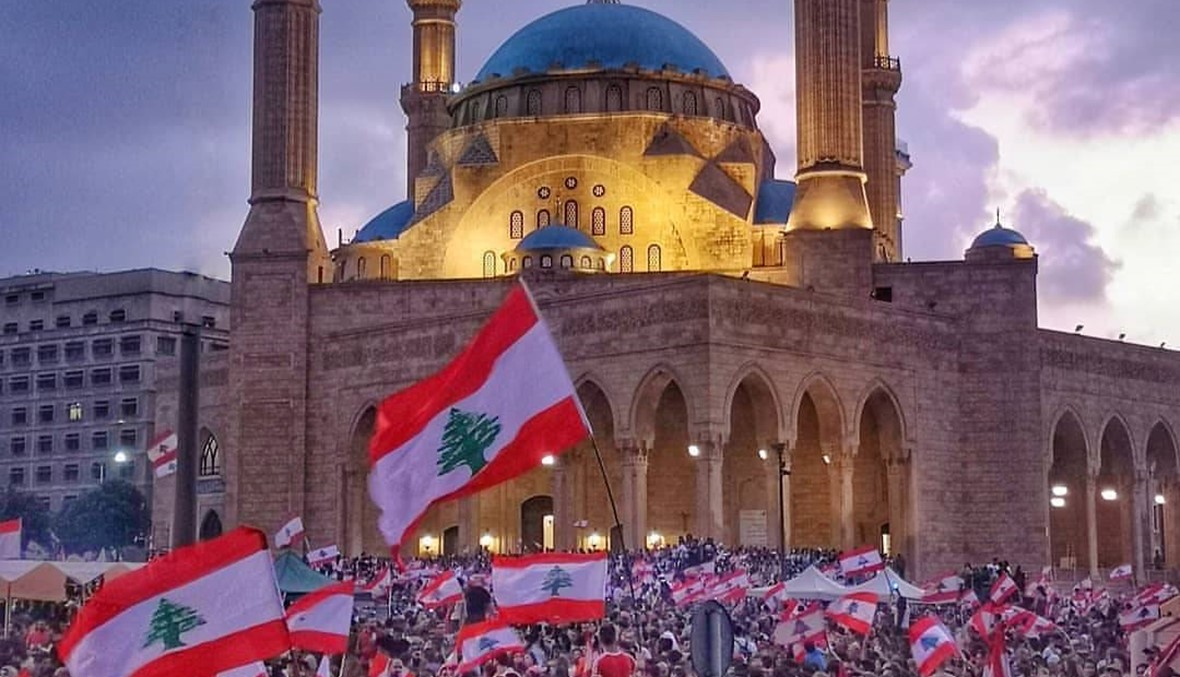
Religion significantly impacts Lebanese culture, influencing art, music, festivals, and daily life. Religious festivals and holidays are celebrated with great fervor, often transcending sectarian lines and bringing communities together. The architectural landscape of Lebanon, with its historic churches, mosques, and temples, reflects the country’s rich religious heritage.

Challenges and Coexistence

While religion enriches Lebanon’s identity, it also presents challenges, particularly in terms of sectarian tensions and political divisions. The country’s history has seen periods of conflict fueled by religious and sectarian differences. However, Lebanon is also a testament to coexistence, where interfaith dialogue and collaboration are ongoing efforts to promote peace and unity.

The Path Forward

In a rapidly changing world, Lebanon continues to navigate the complexities of its religious identity. Efforts to promote tolerance, dialogue, and understanding among its diverse communities are crucial in building a harmonious society. Education, cultural exchange, and political reforms are vital in fostering a sense of national identity that transcends religious affiliations.

Conclusion

Religion plays an integral role in shaping Lebanon’s identity, influencing its culture, politics, and social dynamics. As Lebanon continues to evolve, the challenge lies in harnessing its religious diversity as a source of strength and unity. By embracing its rich tapestry of faiths, Lebanon can build a future that honors its past while striving for a peaceful and inclusive society.

Taiwan’s Festivals: Celebrating Tradition and Innovation

madtechventures.com – Taiwan is a land of vibrant festivals, where tradition meets innovation in spectacular fashion. Throughout the year, the island hosts a variety of festivals that celebrate its rich cultural heritage, religious beliefs, and modern creativity. These events are not only a testament to Taiwan’s diverse culture but also a magnet for tourists seeking unique and unforgettable experiences.

Traditional Festivals

Taiwan’s traditional festivals are deeply rooted in Chinese culture and local customs, often featuring elaborate rituals and lively celebrations. Some of the most prominent traditional festivals include:

  • Chinese New Year: Celebrated with great enthusiasm, Chinese New Year in Taiwan is marked by family reunions, feasts, and fireworks. Traditional events like dragon and lion dances add to the festive atmosphere.
  • Dragon Boat Festival: Held on the fifth day of the fifth lunar month, this festival features exciting dragon boat races and the consumption of zongzi, a traditional sticky rice dumpling.
  • Mid-Autumn Festival: Also known as the Moon Festival, this event is celebrated with mooncakes and lantern displays, symbolizing family unity and the harvest moon.

Innovative Festivals

In addition to traditional celebrations, Taiwan is also known for its innovative and contemporary festivals, which highlight its modern creativity and global influences:

  • Taipei Lantern Festival: This annual event transforms the city with dazzling lantern displays and interactive installations, blending traditional craftsmanship with modern technology.
  • Taiwan Pride Parade: As one of the largest LGBTQ+ events in Asia, Taiwan Pride is a vibrant celebration of diversity and equality, attracting participants from around the world.
  • Taichung Jazz Festival: This international music festival brings together jazz musicians from around the globe for performances in Taichung, showcasing Taiwan’s growing cultural scene.

Unique Festivals

Taiwan also hosts several unique festivals that reflect its local culture and natural beauty:

  • Pingxi Sky Lantern Festival: Held in the small town of Pingxi, this magical event sees thousands of sky lanterns released into the night sky, carrying wishes and prayers.
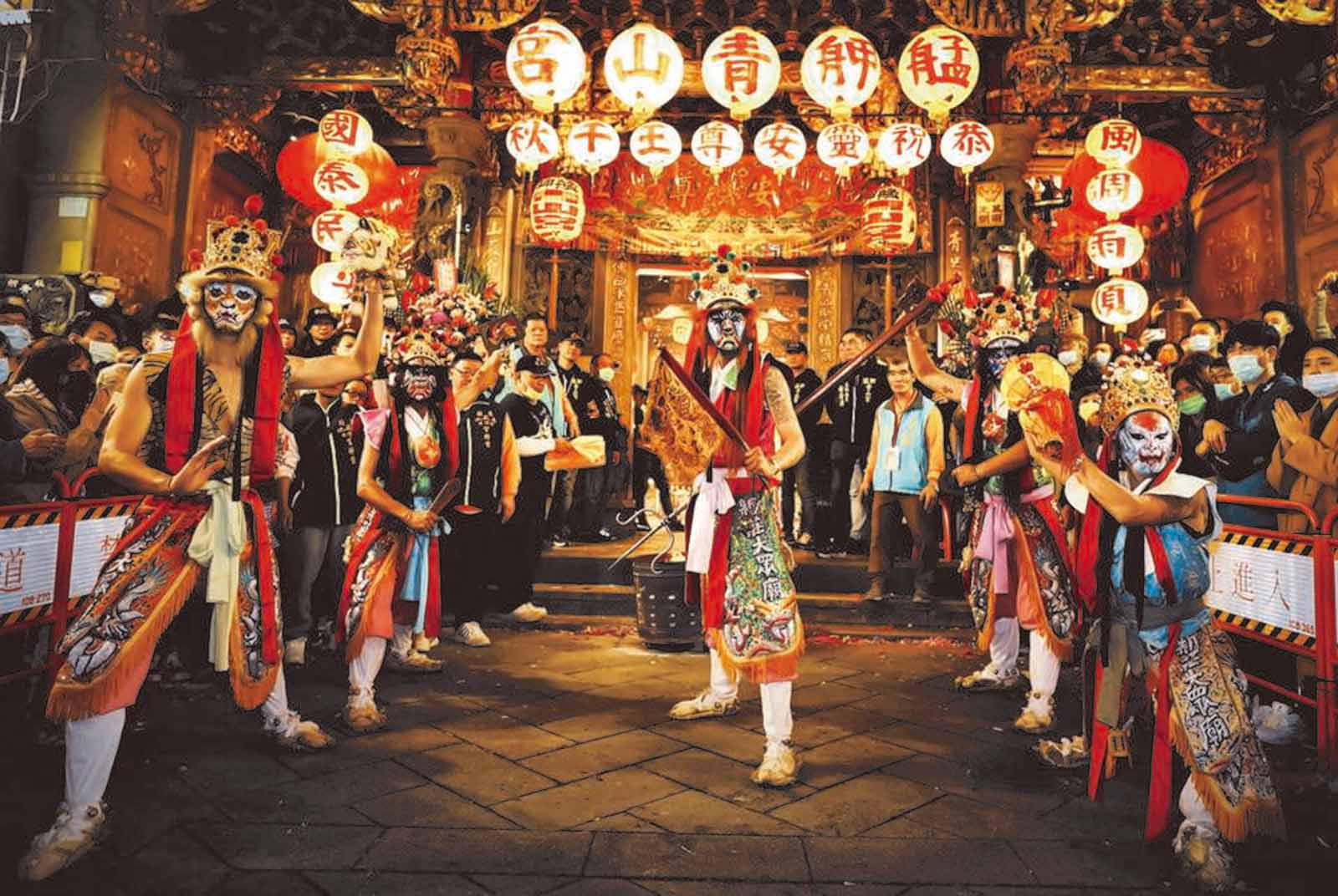
  • Bombing of Master Han Dan: A thrilling and loud event in Taitung, where a local deity, Master Han Dan, is paraded through the streets amidst firecrackers to ward off evil spirits.

Tips for Festival-Goers

For those planning to experience Taiwan’s festivals, here are some helpful tips:

  1. Plan Ahead: Festivals can attract large crowds, so it’s wise to plan accommodations and travel in advance.
  2. Learn About the Traditions: Understanding the cultural significance of each festival can enhance your experience and appreciation.
  3. Join the Festivities: Participate in local customs and activities to fully immerse yourself in the celebrations.

Conclusion

Taiwan’s festivals offer a captivating blend of tradition and innovation, providing a window into the island’s rich cultural tapestry. Whether you’re drawn to the ancient rituals of traditional festivals or the vibrant creativity of modern celebrations, Taiwan’s festivals promise a unique and enriching experience for all. Embrace the opportunity to celebrate with the locals and witness the island’s dynamic spirit in action.

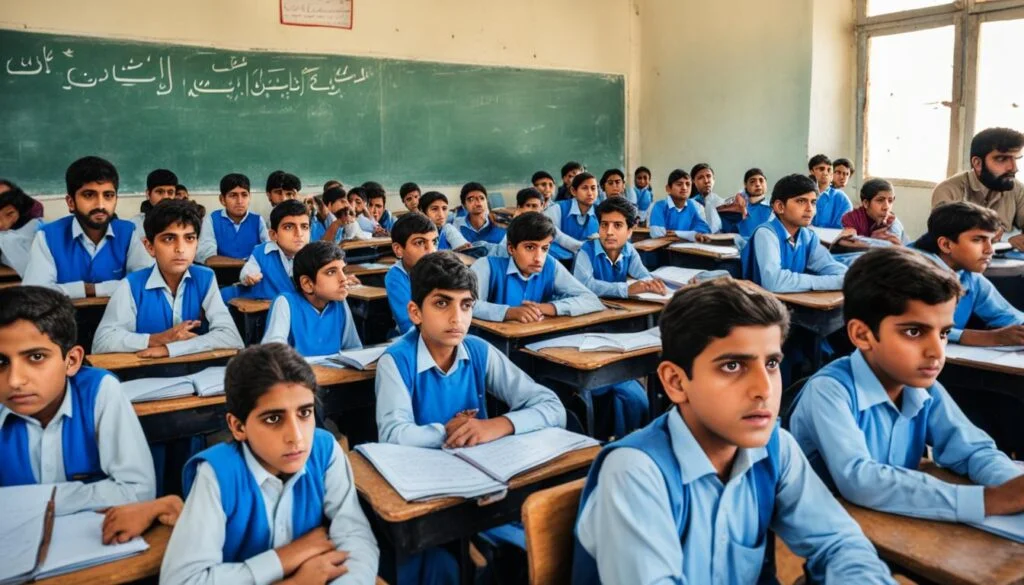
Education System in Pakistan: Challenges and Opportunities

madtechventures.com – Education is a cornerstone for the development and progress of any nation. In Pakistan, the education system is a complex structure that faces several challenges while also presenting numerous opportunities for growth and improvement. This article explores the current state of education in Pakistan, highlighting the hurdles and potential pathways for enhancement.

Structure of the Education System

Primary and Secondary Education

The education system in Pakistan is divided into several levels, starting with primary education, which is compulsory for children aged 5 to 16. Secondary education follows, leading to higher secondary education, where students can choose between different streams like science, arts, and commerce.

Higher Education

Higher education in Pakistan is offered through universities and colleges, with a focus on undergraduate, graduate, and postgraduate programs. The Higher Education Commission (HEC) oversees the quality and regulation of higher education institutions in the country.

Challenges Facing the Education System

Access and Enrollment

One of the primary challenges is the lack of access to education for all children, especially in rural and remote areas. Despite efforts to increase enrollment rates, a significant number of children remain out of school due to poverty, gender disparities, and inadequate infrastructure.

Quality of Education

The quality of education in Pakistan varies significantly between urban and rural areas, and even among different schools within the same city. Many schools suffer from a lack of trained teachers, outdated curricula, and insufficient teaching materials, affecting the overall quality of education.

Funding and Resources

Insufficient funding is a major hurdle for the education sector in Pakistan. Public schools often lack basic facilities, and there is a need for more investment in educational infrastructure, teacher training, and resource development.

Opportunities for Improvement

Policy Reforms

Recent education policies aim to address these challenges by increasing budget allocations, improving teacher training programs, and revising curricula to meet international standards. Continued policy reforms can help bridge the gap between different regions and educational institutions.

Technological Integration

The integration of technology in education presents a significant opportunity for improving access and quality. E-learning platforms, digital resources, and online teaching can help reach students in remote areas and provide them with quality education.

Public-Private Partnerships

Collaboration between the public and private sectors can play a crucial role in enhancing the education system. Private sector involvement can bring innovation, investment, and expertise, helping to address gaps in the existing system.

Conclusion

The education system in Pakistan is at a crossroads, facing numerous challenges yet offering significant opportunities for growth and development. By addressing key issues such as access, quality, and funding, and leveraging technology and partnerships, Pakistan can create a more equitable and effective education system that empowers its youth and drives national progress.

Syria’s Geopolitical Significance in the World

madtechventures.com – Syria, located at the crossroads of Europe, Asia, and Africa, has long held a pivotal role in the geopolitical landscape of the Middle East. Its strategic location, rich history, and complex sociopolitical dynamics make it a focal point for regional and international interests. This article examines Syria’s geopolitical significance, exploring its impact on regional stability, global politics, and the ongoing challenges it faces.

Strategic Location and Historical Importance

Syria’s geographical position has historically made it a key player in regional politics. It shares borders with Turkey, Iraq, Jordan, Israel, and Lebanon, making it a significant link between the Mediterranean Sea and the Arab world. Throughout history, Syria has been part of major empires, including the Roman, Byzantine, and Ottoman Empires, contributing to its rich cultural and historical heritage.

In modern times, Syria’s location has made it strategically important for trade routes, energy pipelines, and military logistics. It serves as a gateway between the East and West, influencing economic and political interactions across the region.

The Role in Regional Politics

Syria has been a central figure in Middle Eastern politics, particularly in the Arab-Israeli conflict. Its proximity to Israel and its alliances with various Palestinian factions and groups like Hezbollah have positioned it as a critical player in regional tensions. Syria’s relationship with Iran has also been a significant factor, with both countries supporting each other in various regional conflicts and political endeavors.

The Syrian conflict, which began in 2011, has further elevated the country’s geopolitical importance. It has drawn in numerous regional powers, including Turkey, Iran, and Saudi Arabia, each with its own strategic interests and objectives. The conflict has become a proxy battleground for influence among these powers, further complicating the regional landscape.

Global Interests and Involvement

On the global stage, Syria’s geopolitical significance is underscored by the involvement of major powers such as the United States and Russia. The U.S. has been involved in efforts to combat terrorism and influence the outcome of the Syrian conflict, while Russia has maintained a military presence in Syria, supporting the government of Bashar al-Assad.

Syria’s alliances and opposition have implications for global security, energy politics, and international diplomacy. The presence of terrorist organizations and the humanitarian crisis resulting from the conflict have further drawn international attention and intervention.

Challenges and the Path Forward

The ongoing Syrian conflict presents significant challenges not only for Syria but for the entire region. The humanitarian crisis, displacement of millions, and destruction of infrastructure have long-term implications for regional stability and development.

Efforts to resolve the conflict and rebuild Syria require coordinated international and regional cooperation. Diplomatic initiatives, peace negotiations, and reconstruction efforts are essential for creating a stable and prosperous future for Syria and its neighbors.

Conclusion

Syria’s geopolitical significance is deeply intertwined with its strategic location, historical legacy, and complex political dynamics. As a focal point in regional and global politics, Syria’s future will continue to impact the broader Middle East and international relations. Understanding and addressing the challenges facing Syria are crucial for achieving lasting peace and stability in the region and beyond.

Kamboja Menghadapi Tantangan Lingkungan di Tahun 2024

madtechventures – Kamboja kini berada di persimpangan kritis dalam menghadapi berbagai tantangan lingkungan yang semakin serius. Sebagai negara yang terkenal dengan kekayaan alamnya, seperti hutan tropis dan kawasan perairan yang luas, Kamboja sedang menghadapi ancaman terhadap ekosistemnya akibat perubahan iklim, deforestasi, dan eksploitasi sumber daya alam yang tidak berkelanjutan.

Di tahun 2024, Kamboja mulai merasakan dampak nyata dari perubahan iklim global. Curah hujan yang tidak menentu serta suhu yang semakin panas telah memicu banjir di beberapa wilayah dan kekeringan di daerah lainnya. Laporan dari Kementerian Lingkungan Hidup Kamboja menunjukkan bahwa lebih dari 30% lahan pertanian di negara ini terdampak oleh kekeringan yang berkepanjangan. Akibatnya, ketahanan pangan di beberapa wilayah pedesaan terancam, dan banyak petani mengalami gagal panen.

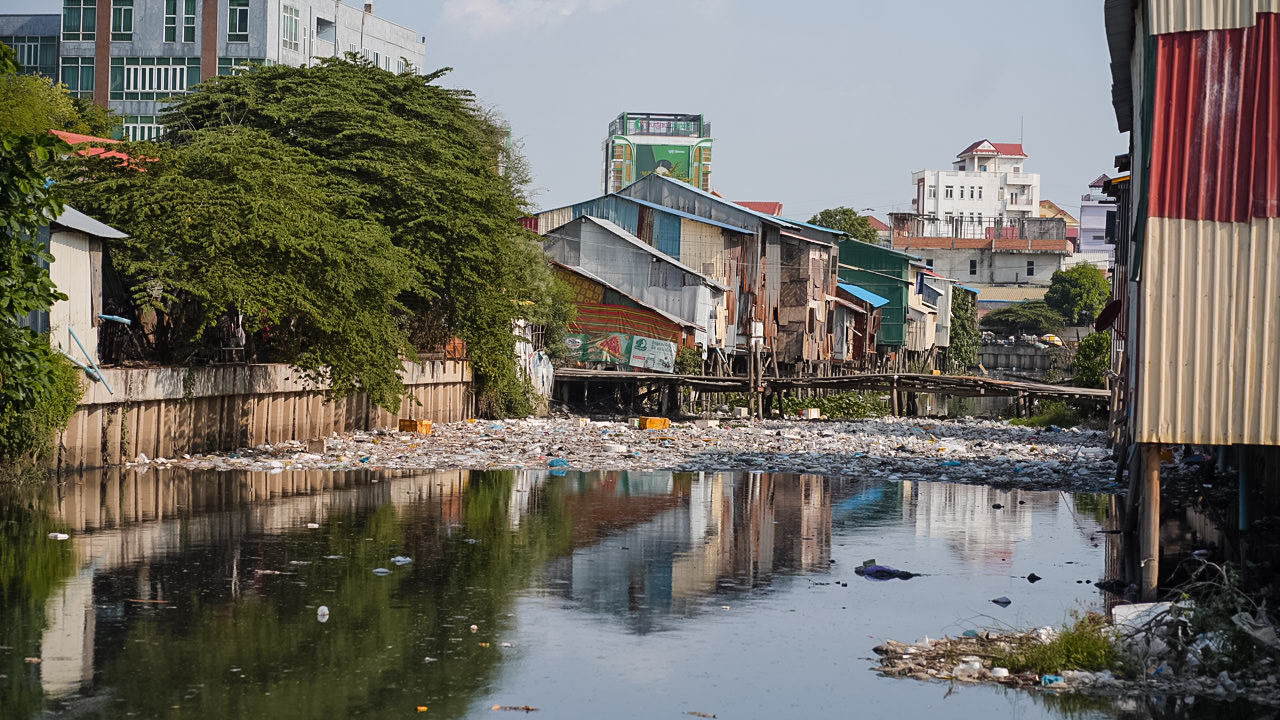
Banjir yang disebabkan oleh curah hujan ekstrem juga telah menyebabkan ribuan orang kehilangan tempat tinggal di wilayah pesisir dan sekitar Sungai Mekong. Masyarakat yang tinggal di wilayah-wilayah ini rentan terhadap risiko penyakit yang muncul akibat sanitasi buruk dan kurangnya akses terhadap air bersih selama musim banjir.

Kamboja memiliki salah satu tingkat deforestasi tertinggi di Asia Tenggara. Di tahun 2024, laju deforestasi di negara ini semakin meningkat, didorong oleh aktivitas penebangan ilegal, konversi hutan menjadi lahan pertanian, dan pembangunan infrastruktur besar-besaran. Data dari organisasi lingkungan menunjukkan bahwa Kamboja telah kehilangan lebih dari 20% hutan primer dalam dua dekade terakhir, termasuk hutan hujan tropis yang sangat penting untuk menjaga keseimbangan ekosistem dan keanekaragaman hayati.

kamboja-menghadapi-tantangan-lingkungan-di-tahun-2024

Hutan-hutan di wilayah timur laut Kamboja, yang merupakan habitat bagi spesies-spesies langka seperti harimau Indochina dan gajah Asia, semakin terancam oleh perambahan manusia. Hilangnya habitat alami ini berpotensi menyebabkan kepunahan spesies-spesies yang dilindungi, serta mengurangi populasi satwa liar secara drastis.

Sumber daya alam Kamboja, seperti mineral, kayu, dan perikanan, terus dieksploitasi secara berlebihan tanpa memperhatikan keberlanjutan. Industri penambangan dan pembalakan hutan yang tidak terkendali telah menimbulkan kerusakan lingkungan yang parah. Sungai-sungai yang menjadi sumber air bersih bagi penduduk setempat tercemar oleh limbah industri, sementara area-area hutan yang ditebang tanpa rencana reboisasi memperburuk risiko tanah longsor dan hilangnya sumber air alami.

Pemerintah Kamboja menghadapi tekanan dari berbagai pihak, termasuk masyarakat sipil dan organisasi internasional, untuk menerapkan kebijakan yang lebih ketat dalam pengelolaan sumber daya alam. Namun, lemahnya penegakan hukum serta korupsi menjadi hambatan besar dalam upaya perlindungan lingkungan di negara ini.

Di tengah tantangan yang semakin besar ini, pemerintah kamboja slot berupaya untuk mengambil langkah-langkah mitigasi. Pada tahun 2024, pemerintah mengumumkan rencana ambisius untuk menurunkan emisi karbon dan meningkatkan area hutan yang dilindungi. Program reboisasi dan konservasi alam diluncurkan, terutama di wilayah-wilayah yang paling terdampak deforestasi.

kamboja-menghadapi-tantangan-lingkungan-di-tahun-2024

Namun, implementasi kebijakan ini masih menghadapi banyak tantangan, termasuk keterbatasan anggaran, kurangnya kesadaran masyarakat, dan resistensi dari kelompok-kelompok yang berkepentingan dalam industri ekstraktif. Kerjasama internasional dan bantuan dari organisasi lingkungan global sangat dibutuhkan untuk mendukung Kamboja dalam menangani masalah-masalah lingkungan ini.

Kamboja dihadapkan pada krisis lingkungan yang kompleks di tahun 2024, dengan tantangan yang mencakup perubahan iklim, deforestasi, dan eksploitasi sumber daya alam. Meskipun upaya pemerintah untuk memperbaiki situasi sudah dimulai, keberhasilan langkah-langkah ini sangat tergantung pada kerjasama berbagai pihak dan komitmen untuk menjaga keberlanjutan lingkungan bagi generasi mendatang.

The Architectural Marvels of Putrajaya

madtechventures.com – Putrajaya, the administrative capital of Malaysia, is a city that showcases the country’s vision for the future through its stunning architectural designs. Known for its meticulously planned layout and iconic structures, Putrajaya is a testament to modern urban planning and architectural innovation.

The Birth of Putrajaya

Established in the late 1990s to alleviate congestion in Kuala Lumpur, Putrajaya was designed to be a modern, sustainable city. It features wide boulevards, lush parks, and a harmonious blend of nature and architecture, making it an attractive destination for both residents and visitors.

Iconic Structures

Perdana Putra

Perdana Putra is the Prime Minister’s Office and one of Putrajaya’s most recognizable landmarks. The building’s design reflects a mix of Malay, Islamic, and European architectural elements, with its green dome and impressive facade symbolizing the seat of Malaysia’s government.

Putra Mosque

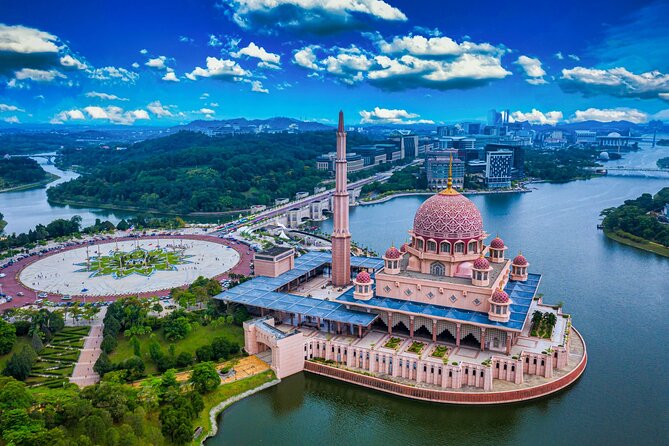
The Putra Mosque, with its distinctive pink dome, is an architectural masterpiece that combines traditional Islamic design with modern craftsmanship. Built from rose-tinted granite, the mosque can accommodate up to 15,000 worshippers and features intricate tile work and elegant minarets, making it a symbol of spiritual and architectural beauty.

Seri Wawasan Bridge

The Seri Wawasan Bridge is an engineering marvel that stands out with its futuristic design. Resembling a sailing ship, the bridge’s cable-stayed structure is both functional and aesthetically pleasing, serving as a vital link within the city while offering stunning views of Putrajaya’s skyline.

Putrajaya International Convention Centre (PICC)

The PICC is a state-of-the-art facility designed to host international conferences and events. Its unique architecture, inspired by the shape of a traditional Malay belt buckle, combines functionality with aesthetic appeal, making it a prominent venue for global gatherings.

Urban Planning and Sustainability

The Garden City Concept

Putrajaya is often referred to as a “Garden City” due to its extensive green spaces and commitment to environmental sustainability. The city is designed to promote a high quality of life, with parks, lakes, and tree-lined streets providing a refreshing contrast to its urban structures.

Intelligent City Features

As an intelligent city, Putrajaya incorporates advanced technology and infrastructure to ensure efficient urban management. This includes smart traffic systems, high-speed internet connectivity, and sustainable energy solutions, reflecting Malaysia’s commitment to innovation and sustainability.

Cultural and Recreational Spaces

Taman Botani

Taman Botani, or the Botanical Garden, is one of the largest botanical gardens in Malaysia. It offers a serene escape from the urban environment, with themed gardens, walking trails, and a wide variety of plant species that highlight Malaysia’s rich biodiversity.

Putrajaya Lake

The man-made Putrajaya Lake is a centerpiece of the city, providing opportunities for water sports, recreation, and relaxation. It enhances the city’s aesthetic appeal and serves as a habitat for various aquatic species, further emphasizing the integration of nature within urban planning.

Conclusion

Putrajaya stands as a shining example of Malaysia’s architectural ambition and commitment to creating a functional, sustainable, and beautiful city. Its architectural marvels, from government buildings to bridges and parks, showcase a unique blend of tradition and modernity. Exploring Putrajaya offers a glimpse into the future of urban living, where innovation and nature coexist harmoniously.

Laos’ Arts and Literature: Local Creations and Influences

madtechventures.com – The arts and literature of Laos offer a rich tapestry of cultural expression, reflecting the country’s deep-rooted traditions and diverse influences. From intricate handicrafts to poignant storytelling, Laotian artistic and literary creations provide a window into the soul of this Southeast Asian nation. Here, we explore the unique local creations and the influences that have shaped them over the centuries.

Traditional Arts and Crafts

Laos is renowned for its traditional arts and crafts, which are deeply intertwined with daily life and cultural identity. Textile weaving is one of the most prominent art forms, with Lao women passing down their skills through generations. The intricate patterns and vibrant colors found in Lao textiles, such as silk and cotton weaves, often carry symbolic meanings and tell stories of the weaver’s community and heritage.

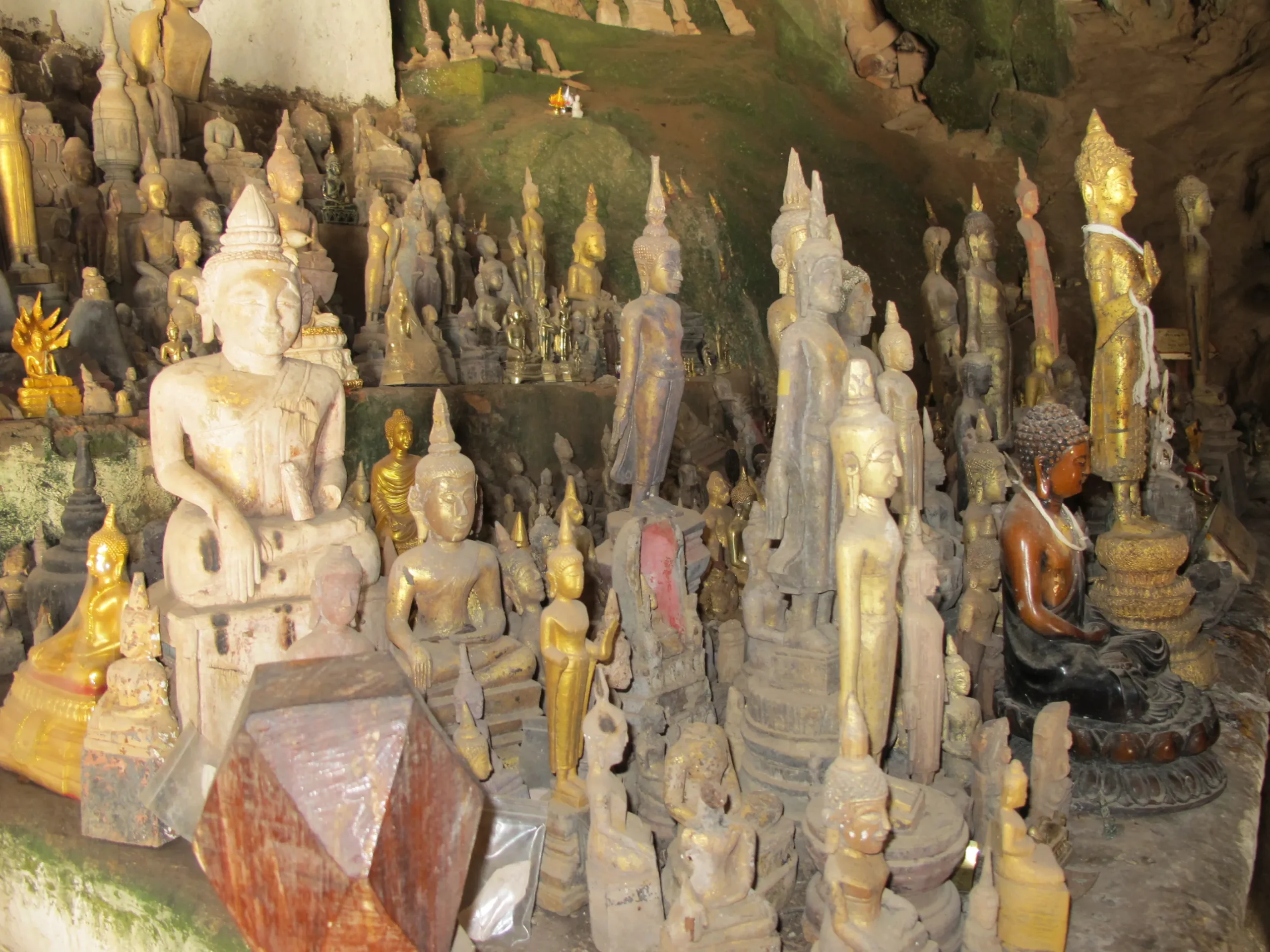
Another significant craft is wood carving, which is used to create everything from household items to ornate decorations for temples. The skillful craftsmanship reflects the spiritual significance of Buddhism in Laos, with many carvings depicting religious motifs and figures.

Performing Arts

The performing arts in Laos, particularly dance and music, are vital components of cultural celebrations and religious ceremonies. Lao traditional dance, known as phra lak phra lam, often narrates stories from ancient texts and folklore, with dancers wearing elaborate costumes and graceful movements enhancing the storytelling.

Music, too, plays a crucial role in Laotian culture. The khaen, a traditional bamboo mouth organ, is a quintessential Lao instrument, producing melodies that accompany festivals, rituals, and gatherings. The unique sound of the khaen is a testament to Laos’ rich musical heritage.

Literary Traditions

Laotian literature is steeped in oral traditions, with folktales, legends, and epic poems being passed down through generations. These stories often carry moral lessons and reflect the values and beliefs of Lao society. The Phra Lak Phra Lam, a Lao version of the Ramayana, is one of the most well-known epic tales, woven into the fabric of Lao cultural identity.

Modern Laotian literature is increasingly being written and published, with contemporary authors exploring themes of identity, history, and change. However, traditional storytelling remains an integral part of the literary landscape, bridging the past with the present.

External Influences

Laos’ arts and literature have been influenced by various external factors, including neighboring cultures and colonial history. Buddhism, introduced from India, profoundly impacted artistic expressions, particularly in temple architecture, sculpture, and religious texts.

The French colonial period also left its mark, introducing new artistic styles and literary forms. This fusion of indigenous and foreign influences has enriched the Laotian cultural scene, creating a unique blend that continues to evolve.

Conclusion

The arts and literature of Laos are a testament to the country’s cultural richness and diversity. Through traditional crafts, performing arts, and storytelling, Laotians express their heritage and values, while also embracing new influences. This dynamic interplay between tradition and modernity ensures that the arts and literature of Laos remain vibrant and relevant, offering insight into the heart and soul of the nation.

The Vatican: A Journey Through History and Faith

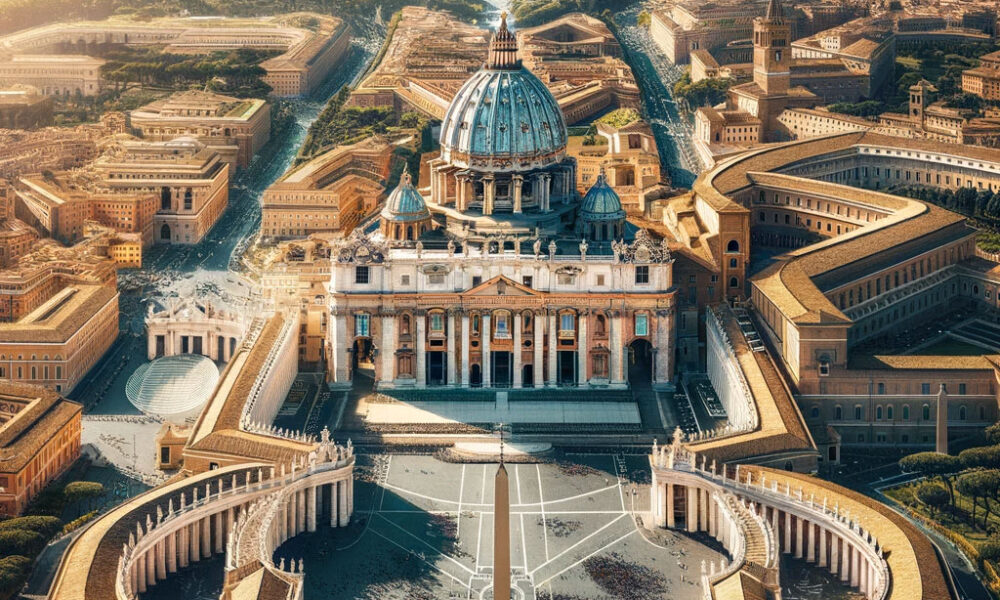
madtechventures.com – The Vatican, officially known as the Vatican City, is a sovereign city-state enclaved within Rome, Italy. It is the smallest independent state in the world and serves as the spiritual and administrative center of the Roman Catholic Church. This article explores the rich history and profound faith that have shaped the Vatican into the iconic institution it is today.

Historical Foundations

The history of the Vatican as the seat of the Catholic Church dates back to the 4th century AD, when a basilica was constructed over the grave of St. Peter, one of the twelve apostles of Jesus Christ. This site became a focal point for Christian pilgrimage and eventually evolved into the Vatican we know today. The Vatican’s significance grew as it became the residence of the Pope, the Bishop of Rome and the leader of the worldwide Catholic Church.

The Role of the Popes

Throughout its history, the Vatican has been shaped by the leadership of various Popes, each leaving a unique legacy. The Popes have not only been spiritual leaders but also influential political figures, often playing significant roles in the affairs of Europe and beyond. The Vatican’s influence has waxed and waned over the centuries, but it has consistently remained a symbol of Christian faith and tradition.

The Second Vatican Council

One of the most significant events in the Vatican’s history was the Second Vatican Council, held from 1962 to 1965. This council marked a period of renewal and reform within the Catholic Church, aiming to modernize its practices and make them more accessible to the faithful. The council’s documents, including the encyclical “Lumen Fidei” by Pope Francis, have been instrumental in guiding the Church’s teachings and practices in the modern era.
Faith and Doctrine

The Vatican is not only a historical site but also a center of faith and doctrine. The Catechism of the Catholic Church, a fundamental text for Catholic doctrine, is housed here. It outlines the teachings of the Church on various aspects of faith, including the life of man, the handing on of faith through catechesis, and the structure of the Church’s teachings. The Vatican’s role in preserving and disseminating these teachings is crucial for the global Catholic community.

Cultural and Artistic Significance

The Vatican is renowned for its rich cultural and artistic heritage. The Vatican Museums, which include the Sistine Chapel with its famous ceiling painted by Michelangelo, are among the most visited museums in the world. These artworks not only reflect the artistic achievements of the Renaissance but also serve as a testament to the Church’s patronage of the arts throughout history.

Modern Challenges and Adaptations

In the modern era, the Vatican faces various challenges, including the need to adapt to changing societal norms and the demands of a globalized world. The Church’s teachings on issues such as social justice, environmental stewardship, and interfaith dialogue are continually evolving to address contemporary concerns. The Vatican’s efforts to engage with these issues reflect its commitment to being a relevant and compassionate institution in the 21st century.

Conclusion

The Vatican stands as a testament to the enduring power of faith and tradition. From its historical roots to its modern-day challenges, the Vatican continues to play a pivotal role in the spiritual lives of millions of Catholics worldwide. Its rich history, profound faith, and cultural significance make it a unique and irreplaceable institution in the global landscape.

Peru: The Twentieth Largest Country in the World

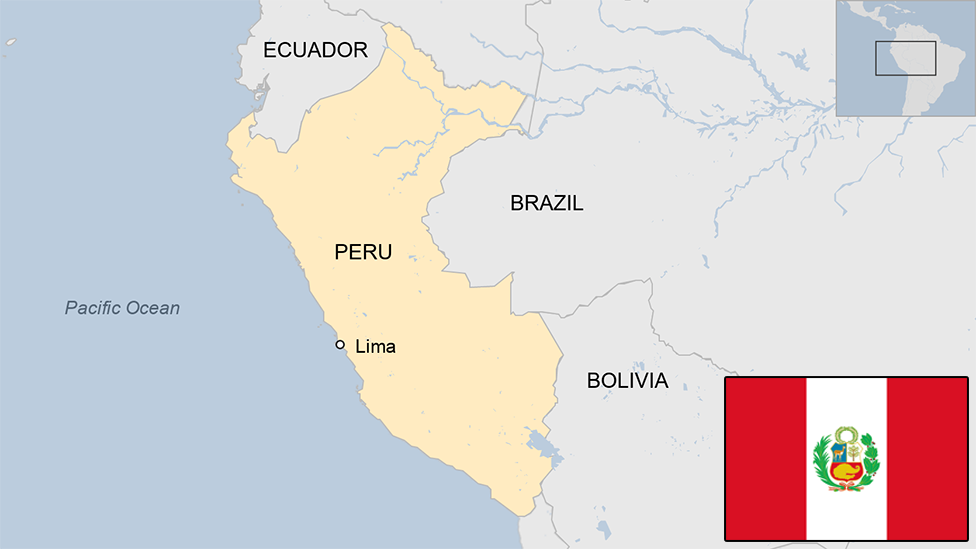
madtechventures.com – Peru, a country renowned for its ancient civilizations, breathtaking landscapes, and vibrant culture, holds the distinction of being the twentieth-largest country in the world by total area. Spanning across an impressive 1.28 million square kilometers, Peru is a land of diverse ecosystems, from the arid coast to the Andean highlands and the Amazon rainforest. This article explores the geographical, cultural, and economic aspects that make Peru a unique and significant nation on the global stage.

Geographical Overview

Peru’s vast size is a result of its extensive landmass, which stretches from the Pacific Ocean in the west to the borders of Brazil, Colombia, and Ecuador in the east. This geographical diversity has endowed the country with a rich array of ecosystems and natural wonders.

Diverse Landscapes

The country’s landscape is characterized by three main regions: the arid coastal desert, the Andean highlands with its snow-capped peaks, and the Amazon rainforest in the east. Peru is also home to Machu Picchu, one of the New Seven Wonders of the World.

Climate Variations

Given its size and diverse topography, Peru experiences a wide range of climates, from the dry and sunny climate of the coast to the cold and snowy climate of the Andes and the hot and humid climate of the Amazon. This diversity in climate contributes to the country’s rich biodiversity and offers a variety of outdoor activities for residents and visitors alike.

Cultural Tapestry

Peru’s cultural landscape is as diverse as its geographical one, with a population that reflects a blend of indigenous peoples, Spanish colonizers, and a multitude of other ethnic groups. This multiculturalism is a defining feature of Peruvian society, celebrated through festivals, cuisine, and art.

Multiculturalism

Peru’s multicultural heritage, shaped by its indigenous roots and Spanish colonial history, has fostered a society that is both traditional and dynamic. This blend is evident in the country’s cuisine, which is recognized as one of the most diverse and flavorful in the world, and in its music and dance, such as the traditional Andean music and the coastal Afro-Peruvian rhythms.

Indigenous Cultures

The indigenous peoples of Peru, including the Quechua, Aymara, and numerous Amazonian tribes, have a rich cultural heritage that dates back thousands of years. Their contributions to Peruvian society are increasingly recognized, with efforts to preserve their languages, traditions, and rights.

Economic Strength

Peru’s economy is one of the fastest-growing in Latin America, driven by abundant natural resources, a growing manufacturing sector, and a strategic geographical location that makes it a key player in international trade.

Natural Resources

Peru’s vast natural resources have been a cornerstone of its economy, with the country being one of the world’s largest producers of copper, silver, and gold. Additionally, Peru is a significant producer of agricultural products such as coffee, cocoa, and asparagus.

Innovation and Technology

Beyond natural resources, Peru has made significant contributions to innovation and technology. The country has a growing number of tech companies and startups, particularly in cities like Lima and Cusco. Peru’s commitment to research and development has led to advancements in fields such as mining, agriculture, and renewable energy.

Conclusion

Peru’s status as the twentieth-largest country in the world is a testament to its geographical vastness and cultural richness. From its stunning landscapes to its diverse population, Peru offers a unique blend of natural beauty, cultural heritage, and economic opportunity. As the country continues to grow and evolve, it remains a significant player on the global stage, celebrated for its ancient history, vibrant culture, and natural splendor.

Excellence in Learning: Luxembourg’s Education System

madtechventures.com – Luxembourg, a small but prosperous country in Western Europe, is renowned for its high-quality education system. The country’s commitment to excellence in learning is evident in its investment in education, the diversity of its educational offerings, and the success of its students on international assessments. This article explores the key features of Luxembourg’s education system, highlighting its structure, curriculum, and the factors that contribute to its excellence.

The Structure of Luxembourg’s Education System

Luxembourg’s education system is divided into several stages, starting with preschool education for children aged 3 to 6. This is followed by primary education, which lasts for six years and is compulsory for children aged 6 to 12. After primary school, students transition to secondary education, which is divided into two cycles: lower secondary for students aged 12 to 15 and upper secondary for students aged 15 to 18 or 19.

Preschool Education

Preschool education in Luxembourg is designed to prepare children for the more structured learning environment of primary school. It focuses on play-based learning, social skills, and basic literacy and numeracy skills.

Primary Education

Primary education is the foundation of the Luxembourgish education system. It emphasizes the development of basic academic skills, including reading, writing, and arithmetic, as well as the promotion of critical thinking and problem-solving abilities.

Secondary Education

Secondary education is more specialized, with students choosing between different tracks based on their interests and career goals. The lower secondary cycle provides a broad education, while the upper secondary cycle offers more specialized programs, including general, technical, and vocational tracks.

The Curriculum

The curriculum in Luxembourg is designed to be comprehensive and flexible, ensuring that students receive a well-rounded education. It includes a variety of subjects, such as languages (Luxembourgish, French, German, and English), mathematics, science, social studies, and arts. The emphasis on multilingualism is a unique feature of the Luxembourgish education system, reflecting the country’s linguistic diversity and international outlook.

Factors Contributing to Excellence

Several factors contribute to the excellence of Luxembourg’s education system:

Investment in Education

Luxembourg invests significantly in its education system, ensuring that schools have the resources they need to provide high-quality education. This includes funding for teacher training, educational materials, and technology in the classroom.

Teacher Quality

Teachers in Luxembourg are well-trained and highly qualified. They undergo rigorous education and training programs and are supported by ongoing professional development opportunities. This ensures that they are equipped to deliver effective instruction and support student learning.

Focus on Student Well-being

Luxembourg’s education system places a strong emphasis on student well-being. Schools provide a supportive environment that encourages students to develop confidence, resilience, and a love for learning. This holistic approach to education helps students to achieve their full potential.

International Benchmarking

Luxembourg regularly participates in international assessments, such as the Programme for International Student Assessment (PISA). The results of these assessments are used to benchmark the performance of the education system and identify areas for improvement.

Conclusion

Luxembourg’s education system is a model of excellence, characterized by its comprehensive structure, diverse curriculum, and commitment to high standards. The country’s investment in education, focus on teacher quality, emphasis on student well-being, and use of international benchmarking all contribute to its success. As Luxembourg continues to prioritize education, it will undoubtedly maintain its reputation as a leader in the field, preparing students for a bright future in an increasingly globalized world.

Turkey: Fatima Aliye Topuz – A Pioneering Voice for Feminism

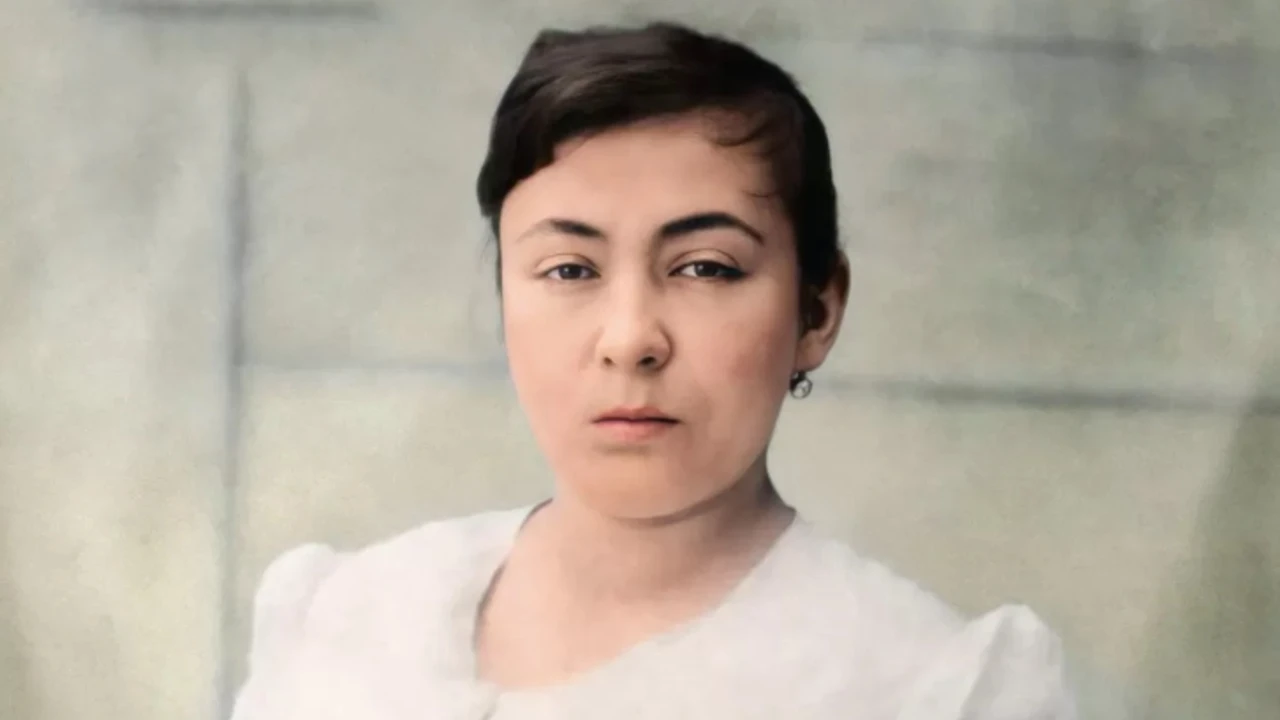
madtechventures.com – Fatima Aliye Topuz, born in 1862, was a groundbreaking figure in Turkish literature and feminism. Known for her pioneering contributions to both fields, she was a writer, feminist, and women’s rights activist who played a crucial role in shaping the discourse on gender equality in early 20th-century Turkey. Her work not only challenged the societal norms of her time but also paved the way for greater participation of women in the literary and intellectual spheres.

Early Life and Literary Pursuits

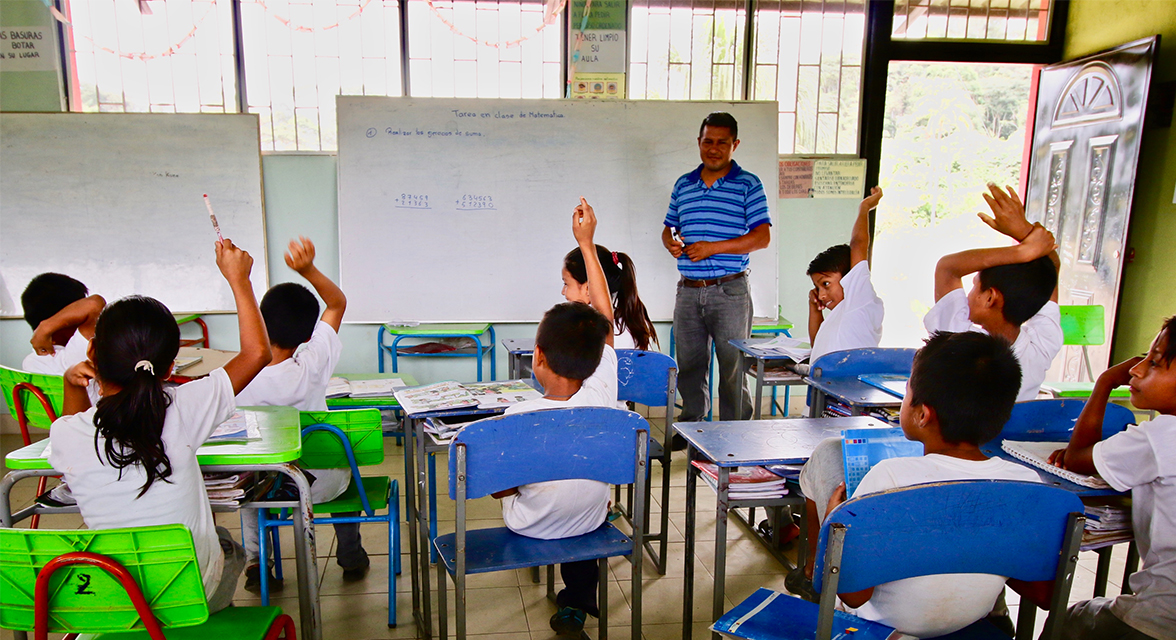
Fatima Aliye was born into a prominent family in Istanbul, which provided her with access to education—a rare privilege for women in that era. Her early exposure to literature and intellectual pursuits fostered a lifelong passion for writing. Despite the societal constraints placed on women, Fatima Aliye began her literary career, publishing her first work in 1892. Her writings initially focused on social issues and the status of women in Ottoman society, reflecting her deep concern for gender equality and social justice.
Contributions to Turkish Literature

Fatima Aliye’s contributions to Turkish literature were significant and varied. She wrote novels, short stories, and essays, addressing themes such as women’s rights, education, and social reform. Her works were not only pioneering in their content but also in their form, as she was one of the first Turkish women to write in the modern novel format. Her most famous work, “Muhammed-i Sadık ve Zeynib” (Muhammad the Faithful and Zeynib), published in 1898, is considered one of the first modern Turkish novels.

Feminist Advocacy

Beyond her literary pursuits, Fatima Aliye was a vocal advocate for women’s rights and social reform. She believed that education was the key to empowering women and improving their status in society. Her writings and activism challenged the traditional roles assigned to women and advocated for greater participation of women in public life. Fatima Aliye’s work laid the groundwork for the feminist movement in Turkey, inspiring future generations of women to fight for their rights.

Legacy

Fatima Aliye Topuz’s legacy is a testament to her pioneering spirit and her unwavering commitment to feminism and literature. Her work not only contributed to the development of Turkish literature but also played a crucial role in advancing the cause of women’s rights in Turkey. Today, she is remembered as a trailblazer who broke barriers and paved the way for greater participation of women in the literary and intellectual spheres.

Conclusion

Fatima Aliye Topuz’s life and work are a powerful reminder of the transformative power of literature and advocacy. Her contributions to Turkish literature and feminism continue to inspire and influence, demonstrating the enduring impact of her pioneering efforts. As Turkey and the world continue to grapple with issues of gender equality, Fatima Aliye’s legacy serves as a beacon of hope and a call to action for all who seek to create a more equitable society.

Singapore’s Technological Advancements: A Leader in Innovation

madtechventures.com – Singapore has established itself as a global leader in technological innovation, driven by a strategic focus on building a robust tech ecosystem and a commitment to fostering a culture of innovation. This article explores the key factors that have positioned Singapore as a leading force in tech innovation.

Unwavering Commitment to Technological Advancement

Singapore’s success in the tech sector is underpinned by its unwavering commitment to technological advancement. The country has consistently invested in infrastructure, research and development, and talent development to create an environment conducive to innovation. This commitment has been recognized globally, with Singapore being named the top tech innovation hub outside of Silicon Valley in 2021.

Strategic Focus on Building a Robust Tech Ecosystem

The government’s strategic focus on building a robust tech ecosystem has been instrumental in Singapore’s rise as a tech leader. Initiatives such as the creation of innovation hubs like Block71 and the support for deep tech startups through SGInnovate have provided the necessary resources and networks for startups to thrive. These efforts have resulted in Singapore boasting 25 unicorns, the highest number in Southeast Asia.

Embracing Infrastructure and Technology Trends

Singapore has embraced cutting-edge infrastructure and technology trends, positioning itself at the forefront of global innovation. The country’s tech-led revolution includes the adoption of transformative technologies such as artificial intelligence (AI) and the Internet of Things (IoT). This forward-thinking approach has not only transformed the local landscape but also attracted global tech leaders to invest in Singapore.

Fostering the Next Generation of Tech Talents

Recognizing the importance of human capital in driving innovation, Singapore has implemented various programs to foster the next generation of tech talents. The government’s initiatives include providing capital, talent, and networking opportunities to startups, as well as supporting the development of a skilled workforce through partnerships with educational institutions. These efforts have contributed to Singapore’s ranking as the world’s 14th global startup ecosystem.

Global Recognition and Influence

Singapore’s achievements in the tech sector have garnered global recognition. The country is rated as the world’s 14th global startup ecosystem, with local connectedness being one of its strongest traits. Additionally, Singapore is home to important innovation centers for leading global companies such as Siemens, Visa, and ABB. This global influence is further cemented by events like Tech Week Singapore, which brings together the world’s most influential tech leaders to discuss and showcase the future of innovation.

Conclusion

Singapore’s journey to becoming a leader in technological innovation is a testament to its strategic vision, robust ecosystem, and commitment to fostering a culture of innovation. By continuously investing in infrastructure, talent development, and cutting-edge technologies, Singapore has solidified its position as a global hub for tech innovation. As the country continues to evolve and embrace new technologies, its influence in the global tech landscape is set to grow even further.

The Economy of the Solomon Islands: Challenges & Opportunities

madtechventures.com – The Solomon Islands, an archipelago in the South Pacific, faces significant economic challenges but also harbors substantial opportunities for growth and development. This article explores the current state of the Solomon Islands’ economy, highlighting the key challenges it faces and the potential opportunities that could drive future prosperity.

Economic Overview

The Solomon Islands’ economy has been on a slow road to recovery, with aggregate GDP experiencing a decline of 25% in recent years3. Despite a modest growth of 4% in 2023, the country continues to grapple with a significant budget deficit. The economy is heavily reliant on agriculture, fishing, and forestry, with a limited private sector and poor infrastructure exacerbating its economic woes.

Challenges

Infrastructure Deficiencies

One of the most pressing challenges facing the Solomon Islands is the lack of adequate infrastructure. Poor roads, limited access to electricity, and inadequate telecommunications networks hinder economic activities and deter foreign investment.

High Unemployment and Underemployment

Widespread underemployment and high unemployment rates are significant barriers to economic growth. The limited job market and lack of skilled labor contribute to a cycle of poverty and economic stagnation.

Dependence on Primary Sectors

The economy’s heavy reliance on primary sectors such as agriculture, fishing, and forestry makes it vulnerable to external shocks, including climate change and global market fluctuations.

Fiscal Deficits

The Solomon Islands has been struggling with increasing fiscal deficits, which have more than doubled in recent years. This financial instability poses a significant risk to the country’s economic stability and growth prospects.

Opportunities

Investment and Development

The Solomon Islands has identified several areas for potential investment and development. Improving infrastructure, enhancing education and healthcare, and promoting fair economic growth are key priorities for the government1.

Economic Reforms

A comprehensive and ambitious reform effort is essential to lift economic growth. The World Bank has highlighted the urgent need for economic reforms to drive new sources of growth and help the country achieve its goal of upper-middle-income status by 2040.

International Partnerships

The Solomon Islands’ recent partnership with China under the Belt and Road Initiative (BRI) presents a significant opportunity for economic development. This partnership could lead to increased investment in infrastructure and other development projects, potentially boosting the country’s economic prospects.

Diversification of the Economy

Diversifying the economy by developing new sectors such as tourism, manufacturing, and services could reduce the country’s dependence on primary sectors and create new job opportunities.

Conclusion

The Solomon Islands faces considerable economic challenges, including poor infrastructure, high unemployment, and a reliance on primary sectors. However, with strategic economic reforms, increased investment, and international partnerships, the country has the potential to overcome these obstacles and achieve sustainable economic growth. The opportunities for development are vast, and with the right policies and investments, the Solomon Islands can transform its economy and improve the living standards of its people.

Sierra Leone’s Cultural Heritage & Traditions

madtechventures.com – Sierra Leone, a country in West Africa, boasts a rich and diverse cultural heritage shaped by its indigenous tribes, colonial history, and various religious influences. This article explores the cultural traditions, customs, and heritage of Sierra Leone, highlighting its unique contributions to the world’s cultural tapestry.

Indigenous Tribes and Their Traditions

Sierra Leone is home to numerous indigenous tribes, each with its own distinct traditions and customs. The Mende, Temne, Limba, and Kono are among the largest ethnic groups, each contributing to the country’s cultural mosaic. These tribes have preserved their oral traditions, storytelling, and rituals, which are integral to their social and spiritual lives.

Poro and Sande Societies

The Poro society for men and the Sande society for women play significant roles in village culture. Initiation into these societies is a rite of passage, marking the transition from childhood to adulthood. These societies impart essential life skills, moral values, and social responsibilities to their members.

Cultural Practices and Rituals

Sierra Leone’s cultural practices are deeply rooted in its history and traditions. The country’s indigenous peoples have developed unique customs that reflect their connection to nature and their ancestors.

Widow Cleansing

One notable practice is widow cleansing, observed by several ethnic groups, including the Limba, Temne, Mende, and Loko. This ritual involves the widow being cleansed of her deceased husband’s spirit, allowing her to reintegrate into society.

Traditional Dances

Dancing is a prominent feature of Sierra Leone’s cultural life. The Sierra Leone National Dance Troupe is renowned for its performances, showcasing the country’s diverse dance styles. Each ethnic group has its own unique dance forms, often accompanied by traditional music played on drums, xylophones, and stringed instruments.

Art and Craftsmanship

Sierra Leone’s artistic heritage is rich and varied, encompassing a wide range of crafts and artistic expressions.

Wood Carvings and Masks

The country is known for its intricate wood carvings, particularly masks used in traditional ceremonies. The Sande mask, worn by the chief dancer during the initiation of female initiates, is a masterpiece of Sierra Leonean art, symbolizing beauty, dignity, and spiritual power.

Textiles and Weaving

Handwoven cloth is an essential part of Sierra Leonean culture, especially among the Mende and Kono peoples. These textiles are used in various ceremonies and rituals, and the weaving techniques have been passed down through generations.

Music and Literature

Music and literature are integral to Sierra Leone’s cultural identity. The country has a vibrant tradition of oral storytelling, which has been instrumental in preserving its history and folklore.

Oral Traditions

Oral traditions play a crucial role in Sierra Leone’s cultural heritage. These traditions include storytelling, proverbs, and songs that convey historical events, moral lessons, and cultural values.

Literary Contributions

Sierra Leone has a rich literary tradition, with notable figures like James Africanus Beale Horton and A.B.C. Sibthorpe contributing significantly to the country’s literary landscape. Their works have explored various aspects of Sierra Leone’s history, politics, and culture.

Modern Cultural Revival

In recent years, there has been a concerted effort to revive and preserve Sierra Leone’s cultural heritage. Initiatives such as the Sierra Leone National Museum and digital archiving projects have been instrumental in documenting and promoting the country’s cultural assets.

Conclusion

Sierra Leone’s cultural heritage is a testament to the resilience and creativity of its people. From its indigenous tribes and traditional practices to its vibrant arts and literature, the country’s cultural landscape is a rich tapestry of history, tradition, and innovation. As Sierra Leone continues to rebuild and develop, its cultural heritage remains a source of pride and identity for its people.

Four States of Micronesia: Kosrae, Pohnpei, Chuuk, and Yap

madtechventures.com – The Federated States of Micronesia (FSM) is an island nation in the western Pacific Ocean, comprising four distinct states: Kosrae, Pohnpei, Chuuk, and Yap. Each state has its own unique culture, history, and natural beauty, contributing to the rich tapestry of Micronesian life. In this article, we will delve into the characteristics and attractions of these four states, offering a glimpse into the heart of Micronesia.

Kosrae: The Lush and Tranquil Paradise

Kosrae, the easternmost state, is often referred to as the “Garden Island” due to its lush vegetation and abundant rainforests. With a population of around 7,000, Kosrae is the least populous of the four states. The island is known for its pristine coral reefs, which are perfect for snorkeling and diving. The Kosraean culture is deeply rooted in its matrilineal society, and the island is home to the Lelu Heritage Site, an ancient city submerged by rising sea levels.

Pohnpei: The Island of Beauty

Pohnpei, formerly known as Ponape, is the second most populous state and is famous for its stunning natural landscapes. The island is home to the majestic Nan Madol, an archaeological wonder consisting of a series of small artificial islands linked by canals. This UNESCO World Heritage site is a testament to the advanced engineering skills of the ancient Saudeleur dynasty. Pohnpei’s rich biodiversity includes the Pohnpei Forest Reserve, which is a haven for birdwatchers and nature enthusiasts.

Chuuk: The Hidden Gem of the Pacific

Chuuk, also known as Truk, is renowned for its incredible underwater scenery. The Chuuk Lagoon, or Truk Lagoon, is a diver’s paradise, with numerous sunken World War II ships and aircraft that have become vibrant coral reefs. The lagoon was designated a U.S. National Historic Landmark in 2001. Chuuk is the most populous state and is made up of a group of islands, with Weno being the administrative center. The Chuukese culture is rich with traditions, including the famous Chuukese stick dances.

Yap: The Island of Stone Money

Yap is perhaps best known for its unique currency—stone money, or Rai. These large stone disks, some of which weigh several tons, are a symbol of wealth and status. The island’s culture is deeply tied to its ancient traditions, and the Yapese are known for their intricate weaving and woodcarving. Yap is also home to some of the most beautiful beaches in Micronesia, as well as the impressive Mount Taabiywol, which offers panoramic views of the island.

Conclusion

The Four States of Micronesia—Kosrae, Pohnpei, Chuuk, and Yap—each offer a unique blend of natural beauty, cultural richness, and historical significance. From the tranquil shores of Kosrae to the archaeological marvels of Pohnpei, the underwater treasures of Chuuk, and the traditional allure of Yap, these islands are a testament to the diversity and charm of the Pacific Islands. Visitors to the Federated States of Micronesia are sure to find an experience that is as enriching as it is unforgettable.

Development and Challenges: Kiribati’s Infrastructure

madtechventures.com – Kiribati, an island nation in the central Pacific Ocean, faces significant challenges in developing and maintaining its infrastructure due to its unique geographical and environmental conditions. This article explores the current state of infrastructure in Kiribati, highlighting both the development efforts and the challenges that persist.

Infrastructure Development

Kiribati’s infrastructure development is crucial for addressing the needs of its population and ensuring sustainable growth. The government and international partners have been working on various projects to improve infrastructure across the country.

One of the key areas of focus is on climate adaptation and resilience. The World Bank has provided $20 million in support for climate adaptation on Kiribati’s outer islands, focusing on infrastructure that can withstand rising sea levels, increased water salination, and unpredictable weather patterns.

Additionally, the National Infrastructure Investment Plan (NIIP) for Kiribati outlines a comprehensive strategy for infrastructure development, emphasizing the importance of sustainable and resilient infrastructure to support the country’s development goals.

Challenges

Despite these efforts, Kiribati faces numerous challenges that hinder infrastructure development and maintenance.

  1. Climate Change: Kiribati is particularly vulnerable to the impacts of climate change, including rising sea levels and extreme weather events. These conditions pose significant risks to existing infrastructure and complicate future development plans.
  2. Geographical Spread: The country’s dispersed population across 33 atolls spread over 3.5 million square kilometers of ocean makes infrastructure development and maintenance extremely costly and logistically challenging.
  3. Limited Resources: Kiribati’s small size and limited resources make it difficult to invest adequately in infrastructure. The country relies heavily on external aid and partnerships to finance and implement infrastructure projects.
  4. Transportation: The challenges of sustainable transportation in Kiribati are significant, with high costs associated with transitioning to newer, more modern vehicles and an excessive number of second-hand cars contributing to traffic congestion on the main island of South Tarawa.
  5. Energy and Water: Access to clean water and reliable energy sources remains a challenge, particularly in remote areas. Efforts are ongoing to improve these services, but the vast distances and limited resources pose significant obstacles.

Conclusion

Kiribati’s infrastructure development is a critical component of its national development strategy, aiming to improve the quality of life for its citizens and support economic growth. However, the country faces substantial challenges that require innovative solutions and sustained international support.

As Kiribati continues to navigate these challenges, it is essential that infrastructure development remains a priority, with a focus on sustainability, resilience, and inclusivity to ensure that all I-Kiribati benefit from these efforts.

Kosovo’s Environmental Challenges & Conservation Efforts

madtechventures.com – Kosovo, a small country in the Balkans, faces significant environmental challenges that threaten its natural beauty and sustainability. This article explores the key environmental issues facing Kosovo and the conservation efforts being undertaken to address them.

Environmental Challenges

Kosovo’s environmental challenges are multifaceted, stemming from both historical neglect and rapid development. One of the most pressing issues is air pollution, largely due to the reliance on coal for energy production. This has led to high levels of particulate matter and other pollutants, affecting public health and the environment.

Another significant challenge is deforestation, driven by illegal logging and the expansion of agricultural land. This has resulted in the loss of biodiversity and increased soil erosion, leading to decreased water quality and quantity.

Waste management is also a critical issue, with inadequate infrastructure and practices leading to the improper disposal of waste. This has resulted in pollution of land and water resources, posing a threat to both human health and ecosystems.

Conservation Efforts

Despite these challenges, there are encouraging conservation efforts underway in Kosovo. The government and various organizations are working to address air pollution by investing in renewable energy sources, such as wind and solar power. This shift aims to reduce dependence on coal and improve air quality.

In response to deforestation, there are initiatives to promote sustainable forestry practices and combat illegal logging. Reforestation projects are also being undertaken to restore degraded forests and increase biodiversity.

Waste management is being addressed through the development of modern waste treatment facilities and the promotion of recycling and composting. These efforts aim to reduce the environmental impact of waste and encourage more sustainable practices.

Community Involvement

Community involvement is crucial for the success of conservation efforts in Kosovo. Various initiatives are engaging local communities in environmental protection and sustainable practices. Educational programs are raising awareness about the importance of conservation and encouraging individuals to take action in their daily lives.

Conclusion

Kosovo’s environmental challenges are significant, but the conservation efforts underway offer hope for a more sustainable future. By addressing issues such as air pollution, deforestation, and waste management, Kosovo can protect its natural resources and ensure a healthier environment for future generations.

The journey toward environmental sustainability in Kosovo is a testament to the resilience and commitment of its people. Through continued efforts and community involvement, Kosovo can overcome its environmental challenges and preserve its natural beauty for years to come.

Timor-Leste: Unveiling the Cultural Tapestry

madtechventures.com – Timor-Leste, the youngest nation in Southeast Asia, is a country rich in cultural heritage and traditions that have been shaped by centuries of indigenous practices and foreign influences. This article delves into the vibrant cultural landscape of Timor-Leste, exploring its art, music, dance, and the unique blend of indigenous and external influences that define its cultural identity.

Indigenous Roots and External Influences

The cultural tapestry of Timor-Leste is woven from the threads of its indigenous traditions and the influences of external cultures, particularly from the Portuguese, who colonized the country for over four centuries. This blend has resulted in a unique cultural identity that is both distinctly Timorese and reflective of its historical interactions with the outside world.

Traditional Art and Craftsmanship

Timor-Leste is renowned for its traditional art and craftsmanship, which includes intricate weaving, pottery, and woodcarving. The country’s textiles, known as tais, are particularly noteworthy. These hand-woven cloths are not only a testament to the skill of Timorese artisans but also carry deep cultural and symbolic meanings, often telling stories of the community’s history and values.

Music and Dance

Music and dance are integral to Timorese culture, serving as a means of expression, celebration, and storytelling. Traditional Timorese music is characterized by its use of indigenous instruments such as the teke teke (a type of bamboo flute) and the kompango (a drum). Dance, often performed during festivals and ceremonies, is a vibrant display of Timorese culture, with each movement and gesture carrying specific meanings and narratives.

Festivals and Celebrations

Festivals and celebrations are a cornerstone of Timorese culture, bringing communities together to honor their traditions and heritage. One of the most significant celebrations is the Timorese Independence Day on May 20th, which commemorates the country’s independence from Indonesia in 2002. Other important festivals include the Harvest Festival, which celebrates the end of the harvest season, and the Catholic Easter and Christmas celebrations, reflecting the strong influence of Portuguese colonialism.

Language and Literature

The language of Timor-Leste is a reflection of its cultural diversity. Tetum, one of the official languages, is widely spoken and is a key element in the preservation of Timorese cultural identity. Literature, both oral and written, plays a crucial role in transmitting cultural values, history, and traditions from one generation to the next. The stories, poems, and songs passed down through generations are a treasure trove of Timorese culture and history.

Contemporary Challenges and Preservation

Despite its rich cultural heritage, Timor-Leste faces challenges in preserving its cultural traditions in the face of globalization and modernization. Efforts are being made to document and promote traditional arts, music, and dance, as well as to support artisans and cultural practitioners. Education and community programs also play a vital role in ensuring that the younger generation is connected to their cultural roots.

Conclusion

The culture of Timor-Leste is a vibrant mosaic of indigenous traditions and external influences, reflecting the country’s rich history and the resilience of its people. From the intricate tais textiles to the rhythmic beats of traditional music, the cultural expressions of Timor-Leste are a testament to the enduring spirit of its communities. As the country continues to develop, the preservation of its cultural heritage remains a priority, ensuring that the unique cultural tapestry of Timor-Leste is celebrated and passed down for generations to come.

Swiss Society: A Blend of Tradition and Modernity

madtechventures.com – Switzerland is a country where tradition and modernity coexist in a harmonious blend. This article delves into the unique characteristics of Swiss society, exploring how the nation maintains its rich cultural heritage while embracing the advancements of the modern world.

The Foundations of Swiss Tradition

Switzerland’s traditions are deeply rooted in its history and geography. The country’s origins as a confederation of independent cantons have fostered a strong sense of regional identity and autonomy. Traditional customs, such as the Alpine festivals and the annual Fasnacht carnival, are celebrated with enthusiasm, preserving the cultural heritage of the various linguistic and ethnic groups within Switzerland.

Language Diversity: A Multilingual Society

One of the most striking aspects of Swiss society is its linguistic diversity. Switzerland is home to four national languages—German, French, Italian, and Romansh—each with its own cultural nuances and traditions. This multilingualism is not only a source of national pride but also a testament to the country’s ability to accommodate and celebrate differences.

The Cornerstones of Swiss Modernity

While deeply rooted in tradition, Swiss society is also characterized by its progressive outlook. Switzerland is known for its innovation and technological advancements, particularly in sectors such as finance, pharmaceuticals, and environmental technology. The country’s commitment to education and research has led to a highly skilled workforce and numerous global companies headquartered in Switzerland.

Gender Equality and Social Progress

Switzerland has made significant strides in gender equality and social progress. Although women gained the right to vote at the federal level only in 1971, the country has since implemented policies to promote gender equality in the workplace and society. Switzerland also has a strong social welfare system that supports its citizens from cradle to grave.

The Swiss Work Ethic: Efficiency and Precision

The Swiss work ethic is legendary, characterized by efficiency, precision, and a strong sense of responsibility. This ethic is reflected in the country’s industries, from the manufacturing of high-quality watches to the operation of its punctual and reliable public transportation system. The emphasis on quality and reliability has contributed to Switzerland’s reputation as a nation of excellence.

Balancing Work and Leisure

Despite their strong work ethic, the Swiss also value a healthy work-life balance. The country offers numerous opportunities for outdoor activities, such as hiking, skiing, and cycling, which are integral to the Swiss way of life. The emphasis on leisure and recreation helps to maintain a balanced and fulfilling lifestyle.

Conclusion: A Unique Societal Tapestry

Swiss society is a unique tapestry woven from the threads of tradition and modernity. By preserving its cultural heritage while embracing the opportunities of the modern world, Switzerland has created a society that is both progressive and grounded in its past. This delicate balance is a key factor in the country’s stability, prosperity, and global influence. As Switzerland continues to navigate the challenges of the 21st century, its blend of tradition and modernity will undoubtedly continue to inspire and inform its path forward.

A Journey Through Canadian Writing: Canada’s Literature

madtechventures.com – Canada’s literature is a rich and diverse tapestry that reflects the country’s multicultural heritage, vast landscapes, and complex history. From the early writings of Indigenous peoples to the contemporary works of acclaimed authors, Canadian literature has evolved significantly, offering a unique perspective on the Canadian experience.

The Early Voices: Indigenous Literature

The roots of Canadian literature can be traced back to the oral traditions of Indigenous peoples, whose stories and legends have been passed down through generations. These narratives, often deeply connected to the land and spiritual beliefs, laid the foundation for Canadian storytelling. Notable contemporary Indigenous authors, such as Thomas King and Louise Erdrich, continue to explore these themes, blending traditional stories with modern issues.

The Emergence of Canadian Writing

The 19th and early 20th centuries saw the emergence of Canadian writing as a distinct literary tradition. Authors like Susanna Moodie and Margaret Atwood began to capture the Canadian experience, exploring themes of identity, nature, and the struggle for survival in a harsh climate. This period also witnessed the growth of French-Canadian literature, with writers like Gabrielle Roy and Anne Hébert contributing to the bilingual nature of Canadian literature.

The Modern Era: Diversity and Innovation

In the latter half of the 20th century, Canadian literature became increasingly diverse, reflecting the changing demographics of the country. Immigrant writers, such as Michael Ondaatje and Rohinton Mistry, brought new perspectives to Canadian writing, exploring themes of migration, identity, and cultural integration. This era also saw a rise in experimental writing, with authors like Leonard Cohen and Margaret Atwood pushing the boundaries of form and genre.

Contemporary Voices: A Global Perspective

Contemporary Canadian literature continues to be characterized by its diversity and global perspective. Authors like Yann Martel and Esi Edugyan have achieved international acclaim, addressing universal themes while maintaining a distinctly Canadian voice. The Canadian literary scene is also enriched by the contributions of Indigenous, immigrant, and minority writers, who offer unique insights into the Canadian experience.

The Impact of Canadian Literature

Canadian literature has had a significant impact on the country’s cultural identity, fostering a sense of national pride and unity. It has also played a crucial role in shaping the Canadian identity on the global stage, with Canadian authors winning prestigious international awards, such as the Booker Prize and the Nobel Prize in Literature.

Conclusion

Canada’s literature is a journey through the heart and soul of the country, reflecting its diverse cultures, landscapes, and history. From the early voices of Indigenous storytellers to the contemporary works of global authors, Canadian writing has evolved into a vibrant and dynamic tradition. As Canadian literature continues to grow and diversify, it remains a powerful tool for understanding the Canadian experience and its place in the world.

The Maldives: A Family-Friendly Destination

madtechventures.com – The Maldives, with its crystal-clear waters, white sandy beaches, and luxurious resorts, has long been considered a romantic getaway for couples. However, this tropical paradise is also an excellent destination for families seeking a unique and memorable vacation. With its array of family-friendly activities, child-centric amenities, and safe environments, the Maldives offers an idyllic setting for families to relax, bond, and create lasting memories.

Family-Friendly Resorts

Luxurious Accommodations

Many resorts in the Maldives have recognized the growing demand for family vacations and have adapted their facilities to cater to families. These resorts offer spacious villas and suites that can accommodate families of various sizes, ensuring comfort and privacy. Some resorts even provide interconnecting rooms or family suites, allowing families to stay together while maintaining a degree of independence.

Kid’s Clubs and Activities

One of the highlights of family-friendly resorts in the Maldives is the kid’s clubs. These clubs are designed to entertain and engage children with a variety of activities, such as arts and crafts, beach games, and educational programs about the local environment. Trained staff members ensure the children’s safety and entertainment, giving parents the opportunity to relax and enjoy some quality time together.

Water Sports and Activities

The Maldives is renowned for its underwater world, and there are plenty of family-friendly water activities to enjoy. Snorkeling is a must-do activity, as the clear waters and abundant marine life make it easy for children to spot colorful fish and even gentle sharks and rays. Many resorts offer snorkeling equipment and guided snorkeling tours suitable for all ages.

Diving and Snorkeling

For older children and adventurous families, diving can be an exhilarating experience. The Maldives offers some of the best diving spots in the world, with professional instructors providing courses for beginners and certified divers alike. Discover Scuba Diving programs are particularly popular among families, allowing participants to experience the underwater world in a safe and controlled environment.

Water Sports

Beyond diving and snorkeling, there are numerous water sports available for families to enjoy. Kayaking, paddleboarding, and canoeing are great ways to explore the lagoons at a leisurely pace. For those seeking a bit more excitement, jet skiing, banana boat rides, and flyboarding offer thrills for older children and adults.

Cultural Experiences

A family vacation in the Maldives is not just about the beaches and water activities; it’s also an opportunity to learn about the local culture and history. Many resorts offer cultural experiences, such as visits to local islands, where families can interact with the Maldivian people, learn about their way of life, and even try their hand at traditional crafts and cooking.

Local Excursions

Excursions to nearby islands provide a glimpse into the daily life of the Maldives. Families can visit local markets, schools, and mosques, and participate in community projects. These experiences offer a deeper understanding of the Maldivian culture and its people.

Traditional Maldivian Cuisine

The culinary scene in the Maldives is another aspect of the local culture that families can explore. Many resorts offer cooking classes where guests can learn to prepare traditional Maldivian dishes. Dining on local specialties such as fish curry, garudia, and roshi can be a delightful experience for both children and adults.

Safety and Health

The Maldives is known for its safe and welcoming environment, making it an ideal destination for families. The resorts are equipped with child-friendly facilities, including kids’ pools, playgrounds, and babysitting services. Additionally, the country has excellent healthcare facilities, with many resorts having on-site medical centers staffed by qualified professionals.

Environmental Considerations

The Maldives is also committed to environmental sustainability, and many resorts have implemented eco-friendly practices. Families can participate in conservation efforts, such as coral reef restoration projects and waste reduction initiatives, teaching children the importance of protecting the natural environment.

Conclusion

The Maldives offers a perfect blend of relaxation, adventure, and cultural enrichment, making it an excellent family-friendly destination. With its luxurious accommodations, diverse range of activities, and emphasis on safety and health, the Maldives provides an unforgettable vacation experience for families of all ages. Whether snorkeling among vibrant coral reefs, participating in cultural experiences, or simply enjoying the tranquility of a tropical paradise, the Maldives is sure to create lasting memories for every family member.

Ecuador’s Educational System: Challenges and Progress

madtechventures.com – Ecuador’s educational system has undergone significant reforms and investments aimed at improving access and quality of education. However, despite these efforts, the system continues to face numerous challenges that hinder its effectiveness and impact on societal development.

Challenges Faced by the Educational System

  1. Violence and Sexual Abuse in Schools: A critical issue within the educational system is the prevalence of violence and sexual abuse. Many schools fail to report these incidents or fully implement required protocols, and judicial institutions do not adequately investigate or prosecute such cases212.
  2. Bullying: Bullying is another significant problem identified by future teachers, which affects the learning environment and student well-being2.
  3. Learning Gaps: Substantial learning gaps exist between different regions and ethnic groups, which is a persistent challenge that needs to be addressed to ensure equitable education4.
  4. Curriculum Adaptation: The educational system struggles with adapting the curriculum to meet the needs of a diverse population, which is crucial for effective learning and societal integration6.
  5. Language Barriers: A significant barrier is the language difference between teachers, who predominantly teach in Spanish, and many community members who speak Kichwa, an Indigenous language9.

Progress and Reforms

Despite these challenges, Ecuador has made notable progress in its educational system:

  1. Educational Reforms: Since 2008, Ecuador has implemented fundamental reforms aimed at improving access to education and providing high-quality education for all.
  2. Mandatory Education: The country has a high enrollment rate of 96% in basic education, indicating a strong commitment to compulsory education.
  3. Free Education: Public education, including primary and secondary education, is free, which helps reduce financial barriers to education.
  4. Higher Education: The higher education sector has also seen improvements, with reforms aimed at enhancing the quality of education and aligning it with sustainable development goals.

Conclusion

Ecuador’s educational system is at a crossroads, facing significant challenges that need to be addressed to ensure that all students have access to a quality education. While the country has made strides in improving access and quality, the persistence of issues like violence in schools and learning disparities highlights the need for continued reforms and investments. Addressing these challenges is crucial for the future of Ecuador’s educational system and its role in fostering a more equitable and prosperous society.

A National Passion: Honduras’ Sports Culture

madtechventures.com – Honduras, a Central American country known for its rich biodiversity and historical sites, also boasts a vibrant sports culture that captivates the hearts of its people. The national passion for sports in Honduras is deeply ingrained in the country’s social fabric, with football (soccer) being the most prominent and beloved sport. This article delves into the essence of Honduras’ sports culture, highlighting its significance, the role of football, and other sports that contribute to the nation’s athletic identity.

The Significance of Sports in Honduran Society

Sports in Honduras are more than just games; they are a unifying force that brings people together, transcending social, economic, and political barriers. The national team’s matches, whether in football, basketball, or other sports, are eagerly anticipated events that foster a sense of national pride and unity. Public squares, bars, and homes become venues for communal viewing, where cheers and chants fill the air, showcasing the collective spirit of the Honduran people.

Football: The Heartbeat of Honduran Sports

The National Football Team

The Honduras national football team, known as “La Bicolor” or “Los Catrachos,” holds a special place in the hearts of Hondurans. The team’s participation in the FIFA World Cup has been a source of immense national pride, with the 1982, 2010, and 2014 editions being particularly memorable. The qualification process, often filled with dramatic moments, is followed with bated breath across the nation, as fans dream of their team making it to the world’s biggest football stage.

Domestic Football League

The Liga Nacional de Fútbol Profesional de Honduras is the top tier of Honduran football, featuring clubs that have passionate fan bases. Matches between rival teams, such as Olimpia and Motagua, known as “El Clásico Nacional,” draw large crowds and intense emotions, showcasing the depth of football culture in the country.

Beyond Football: Diverse Sports Landscape

While football reigns supreme, Honduras’ sports culture is not limited to just one sport. Other activities, such as basketball, baseball, and athletics, also have their followers and contribute to the nation’s athletic diversity.

Basketball

Basketball is gaining popularity, with the Honduran national team participating in regional competitions. The sport is particularly strong in urban areas, where youth leagues and school programs are nurturing the next generation of basketball talent.

Baseball

Baseball, influenced by the sport’s popularity in neighboring countries, has a dedicated fan base in Honduras. The national team competes in international tournaments, and there is a growing interest in developing the sport further.

Athletics

Honduras has produced athletes who excel in track and field events, showcasing the country’s potential in individual sports. Participation in international athletics competitions has been a source of pride, with athletes aiming to bring recognition to their country on the global stage.

Conclusion

Honduras’ sports culture is a testament to the nation’s passion and unity. From the fervor of football matches to the growing interest in other sports, the athletic spirit of Hondurans is a driving force that brings the country together. As the nation continues to develop its sports infrastructure and support its athletes, the future of Honduras’ sports culture looks promising, with potential for even greater achievements on the international stage.