Big Hero 6 (2014): The World of Innovation and Friendship

madtechventures.com – Released in 2014, Big Hero 6 is a groundbreaking Disney animated film that seamlessly blends heartwarming storytelling with action-packed adventure and cutting-edge technology. Directed by Don Hall and Chris Williams, the film is loosely inspired by a Marvel Comics series of the same name and marks Disney’s first foray into the superhero genre. Combining the best elements of family films, superhero narratives, and emotional growth, Big Hero 6 quickly became a fan favorite and a critical success, winning the Academy Award for Best Animated Feature.

At its core, Big Hero 6 is not only about high-tech robots and daring rescues but also about the importance of family, dealing with grief, and learning how to turn tragedy into something positive. With its memorable characters, vibrant animation, and an unforgettable soundtrack, Big Hero 6 has become a modern classic in Disney’s animation legacy.

In this article, we will explore the plot, characters, themes, animation, and cultural impact of Big Hero 6 while discussing what makes it such a unique and enduring film.

The Plot: A Tale of Grief, Friendship, and Redemption

Set in the futuristic city of San Fransokyo, Big Hero 6 follows the story of Hiro Hamada, a young robotics prodigy who lives with his older brother, Tadashi, and their aunt, Cass. After Hiro’s life is shattered by a tragic event, he embarks on a journey that takes him from grief to healing, discovering a new sense of purpose along the way.

Hiro’s Genius and Loss

At the beginning of Big Hero 6, Hiro is introduced as a brilliant, but rebellious teenager with an unmatched talent for robotics. Instead of attending high school, Hiro spends his time participating in underground robot fighting tournaments. However, his brother Tadashi, who is a student at the prestigious San Fransokyo Institute of Technology, encourages him to focus on his academic talents and apply to the university.

Tadashi’s death in a devastating explosion shakes Hiro to his core. The loss of his brother leaves Hiro angry, isolated, and consumed by grief. In the aftermath of the tragedy, Hiro discovers that Tadashi’s personal invention, a healthcare robot named Baymax, survived the explosion. With Baymax by his side, Hiro begins to channel his grief into a new mission: uncovering the mystery behind the explosion and bringing those responsible to justice.

The Formation of Big Hero 6

As Hiro investigates further, he uncovers a dangerous plot involving a villain known as Yokai, who uses a powerful, stolen microbot technology. Hiro realizes that the microbots are connected to his own invention and are being used for destructive purposes. With the help of Baymax, Hiro assembles a group of Tadashi’s friends from the Institute—GoGo Tomago, Wasabi, Honey Lemon, and Fred—and forms the team known as Big Hero 6.

Together, the team of unlikely heroes must work together to stop Yokai and save San Fransokyo. Along the way, they learn the value of teamwork, friendship, and embracing their individual talents. Hiro, with Baymax’s guidance, discovers that by working through his grief and trusting in his friends, he can turn his pain into something powerful and positive.

The Characters: A Diverse and Relatable Team of Heroes

One of the standout features of Big Hero 6 is its diverse and multi-dimensional cast of characters. Each member of the team brings their own strengths and unique personalities, making them easy to relate to and care about. While the film centers on Hiro and Baymax, the supporting characters are just as integral to the story.

Hiro Hamada – The Young Genius

Hiro Hamada, voiced by Ryan Potter, is the 14-year-old robotics genius who finds himself struggling to cope with the tragic loss of his older brother, Tadashi. Hiro is a character driven by his intellect but also by his emotions. His journey throughout the film is one of maturity, as he learns how to use his talents for the greater good rather than for personal gain or revenge. Hiro’s character arc reflects the universal theme of healing and finding purpose after loss, making him one of the most relatable and compelling protagonists in modern Disney animation.

Baymax – The Caring Healthcare Companion

Baymax, voiced by Scott Adsit, is a lovable, inflatable robot created by Tadashi for healthcare purposes. With his soft, marshmallow-like appearance and helpful personality, Baymax quickly becomes the heart of the film. While initially designed to provide medical assistance, Baymax’s transformation into Hiro’s loyal companion and hero is both humorous and heartwarming. Baymax’s simple, yet profound, desire to help others and care for Hiro allows him to serve as a comforting presence in Hiro’s life during his time of grief.

Baymax’s famous catchphrase, “Are you satisfied with your care?” and his clumsy yet endearing behavior make him one of the most memorable and beloved characters in the film.

The Big Hero 6 Team – A Unique Group of Innovators

In addition to Hiro and Baymax, the film features a diverse group of talented young people who become part of the Big Hero 6 team. Each character brings their own unique skills to the table:

  • GoGo Tomago (voiced by Jamie Chung) is a fierce and determined engineer who specializes in speed and is known for her no-nonsense attitude. Her motorcycle-like suit and ability to manipulate disks make her an invaluable member of the team.
  • Wasabi (voiced by Damon Wayans Jr.) is a cautious and somewhat neurotic member of the team who specializes in lasers. Despite his anxious personality, Wasabi shows immense bravery when the team faces danger.
  • Honey Lemon (voiced by Genesis Rodriguez) is a cheerful and optimistic scientist who uses her intellect to create inventive gadgets for the team. Her kindness and intelligence make her a pivotal member of the group.
  • Fred (voiced by TJ Miller) is the quirky, comic-relief member of the team who has a passion for comics and an impressive (if somewhat eccentric) knowledge of superhero culture. His transformation into a superhero is both humorous and heartwarming.

Together, the members of Big Hero 6 form a team that exemplifies the power of collaboration, diverse skills, and overcoming personal challenges.

Themes: The Power of Friendship, Grief, and Innovation

Big Hero 6 explores several deep and meaningful themes, many of which resonate with both young and adult audiences. At its core, the film is about overcoming grief, the value of teamwork, and the importance of using one’s talents for good.

Grief and Healing

The central theme of Big Hero 6 is Hiro’s journey through grief. After losing his brother, Hiro initially channels his anger and pain into a desire for revenge. However, through his interactions with Baymax and his growing friendship with the Big Hero 6 team, Hiro begins to understand that healing involves letting go of that anger and using his talents for positive change. Baymax’s role as both a caregiver and a protector helps Hiro rediscover his sense of purpose and guides him through the difficult emotional process of coping with loss.

The Importance of Friendship and Teamwork

Another key theme in Big Hero 6 is the power of friendship and collaboration. Hiro could not have completed his mission without the help of his new friends, who each bring their own strengths and expertise to the table. The team’s ability to work together, trust one another, and support each other through difficult times is essential to their success. The film demonstrates that even the most brilliant minds are stronger when they unite with others who share their vision.

Innovation and Responsibility

Big Hero 6 also delves into the idea of using innovation and technology responsibly. Hiro’s genius is his greatest strength, but it is also what puts him at risk of losing his way. Tadashi’s invention of Baymax serves as a reminder that technology should be used for good—to help others and make the world a better place. As Hiro navigates his emotions and his relationship with his inventions, the film emphasizes the importance of using one’s abilities for the benefit of society rather than for personal gain.

Animation and Visual Style: A Stunning Blend of Technology and Heart

The animation in Big Hero 6 is groundbreaking, with the filmmakers combining traditional 2D animation techniques with cutting-edge 3D technology to create the futuristic city of San Fransokyo. The city itself is a vibrant blend of Japanese and American culture, with towering skyscrapers, neon lights, and winding streets that give it a distinct personality.

The character design is also a standout feature. Baymax’s inflatable, soft appearance contrasts sharply with the more angular, futuristic designs of the human characters and the high-tech gadgets used throughout the film. The animation team also made clever use of the characters’ emotions—especially Hiro’s—through expressive facial animations that bring the characters’ feelings to life in a deeply impactful way.

Legacy: A Modern Disney Classic

Big Hero 6 was a critical and commercial success, grossing over $657 million worldwide and winning several prestigious awards, including the Academy Award for Best Animated Feature. The film’s unique blend of superhero action, heartfelt storytelling, and memorable characters ensured its lasting place in Disney’s animated film legacy.

The film’s success also led to a television series, Big Hero 6: The Series, which further explores the adventures of Hiro and the Big Hero 6 team as they continue their work to protect San Fransokyo. The legacy of Big Hero 6 also lives on through its impact on the superhero genre in animation, as well as its ability to touch on important themes like grief, healing, and the responsibility that comes with innovation.

Conclusion: A Story for the Ages

Big Hero 6 is a film that transcends age and genre, offering a compelling and emotional journey for viewers of all ages. With its unforgettable characters, stunning animation, and universal themes, Big Hero 6 has earned its place as one of Disney’s most beloved and innovative films. It is a story about friendship, healing, and the power of innovation, reminding us all that even in the face of loss, we have the power to transform our pain into something meaningful and positive.


Ming Xi: A Chinese Beauty Captivating the World

madtechventures.com – Ming Xi, a Chinese model, has made significant strides in the global fashion industry, becoming a symbol of elegance, sophistication, and Asian beauty. Her captivating presence, coupled with her undeniable talent, has secured her a place among the world’s top models.

A Rising Star

Born and raised in Xi’an, China, Ming Xi’s journey to international fame began when she was discovered by a talent scout. Her striking features, including her almond-shaped eyes and porcelain skin, quickly caught the attention of renowned modeling agencies. With her dedication and hard work, she soon rose to prominence, gracing the covers of prestigious magazines such as Vogue and Harper’s Bazaar.

A Global Fashion Icon

Ming Xi has walked the runways of the most prestigious fashion shows, including those of Victoria’s Secret, Chanel, Dior, and Givenchy. Her ability to effortlessly embody various styles and trends has made her a favorite among top designers and photographers. She has also been the face of numerous high-end luxury brands, solidifying her status as a global fashion icon.

A Cultural Ambassador

Ming Xi has been instrumental in breaking down stereotypes and promoting diversity in the fashion industry. As one of the most successful Chinese models, she has paved the way for other Asian models to achieve international recognition. Her influence extends beyond the fashion world, making her a cultural ambassador for China.

A Bright Future Ahead

As Ming Xi continues to inspire and captivate audiences worldwide, her future in the fashion industry looks incredibly promising. With her talent, beauty, and unwavering dedication, she is poised to leave an enduring legacy. Her journey serves as an inspiration for aspiring models and a testament to the power of hard work, perseverance, and the pursuit of dreams.

The Brass Bottle (1964): A Journey into the World of Genie Magic

madtechventures.com – In the mid-1960s, a delightful comedy called The Brass Bottle was released, bringing a whimsical tale of magic and mayhem to the silver screen. Directed by Harry Keller, this film starred Tony Randall, Burl Ives, and Barbara Eden. It is a charming adaptation of F. Anstey’s 1900 novel, which also inspired a silent film version in 1923.

Plot Summary

The Brass Bottle follows the story of an architect, Harold Ventimore, played by Tony Randall, who inadvertently releases a genie from an antique brass bottle. This genie, Fakrash, portrayed by Burl Ives, is eager to repay Harold with all sorts of magical favors. However, as is often the case with genies, these favors tend to cause more chaos than they resolve.

Character Dynamics

The film’s comedic core lies in the interactions between Harold, his fiancée Sylvia Kenton, played by Barbara Eden, and the well-meaning but bungling genie. Harold’s attempts to navigate the increasingly chaotic situations orchestrated by Fakrash provide plenty of lighthearted entertainment.

Cultural Impact

While The Brass Bottle may not have been a blockbuster hit, it holds a special place in the hearts of classic comedy enthusiasts. Notably, the film inspired the creation of the beloved TV series I Dream of Jeannie, with Barbara Eden reprising a similar role as a mischievous genie.

Conclusion

The Brass Bottle is a testament to the enduring appeal of stories that blend fantasy and humor. Its playful exploration of the unintended consequences of wishes granted by a genie continues to entertain audiences, reminding us of the timeless charm of magical tales.

The World’s Loneliest Creature: The Mysterious 52-Hertz Whale

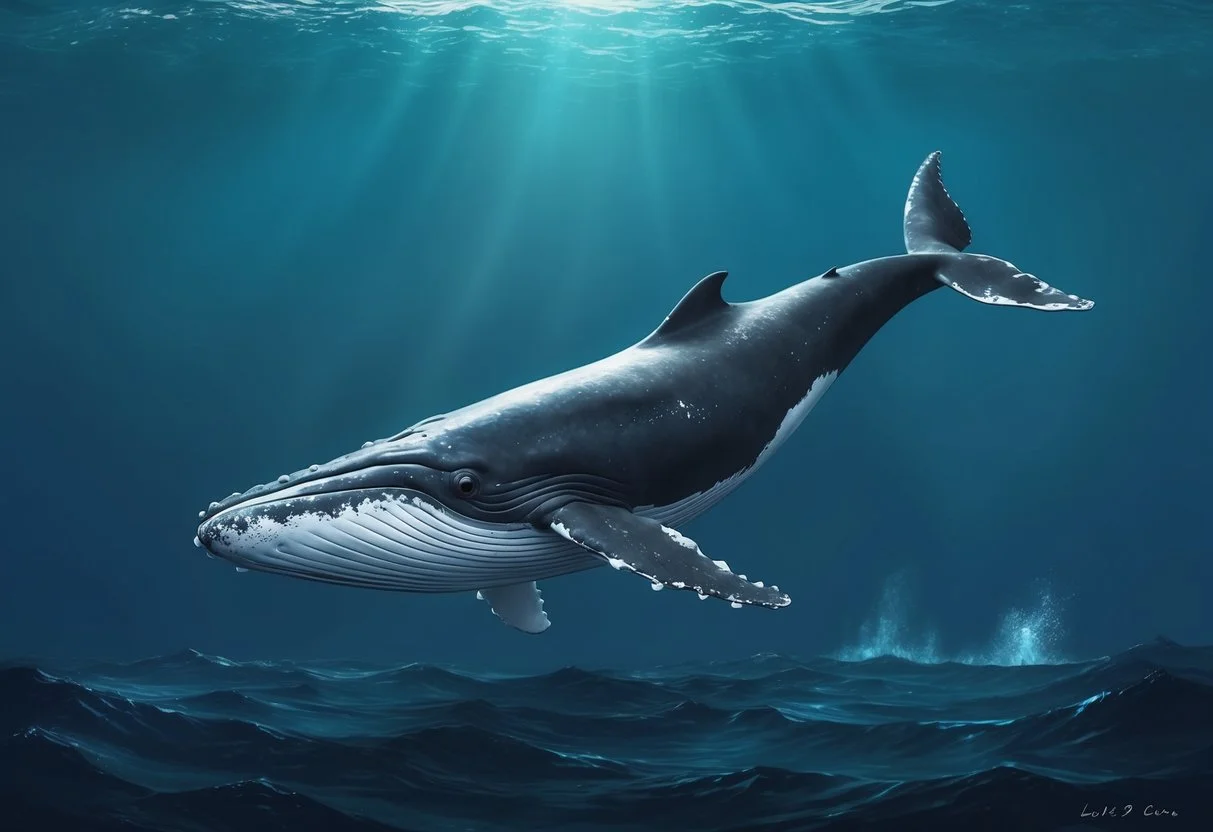
madtechventures.com – In the vast and mysterious depths of the ocean, one whale stands out not for its size or appearance, but for its unique and enigmatic song. Known as the 52-Hertz Whale, this solitary creature sings at a frequency unlike any other known whale species, earning it the title of the “world’s loneliest whale.” This article explores the mystery surrounding the 52-Hertz Whale, examining its discovery, the theories about its origins, and the fascination it holds for scientists and the public alike.

Discovery of the 52-Hertz Whale

The story of the 52-Hertz Whale began in the late 1980s when researchers from the Woods Hole Oceanographic Institution detected an unusual sound in the North Pacific Ocean. This sound, at a frequency of 52 hertz, was unlike the calls of any known whale species, which typically range from 15 to 25 hertz for blue and fin whales. Over the years, the whale’s calls have been consistently tracked, moving across thousands of miles of ocean, yet always alone.

The Mystery of Its Identity

The true identity of the 52-Hertz Whale remains a mystery. Several theories have been proposed to explain its unique song. Some scientists suggest it could be a hybrid of different whale species, while others speculate it may be a malformed or atypical individual of an existing species. Another possibility is that it could be the last of an unknown or extinct species. Despite extensive research, no visual confirmation of the whale has been made.

The Loneliness of the 52-Hertz Whale

The 52-Hertz Whale’s unusual frequency has led to its reputation as the “world’s loneliest whale.” Unlike other whales that communicate within their species-specific frequency ranges, this whale’s calls do not match those of any other known group, raising questions about whether it can communicate and interact with others. This aspect of its life has captured the imagination of people worldwide, symbolizing themes of isolation and the longing for connection.

Public Fascination and Cultural Impact

The story of the 52-Hertz Whale has transcended scientific circles, inspiring books, documentaries, and even music. Its tale resonates with many, evoking empathy and curiosity about the unknown lives of ocean creatures. The whale’s plight has highlighted broader issues of conservation and the impact of human activities on marine life, drawing attention to the need to preserve the mysteries of the ocean.

Ongoing Research and Conservation Efforts

Scientists continue to monitor the 52-Hertz Whale using advanced acoustic technologies, hoping to uncover more about its behavior and origins. While the whale’s solitary existence poses challenges, it also underscores the importance of protecting the diversity and complexity of marine ecosystems. Efforts to reduce ocean noise pollution and safeguard whale populations are crucial to ensuring that the sounds of the sea, including those of the 52-Hertz Whale, continue to be heard.

Conclusion

The 52-Hertz Whale remains one of the ocean’s most intriguing mysteries, a solitary singer whose unique song echoes through the vastness of the deep. Its story is a reminder of the wonders and enigmas that still exist in our world, urging us to explore, understand, and protect the delicate balance of life in the ocean. As we strive to learn more about this enigmatic creature, we are reminded of the interconnectedness of all life and the importance of preserving the natural world for future generations.

Ukraine’s Contributions to World Literature and Arts

madtechventures.com – Ukraine, a country rich in history and cultural diversity, has made significant contributions to world literature and arts. From the evocative prose of its writers to the vibrant strokes of its painters, Ukraine’s artistic heritage reflects its unique national identity and its influence across the globe. This article explores some of the key contributions Ukraine has made to literature and the arts.

Renowned Ukrainian Literature

Ukrainian literature boasts a rich tradition that has evolved over centuries, marked by a deep connection to the country’s historical experiences and cultural identity.

Classic Ukrainian Writers

One of the most celebrated figures in Ukrainian literature is Taras Shevchenko, whose poetry and prose played a pivotal role in shaping Ukrainian national consciousness. His works, often focused on themes of social justice and national identity, continue to resonate with readers today.

Another key literary figure is Ivan Franko, known for his diverse body of work that includes poetry, fiction, and political essays. Franko’s writings explored themes of social change and human rights, reflecting the complexities of Ukrainian society during his time.

Contemporary Voices

In modern times, Ukrainian literature has continued to flourish with authors like Oksana Zabuzhko and Serhiy Zhadan, whose works have gained international acclaim. Their writings often explore contemporary issues such as identity, migration, and the impact of political change, providing a window into the modern Ukrainian experience.

Contributions to the Visual Arts

Ukraine’s contributions to the visual arts are equally significant, characterized by a rich tradition of painting, sculpture, and folk art.

Ukrainian Painting and Sculpture

Kazimir Malevich, a pioneering figure in avant-garde art and the creator of the Suprematism movement, is one of Ukraine’s most influential artists. His abstract works challenged traditional perceptions of art and continue to inspire artists worldwide.

Another notable artist is Ivan Marchuk, whose innovative techniques and unique style have earned him recognition as one of Ukraine’s leading contemporary painters. His works often explore themes of nature and human emotion, reflecting a deep connection to his Ukrainian heritage.

Folk Art and Craftsmanship

Ukraine is renowned for its vibrant folk art, which includes intricate embroidery, pottery, and woodwork. The art of pysanka, or Ukrainian Easter egg decoration, is a particularly cherished tradition, known for its intricate patterns and symbolic meanings.

Ukrainian folk art not only preserves traditional techniques and motifs but also serves as a source of inspiration for contemporary artists seeking to explore and reinterpret cultural heritage.

The Performing Arts: Music and Dance

Ukraine’s contributions to the performing arts are equally noteworthy, with a rich tradition of music and dance that has captivated audiences worldwide.

Music

Ukraine’s musical heritage includes a wide range of genres, from classical compositions by composers like Mykola Lysenko to the soulful melodies of traditional folk music. The bandura, a traditional Ukrainian string instrument, is emblematic of the country’s musical culture and is often featured in folk performances.

Dance

Ukrainian dance, characterized by its energetic movements and colorful costumes, is an integral part of the country’s cultural expression. The Hopak, a traditional Ukrainian dance, is celebrated for its dynamic choreography and is often performed at cultural festivals and events.

Conclusion

Ukraine’s contributions to world literature and arts are a testament to the country’s rich cultural heritage and its enduring influence on global artistic traditions. From the evocative words of its writers to the vibrant creations of its artists, Ukraine’s cultural output continues to inspire and resonate with audiences around the world. Understanding and appreciating these contributions is essential for recognizing the depth and diversity of Ukraine’s cultural legacy.

Syria’s Geopolitical Significance in the World

madtechventures.com – Syria, located at the crossroads of Europe, Asia, and Africa, has long held a pivotal role in the geopolitical landscape of the Middle East. Its strategic location, rich history, and complex sociopolitical dynamics make it a focal point for regional and international interests. This article examines Syria’s geopolitical significance, exploring its impact on regional stability, global politics, and the ongoing challenges it faces.

Strategic Location and Historical Importance

Syria’s geographical position has historically made it a key player in regional politics. It shares borders with Turkey, Iraq, Jordan, Israel, and Lebanon, making it a significant link between the Mediterranean Sea and the Arab world. Throughout history, Syria has been part of major empires, including the Roman, Byzantine, and Ottoman Empires, contributing to its rich cultural and historical heritage.

In modern times, Syria’s location has made it strategically important for trade routes, energy pipelines, and military logistics. It serves as a gateway between the East and West, influencing economic and political interactions across the region.

The Role in Regional Politics

Syria has been a central figure in Middle Eastern politics, particularly in the Arab-Israeli conflict. Its proximity to Israel and its alliances with various Palestinian factions and groups like Hezbollah have positioned it as a critical player in regional tensions. Syria’s relationship with Iran has also been a significant factor, with both countries supporting each other in various regional conflicts and political endeavors.

The Syrian conflict, which began in 2011, has further elevated the country’s geopolitical importance. It has drawn in numerous regional powers, including Turkey, Iran, and Saudi Arabia, each with its own strategic interests and objectives. The conflict has become a proxy battleground for influence among these powers, further complicating the regional landscape.

Global Interests and Involvement

On the global stage, Syria’s geopolitical significance is underscored by the involvement of major powers such as the United States and Russia. The U.S. has been involved in efforts to combat terrorism and influence the outcome of the Syrian conflict, while Russia has maintained a military presence in Syria, supporting the government of Bashar al-Assad.

Syria’s alliances and opposition have implications for global security, energy politics, and international diplomacy. The presence of terrorist organizations and the humanitarian crisis resulting from the conflict have further drawn international attention and intervention.

Challenges and the Path Forward

The ongoing Syrian conflict presents significant challenges not only for Syria but for the entire region. The humanitarian crisis, displacement of millions, and destruction of infrastructure have long-term implications for regional stability and development.

Efforts to resolve the conflict and rebuild Syria require coordinated international and regional cooperation. Diplomatic initiatives, peace negotiations, and reconstruction efforts are essential for creating a stable and prosperous future for Syria and its neighbors.

Conclusion

Syria’s geopolitical significance is deeply intertwined with its strategic location, historical legacy, and complex political dynamics. As a focal point in regional and global politics, Syria’s future will continue to impact the broader Middle East and international relations. Understanding and addressing the challenges facing Syria are crucial for achieving lasting peace and stability in the region and beyond.

Peru: The Twentieth Largest Country in the World

madtechventures.com – Peru, a country renowned for its ancient civilizations, breathtaking landscapes, and vibrant culture, holds the distinction of being the twentieth-largest country in the world by total area. Spanning across an impressive 1.28 million square kilometers, Peru is a land of diverse ecosystems, from the arid coast to the Andean highlands and the Amazon rainforest. This article explores the geographical, cultural, and economic aspects that make Peru a unique and significant nation on the global stage.

Geographical Overview

Peru’s vast size is a result of its extensive landmass, which stretches from the Pacific Ocean in the west to the borders of Brazil, Colombia, and Ecuador in the east. This geographical diversity has endowed the country with a rich array of ecosystems and natural wonders.

Diverse Landscapes

The country’s landscape is characterized by three main regions: the arid coastal desert, the Andean highlands with its snow-capped peaks, and the Amazon rainforest in the east. Peru is also home to Machu Picchu, one of the New Seven Wonders of the World.

Climate Variations

Given its size and diverse topography, Peru experiences a wide range of climates, from the dry and sunny climate of the coast to the cold and snowy climate of the Andes and the hot and humid climate of the Amazon. This diversity in climate contributes to the country’s rich biodiversity and offers a variety of outdoor activities for residents and visitors alike.

Cultural Tapestry

Peru’s cultural landscape is as diverse as its geographical one, with a population that reflects a blend of indigenous peoples, Spanish colonizers, and a multitude of other ethnic groups. This multiculturalism is a defining feature of Peruvian society, celebrated through festivals, cuisine, and art.

Multiculturalism

Peru’s multicultural heritage, shaped by its indigenous roots and Spanish colonial history, has fostered a society that is both traditional and dynamic. This blend is evident in the country’s cuisine, which is recognized as one of the most diverse and flavorful in the world, and in its music and dance, such as the traditional Andean music and the coastal Afro-Peruvian rhythms.

Indigenous Cultures

The indigenous peoples of Peru, including the Quechua, Aymara, and numerous Amazonian tribes, have a rich cultural heritage that dates back thousands of years. Their contributions to Peruvian society are increasingly recognized, with efforts to preserve their languages, traditions, and rights.

Economic Strength

Peru’s economy is one of the fastest-growing in Latin America, driven by abundant natural resources, a growing manufacturing sector, and a strategic geographical location that makes it a key player in international trade.

Natural Resources

Peru’s vast natural resources have been a cornerstone of its economy, with the country being one of the world’s largest producers of copper, silver, and gold. Additionally, Peru is a significant producer of agricultural products such as coffee, cocoa, and asparagus.

Innovation and Technology

Beyond natural resources, Peru has made significant contributions to innovation and technology. The country has a growing number of tech companies and startups, particularly in cities like Lima and Cusco. Peru’s commitment to research and development has led to advancements in fields such as mining, agriculture, and renewable energy.

Conclusion

Peru’s status as the twentieth-largest country in the world is a testament to its geographical vastness and cultural richness. From its stunning landscapes to its diverse population, Peru offers a unique blend of natural beauty, cultural heritage, and economic opportunity. As the country continues to grow and evolve, it remains a significant player on the global stage, celebrated for its ancient history, vibrant culture, and natural splendor.

The Human Touch in an Automated World: Soft Skills

madtechventures.com – In an era where automation and artificial intelligence (AI) are transforming the landscape of work, the importance of soft skills has never been more crucial. These skills, which include emotional intelligence, communication, collaboration, and adaptability, provide the human touch that technology cannot replicate. As machines take over routine tasks, the value of human interaction and creativity becomes even more pronounced.

The Rise of Automation

The rapid advancement of AI and automation technologies has led to a significant shift in the job market. Many tasks that were once performed by humans are now being handled by machines, leading to concerns about job displacement. However, this shift also highlights the enduring value of soft skills, which are inherently human and cannot be automated.

The Enduring Value of Soft Skills

Soft skills are the interpersonal qualities that enable individuals to navigate their social environment and work effectively with others. They include:

  • Emotional Intelligence: The ability to understand and manage one’s own emotions, as well as empathize with others.
  • Communication: The skill to convey ideas clearly and effectively, both verbally and in writing.
  • Collaboration: The capacity to work well with others, contributing to a team and resolving conflicts.
  • Adaptability: The willingness to learn and unlearn, being open to change and able to think critically and creatively.

The Role of Soft Skills in an Automated World

As AI continues to advance, the role of soft skills in the workforce becomes increasingly important. Here’s why:

  • Human Interaction: Many jobs require a level of human interaction and empathy that machines cannot provide. For example, healthcare, education, and customer service roles rely heavily on the human touch.
  • Creativity and Innovation: While AI can analyze data and identify patterns, it lacks the creative spark that leads to innovation. Human creativity is essential for developing new products, services, and solutions.
  • Adaptability and Learning: The pace of technological change means that workers must constantly adapt and learn new skills. Soft skills such as adaptability and a growth mindset are crucial in this environment.
  • Ethical Decision-Making: As AI systems become more integrated into society, ethical considerations become paramount. Human judgment is essential for making ethical decisions that AI cannot make on its own.

Developing Soft Skills

In an automated world, developing soft skills is more important than ever. Here are some strategies for individuals and organizations:

  • Education and Training: Incorporate soft skills training into educational and professional development programs.
  • Mentorship and Coaching: Provide mentorship and coaching opportunities to help individuals develop their interpersonal skills.
  • Cultural Shift: Foster a workplace culture that values and rewards soft skills, encouraging employees to practice and develop these abilities.

Conclusion

In a world where automation and AI are transforming the nature of work, soft skills provide the human touch that technology cannot replicate. By valuing and developing these skills, individuals and organizations can thrive in an automated world, leveraging the strengths of both humans and machines to create a more productive and empathetic society.