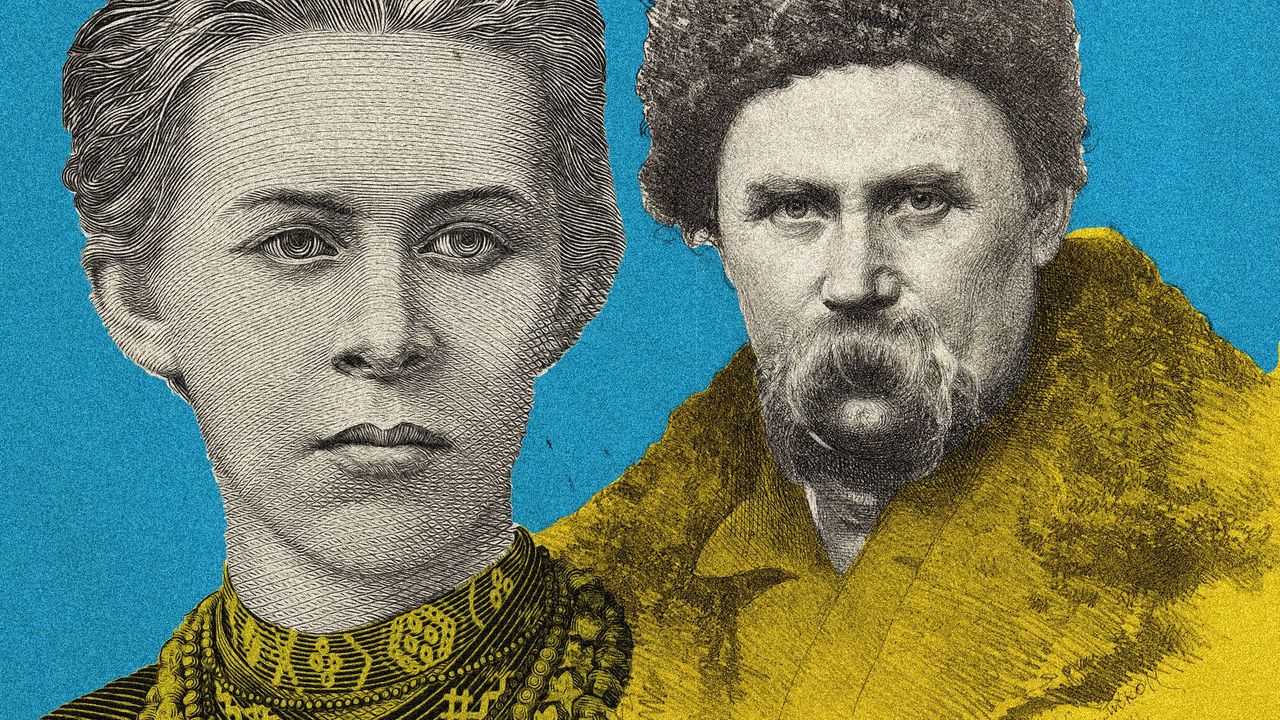
Ukraine’s Contributions to World Literature and Arts

madtechventures.com – Ukraine, a country rich in history and cultural diversity, has made significant contributions to world literature and arts. From the evocative prose of its writers to the vibrant strokes of its painters, Ukraine’s artistic heritage reflects its unique national identity and its influence across the globe. This article explores some of the key contributions Ukraine has made to literature and the arts.

Renowned Ukrainian Literature

Ukrainian literature boasts a rich tradition that has evolved over centuries, marked by a deep connection to the country’s historical experiences and cultural identity.

Classic Ukrainian Writers

One of the most celebrated figures in Ukrainian literature is Taras Shevchenko, whose poetry and prose played a pivotal role in shaping Ukrainian national consciousness. His works, often focused on themes of social justice and national identity, continue to resonate with readers today.

Another key literary figure is Ivan Franko, known for his diverse body of work that includes poetry, fiction, and political essays. Franko’s writings explored themes of social change and human rights, reflecting the complexities of Ukrainian society during his time.

Contemporary Voices

In modern times, Ukrainian literature has continued to flourish with authors like Oksana Zabuzhko and Serhiy Zhadan, whose works have gained international acclaim. Their writings often explore contemporary issues such as identity, migration, and the impact of political change, providing a window into the modern Ukrainian experience.

Contributions to the Visual Arts

Ukraine’s contributions to the visual arts are equally significant, characterized by a rich tradition of painting, sculpture, and folk art.

Ukrainian Painting and Sculpture

Kazimir Malevich, a pioneering figure in avant-garde art and the creator of the Suprematism movement, is one of Ukraine’s most influential artists. His abstract works challenged traditional perceptions of art and continue to inspire artists worldwide.

Another notable artist is Ivan Marchuk, whose innovative techniques and unique style have earned him recognition as one of Ukraine’s leading contemporary painters. His works often explore themes of nature and human emotion, reflecting a deep connection to his Ukrainian heritage.

Folk Art and Craftsmanship

Ukraine is renowned for its vibrant folk art, which includes intricate embroidery, pottery, and woodwork. The art of pysanka, or Ukrainian Easter egg decoration, is a particularly cherished tradition, known for its intricate patterns and symbolic meanings.

Ukrainian folk art not only preserves traditional techniques and motifs but also serves as a source of inspiration for contemporary artists seeking to explore and reinterpret cultural heritage.

The Performing Arts: Music and Dance

Ukraine’s contributions to the performing arts are equally noteworthy, with a rich tradition of music and dance that has captivated audiences worldwide.

Music

Ukraine’s musical heritage includes a wide range of genres, from classical compositions by composers like Mykola Lysenko to the soulful melodies of traditional folk music. The bandura, a traditional Ukrainian string instrument, is emblematic of the country’s musical culture and is often featured in folk performances.

Dance

Ukrainian dance, characterized by its energetic movements and colorful costumes, is an integral part of the country’s cultural expression. The Hopak, a traditional Ukrainian dance, is celebrated for its dynamic choreography and is often performed at cultural festivals and events.

Conclusion

Ukraine’s contributions to world literature and arts are a testament to the country’s rich cultural heritage and its enduring influence on global artistic traditions. From the evocative words of its writers to the vibrant creations of its artists, Ukraine’s cultural output continues to inspire and resonate with audiences around the world. Understanding and appreciating these contributions is essential for recognizing the depth and diversity of Ukraine’s cultural legacy.
Laos’ Arts and Literature: Local Creations and Influences

madtechventures.com – The arts and literature of Laos offer a rich tapestry of cultural expression, reflecting the country’s deep-rooted traditions and diverse influences. From intricate handicrafts to poignant storytelling, Laotian artistic and literary creations provide a window into the soul of this Southeast Asian nation. Here, we explore the unique local creations and the influences that have shaped them over the centuries.

Traditional Arts and Crafts

Laos is renowned for its traditional arts and crafts, which are deeply intertwined with daily life and cultural identity. Textile weaving is one of the most prominent art forms, with Lao women passing down their skills through generations. The intricate patterns and vibrant colors found in Lao textiles, such as silk and cotton weaves, often carry symbolic meanings and tell stories of the weaver’s community and heritage.

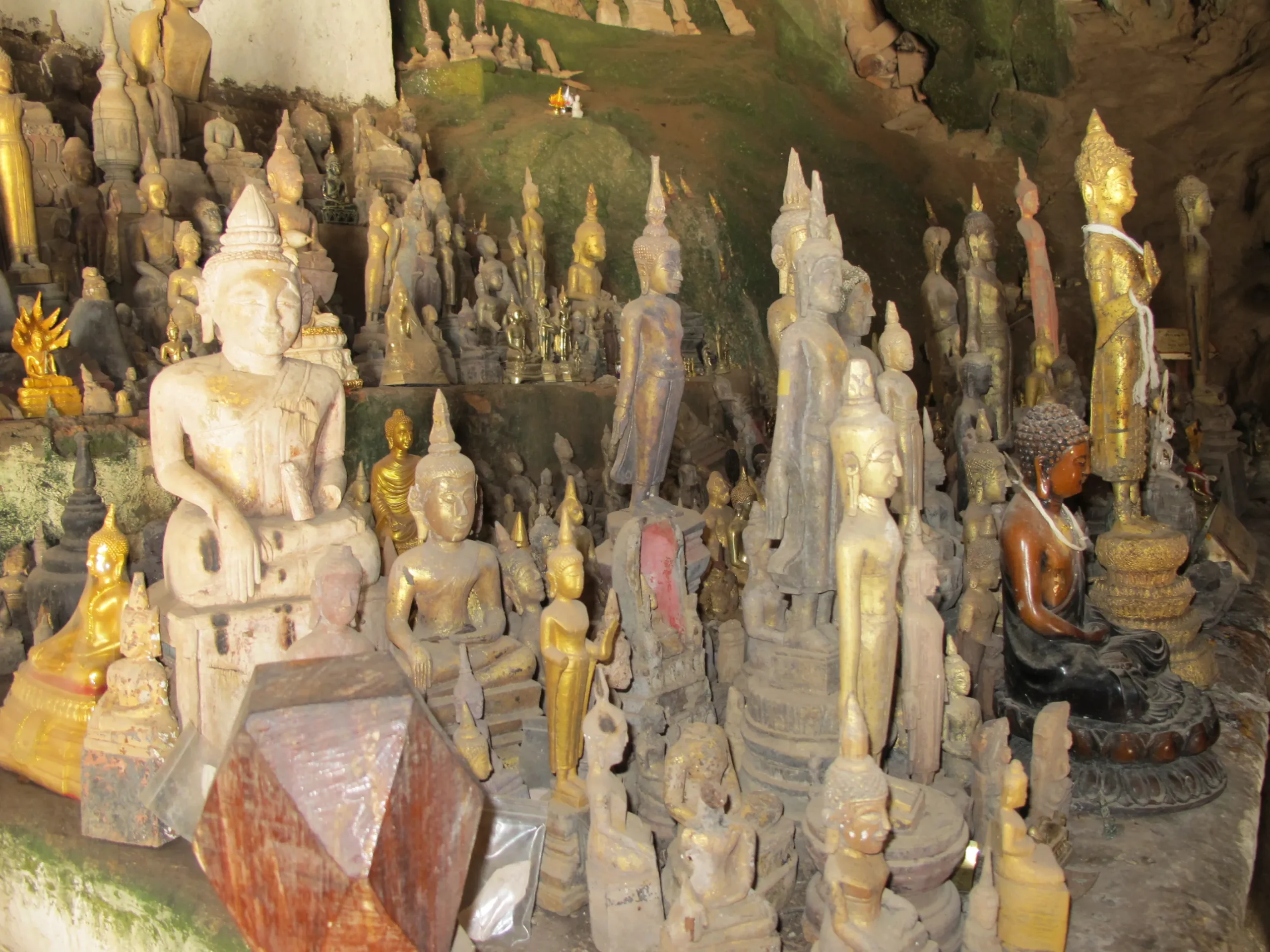
Another significant craft is wood carving, which is used to create everything from household items to ornate decorations for temples. The skillful craftsmanship reflects the spiritual significance of Buddhism in Laos, with many carvings depicting religious motifs and figures.

Performing Arts

The performing arts in Laos, particularly dance and music, are vital components of cultural celebrations and religious ceremonies. Lao traditional dance, known as phra lak phra lam, often narrates stories from ancient texts and folklore, with dancers wearing elaborate costumes and graceful movements enhancing the storytelling.

Music, too, plays a crucial role in Laotian culture. The khaen, a traditional bamboo mouth organ, is a quintessential Lao instrument, producing melodies that accompany festivals, rituals, and gatherings. The unique sound of the khaen is a testament to Laos’ rich musical heritage.

Literary Traditions

Laotian literature is steeped in oral traditions, with folktales, legends, and epic poems being passed down through generations. These stories often carry moral lessons and reflect the values and beliefs of Lao society. The Phra Lak Phra Lam, a Lao version of the Ramayana, is one of the most well-known epic tales, woven into the fabric of Lao cultural identity.

Modern Laotian literature is increasingly being written and published, with contemporary authors exploring themes of identity, history, and change. However, traditional storytelling remains an integral part of the literary landscape, bridging the past with the present.

External Influences

Laos’ arts and literature have been influenced by various external factors, including neighboring cultures and colonial history. Buddhism, introduced from India, profoundly impacted artistic expressions, particularly in temple architecture, sculpture, and religious texts.

The French colonial period also left its mark, introducing new artistic styles and literary forms. This fusion of indigenous and foreign influences has enriched the Laotian cultural scene, creating a unique blend that continues to evolve.

Conclusion

The arts and literature of Laos are a testament to the country’s cultural richness and diversity. Through traditional crafts, performing arts, and storytelling, Laotians express their heritage and values, while also embracing new influences. This dynamic interplay between tradition and modernity ensures that the arts and literature of Laos remain vibrant and relevant, offering insight into the heart and soul of the nation.

Turkey: Fatima Aliye Topuz – A Pioneering Voice for Feminism

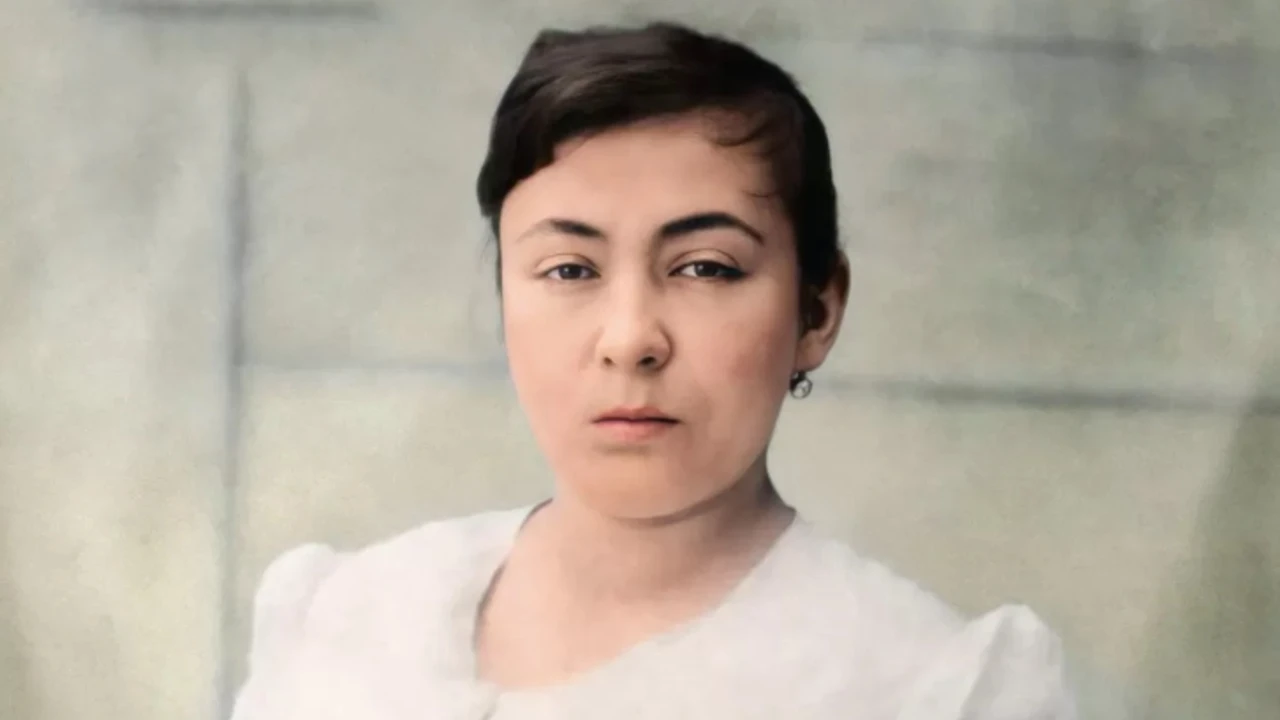
madtechventures.com – Fatima Aliye Topuz, born in 1862, was a groundbreaking figure in Turkish literature and feminism. Known for her pioneering contributions to both fields, she was a writer, feminist, and women’s rights activist who played a crucial role in shaping the discourse on gender equality in early 20th-century Turkey. Her work not only challenged the societal norms of her time but also paved the way for greater participation of women in the literary and intellectual spheres.

Early Life and Literary Pursuits

Fatima Aliye was born into a prominent family in Istanbul, which provided her with access to education—a rare privilege for women in that era. Her early exposure to literature and intellectual pursuits fostered a lifelong passion for writing. Despite the societal constraints placed on women, Fatima Aliye began her literary career, publishing her first work in 1892. Her writings initially focused on social issues and the status of women in Ottoman society, reflecting her deep concern for gender equality and social justice.

Contributions to Turkish Literature

Fatima Aliye’s contributions to Turkish literature were significant and varied. She wrote novels, short stories, and essays, addressing themes such as women’s rights, education, and social reform. Her works were not only pioneering in their content but also in their form, as she was one of the first Turkish women to write in the modern novel format. Her most famous work, “Muhammed-i Sadık ve Zeynib” (Muhammad the Faithful and Zeynib), published in 1898, is considered one of the first modern Turkish novels.

Feminist Advocacy

Beyond her literary pursuits, Fatima Aliye was a vocal advocate for women’s rights and social reform. She believed that education was the key to empowering women and improving their status in society. Her writings and activism challenged the traditional roles assigned to women and advocated for greater participation of women in public life. Fatima Aliye’s work laid the groundwork for the feminist movement in Turkey, inspiring future generations of women to fight for their rights.

Legacy

Fatima Aliye Topuz’s legacy is a testament to her pioneering spirit and her unwavering commitment to feminism and literature. Her work not only contributed to the development of Turkish literature but also played a crucial role in advancing the cause of women’s rights in Turkey. Today, she is remembered as a trailblazer who broke barriers and paved the way for greater participation of women in the literary and intellectual spheres.

Conclusion

Fatima Aliye Topuz’s life and work are a powerful reminder of the transformative power of literature and advocacy. Her contributions to Turkish literature and feminism continue to inspire and influence, demonstrating the enduring impact of her pioneering efforts. As Turkey and the world continue to grapple with issues of gender equality, Fatima Aliye’s legacy serves as a beacon of hope and a call to action for all who seek to create a more equitable society.

A Journey Through Canadian Writing: Canada’s Literature

madtechventures.com – Canada’s literature is a rich and diverse tapestry that reflects the country’s multicultural heritage, vast landscapes, and complex history. From the early writings of Indigenous peoples to the contemporary works of acclaimed authors, Canadian literature has evolved significantly, offering a unique perspective on the Canadian experience.

The Early Voices: Indigenous Literature

The roots of Canadian literature can be traced back to the oral traditions of Indigenous peoples, whose stories and legends have been passed down through generations. These narratives, often deeply connected to the land and spiritual beliefs, laid the foundation for Canadian storytelling. Notable contemporary Indigenous authors, such as Thomas King and Louise Erdrich, continue to explore these themes, blending traditional stories with modern issues.

The Emergence of Canadian Writing

The 19th and early 20th centuries saw the emergence of Canadian writing as a distinct literary tradition. Authors like Susanna Moodie and Margaret Atwood began to capture the Canadian experience, exploring themes of identity, nature, and the struggle for survival in a harsh climate. This period also witnessed the growth of French-Canadian literature, with writers like Gabrielle Roy and Anne Hébert contributing to the bilingual nature of Canadian literature.

The Modern Era: Diversity and Innovation

In the latter half of the 20th century, Canadian literature became increasingly diverse, reflecting the changing demographics of the country. Immigrant writers, such as Michael Ondaatje and Rohinton Mistry, brought new perspectives to Canadian writing, exploring themes of migration, identity, and cultural integration. This era also saw a rise in experimental writing, with authors like Leonard Cohen and Margaret Atwood pushing the boundaries of form and genre.

Contemporary Voices: A Global Perspective

Contemporary Canadian literature continues to be characterized by its diversity and global perspective. Authors like Yann Martel and Esi Edugyan have achieved international acclaim, addressing universal themes while maintaining a distinctly Canadian voice. The Canadian literary scene is also enriched by the contributions of Indigenous, immigrant, and minority writers, who offer unique insights into the Canadian experience.

The Impact of Canadian Literature

Canadian literature has had a significant impact on the country’s cultural identity, fostering a sense of national pride and unity. It has also played a crucial role in shaping the Canadian identity on the global stage, with Canadian authors winning prestigious international awards, such as the Booker Prize and the Nobel Prize in Literature.

Conclusion

Canada’s literature is a journey through the heart and soul of the country, reflecting its diverse cultures, landscapes, and history. From the early voices of Indigenous storytellers to the contemporary works of global authors, Canadian writing has evolved into a vibrant and dynamic tradition. As Canadian literature continues to grow and diversify, it remains a powerful tool for understanding the Canadian experience and its place in the world.