Lithuania: A Cultural Kaleidoscope – A Fusion of Influences

madtechventures.com – Lithuania, a vibrant nation in the heart of the Baltic region, is a cultural kaleidoscope, reflecting a rich tapestry of traditions, languages, and artistic expressions. With its unique blend of historical influences and contemporary creativity, Lithuania offers a diverse cultural landscape that captivates both locals and visitors alike. This article explores the various facets that contribute to Lithuania’s dynamic cultural identity.

A Fusion of Influences

Lithuania’s location at the crossroads of Eastern and Western Europe has made it a melting pot of cultural influences. Throughout its history, the country has been shaped by interactions with neighboring nations, including Poland, Russia, and Germany. This fusion is evident in the diverse architectural styles, culinary traditions, and artistic expressions found throughout the country.

Language and Literature

Lithuanian, one of the oldest languages in Europe, is a cornerstone of the nation’s cultural identity. Its preservation and promotion are a source of pride for Lithuanians. The country also boasts a rich literary heritage, with writers like Kristijonas Donelaitis and Czesław Miłosz contributing to its canon. Lithuanian literature often explores themes of identity, history, and resilience, reflecting the nation’s journey through time.

Folk Traditions and Festivals

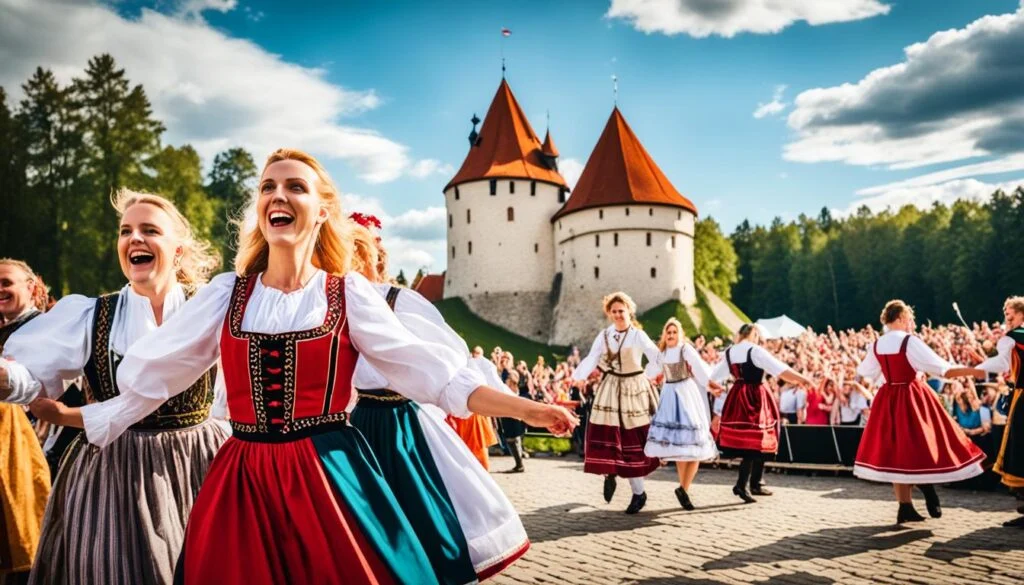
Folk traditions are deeply ingrained in Lithuanian culture, with music, dance, and crafts playing an essential role in everyday life. Traditional folk songs, known as “dainos,” often tell stories of nature, love, and work. The art of weaving and wood carving are also cherished crafts, passed down through generations.

Festivals are an integral part of Lithuanian culture, celebrating everything from seasonal changes to historical events. The Joninės (Midsummer) festival is one of the most popular, featuring bonfires, music, and traditional rituals. The Užgavėnės festival, marking the end of winter, is known for its colorful masks and lively parades.

Contemporary Arts and Innovation

Lithuania’s contemporary art scene is thriving, with a growing number of galleries, museums, and cultural institutions showcasing innovative works by local and international artists. The MO Museum in Vilnius is a hub for modern art, offering exhibitions that challenge and inspire.

In addition to visual arts, Lithuania has a vibrant theater and music scene. The Vilnius International Film Festival and the Vilnius Jazz Festival are just two examples of the country’s flourishing cultural calendar. These events highlight Lithuania’s commitment to fostering creativity and artistic expression.

Culinary Diversity

Lithuanian cuisine is a delightful reflection of the country’s cultural diversity. Traditional dishes such as cepelinai (potato dumplings) and šaltibarščiai (cold beet soup) are staples, while contemporary chefs are reimagining these classics with modern twists. The country’s burgeoning food scene offers a range of dining experiences, from rustic taverns to upscale restaurants.

Conclusion

Lithuania’s cultural kaleidoscope is a testament to its rich history and dynamic present. With a blend of traditional and contemporary influences, the country offers a unique cultural experience that celebrates diversity and creativity. Whether exploring its folk traditions, enjoying its vibrant arts scene, or savoring its diverse cuisine, Lithuania invites you to experience a cultural journey like no other.
Laos’ Arts and Literature: Local Creations and Influences

madtechventures.com – The arts and literature of Laos offer a rich tapestry of cultural expression, reflecting the country’s deep-rooted traditions and diverse influences. From intricate handicrafts to poignant storytelling, Laotian artistic and literary creations provide a window into the soul of this Southeast Asian nation. Here, we explore the unique local creations and the influences that have shaped them over the centuries.

Traditional Arts and Crafts

Laos is renowned for its traditional arts and crafts, which are deeply intertwined with daily life and cultural identity. Textile weaving is one of the most prominent art forms, with Lao women passing down their skills through generations. The intricate patterns and vibrant colors found in Lao textiles, such as silk and cotton weaves, often carry symbolic meanings and tell stories of the weaver’s community and heritage.

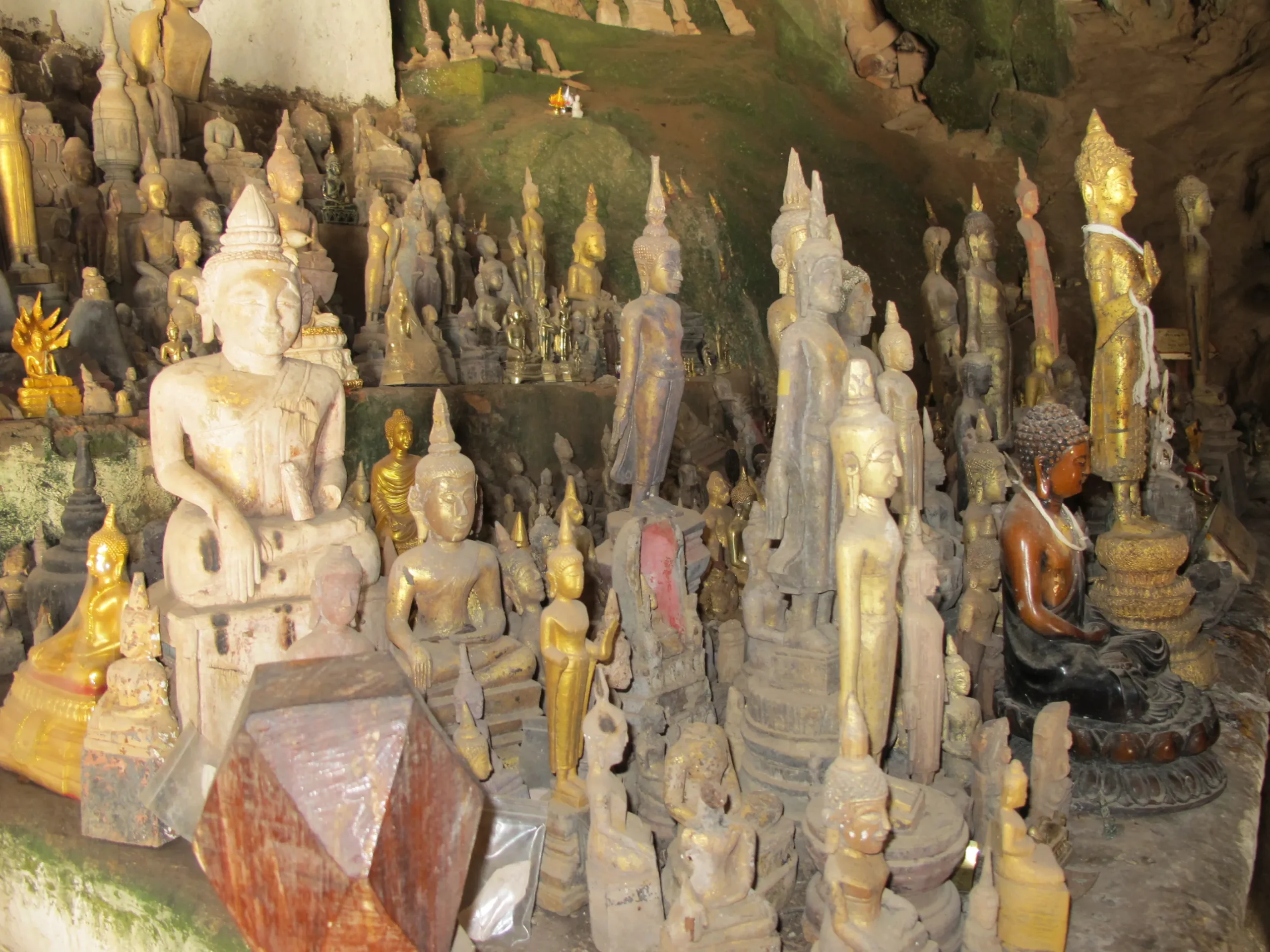
Another significant craft is wood carving, which is used to create everything from household items to ornate decorations for temples. The skillful craftsmanship reflects the spiritual significance of Buddhism in Laos, with many carvings depicting religious motifs and figures.

Performing Arts

The performing arts in Laos, particularly dance and music, are vital components of cultural celebrations and religious ceremonies. Lao traditional dance, known as phra lak phra lam, often narrates stories from ancient texts and folklore, with dancers wearing elaborate costumes and graceful movements enhancing the storytelling.

Music, too, plays a crucial role in Laotian culture. The khaen, a traditional bamboo mouth organ, is a quintessential Lao instrument, producing melodies that accompany festivals, rituals, and gatherings. The unique sound of the khaen is a testament to Laos’ rich musical heritage.

Literary Traditions

Laotian literature is steeped in oral traditions, with folktales, legends, and epic poems being passed down through generations. These stories often carry moral lessons and reflect the values and beliefs of Lao society. The Phra Lak Phra Lam, a Lao version of the Ramayana, is one of the most well-known epic tales, woven into the fabric of Lao cultural identity.

Modern Laotian literature is increasingly being written and published, with contemporary authors exploring themes of identity, history, and change. However, traditional storytelling remains an integral part of the literary landscape, bridging the past with the present.

External Influences

Laos’ arts and literature have been influenced by various external factors, including neighboring cultures and colonial history. Buddhism, introduced from India, profoundly impacted artistic expressions, particularly in temple architecture, sculpture, and religious texts.

The French colonial period also left its mark, introducing new artistic styles and literary forms. This fusion of indigenous and foreign influences has enriched the Laotian cultural scene, creating a unique blend that continues to evolve.

Conclusion

The arts and literature of Laos are a testament to the country’s cultural richness and diversity. Through traditional crafts, performing arts, and storytelling, Laotians express their heritage and values, while also embracing new influences. This dynamic interplay between tradition and modernity ensures that the arts and literature of Laos remain vibrant and relevant, offering insight into the heart and soul of the nation.