Sing (2016): A Musical Journey of Dreams, Determination

madtechventures.com – In 2016, Illumination Entertainment released Sing, a dazzling and heartwarming animated musical that captivated audiences with its vibrant characters, catchy tunes, and feel-good story about the pursuit of dreams. Directed and written by Garth Jennings, Sing brought together a talented voice cast and an eclectic soundtrack to tell the story of a group of anthropomorphic animals competing in a singing contest. The film not only showcased the power of music but also emphasized the importance of perseverance, self-discovery, and friendship. With its universal themes and high-energy performances, Sing became an international hit, earning over $634 million at the box office and becoming a beloved favorite among audiences of all ages.

This article explores the plot, characters, themes, animation, and the cultural impact of Sing, highlighting how the film resonated with viewers and showcased the magic of music and the power of chasing one’s dreams.

Plot Overview: A Singing Competition That Changes Lives

Sing is set in a bustling city populated by anthropomorphic animals, where Buster Moon (voiced by Matthew McConaughey), a koala who runs a struggling theater, is desperately trying to save his beloved establishment from closing. Buster, who inherited the theater from his father, has always loved the stage and believes that the magic of live performances can inspire and entertain. However, the theater is in dire financial trouble, and Buster is at risk of losing it due to mounting debts.

In a last-ditch effort to save the theater, Buster decides to host a singing competition, offering a grand prize of $1,000. However, due to a printing error made by his elderly assistant, Miss Crawly (voiced by Garth Jennings), the flyers mistakenly advertise the prize as $100,000. This mistake leads to an overwhelming response, as animals from all walks of life flock to audition, hoping to win the life-changing prize money.

The auditions attract a colorful group of contestants, each with their own dreams and challenges. Among the hopefuls are:

  • Rosita (voiced by Reese Witherspoon), a stay-at-home mother and pig who dreams of reigniting her passion for singing after years of dedicating herself to her family.
  • Johnny (voiced by Taron Egerton), a teenage gorilla who struggles to escape the shadow of his criminal family and yearns to pursue his love for music.
  • Ash (voiced by Scarlett Johansson), a punk-rock porcupine who is trying to find her own voice after a painful breakup with her egotistical boyfriend.
  • Meena (voiced by Tori Kelly), a shy and introverted elephant with a powerful voice but crippling stage fright.
  • Mike (voiced by Seth MacFarlane), a smooth-talking, arrogant mouse with a talent for crooning jazz standards but a penchant for getting into trouble.
  • Gunter (voiced by Nick Kroll), a flamboyant and eccentric pig who loves to dance and perform, and who becomes Rosita’s enthusiastic partner.

As the competition progresses, the characters form unlikely friendships, face personal obstacles, and learn valuable lessons about self-confidence, perseverance, and following their passions. Despite Buster’s initial focus on saving the theater, the contest ultimately becomes a journey of self-discovery for everyone involved, including Buster himself. The film’s climax features a heartwarming and triumphant final performance that highlights the transformative power of music and the importance of believing in oneself.

Key Characters: A Diverse Ensemble of Dreamers

Buster Moon – The Optimistic Theater Owner

At the heart of Sing is Buster Moon, a charismatic and ever-optimistic koala with a deep love for the theater. Despite his financial struggles, Buster refuses to give up on his dream of keeping his theater alive. His relentless determination and unwavering belief in the power of live performances drive the plot forward, as he embarks on the ambitious project of hosting the singing competition.

Buster’s character represents the idea that passion and hard work can overcome even the toughest of obstacles. While he initially views the competition as a way to save his theater, Buster grows throughout the film, learning that success is not just about money, but about the impact of art on people’s lives. His resilience and boundless optimism make him a lovable and inspirational character.

Rosita – The Devoted Mother Rediscovering Her Passion

Rosita is a stay-at-home pig who is overwhelmed by the demands of caring for her 25 piglets and managing household chores. Though she loves her family, Rosita feels unappreciated and longs to rekindle her love for singing, which she gave up when she became a mother. Rosita’s journey in the film is about finding her voice again and realizing that it’s never too late to pursue her dreams.

Rosita’s partnership with Gunter in the competition allows her to break free from her monotonous routine and rediscover the joy of performing. Her character highlights the theme of balancing personal aspirations with familial responsibilities, and her triumphant performance in the final show symbolizes her reclaiming her identity as both a mother and a performer.

Johnny – The Gorilla with a Heart of Gold

Johnny is a teenage gorilla who dreams of becoming a singer, but he is trapped in a life of crime, as his father leads a gang of bank robbers. Johnny’s struggle to reconcile his love for music with his family’s criminal expectations forms one of the most emotionally resonant storylines in the film. His father’s disapproval and the pressure to follow in his footsteps weigh heavily on Johnny, but his passion for music drives him to pursue the competition.

Johnny’s character arc is one of self-empowerment and courage, as he ultimately chooses to follow his heart and stand up for what he truly wants in life. His soulful rendition of Elton John’s “I’m Still Standing” in the final performance serves as a powerful declaration of his independence and resilience.

Ash – The Punk-Rock Porcupine

Ash is a rebellious porcupine with a love for rock music, but she finds herself overshadowed by her self-centered boyfriend, Lance, who refuses to acknowledge her talent. After their breakup, Ash begins to explore her own musical identity, moving away from the acoustic ballads she performed with Lance and embracing her true passion for punk rock.

Ash’s journey is one of self-expression and empowerment, as she learns to trust her instincts and embrace her individuality. Her performance of the original song “Set It All Free” is a standout moment in the film, symbolizing her breaking free from the constraints of her past and stepping into the spotlight on her own terms.

Meena – The Shy Elephant with a Big Voice

Meena is a sweet-natured but painfully shy elephant with an incredible singing voice. Despite her talent, Meena’s stage fright prevents her from auditioning for the competition, and she spends much of the film grappling with her fear of performing in front of an audience. Her journey is one of overcoming self-doubt and finding the courage to share her gift with the world.

Meena’s character resonates with anyone who has ever struggled with confidence or anxiety. Her final performance, in which she delivers a powerful rendition of Leonard Cohen’s “Hallelujah,” is a moving moment that showcases the transformative power of overcoming one’s fears.

Mike – The Ambitious Crooner

Mike is a small but confident mouse with a big voice and an even bigger ego. He is a jazz singer with a flair for showmanship, but his arrogance often gets him into trouble. Throughout the film, Mike’s cocky attitude leads him to make some poor decisions, particularly when he becomes entangled with dangerous gangsters after cheating at cards.

While Mike’s character provides much of the film’s comic relief, his storyline also serves as a cautionary tale about the dangers of greed and arrogance. Despite his missteps, Mike’s undeniable talent shines through in his performances, and he ultimately learns valuable lessons about humility and teamwork.

Themes: Perseverance, Self-Discovery, and the Power of Music

Perseverance in the Face of Adversity

One of the central themes of Sing is the importance of perseverance, especially when faced with obstacles and setbacks. Every character in the film encounters challenges that test their resolve, whether it’s Buster’s financial troubles, Johnny’s family pressures, or Meena’s stage fright. The film emphasizes that success is not just about talent but also about the willingness to keep going, even when the odds are stacked against you.

Buster’s journey, in particular, embodies the theme of perseverance. Despite numerous setbacks, including the collapse of his theater, Buster refuses to give up on his dream. His resilience and determination serve as an inspiration to the other characters and to the audience.

Self-Discovery and Embracing Individuality

Each character in Sing embarks on a journey of self-discovery, learning to embrace their unique talents and passions. For Rosita, it’s about rediscovering her love for performing after years of being a dedicated mother. For Johnny, it’s about breaking free from his family’s expectations and pursuing his own dreams. For Ash, it’s about finding her voice and embracing her individuality as a musician.

The film celebrates the idea that everyone has something special to offer, and that true fulfillment comes from embracing who you are and following your passions.

The Power of Music

At its core, Sing is a celebration of the power of music to bring people together, heal wounds, and inspire change. Music serves as the catalyst for the characters’ transformations, helping them overcome their fears, insecurities, and challenges. Whether it’s Rosita finding joy in dancing again, Johnny gaining the confidence to stand up to his father, or Meena overcoming her stage fright, music plays a pivotal role in each character’s journey.

The film’s diverse soundtrack, featuring songs from various genres and eras, highlights the universal appeal of music and its ability to connect people from different walks of life.

Animation: A Colorful and Lively World

The animation in Sing is vibrant and visually engaging, bringing to life the bustling cityscape and the diverse cast of characters. The animal characters are designed with attention to detail, reflecting their personalities through their physical traits and movements. The city itself is a lively, energetic backdrop, full of colorful settings that range from Buster’s theater to the bustling streets.

The musical performances are a visual highlight of the film, with dynamic choreography, lighting, and staging that elevate the energy of the songs. Each performance is crafted to reflect the personality and style of the character, adding depth to the storytelling through visual design.

Conclusion: A Heartwarming and Uplifting Musical Journey

Sing (2016) is a heartwarming and uplifting animated film that combines humor, music, and emotion to deliver a powerful message about the importance of following your dreams, no matter the obstacles. With its engaging characters, catchy soundtrack, and universal themes of perseverance, self-discovery, and the transformative power of music, Sing resonated with audiences of all ages and became a beloved entry in Illumination Entertainment’s filmography.

The film’s success at the box office and its positive reception from critics and viewers alike led to the release of a sequel, Sing 2 (2021), which continued the characters’ musical journeys. Ultimately, Sing is a celebration of the magic of performance, the joy of music, and the courage it takes to step into the spotlight and share your voice with the world.


Big Hero 6 (2014): The World of Innovation and Friendship

madtechventures.com – Released in 2014, Big Hero 6 is a groundbreaking Disney animated film that seamlessly blends heartwarming storytelling with action-packed adventure and cutting-edge technology. Directed by Don Hall and Chris Williams, the film is loosely inspired by a Marvel Comics series of the same name and marks Disney’s first foray into the superhero genre. Combining the best elements of family films, superhero narratives, and emotional growth, Big Hero 6 quickly became a fan favorite and a critical success, winning the Academy Award for Best Animated Feature.

At its core, Big Hero 6 is not only about high-tech robots and daring rescues but also about the importance of family, dealing with grief, and learning how to turn tragedy into something positive. With its memorable characters, vibrant animation, and an unforgettable soundtrack, Big Hero 6 has become a modern classic in Disney’s animation legacy.

In this article, we will explore the plot, characters, themes, animation, and cultural impact of Big Hero 6 while discussing what makes it such a unique and enduring film.

The Plot: A Tale of Grief, Friendship, and Redemption

Set in the futuristic city of San Fransokyo, Big Hero 6 follows the story of Hiro Hamada, a young robotics prodigy who lives with his older brother, Tadashi, and their aunt, Cass. After Hiro’s life is shattered by a tragic event, he embarks on a journey that takes him from grief to healing, discovering a new sense of purpose along the way.

Hiro’s Genius and Loss

At the beginning of Big Hero 6, Hiro is introduced as a brilliant, but rebellious teenager with an unmatched talent for robotics. Instead of attending high school, Hiro spends his time participating in underground robot fighting tournaments. However, his brother Tadashi, who is a student at the prestigious San Fransokyo Institute of Technology, encourages him to focus on his academic talents and apply to the university.

Tadashi’s death in a devastating explosion shakes Hiro to his core. The loss of his brother leaves Hiro angry, isolated, and consumed by grief. In the aftermath of the tragedy, Hiro discovers that Tadashi’s personal invention, a healthcare robot named Baymax, survived the explosion. With Baymax by his side, Hiro begins to channel his grief into a new mission: uncovering the mystery behind the explosion and bringing those responsible to justice.

The Formation of Big Hero 6

As Hiro investigates further, he uncovers a dangerous plot involving a villain known as Yokai, who uses a powerful, stolen microbot technology. Hiro realizes that the microbots are connected to his own invention and are being used for destructive purposes. With the help of Baymax, Hiro assembles a group of Tadashi’s friends from the Institute—GoGo Tomago, Wasabi, Honey Lemon, and Fred—and forms the team known as Big Hero 6.

Together, the team of unlikely heroes must work together to stop Yokai and save San Fransokyo. Along the way, they learn the value of teamwork, friendship, and embracing their individual talents. Hiro, with Baymax’s guidance, discovers that by working through his grief and trusting in his friends, he can turn his pain into something powerful and positive.

The Characters: A Diverse and Relatable Team of Heroes

One of the standout features of Big Hero 6 is its diverse and multi-dimensional cast of characters. Each member of the team brings their own strengths and unique personalities, making them easy to relate to and care about. While the film centers on Hiro and Baymax, the supporting characters are just as integral to the story.

Hiro Hamada – The Young Genius

Hiro Hamada, voiced by Ryan Potter, is the 14-year-old robotics genius who finds himself struggling to cope with the tragic loss of his older brother, Tadashi. Hiro is a character driven by his intellect but also by his emotions. His journey throughout the film is one of maturity, as he learns how to use his talents for the greater good rather than for personal gain or revenge. Hiro’s character arc reflects the universal theme of healing and finding purpose after loss, making him one of the most relatable and compelling protagonists in modern Disney animation.

Baymax – The Caring Healthcare Companion

Baymax, voiced by Scott Adsit, is a lovable, inflatable robot created by Tadashi for healthcare purposes. With his soft, marshmallow-like appearance and helpful personality, Baymax quickly becomes the heart of the film. While initially designed to provide medical assistance, Baymax’s transformation into Hiro’s loyal companion and hero is both humorous and heartwarming. Baymax’s simple, yet profound, desire to help others and care for Hiro allows him to serve as a comforting presence in Hiro’s life during his time of grief.

Baymax’s famous catchphrase, “Are you satisfied with your care?” and his clumsy yet endearing behavior make him one of the most memorable and beloved characters in the film.

The Big Hero 6 Team – A Unique Group of Innovators

In addition to Hiro and Baymax, the film features a diverse group of talented young people who become part of the Big Hero 6 team. Each character brings their own unique skills to the table:

  • GoGo Tomago (voiced by Jamie Chung) is a fierce and determined engineer who specializes in speed and is known for her no-nonsense attitude. Her motorcycle-like suit and ability to manipulate disks make her an invaluable member of the team.
  • Wasabi (voiced by Damon Wayans Jr.) is a cautious and somewhat neurotic member of the team who specializes in lasers. Despite his anxious personality, Wasabi shows immense bravery when the team faces danger.
  • Honey Lemon (voiced by Genesis Rodriguez) is a cheerful and optimistic scientist who uses her intellect to create inventive gadgets for the team. Her kindness and intelligence make her a pivotal member of the group.
  • Fred (voiced by TJ Miller) is the quirky, comic-relief member of the team who has a passion for comics and an impressive (if somewhat eccentric) knowledge of superhero culture. His transformation into a superhero is both humorous and heartwarming.

Together, the members of Big Hero 6 form a team that exemplifies the power of collaboration, diverse skills, and overcoming personal challenges.

Themes: The Power of Friendship, Grief, and Innovation

Big Hero 6 explores several deep and meaningful themes, many of which resonate with both young and adult audiences. At its core, the film is about overcoming grief, the value of teamwork, and the importance of using one’s talents for good.

Grief and Healing

The central theme of Big Hero 6 is Hiro’s journey through grief. After losing his brother, Hiro initially channels his anger and pain into a desire for revenge. However, through his interactions with Baymax and his growing friendship with the Big Hero 6 team, Hiro begins to understand that healing involves letting go of that anger and using his talents for positive change. Baymax’s role as both a caregiver and a protector helps Hiro rediscover his sense of purpose and guides him through the difficult emotional process of coping with loss.

The Importance of Friendship and Teamwork

Another key theme in Big Hero 6 is the power of friendship and collaboration. Hiro could not have completed his mission without the help of his new friends, who each bring their own strengths and expertise to the table. The team’s ability to work together, trust one another, and support each other through difficult times is essential to their success. The film demonstrates that even the most brilliant minds are stronger when they unite with others who share their vision.

Innovation and Responsibility

Big Hero 6 also delves into the idea of using innovation and technology responsibly. Hiro’s genius is his greatest strength, but it is also what puts him at risk of losing his way. Tadashi’s invention of Baymax serves as a reminder that technology should be used for good—to help others and make the world a better place. As Hiro navigates his emotions and his relationship with his inventions, the film emphasizes the importance of using one’s abilities for the benefit of society rather than for personal gain.

Animation and Visual Style: A Stunning Blend of Technology and Heart

The animation in Big Hero 6 is groundbreaking, with the filmmakers combining traditional 2D animation techniques with cutting-edge 3D technology to create the futuristic city of San Fransokyo. The city itself is a vibrant blend of Japanese and American culture, with towering skyscrapers, neon lights, and winding streets that give it a distinct personality.

The character design is also a standout feature. Baymax’s inflatable, soft appearance contrasts sharply with the more angular, futuristic designs of the human characters and the high-tech gadgets used throughout the film. The animation team also made clever use of the characters’ emotions—especially Hiro’s—through expressive facial animations that bring the characters’ feelings to life in a deeply impactful way.

Legacy: A Modern Disney Classic

Big Hero 6 was a critical and commercial success, grossing over $657 million worldwide and winning several prestigious awards, including the Academy Award for Best Animated Feature. The film’s unique blend of superhero action, heartfelt storytelling, and memorable characters ensured its lasting place in Disney’s animated film legacy.

The film’s success also led to a television series, Big Hero 6: The Series, which further explores the adventures of Hiro and the Big Hero 6 team as they continue their work to protect San Fransokyo. The legacy of Big Hero 6 also lives on through its impact on the superhero genre in animation, as well as its ability to touch on important themes like grief, healing, and the responsibility that comes with innovation.

Conclusion: A Story for the Ages

Big Hero 6 is a film that transcends age and genre, offering a compelling and emotional journey for viewers of all ages. With its unforgettable characters, stunning animation, and universal themes, Big Hero 6 has earned its place as one of Disney’s most beloved and innovative films. It is a story about friendship, healing, and the power of innovation, reminding us all that even in the face of loss, we have the power to transform our pain into something meaningful and positive.

Simba: The King in Disney’s The Lion King Franchise

madtechventures.com – Simba, the lion cub turned king, is the central protagonist of Disney’s iconic 1994 animated film The Lion King. As the son of Mufasa, the king of the Pride Lands, Simba’s life is defined by a journey of self-discovery, responsibility, and ultimately, redemption. His transformation from a carefree cub to a wise and noble king is at the heart of The Lion King‘s emotional and thematic depth, making him one of Disney’s most beloved and enduring characters.

Simba’s story resonates with audiences of all ages, addressing universal themes of loss, leadership, identity, and the cycle of life. From his early days in the Pride Lands to his exile and eventual return to reclaim his kingdom, Simba’s journey is an archetypal hero’s journey, a narrative that touches upon the trials and triumphs of growing up and stepping into one’s rightful role in the world.

This article explores Simba’s character arc, his relationships, his growth as a leader, and his legacy within the broader Lion King franchise.

Simba’s Origins: A Royal Cub in the Pride Lands

Simba is introduced as the playful and curious son of Mufasa and Sarabi, the future heir to the throne of the Pride Lands. From an early age, Simba shows an eagerness to learn and experience the world around him, often asking his father about the responsibilities of kingship and the mysteries of the vast savanna. His innocent curiosity and boundless energy make him an endearing character, as he shares a close bond with his father Mufasa, who teaches him about the “Circle of Life” and the balance of nature in the kingdom.

Simba’s early life is marked by the love and protection of his family. His father, Mufasa, is a wise and noble leader, admired by the lion pride and respected by the other creatures of the Pride Lands. Mufasa teaches Simba about the importance of leadership, the circle of life, and respecting all living things. Sarabi, Simba’s mother, is a nurturing presence in his life, offering him love and care as he grows up.

The Pride Lands themselves are a symbol of harmony and balance, and Simba is destined to be a part of that legacy. However, his destiny takes a tragic turn when his uncle, Scar, devises a plot that changes Simba’s life forever.

The Tragedy of Mufasa’s Death: Simba’s Guilt and Exile

Simba’s life takes a dramatic and heartbreaking turn when he is tricked by his uncle Scar into believing that he is responsible for the death of his father, Mufasa. After Scar orchestrates a wildebeest stampede in the gorge and causes Mufasa’s death while Simba tries to save him, Scar convinces Simba that he is to blame for the tragedy. Consumed by guilt and fear, Simba flees the Pride Lands, abandoning his home and all his responsibilities.

Scar, who seizes control of the Pride Lands after Mufasa’s death, manipulates Simba’s departure, ensuring that Simba’s guilt keeps him away for years. Simba’s exile becomes a formative period in his life, where he is forced to grow and come to terms with his past mistakes and his role in the future of the Pride Lands. For a long time, Simba runs from his responsibilities, choosing a carefree, hakuna matata life with the laid-back meerkat Timon and the warthog Pumbaa.

Despite the lighthearted lifestyle offered by Timon and Pumbaa, Simba’s past continues to haunt him, and he is constantly reminded of his true heritage. Simba’s inner conflict is a central aspect of his character during this time, as he wrestles with his guilt, his sense of identity, and his inability to accept his destiny as the rightful king of the Pride Lands.

Simba’s Growth: From Carefree Cub to Responsible King

Simba’s transformation begins when he encounters Nala, his childhood friend, and the lioness who later becomes his queen. Nala’s appearance and her urgent plea to Simba to return to the Pride Lands to defeat Scar and reclaim the throne serve as a wake-up call. Nala is the one who brings Simba face-to-face with his responsibilities, challenging him to stop running away from the truth about who he is and what he must do.

This confrontation leads to Simba’s powerful and emotional moment of self-discovery. Simba seeks the wisdom of the spirit of his father, Mufasa, who appears to him in the skies. In this moment, Simba learns that he must “remember who you are” and embrace his true identity as Mufasa’s son and the rightful king. This revelation allows Simba to overcome his guilt and fear, finally accepting the mantle of leadership that had always been his destiny.

Simba’s return to the Pride Lands is one of the most iconic moments in The Lion King. The imagery of Simba returning to reclaim his kingdom, with the power and grace of a king, is symbolic of his personal growth. He has matured from a naive cub into a strong and capable leader, ready to confront Scar and restore balance to the Pride Lands. Simba’s bravery, leadership, and compassion are on full display as he challenges Scar and defeats him in the battle for the throne, ultimately taking his place as king.

Simba’s Relationships: Family, Friendship, and Love

One of the key aspects of Simba’s character is the strong relationships he shares with the other characters in The Lion King. These relationships shape his growth and help him understand the importance of leadership, loyalty, and love.

Mufasa: The Wise Father

Simba’s relationship with his father, Mufasa, is one of the emotional foundations of the film. Mufasa is not only Simba’s father but also his mentor and guide, teaching him important lessons about responsibility and the interconnectedness of life. Mufasa’s death is a pivotal moment in Simba’s life, leaving a deep scar on Simba’s heart. However, Mufasa’s legacy lives on in Simba, and the lessons Simba learns from his father continue to guide him as he takes on the role of king.

The powerful scene where Simba sees his father’s spirit in the clouds and hears Mufasa’s voice telling him to “remember who you are” is a defining moment in Simba’s transformation. It is a call to action, urging Simba to take up his responsibilities and honor the memory of his father by embracing his destiny.

Nala: The Supportive Queen

Nala, Simba’s childhood friend and eventual queen, plays a crucial role in Simba’s growth. Her love and support are pivotal in helping Simba return to the Pride Lands and reclaim his rightful place as king. Nala challenges Simba to face his past and confront his fears, encouraging him to stop hiding from the responsibilities that come with being a leader.

Nala’s strength and determination provide Simba with the emotional support he needs to believe in himself and rise to the occasion. Together, Simba and Nala work to restore peace and prosperity to the Pride Lands, ensuring that the kingdom thrives under Simba’s rule.

Timon and Pumbaa: The Comic Relief and Unlikely Mentors

While Timon and Pumbaa are often seen as comic relief in The Lion King, their role in Simba’s journey is more significant than it may initially seem. The duo teaches Simba the philosophy of “Hakuna Matata”—no worries—a carefree lifestyle that helps Simba escape his guilt and the weight of his responsibilities. Though their advice initially seems to be about avoiding problems, Timon and Pumbaa’s friendship and loyalty ultimately show Simba that having a support system is key to overcoming challenges.

Timon and Pumbaa’s carefree attitude provides Simba with a sense of fun and freedom, which helps him recover from the trauma of his past. However, they also remind him that avoiding responsibility isn’t a viable long-term solution. Their friendship becomes an anchor for Simba during his emotional journey, showing that even the most unlikely of companions can help you grow and face difficult truths.

Simba’s Role as King: A New Era for the Pride Lands

By the end of The Lion King, Simba fully embraces his role as king of the Pride Lands. His return marks the end of Scar’s tyrannical rule and the restoration of balance in the kingdom. Simba’s leadership style reflects the lessons he learned from Mufasa: that being a good king requires wisdom, compassion, and a deep understanding of the interconnectedness of life.

Simba’s reign is not just about ruling the Pride Lands but about guiding the next generation. He becomes a wise and benevolent king, making decisions that benefit not only the lions but all the creatures of the kingdom. His relationship with his subjects, including the other animals, reflects his respect for the “Circle of Life” and the understanding that a leader must care for the well-being of everyone, not just those closest to them.

In the 2019 live-action remake of The Lion King, Simba’s journey remains largely the same, though the film updates the animation and voice acting to bring new life to the classic story. The themes of leadership, responsibility, and the circle of life continue to resonate with modern audiences, solidifying Simba’s legacy as one of Disney’s most iconic characters.

Simba’s Legacy: A Hero for All Ages

Simba’s journey is one of the most enduring and relatable in Disney history. His character arc—from an innocent cub to a wise king—echoes the universal struggles of growing up, finding one’s identity, and taking on responsibilities. Simba’s story encourages viewers to face their fears, accept their past, and embrace the future with courage and wisdom.

Simba’s legacy endures because it speaks to audiences of all ages. His story is timeless, capturing the essence of what it means to grow, to lead, and to love. Whether through his relationships with Mufasa, Nala, Timon, Pumbaa, or the kingdom he rules, Simba’s journey is one of hope, redemption, and the importance of remembering who you are.

Simba’s story reminds us all that no matter how difficult the road may be, we all have the potential to be leaders in our own right, capable of making the world a better place.

The Brass Bottle (1964): A Journey into the World of Genie Magic

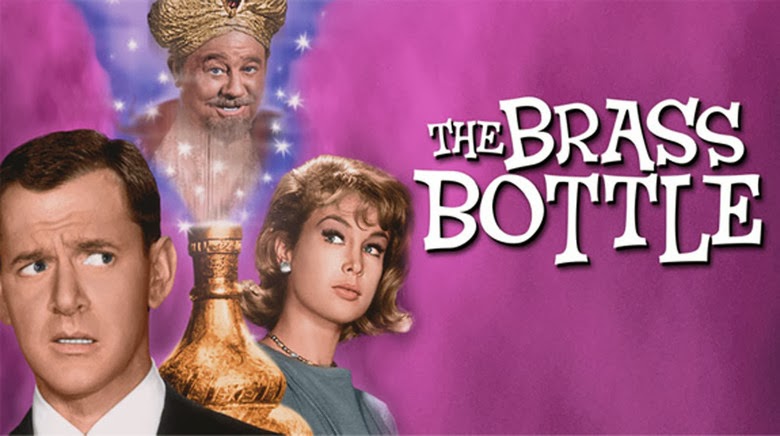
madtechventures.com – In the mid-1960s, a delightful comedy called The Brass Bottle was released, bringing a whimsical tale of magic and mayhem to the silver screen. Directed by Harry Keller, this film starred Tony Randall, Burl Ives, and Barbara Eden. It is a charming adaptation of F. Anstey’s 1900 novel, which also inspired a silent film version in 1923.

Plot Summary

The Brass Bottle follows the story of an architect, Harold Ventimore, played by Tony Randall, who inadvertently releases a genie from an antique brass bottle. This genie, Fakrash, portrayed by Burl Ives, is eager to repay Harold with all sorts of magical favors. However, as is often the case with genies, these favors tend to cause more chaos than they resolve.

Character Dynamics

The film’s comedic core lies in the interactions between Harold, his fiancée Sylvia Kenton, played by Barbara Eden, and the well-meaning but bungling genie. Harold’s attempts to navigate the increasingly chaotic situations orchestrated by Fakrash provide plenty of lighthearted entertainment.

Cultural Impact

While The Brass Bottle may not have been a blockbuster hit, it holds a special place in the hearts of classic comedy enthusiasts. Notably, the film inspired the creation of the beloved TV series I Dream of Jeannie, with Barbara Eden reprising a similar role as a mischievous genie.

Conclusion

The Brass Bottle is a testament to the enduring appeal of stories that blend fantasy and humor. Its playful exploration of the unintended consequences of wishes granted by a genie continues to entertain audiences, reminding us of the timeless charm of magical tales.

The Lightning Thief: Percy Jackson & the Olympians

madtechventures.com – “Percy Jackson & the Olympians: The Lightning Thief” is the first book in Rick Riordan’s acclaimed fantasy series that brings Greek mythology into the modern world. Published in 2005, this captivating novel introduces readers to a world where gods, monsters, and heroes exist in the midst of everyday life. With its engaging characters, humorous storytelling, and thrilling adventures, “The Lightning Thief” has become a beloved classic for readers of all ages.

Synopsis

The story follows Percy Jackson, a twelve-year-old boy who struggles with dyslexia and ADHD, and has a knack for getting into trouble. Percy’s life takes a dramatic turn when he discovers he is a demigod, the son of Poseidon, one of the Greek gods. He is whisked away to Camp Half-Blood, a sanctuary for demigod children, where he learns about his true heritage and the world of Greek mythology.

Percy soon finds himself accused of stealing Zeus’s master lightning bolt, a powerful weapon that could ignite a war among the gods. To clear his name and prevent a divine conflict, Percy embarks on a quest across the United States with his friends Annabeth Chase, daughter of Athena, and Grover Underwood, a satyr. Along the way, they encounter various mythological creatures and challenges, unraveling a conspiracy that threatens the peace of Mount Olympus.

Themes

Identity and Self-Discovery

At its core, “The Lightning Thief” is about Percy’s journey of self-discovery. As he learns about his demigod heritage, Percy grapples with his identity and the expectations placed upon him. The novel explores themes of belonging and acceptance, as Percy finds his place in both the mortal and divine worlds.

Friendship and Loyalty

Friendship and loyalty are central themes in the story. Percy’s bond with Annabeth and Grover highlights the importance of trust and cooperation in overcoming challenges. Their unwavering support for each other underscores the value of friendship in facing adversity.

Mythology and Modernity

Rick Riordan cleverly weaves Greek mythology into the modern world, creating a unique and imaginative setting. The novel explores how ancient myths and legends can coexist with contemporary life, making mythology accessible and relevant to a new generation of readers.

Writing Style

Rick Riordan’s writing is characterized by its humor, wit, and fast-paced narrative. The story is told from Percy’s perspective, capturing his youthful voice and sense of adventure. Riordan’s ability to blend humor with action and suspense keeps readers engaged and entertained throughout the book.

Conclusion

“Percy Jackson & the Olympians: The Lightning Thief” is a delightful and adventurous introduction to a world where mythology meets modernity. Rick Riordan’s skillful storytelling and relatable characters make this novel a must-read for fans of fantasy and mythology. As Percy embarks on his quest to prove his innocence and embrace his destiny, readers are taken on an unforgettable journey filled with excitement, humor, and the timeless allure of ancient myths.

Albania’s Journey to Independence

madtechventures.com – Albania’s quest for independence is a remarkable story of resilience and determination. Nestled in the Balkan Peninsula, Albania endured centuries of foreign domination before finally achieving sovereignty in the early 20th century. This article explores the pivotal events and key figures that shaped Albania’s journey to independence.

The Ottoman Era and National Awakening

For over four centuries, Albania was part of the Ottoman Empire, a period marked by significant cultural and religious influences. Despite being under foreign rule, Albanians maintained a strong sense of national identity, rooted in their language, traditions, and shared history. By the late 19th century, the decline of the Ottoman Empire and the rise of nationalist movements across the Balkans provided an opportunity for Albanians to assert their aspirations for independence.

The Albanian Renaissance, or Rilindja Kombëtare, emerged as a cultural and political movement advocating for national awakening and independence. Prominent intellectuals and activists, such as Sami Frashëri and Abdyl Frashëri, played crucial roles in promoting the Albanian language and cultural heritage, laying the groundwork for political liberation.

The League of Prizren

In 1878, the League of Prizren was formed as a political organization to defend Albanian territories against partition by neighboring countries. The League sought to unify Albanian lands and secure autonomy within the Ottoman Empire. Although the League’s efforts were ultimately suppressed by the Ottomans, it marked a significant step in the organized Albanian national movement and set the stage for future struggles for independence.

The Balkan Wars and the Declaration of Independence

The early 20th century was a tumultuous period for Albania, as the Balkan Wars (1912-1913) reshaped the region’s political landscape. As the Ottoman Empire continued to weaken, various Balkan states sought to expand their territories, threatening Albanian lands.

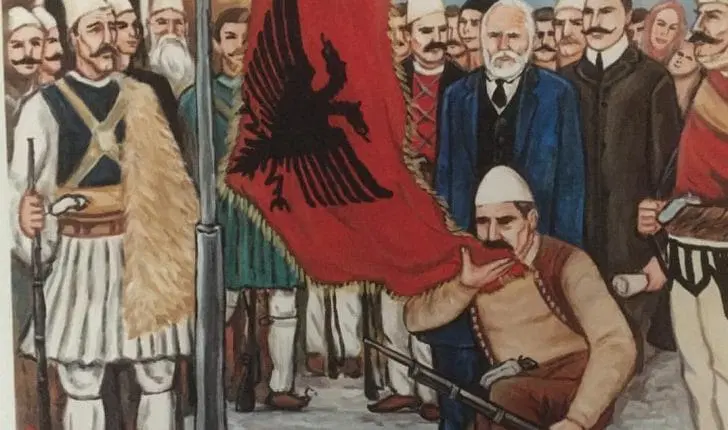
Amidst this turmoil, the Albanian national movement intensified its efforts to achieve independence. On November 28, 1912, Ismail Qemali, a prominent Albanian leader, convened the Assembly of Vlorë, where Albania’s independence was officially declared. This historic event marked the establishment of the independent state of Albania, although international recognition and territorial integrity remained challenges.

Struggles for Sovereignty and International Recognition

Following the declaration of independence, Albania faced significant challenges in securing its sovereignty and international recognition. The London Conference of 1913 recognized Albania’s independence but left many ethnic Albanian territories outside its borders, leading to ongoing disputes and instability.

During World War I, Albania’s fragile statehood was further tested as it became a battleground for various powers. The post-war period saw Albania striving to solidify its status as a sovereign nation amidst competing interests from neighboring countries and internal political struggles.

Solidifying Independence in the 20th Century

Albania’s journey to independence continued throughout the 20th century. In 1920, the Congress of Lushnjë reaffirmed Albania’s sovereignty and established a new government, further consolidating its statehood. Despite facing challenges, including periods of foreign occupation during World War II, Albania maintained its independence and eventually emerged as a communist state under Enver Hoxha’s leadership.

Conclusion

Albania’s journey to independence is a testament to the resilience and determination of its people. From the cultural revival of the Albanian Renaissance to the declaration of independence in Vlorë, Albanians have continually fought to preserve their national identity and sovereignty. Today, Albania stands as a proud and independent nation, reflecting on its rich history and looking towards a future of continued progress and integration into the broader European community.

The Vatican: A Journey Through History and Faith

madtechventures.com – The Vatican, officially known as the Vatican City, is a sovereign city-state enclaved within Rome, Italy. It is the smallest independent state in the world and serves as the spiritual and administrative center of the Roman Catholic Church. This article explores the rich history and profound faith that have shaped the Vatican into the iconic institution it is today.

Historical Foundations

The history of the Vatican as the seat of the Catholic Church dates back to the 4th century AD, when a basilica was constructed over the grave of St. Peter, one of the twelve apostles of Jesus Christ. This site became a focal point for Christian pilgrimage and eventually evolved into the Vatican we know today. The Vatican’s significance grew as it became the residence of the Pope, the Bishop of Rome and the leader of the worldwide Catholic Church.

The Role of the Popes

Throughout its history, the Vatican has been shaped by the leadership of various Popes, each leaving a unique legacy. The Popes have not only been spiritual leaders but also influential political figures, often playing significant roles in the affairs of Europe and beyond. The Vatican’s influence has waxed and waned over the centuries, but it has consistently remained a symbol of Christian faith and tradition.

The Second Vatican Council

One of the most significant events in the Vatican’s history was the Second Vatican Council, held from 1962 to 1965. This council marked a period of renewal and reform within the Catholic Church, aiming to modernize its practices and make them more accessible to the faithful. The council’s documents, including the encyclical “Lumen Fidei” by Pope Francis, have been instrumental in guiding the Church’s teachings and practices in the modern era.

Faith and Doctrine

The Vatican is not only a historical site but also a center of faith and doctrine. The Catechism of the Catholic Church, a fundamental text for Catholic doctrine, is housed here. It outlines the teachings of the Church on various aspects of faith, including the life of man, the handing on of faith through catechesis, and the structure of the Church’s teachings. The Vatican’s role in preserving and disseminating these teachings is crucial for the global Catholic community.

Cultural and Artistic Significance

The Vatican is renowned for its rich cultural and artistic heritage. The Vatican Museums, which include the Sistine Chapel with its famous ceiling painted by Michelangelo, are among the most visited museums in the world. These artworks not only reflect the artistic achievements of the Renaissance but also serve as a testament to the Church’s patronage of the arts throughout history.

Modern Challenges and Adaptations

In the modern era, the Vatican faces various challenges, including the need to adapt to changing societal norms and the demands of a globalized world. The Church’s teachings on issues such as social justice, environmental stewardship, and interfaith dialogue are continually evolving to address contemporary concerns. The Vatican’s efforts to engage with these issues reflect its commitment to being a relevant and compassionate institution in the 21st century.

Conclusion

The Vatican stands as a testament to the enduring power of faith and tradition. From its historical roots to its modern-day challenges, the Vatican continues to play a pivotal role in the spiritual lives of millions of Catholics worldwide. Its rich history, profound faith, and cultural significance make it a unique and irreplaceable institution in the global landscape.

A Journey Through Canadian Writing: Canada’s Literature

madtechventures.com – Canada’s literature is a rich and diverse tapestry that reflects the country’s multicultural heritage, vast landscapes, and complex history. From the early writings of Indigenous peoples to the contemporary works of acclaimed authors, Canadian literature has evolved significantly, offering a unique perspective on the Canadian experience.

The Early Voices: Indigenous Literature

The roots of Canadian literature can be traced back to the oral traditions of Indigenous peoples, whose stories and legends have been passed down through generations. These narratives, often deeply connected to the land and spiritual beliefs, laid the foundation for Canadian storytelling. Notable contemporary Indigenous authors, such as Thomas King and Louise Erdrich, continue to explore these themes, blending traditional stories with modern issues.

The Emergence of Canadian Writing

The 19th and early 20th centuries saw the emergence of Canadian writing as a distinct literary tradition. Authors like Susanna Moodie and Margaret Atwood began to capture the Canadian experience, exploring themes of identity, nature, and the struggle for survival in a harsh climate. This period also witnessed the growth of French-Canadian literature, with writers like Gabrielle Roy and Anne Hébert contributing to the bilingual nature of Canadian literature.

The Modern Era: Diversity and Innovation

In the latter half of the 20th century, Canadian literature became increasingly diverse, reflecting the changing demographics of the country. Immigrant writers, such as Michael Ondaatje and Rohinton Mistry, brought new perspectives to Canadian writing, exploring themes of migration, identity, and cultural integration. This era also saw a rise in experimental writing, with authors like Leonard Cohen and Margaret Atwood pushing the boundaries of form and genre.

Contemporary Voices: A Global Perspective

Contemporary Canadian literature continues to be characterized by its diversity and global perspective. Authors like Yann Martel and Esi Edugyan have achieved international acclaim, addressing universal themes while maintaining a distinctly Canadian voice. The Canadian literary scene is also enriched by the contributions of Indigenous, immigrant, and minority writers, who offer unique insights into the Canadian experience.

The Impact of Canadian Literature

Canadian literature has had a significant impact on the country’s cultural identity, fostering a sense of national pride and unity. It has also played a crucial role in shaping the Canadian identity on the global stage, with Canadian authors winning prestigious international awards, such as the Booker Prize and the Nobel Prize in Literature.

Conclusion

Canada’s literature is a journey through the heart and soul of the country, reflecting its diverse cultures, landscapes, and history. From the early voices of Indigenous storytellers to the contemporary works of global authors, Canadian writing has evolved into a vibrant and dynamic tradition. As Canadian literature continues to grow and diversify, it remains a powerful tool for understanding the Canadian experience and its place in the world.

The Art of Pizza: A Culinary Journey

madtechventures.com – Pizza, the beloved dish that has captured the hearts and taste buds of people around the world, is more than just a meal; it’s an art form. Originating from Italy, pizza has evolved into a global phenomenon, with countless variations that cater to diverse palates and preferences. This article delves into the history, craft, and cultural significance of pizza, exploring what makes it a universally cherished culinary treasure.

The Origins of Pizza

The history of pizza dates back to ancient civilizations, with the Greeks and Romans laying the groundwork for what would become the modern pizza. It was in Naples, Italy, during the 18th century, that pizza as we know it today began to take shape. The city’s bakers started to sell flatbreads known as “pizzas,” which were topped with olive oil, herbs, and garlic, providing a cheap and convenient meal for the working class.

The Spread of Pizza

Pizza’s popularity spread beyond Italy with the waves of Italian immigrants who brought their culinary traditions to countries like the United States. In the early 20th century, Italian-American communities introduced pizza to the American public, and it quickly became a staple of the American diet. From there, pizza’s influence continued to grow, with pizzerias popping up worldwide and the dish adapting to local tastes and ingredients.

The Craft of Pizza Making

The art of pizza making is a blend of science and creativity. A perfect pizza starts with the dough, which requires the right balance of flour, water, yeast, and salt, along with precise fermentation times to develop flavor and texture. The sauce, typically made from tomatoes, is another key component, with its acidity and sweetness playing a crucial role in the overall taste of the pizza.

Cheese is another essential element, with mozzarella being the most traditional choice. However, pizzerias and home chefs alike experiment with a wide range of cheeses, from gooey fontina to sharp pecorino, to add depth and richness to their creations.

Toppings are where pizza truly shines as an art form. From classic Margherita with its simple combination of tomato, mozzarella, and basil to the more adventurous toppings like truffle, fig, and prosciutto, the possibilities are endless. The key to a great pizza lies in the balance and harmony of flavors and textures.

The Cultural Impact of Pizza

Pizza has transcended its role as a mere food item to become a cultural icon. It symbolizes comfort, sharing, and community, often being the centerpiece of gatherings and celebrations. The global pizza chain phenomenon has also made it a symbol of globalization, with pizzerias serving up local interpretations of the dish in countries far from its Italian origins.

Conclusion

Pizza is more than just a delicious meal; it’s a testament to the power of food to bring people together and to the endless creativity of the culinary world. Whether enjoyed in a traditional Italian pizzeria or a local joint with a twist, pizza remains a beloved dish that continues to evolve and delight taste buds around the globe. Its simple yet profound combination of dough, sauce, cheese, and toppings has made it a universal favorite, proving that sometimes, the best things in life are the simplest.