Sing (2016): A Musical Journey of Dreams, Determination

madtechventures.com – In 2016, Illumination Entertainment released Sing, a dazzling and heartwarming animated musical that captivated audiences with its vibrant characters, catchy tunes, and feel-good story about the pursuit of dreams. Directed and written by Garth Jennings, Sing brought together a talented voice cast and an eclectic soundtrack to tell the story of a group of anthropomorphic animals competing in a singing contest. The film not only showcased the power of music but also emphasized the importance of perseverance, self-discovery, and friendship. With its universal themes and high-energy performances, Sing became an international hit, earning over $634 million at the box office and becoming a beloved favorite among audiences of all ages.

This article explores the plot, characters, themes, animation, and the cultural impact of Sing, highlighting how the film resonated with viewers and showcased the magic of music and the power of chasing one’s dreams.

Plot Overview: A Singing Competition That Changes Lives

Sing is set in a bustling city populated by anthropomorphic animals, where Buster Moon (voiced by Matthew McConaughey), a koala who runs a struggling theater, is desperately trying to save his beloved establishment from closing. Buster, who inherited the theater from his father, has always loved the stage and believes that the magic of live performances can inspire and entertain. However, the theater is in dire financial trouble, and Buster is at risk of losing it due to mounting debts.

In a last-ditch effort to save the theater, Buster decides to host a singing competition, offering a grand prize of $1,000. However, due to a printing error made by his elderly assistant, Miss Crawly (voiced by Garth Jennings), the flyers mistakenly advertise the prize as $100,000. This mistake leads to an overwhelming response, as animals from all walks of life flock to audition, hoping to win the life-changing prize money.

The auditions attract a colorful group of contestants, each with their own dreams and challenges. Among the hopefuls are:

  • Rosita (voiced by Reese Witherspoon), a stay-at-home mother and pig who dreams of reigniting her passion for singing after years of dedicating herself to her family.
  • Johnny (voiced by Taron Egerton), a teenage gorilla who struggles to escape the shadow of his criminal family and yearns to pursue his love for music.
  • Ash (voiced by Scarlett Johansson), a punk-rock porcupine who is trying to find her own voice after a painful breakup with her egotistical boyfriend.
  • Meena (voiced by Tori Kelly), a shy and introverted elephant with a powerful voice but crippling stage fright.
  • Mike (voiced by Seth MacFarlane), a smooth-talking, arrogant mouse with a talent for crooning jazz standards but a penchant for getting into trouble.
  • Gunter (voiced by Nick Kroll), a flamboyant and eccentric pig who loves to dance and perform, and who becomes Rosita’s enthusiastic partner.

As the competition progresses, the characters form unlikely friendships, face personal obstacles, and learn valuable lessons about self-confidence, perseverance, and following their passions. Despite Buster’s initial focus on saving the theater, the contest ultimately becomes a journey of self-discovery for everyone involved, including Buster himself. The film’s climax features a heartwarming and triumphant final performance that highlights the transformative power of music and the importance of believing in oneself.

Key Characters: A Diverse Ensemble of Dreamers

Buster Moon – The Optimistic Theater Owner

At the heart of Sing is Buster Moon, a charismatic and ever-optimistic koala with a deep love for the theater. Despite his financial struggles, Buster refuses to give up on his dream of keeping his theater alive. His relentless determination and unwavering belief in the power of live performances drive the plot forward, as he embarks on the ambitious project of hosting the singing competition.

Buster’s character represents the idea that passion and hard work can overcome even the toughest of obstacles. While he initially views the competition as a way to save his theater, Buster grows throughout the film, learning that success is not just about money, but about the impact of art on people’s lives. His resilience and boundless optimism make him a lovable and inspirational character.

Rosita – The Devoted Mother Rediscovering Her Passion

Rosita is a stay-at-home pig who is overwhelmed by the demands of caring for her 25 piglets and managing household chores. Though she loves her family, Rosita feels unappreciated and longs to rekindle her love for singing, which she gave up when she became a mother. Rosita’s journey in the film is about finding her voice again and realizing that it’s never too late to pursue her dreams.

Rosita’s partnership with Gunter in the competition allows her to break free from her monotonous routine and rediscover the joy of performing. Her character highlights the theme of balancing personal aspirations with familial responsibilities, and her triumphant performance in the final show symbolizes her reclaiming her identity as both a mother and a performer.

Johnny – The Gorilla with a Heart of Gold

Johnny is a teenage gorilla who dreams of becoming a singer, but he is trapped in a life of crime, as his father leads a gang of bank robbers. Johnny’s struggle to reconcile his love for music with his family’s criminal expectations forms one of the most emotionally resonant storylines in the film. His father’s disapproval and the pressure to follow in his footsteps weigh heavily on Johnny, but his passion for music drives him to pursue the competition.

Johnny’s character arc is one of self-empowerment and courage, as he ultimately chooses to follow his heart and stand up for what he truly wants in life. His soulful rendition of Elton John’s “I’m Still Standing” in the final performance serves as a powerful declaration of his independence and resilience.

Ash – The Punk-Rock Porcupine

Ash is a rebellious porcupine with a love for rock music, but she finds herself overshadowed by her self-centered boyfriend, Lance, who refuses to acknowledge her talent. After their breakup, Ash begins to explore her own musical identity, moving away from the acoustic ballads she performed with Lance and embracing her true passion for punk rock.

Ash’s journey is one of self-expression and empowerment, as she learns to trust her instincts and embrace her individuality. Her performance of the original song “Set It All Free” is a standout moment in the film, symbolizing her breaking free from the constraints of her past and stepping into the spotlight on her own terms.

Meena – The Shy Elephant with a Big Voice

Meena is a sweet-natured but painfully shy elephant with an incredible singing voice. Despite her talent, Meena’s stage fright prevents her from auditioning for the competition, and she spends much of the film grappling with her fear of performing in front of an audience. Her journey is one of overcoming self-doubt and finding the courage to share her gift with the world.

Meena’s character resonates with anyone who has ever struggled with confidence or anxiety. Her final performance, in which she delivers a powerful rendition of Leonard Cohen’s “Hallelujah,” is a moving moment that showcases the transformative power of overcoming one’s fears.

Mike – The Ambitious Crooner

Mike is a small but confident mouse with a big voice and an even bigger ego. He is a jazz singer with a flair for showmanship, but his arrogance often gets him into trouble. Throughout the film, Mike’s cocky attitude leads him to make some poor decisions, particularly when he becomes entangled with dangerous gangsters after cheating at cards.

While Mike’s character provides much of the film’s comic relief, his storyline also serves as a cautionary tale about the dangers of greed and arrogance. Despite his missteps, Mike’s undeniable talent shines through in his performances, and he ultimately learns valuable lessons about humility and teamwork.

Themes: Perseverance, Self-Discovery, and the Power of Music

Perseverance in the Face of Adversity

One of the central themes of Sing is the importance of perseverance, especially when faced with obstacles and setbacks. Every character in the film encounters challenges that test their resolve, whether it’s Buster’s financial troubles, Johnny’s family pressures, or Meena’s stage fright. The film emphasizes that success is not just about talent but also about the willingness to keep going, even when the odds are stacked against you.

Buster’s journey, in particular, embodies the theme of perseverance. Despite numerous setbacks, including the collapse of his theater, Buster refuses to give up on his dream. His resilience and determination serve as an inspiration to the other characters and to the audience.

Self-Discovery and Embracing Individuality

Each character in Sing embarks on a journey of self-discovery, learning to embrace their unique talents and passions. For Rosita, it’s about rediscovering her love for performing after years of being a dedicated mother. For Johnny, it’s about breaking free from his family’s expectations and pursuing his own dreams. For Ash, it’s about finding her voice and embracing her individuality as a musician.

The film celebrates the idea that everyone has something special to offer, and that true fulfillment comes from embracing who you are and following your passions.

The Power of Music

At its core, Sing is a celebration of the power of music to bring people together, heal wounds, and inspire change. Music serves as the catalyst for the characters’ transformations, helping them overcome their fears, insecurities, and challenges. Whether it’s Rosita finding joy in dancing again, Johnny gaining the confidence to stand up to his father, or Meena overcoming her stage fright, music plays a pivotal role in each character’s journey.

The film’s diverse soundtrack, featuring songs from various genres and eras, highlights the universal appeal of music and its ability to connect people from different walks of life.

Animation: A Colorful and Lively World

The animation in Sing is vibrant and visually engaging, bringing to life the bustling cityscape and the diverse cast of characters. The animal characters are designed with attention to detail, reflecting their personalities through their physical traits and movements. The city itself is a lively, energetic backdrop, full of colorful settings that range from Buster’s theater to the bustling streets.

The musical performances are a visual highlight of the film, with dynamic choreography, lighting, and staging that elevate the energy of the songs. Each performance is crafted to reflect the personality and style of the character, adding depth to the storytelling through visual design.

Conclusion: A Heartwarming and Uplifting Musical Journey

Sing (2016) is a heartwarming and uplifting animated film that combines humor, music, and emotion to deliver a powerful message about the importance of following your dreams, no matter the obstacles. With its engaging characters, catchy soundtrack, and universal themes of perseverance, self-discovery, and the transformative power of music, Sing resonated with audiences of all ages and became a beloved entry in Illumination Entertainment’s filmography.

The film’s success at the box office and its positive reception from critics and viewers alike led to the release of a sequel, Sing 2 (2021), which continued the characters’ musical journeys. Ultimately, Sing is a celebration of the magic of performance, the joy of music, and the courage it takes to step into the spotlight and share your voice with the world.
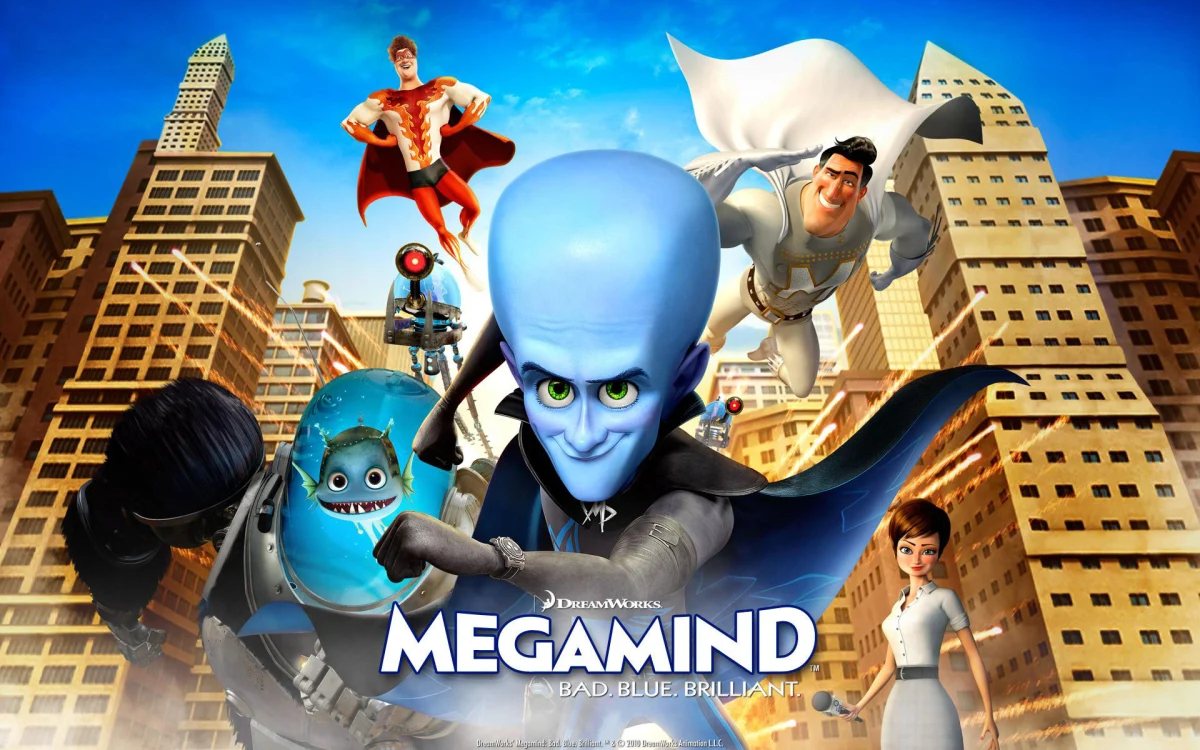

Megamind (2010): A Superhero Comedy with a Heart

madtechventures.com – Released in 2010, Megamind is an animated superhero comedy produced by DreamWorks Animation and directed by Tom McGrath. The film stood out in a crowded landscape of superhero-themed media by flipping the traditional narrative of the battle between heroes and villains. Instead of following the typical superhero story where the villain is defeated and the hero prevails, Megamind focuses on a supervillain who undergoes a transformation, leading to a fresh and humorous take on the classic superhero genre. With its witty humor, unique character arcs, and thought-provoking themes, Megamind quickly became a standout film in the world of animation.

In this article, we will dive deep into the plot, characters, themes, reception, and legacy of Megamind, exploring what makes it such a beloved and innovative film in the realm of animated superhero films.

Plot Overview: The Rise and Fall of Megamind

The Origin of Megamind

The story of Megamind is told from the perspective of the villain, Megamind (voiced by Will Ferrell), who recounts his rise to power as a supervillain in the fictional city of Metro City. Born on the same day as his heroic rival, Metro Man (voiced by Brad Pitt), Megamind’s life began in a rather unusual way. Both Megamind and Metro Man were sent to Earth as babies from different planets, with Megamind landing in a prison while Metro Man ended up in a wealthy, loving home. The contrast in their upbringings set the stage for their future roles: while Metro Man grew up to be the beloved, heroic protector of Metro City, Megamind’s early experiences led him down a path of mischief and villainy.

As Megamind grew older, his skills with technology and his natural intelligence turned him into a brilliant but misunderstood villain. He constantly clashed with Metro Man, who effortlessly defeated him at every turn, cementing Megamind’s status as the perennial villain. Despite his intelligence and determination, Megamind was often seen as a comic figure—a supervillain who couldn’t quite catch a break.

The Turning Point: The Defeat of Metro Man

The film takes a surprising turn when Megamind, in an unexpected moment of success, finally defeats his long-time rival, Metro Man. After capturing Metro Man and seemingly eliminating him from the scene, Megamind is left with a city that no longer has a hero to protect it. At first, he revels in his victory, assuming the role of the city’s ruler. However, he soon finds that ruling Metro City is not as fulfilling as he expected. Without a worthy adversary, Megamind feels bored and aimless, realizing that his entire identity had been defined by his rivalry with Metro Man.

In his newfound sense of powerlessness, Megamind embarks on a new mission: to create a new superhero who could challenge him and give him the purpose he craves. To this end, he chooses Hal Stewart (voiced by Jonah Hill), a camera operator at a local news station, as the new “hero.” Hal is a hapless and socially awkward individual who, after being transformed by Megamind into the super-powered character Titan, becomes a reluctant, less-than-heroic counterpart to Megamind.

The Transformation: From Villain to Hero

As Titan’s powers grow, it quickly becomes clear that Hal’s character is not suited for the responsibility of being a hero. Instead of using his powers for good, Hal becomes increasingly corrupt, and his antics threaten the safety of the city. Megamind, who initially saw Titan as a tool to restore the balance between good and evil, now finds himself facing the consequences of his creation. In a surprising twist, Megamind decides that the only way to save Metro City is by embracing the role of the hero himself.

In a climactic turn of events, Megamind redefines his identity, transforming from the supervillain everyone feared into the unexpected hero who must confront his own creation, Titan, and save the city. Alongside his loyal sidekick, Minion (voiced by David Cross), Megamind uses his intellect, creativity, and newfound sense of purpose to defeat Titan and restore order to Metro City.

Ultimately, Megamind’s journey is about redemption and self-discovery. By stepping into the role of the hero, he learns that heroism is not about power or glory but about responsibility, kindness, and the choice to do what’s right. The film ends with Megamind fully embracing his new identity as a hero, having earned the respect and admiration of Metro City.

Main Characters

Megamind

The central character of the film, Megamind is a supervillain who experiences a remarkable transformation throughout the story. Voiced by Will Ferrell, Megamind is portrayed as both comically evil and genuinely sympathetic, a character who is misunderstood and ultimately seeks redemption. His personality combines intelligence, wit, and a tendency for grandiose schemes. As the villain, Megamind is a tragic figure who struggles to find meaning in his life after achieving his ultimate goal: defeating Metro Man. His arc is one of self-discovery, as he learns that being a hero requires more than just power—it requires heart, integrity, and the willingness to change.

Metro Man

Metro Man (voiced by Brad Pitt) is Megamind’s long-time nemesis and the beloved hero of Metro City. With powers similar to those of Superman—super strength, flight, and invulnerability—Metro Man is everything that Megamind wishes he could be. Throughout the film, Metro Man’s character is initially seen as the quintessential hero, but it is later revealed that he is somewhat tired of his role and, in fact, has faked his death to escape the responsibilities of being Metro City’s protector. His departure creates an unexpected void in the city, which sets Megamind on his path to becoming the unlikely hero.

Roxanne Ritchi

Roxanne Ritchi (voiced by Tina Fey) is a local news reporter and the love interest of Megamind, though she initially holds a strong disdain for him due to his villainous acts. She serves as a foil to Megamind’s character, embodying the qualities of a classic heroine: brave, intelligent, and empathetic. Throughout the film, Roxanne’s relationship with Megamind evolves, and she eventually sees the potential for goodness within him. Her role is essential in shaping Megamind’s redemption, as she challenges his perceptions and helps him find the courage to change.

Titan (Hal Stewart)

Hal Stewart, who becomes the villainous Titan (voiced by Jonah Hill), is a significant antagonist in the story. Hal is a mild-mannered, self-absorbed man who is given powers by Megamind. However, instead of using his powers for good, Hal quickly becomes arrogant and selfish, demonstrating the consequences of granting power to someone unworthy of it. Titan’s character serves as a stark contrast to Megamind’s eventual evolution, showing the dangers of unchecked ambition and the importance of choosing to use power responsibly.

Minion

Minion (voiced by David Cross) is Megamind’s loyal sidekick and companion, a fish-like creature who is often seen in a mechanical suit. Minion serves as a constant source of support and wisdom for Megamind, often offering advice and encouragement during his moments of doubt. While Megamind is the brains of their partnership, Minion is the heart, always striving to help his friend find his true purpose. Minion’s loyalty and dedication to Megamind make him one of the most endearing characters in the film.

Themes: Identity, Redemption, and Choice

The Search for Identity

One of the key themes in Megamind is the search for identity. Megamind’s journey is deeply tied to his need to find out who he truly is beyond his status as a villain. At the start of the film, Megamind only knows how to be the villain; it’s all he’s ever known. However, as he defeats Metro Man and is left to rule the city, he realizes that a life without purpose or a worthy adversary is hollow. Megamind’s ultimate self-discovery comes when he accepts that heroism is not about fighting for power or control but about doing the right thing for the greater good.

Redemption and the Power of Choice

The theme of redemption is central to Megamind’s character arc. Having spent much of his life as a villain, Megamind comes to understand that he has the power to change. His decision to take on the role of the hero in Metro City and stop Titan’s rampage is a powerful statement about the possibility of redemption, regardless of one’s past mistakes. The film emphasizes that heroism is a choice, and that anyone, even a former villain, can choose to be good and make a positive impact on the world.

The Dangers of Power

Megamind also explores the dangers of power and the responsibility that comes with it. Titan, who is given immense power by Megamind, quickly descends into corruption, using his abilities for selfish gain. This serves as a cautionary tale about how power, without the right values and intentions, can lead to destruction. The film contrasts Megamind’s eventual heroism with Titan’s abuse of power, showing that true strength comes from integrity, not from domination or control.

Animation and Visual Style

Megamind features vibrant and imaginative animation, with striking character designs and visually dynamic action sequences. The film uses bright colors and bold contrasts to depict the characters’ personalities and the world of Metro City. The action scenes, particularly those involving Megamind and Titan’s superpowers, are fast-paced and full of energy, offering visual spectacle alongside the film’s emotional depth.

The design of Megamind himself, with his oversized blue head and large, expressive eyes, is iconic and distinctive, making him one of the most visually unique animated characters in recent years. The animation team employed cutting-edge technology to create visually stunning sequences that add to the film’s appeal for audiences of all ages.

Reception and Legacy

Upon its release, Megamind was met with positive reviews from both critics and audiences. It grossed over $320 million worldwide and was praised for its clever subversion of superhero tropes, as well as its humorous and heartwarming storytelling. Will Ferrell’s performance as Megamind was widely lauded, and the film’s exploration of identity and redemption resonated with viewers of all ages.

While Megamind did not spawn a direct sequel, it remains a beloved film in the world of animated superhero stories. Its unique take on the hero-villain dynamic, as well as its thoughtful themes about choice, redemption, and identity, have ensured its place as a standout animated feature in the 2010s.

Conclusion: A Supervillain’s Journey to Redemption

Megamind stands as a unique and memorable addition to the superhero genre, offering a fresh and comedic twist on familiar tropes. By focusing on a villain who learns to embrace the role of a hero, the film provides a thought-provoking exploration of redemption, identity, and the power of choice. With its strong performances, clever writing, and striking animation, Megamind continues to be a fan-favorite that stands the test of time. Through Megamind’s journey, we are reminded that anyone can change, and that even a supervillain has the potential to be a hero.

Texas City: A Growing Hub in the Heart of Texas

madtechventures.com – Texas City, located in Galveston County, is a rapidly expanding industrial city on the Gulf Coast of Texas. Known for its strategic location, rich history, and economic significance, Texas City is one of the state’s most important ports and industrial centers. The city continues to grow both economically and in population, making it a vital part of the state’s development.

Historical Significance

Founded in the late 19th century, Texas City was originally envisioned as a deepwater port to rival Galveston. Over the years, it became a central player in Texas’ booming oil and chemical industries. Texas City is also remembered for the devastating Texas City Disaster of 1947, one of the largest industrial accidents in U.S. history, which reshaped safety regulations for the chemical industry.

Economic Growth and Industry

Texas City’s economy is heavily reliant on the oil, petrochemical, and maritime industries. The city is home to some of the largest oil refineries and chemical plants in the world, contributing to the region’s status as a major player in global energy markets. The Texas City Industrial Complex continues to be a key contributor to the city’s economic growth, providing jobs and boosting the local economy.

Education and Community

Education in Texas City is served by the Texas City Independent School District, which has seen expansions in recent years due to population growth. The city offers a variety of educational programs, as well as partnerships with local colleges to provide higher education opportunities for its residents.

The community is diverse and vibrant, with a range of recreational activities, parks, and cultural events that contribute to the quality of life. Texas City offers both its residents and visitors a mix of urban amenities and natural beauty, including access to the nearby beaches of Galveston.

Future Outlook

Texas City’s future remains bright as it continues to attract businesses and residents alike. The ongoing expansion of the Port of Texas City and the steady growth of the industrial sector promise to secure the city’s place as a major economic force in Texas and beyond. As the city develops, it is expected to continue its efforts in modernizing infrastructure, improving environmental practices, and providing a high quality of life for its residents.

Conclusion

Texas City stands as a cornerstone of Texas’ industrial power, with a rich history and a promising future. Its combination of economic strength, industrial prowess, and community development ensures that it will remain an important city in the Gulf Coast region for years to come.