John Wick: Keanu Reeves Returns as the Titular Assassin

madtechventures.com – The John Wick franchise has become one of the most iconic action movie series of the 21st century. With its intense fight choreography, world-building, and Keanu Reeves’ iconic portrayal of the titular assassin, the franchise has garnered a massive fanbase and critical acclaim. Following the success of the previous chapters, John Wick: Chapter 4 had a lot to live up to, and it did so in spectacular fashion. Directed by Chad Stahelski, who co-directed the first three films with David Leitch, Chapter 4 continues the story of the ruthless hitman John Wick, delving deeper into the shadowy underworld of assassins, betrayal, and retribution.

Keanu Reeves returns as the legendary assassin in this thrilling fourth installment, taking the action and emotional stakes to even higher levels. The film continues to explore Wick’s quest for vengeance, loyalty, and ultimately, freedom, all while delivering some of the most breathtaking action sequences in recent cinematic history. But it’s not just the action that sets John Wick: Chapter 4 apart—it’s also the character development, world-building, and exploration of the consequences of a life lived in violence.

In this article, we will delve into the storyline, character arcs, and key elements that make John Wick: Chapter 4 a standout action film. We will also explore the contributions of Keanu Reeves, director Chad Stahelski, and the creative team that brought this explosive sequel to life.

A Look Back: The Evolution of John Wick

Before diving into Chapter 4, it’s important to take a moment to reflect on the evolution of John Wick as a character and the progression of the series.

The original John Wick (2014) introduced audiences to a retired assassin seeking vengeance against those who wronged him. When a group of Russian mobsters steal his car and kill his dog, a final gift from his late wife, Wick reenters the underworld he left behind. What follows is an unrelenting tale of vengeance and action, with some of the most memorable fight scenes in modern cinema. The film’s success was largely attributed to its unique take on the assassin genre, blending precise choreography with an emotional backstory for Wick, played by Keanu Reeves.

In John Wick: Chapter 2 (2017), the stakes were raised as Wick was forced to honor a blood oath and kill once again, leading to an escalating conflict with the criminal syndicate known as the High Table. This sequel expanded on the world introduced in the first film, exploring the assassin network’s rules and customs. It also introduced the concept of the Continental, a hotel that serves as neutral ground for assassins, and further cemented the franchise’s world-building.

John Wick: Chapter 3 – Parabellum (2019) pushed the action to new extremes, with Wick being declared “excommunicado” after violating the rules of the Continental. As he evades numerous assassination attempts, Wick seeks a way to get back into the good graces of the High Table, all while being hunted by the world’s deadliest killers. The film ended on a cliffhanger, with Wick surviving an attempt on his life and vowing to take down the High Table once and for all.

With John Wick: Chapter 4, the series takes its most ambitious step yet, offering fans a deeper dive into Wick’s quest for freedom and redemption while escalating the stakes to an unprecedented level.

The Plot: A Final Stand for Freedom

John Wick: Chapter 4 picks up immediately after the events of Parabellum, with John Wick wounded and on the run. Following the collapse of his alliance with the Continental, Wick finds himself at war with the High Table, the shadowy organization that rules the world’s assassins. After escaping New York City, Wick seeks a way to challenge the High Table’s authority, hoping to find a path to freedom. He is relentlessly pursued by assassins from around the world, with every step furthering the rift between him and his former allies.

Wick’s journey in this chapter takes him to multiple international locations, including Paris, Berlin, and Japan, as he seeks a way to strike at the heart of the High Table. Throughout the film, Wick forms alliances with former colleagues, such as the enigmatic Tracker (Shamier Anderson), a skilled assassin with his own motivations, and the Bowery King (Laurence Fishburne), who was left wounded but emboldened by his desire for revenge against the High Table.

At the heart of Chapter 4 is Wick’s pursuit of peace. He wants to escape the violence that has defined his life, but the High Table’s grip on him seems unrelenting. As he gets closer to his goal, Wick must confront his own moral code, the relationships he’s built over the years, and the emotional toll of his past actions.

The film’s pacing is relentless, with intense action sequences punctuating moments of emotional reflection. Wick is faced with a moral dilemma: can he ever truly be free from the life of assassination, or is he doomed to continue the cycle of violence until his inevitable demise? The stakes are raised as Wick realizes that his quest for vengeance and redemption comes at a cost—not just for him, but for those he cares about.

John Wick: Chapter 4 is not just a story of action and violence—it’s a tale of survival, sacrifice, and the human cost of living a life of bloodshed.

Keanu Reeves: The Iconic Assassin

Keanu Reeves has become synonymous with the character of John Wick, and Chapter 4 is no exception. His portrayal of the titular assassin is both physical and emotional, bringing depth to a character who might otherwise be defined by his combat skills and revenge-driven motives.

Reeves’ commitment to the role is apparent in every scene. His training for the fight sequences is legendary, as he performs most of his stunts and fight choreography himself, showcasing his remarkable physicality and dedication to making each action scene as authentic as possible. From hand-to-hand combat to gunplay, Reeves brings a level of intensity and realism to the role that has become a hallmark of the John Wick series.

However, it’s not just the action that makes Reeves’ performance stand out. In Chapter 4, John Wick is pushed to the edge both physically and emotionally. Reeves captures Wick’s exhaustion, grief, and internal conflict with subtlety and nuance, showing that behind the cold, calculating assassin is a man who yearns for peace. His emotional journey in this film is as compelling as the physical battles he faces, making John Wick a tragic figure who is ultimately defined by the choices he makes in his pursuit of freedom.

Keanu Reeves’ portrayal of John Wick has become iconic, and Chapter 4 proves once again why he is one of the best actors to ever bring an action hero to life.

Action Sequences: An Unmatched Visual Feast

One of the defining features of the John Wick series is its choreography, and Chapter 4 takes this to new heights. The film is packed with some of the most jaw-dropping action sequences ever committed to film, with each set piece more ambitious and inventive than the last. From hand-to-hand combat in tight, confined spaces to larger-than-life shootouts, the action in Chapter 4 is meticulously staged and executed with precision.

Chad Stahelski, who has directed all four John Wick films, has an unparalleled understanding of what makes an action sequence impactful. The fights in Chapter 4 are fast, fluid, and often feature long takes that allow the audience to appreciate the skill and choreography involved. The film also employs a diverse range of action styles, including martial arts, close-quarters combat, and vehicular chases, ensuring that the film never feels repetitive.

One of the standout action sequences in Chapter 4 takes place in Paris, where Wick faces off against a myriad of enemies in the shadow of the Eiffel Tower. The choreography in this scene is stunning, with multiple layers of conflict unfolding at once, all while the camera remains fluid and steady, capturing every moment in real-time.

Additionally, Chapter 4 introduces new, creative elements to its action scenes, including the use of unique weapons, environmental interactions, and innovative cinematography. These moments not only serve to entertain but also enhance the emotional stakes, as each battle becomes a reflection of Wick’s inner turmoil and his determination to survive.

The World-Building: Expanding the Assassin Universe

One of the most unique aspects of the John Wick franchise is its intricate world-building. The films have established a hidden, rules-bound underworld of assassins and criminals that exists just beneath the surface of the real world. In Chapter 4, this world expands even further, revealing new factions, characters, and locations.

The film introduces new characters, such as the mysterious Tracker (Shamier Anderson) and the formidable Marquis (Bill Skarsgård), a High Table member with his own sinister agenda. The expansion of the High Table’s influence adds layers of complexity to the story, making it clear that the battle for freedom is not just about Wick and his allies—it’s a larger fight against a powerful, corrupt system.

The film also delves deeper into the rules and customs of the assassin world, exploring the power dynamics, allegiances, and betrayals that define the underworld. The Continental and its operations continue to be a central part of the narrative, and new locations, such as a luxurious hotel in Japan, add new dimensions to the universe.

As the John Wick series progresses, the world becomes increasingly intricate and immersive, making Chapter 4 feel like a natural evolution of the franchise’s lore.

Themes: Redemption, Loyalty, and Sacrifice

At its core, John Wick: Chapter 4 is not just about action—it’s a story of redemption, loyalty, and sacrifice. Wick’s journey is one of survival, but also of introspection. As he navigates his way through a world filled with betrayal and violence, he must confront the choices he’s made and the people he’s lost. His quest for peace and freedom is fraught with moral dilemmas, and the film explores the consequences of living a life defined by violence.

The theme of loyalty runs throughout the film, as Wick forms alliances with those who share his desire to bring down the High Table. Characters like the Bowery King and Tracker demonstrate the power of loyalty and camaraderie in a world where trust is hard to come by. Yet, the film also shows that loyalty can be a double-edged sword, as characters are forced to make difficult decisions that come with personal costs.

Ultimately, John Wick: Chapter 4 is about the price of freedom. Can Wick ever truly escape the cycle of violence that has defined his life, or is he forever bound to his past? The film grapples with the notion of destiny versus choice, highlighting the internal conflict that drives its hero forward.

Conclusion: An Action Masterpiece and a Fitting Continuation

John Wick: Chapter 4 is a triumph of action cinema, combining thrilling choreography, emotional depth, and world-building to deliver a standout sequel in the John Wick saga. Keanu Reeves once again proves why he is the perfect actor to bring this iconic character to life, and Chad Stahelski’s direction elevates the action to new heights.

With a compelling story, unforgettable fight sequences, and a conclusion that leaves audiences craving more, John Wick: Chapter 4 solidifies its place as one of the best action films of recent years. Whether or not this is the final chapter in John Wick’s saga, it’s clear that this film will go down as one of the most exhilarating and poignant entries in the genre.

Sing (2016): A Musical Journey of Dreams, Determination

madtechventures.com – In 2016, Illumination Entertainment released Sing, a dazzling and heartwarming animated musical that captivated audiences with its vibrant characters, catchy tunes, and feel-good story about the pursuit of dreams. Directed and written by Garth Jennings, Sing brought together a talented voice cast and an eclectic soundtrack to tell the story of a group of anthropomorphic animals competing in a singing contest. The film not only showcased the power of music but also emphasized the importance of perseverance, self-discovery, and friendship. With its universal themes and high-energy performances, Sing became an international hit, earning over $634 million at the box office and becoming a beloved favorite among audiences of all ages.

This article explores the plot, characters, themes, animation, and the cultural impact of Sing, highlighting how the film resonated with viewers and showcased the magic of music and the power of chasing one’s dreams.

Plot Overview: A Singing Competition That Changes Lives

Sing is set in a bustling city populated by anthropomorphic animals, where Buster Moon (voiced by Matthew McConaughey), a koala who runs a struggling theater, is desperately trying to save his beloved establishment from closing. Buster, who inherited the theater from his father, has always loved the stage and believes that the magic of live performances can inspire and entertain. However, the theater is in dire financial trouble, and Buster is at risk of losing it due to mounting debts.

In a last-ditch effort to save the theater, Buster decides to host a singing competition, offering a grand prize of $1,000. However, due to a printing error made by his elderly assistant, Miss Crawly (voiced by Garth Jennings), the flyers mistakenly advertise the prize as $100,000. This mistake leads to an overwhelming response, as animals from all walks of life flock to audition, hoping to win the life-changing prize money.

The auditions attract a colorful group of contestants, each with their own dreams and challenges. Among the hopefuls are:

  • Rosita (voiced by Reese Witherspoon), a stay-at-home mother and pig who dreams of reigniting her passion for singing after years of dedicating herself to her family.
  • Johnny (voiced by Taron Egerton), a teenage gorilla who struggles to escape the shadow of his criminal family and yearns to pursue his love for music.
  • Ash (voiced by Scarlett Johansson), a punk-rock porcupine who is trying to find her own voice after a painful breakup with her egotistical boyfriend.
  • Meena (voiced by Tori Kelly), a shy and introverted elephant with a powerful voice but crippling stage fright.
  • Mike (voiced by Seth MacFarlane), a smooth-talking, arrogant mouse with a talent for crooning jazz standards but a penchant for getting into trouble.
  • Gunter (voiced by Nick Kroll), a flamboyant and eccentric pig who loves to dance and perform, and who becomes Rosita’s enthusiastic partner.

As the competition progresses, the characters form unlikely friendships, face personal obstacles, and learn valuable lessons about self-confidence, perseverance, and following their passions. Despite Buster’s initial focus on saving the theater, the contest ultimately becomes a journey of self-discovery for everyone involved, including Buster himself. The film’s climax features a heartwarming and triumphant final performance that highlights the transformative power of music and the importance of believing in oneself.

Key Characters: A Diverse Ensemble of Dreamers

Buster Moon – The Optimistic Theater Owner

At the heart of Sing is Buster Moon, a charismatic and ever-optimistic koala with a deep love for the theater. Despite his financial struggles, Buster refuses to give up on his dream of keeping his theater alive. His relentless determination and unwavering belief in the power of live performances drive the plot forward, as he embarks on the ambitious project of hosting the singing competition.

Buster’s character represents the idea that passion and hard work can overcome even the toughest of obstacles. While he initially views the competition as a way to save his theater, Buster grows throughout the film, learning that success is not just about money, but about the impact of art on people’s lives. His resilience and boundless optimism make him a lovable and inspirational character.

Rosita – The Devoted Mother Rediscovering Her Passion

Rosita is a stay-at-home pig who is overwhelmed by the demands of caring for her 25 piglets and managing household chores. Though she loves her family, Rosita feels unappreciated and longs to rekindle her love for singing, which she gave up when she became a mother. Rosita’s journey in the film is about finding her voice again and realizing that it’s never too late to pursue her dreams.

Rosita’s partnership with Gunter in the competition allows her to break free from her monotonous routine and rediscover the joy of performing. Her character highlights the theme of balancing personal aspirations with familial responsibilities, and her triumphant performance in the final show symbolizes her reclaiming her identity as both a mother and a performer.

Johnny – The Gorilla with a Heart of Gold

Johnny is a teenage gorilla who dreams of becoming a singer, but he is trapped in a life of crime, as his father leads a gang of bank robbers. Johnny’s struggle to reconcile his love for music with his family’s criminal expectations forms one of the most emotionally resonant storylines in the film. His father’s disapproval and the pressure to follow in his footsteps weigh heavily on Johnny, but his passion for music drives him to pursue the competition.

Johnny’s character arc is one of self-empowerment and courage, as he ultimately chooses to follow his heart and stand up for what he truly wants in life. His soulful rendition of Elton John’s “I’m Still Standing” in the final performance serves as a powerful declaration of his independence and resilience.

Ash – The Punk-Rock Porcupine

Ash is a rebellious porcupine with a love for rock music, but she finds herself overshadowed by her self-centered boyfriend, Lance, who refuses to acknowledge her talent. After their breakup, Ash begins to explore her own musical identity, moving away from the acoustic ballads she performed with Lance and embracing her true passion for punk rock.

Ash’s journey is one of self-expression and empowerment, as she learns to trust her instincts and embrace her individuality. Her performance of the original song “Set It All Free” is a standout moment in the film, symbolizing her breaking free from the constraints of her past and stepping into the spotlight on her own terms.

Meena – The Shy Elephant with a Big Voice

Meena is a sweet-natured but painfully shy elephant with an incredible singing voice. Despite her talent, Meena’s stage fright prevents her from auditioning for the competition, and she spends much of the film grappling with her fear of performing in front of an audience. Her journey is one of overcoming self-doubt and finding the courage to share her gift with the world.

Meena’s character resonates with anyone who has ever struggled with confidence or anxiety. Her final performance, in which she delivers a powerful rendition of Leonard Cohen’s “Hallelujah,” is a moving moment that showcases the transformative power of overcoming one’s fears.

Mike – The Ambitious Crooner

Mike is a small but confident mouse with a big voice and an even bigger ego. He is a jazz singer with a flair for showmanship, but his arrogance often gets him into trouble. Throughout the film, Mike’s cocky attitude leads him to make some poor decisions, particularly when he becomes entangled with dangerous gangsters after cheating at cards.

While Mike’s character provides much of the film’s comic relief, his storyline also serves as a cautionary tale about the dangers of greed and arrogance. Despite his missteps, Mike’s undeniable talent shines through in his performances, and he ultimately learns valuable lessons about humility and teamwork.

Themes: Perseverance, Self-Discovery, and the Power of Music

Perseverance in the Face of Adversity

One of the central themes of Sing is the importance of perseverance, especially when faced with obstacles and setbacks. Every character in the film encounters challenges that test their resolve, whether it’s Buster’s financial troubles, Johnny’s family pressures, or Meena’s stage fright. The film emphasizes that success is not just about talent but also about the willingness to keep going, even when the odds are stacked against you.

Buster’s journey, in particular, embodies the theme of perseverance. Despite numerous setbacks, including the collapse of his theater, Buster refuses to give up on his dream. His resilience and determination serve as an inspiration to the other characters and to the audience.

Self-Discovery and Embracing Individuality

Each character in Sing embarks on a journey of self-discovery, learning to embrace their unique talents and passions. For Rosita, it’s about rediscovering her love for performing after years of being a dedicated mother. For Johnny, it’s about breaking free from his family’s expectations and pursuing his own dreams. For Ash, it’s about finding her voice and embracing her individuality as a musician.

The film celebrates the idea that everyone has something special to offer, and that true fulfillment comes from embracing who you are and following your passions.

The Power of Music

At its core, Sing is a celebration of the power of music to bring people together, heal wounds, and inspire change. Music serves as the catalyst for the characters’ transformations, helping them overcome their fears, insecurities, and challenges. Whether it’s Rosita finding joy in dancing again, Johnny gaining the confidence to stand up to his father, or Meena overcoming her stage fright, music plays a pivotal role in each character’s journey.

The film’s diverse soundtrack, featuring songs from various genres and eras, highlights the universal appeal of music and its ability to connect people from different walks of life.

Animation: A Colorful and Lively World

The animation in Sing is vibrant and visually engaging, bringing to life the bustling cityscape and the diverse cast of characters. The animal characters are designed with attention to detail, reflecting their personalities through their physical traits and movements. The city itself is a lively, energetic backdrop, full of colorful settings that range from Buster’s theater to the bustling streets.

The musical performances are a visual highlight of the film, with dynamic choreography, lighting, and staging that elevate the energy of the songs. Each performance is crafted to reflect the personality and style of the character, adding depth to the storytelling through visual design.

Conclusion: A Heartwarming and Uplifting Musical Journey

Sing (2016) is a heartwarming and uplifting animated film that combines humor, music, and emotion to deliver a powerful message about the importance of following your dreams, no matter the obstacles. With its engaging characters, catchy soundtrack, and universal themes of perseverance, self-discovery, and the transformative power of music, Sing resonated with audiences of all ages and became a beloved entry in Illumination Entertainment’s filmography.

The film’s success at the box office and its positive reception from critics and viewers alike led to the release of a sequel, Sing 2 (2021), which continued the characters’ musical journeys. Ultimately, Sing is a celebration of the magic of performance, the joy of music, and the courage it takes to step into the spotlight and share your voice with the world.

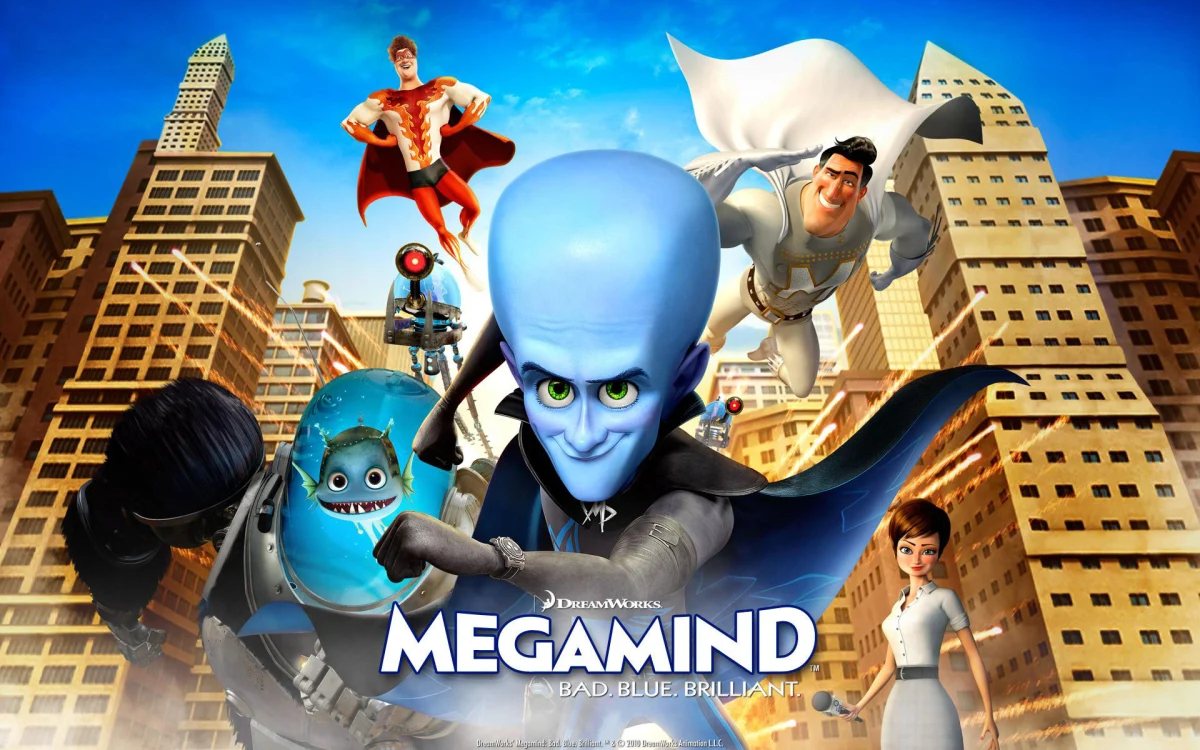
Megamind (2010): A Superhero Comedy with a Heart

madtechventures.com – Released in 2010, Megamind is an animated superhero comedy produced by DreamWorks Animation and directed by Tom McGrath. The film stood out in a crowded landscape of superhero-themed media by flipping the traditional narrative of the battle between heroes and villains. Instead of following the typical superhero story where the villain is defeated and the hero prevails, Megamind focuses on a supervillain who undergoes a transformation, leading to a fresh and humorous take on the classic superhero genre. With its witty humor, unique character arcs, and thought-provoking themes, Megamind quickly became a standout film in the world of animation.

In this article, we will dive deep into the plot, characters, themes, reception, and legacy of Megamind, exploring what makes it such a beloved and innovative film in the realm of animated superhero films.

Plot Overview: The Rise and Fall of Megamind

The Origin of Megamind

The story of Megamind is told from the perspective of the villain, Megamind (voiced by Will Ferrell), who recounts his rise to power as a supervillain in the fictional city of Metro City. Born on the same day as his heroic rival, Metro Man (voiced by Brad Pitt), Megamind’s life began in a rather unusual way. Both Megamind and Metro Man were sent to Earth as babies from different planets, with Megamind landing in a prison while Metro Man ended up in a wealthy, loving home. The contrast in their upbringings set the stage for their future roles: while Metro Man grew up to be the beloved, heroic protector of Metro City, Megamind’s early experiences led him down a path of mischief and villainy.

As Megamind grew older, his skills with technology and his natural intelligence turned him into a brilliant but misunderstood villain. He constantly clashed with Metro Man, who effortlessly defeated him at every turn, cementing Megamind’s status as the perennial villain. Despite his intelligence and determination, Megamind was often seen as a comic figure—a supervillain who couldn’t quite catch a break.

The Turning Point: The Defeat of Metro Man

The film takes a surprising turn when Megamind, in an unexpected moment of success, finally defeats his long-time rival, Metro Man. After capturing Metro Man and seemingly eliminating him from the scene, Megamind is left with a city that no longer has a hero to protect it. At first, he revels in his victory, assuming the role of the city’s ruler. However, he soon finds that ruling Metro City is not as fulfilling as he expected. Without a worthy adversary, Megamind feels bored and aimless, realizing that his entire identity had been defined by his rivalry with Metro Man.

In his newfound sense of powerlessness, Megamind embarks on a new mission: to create a new superhero who could challenge him and give him the purpose he craves. To this end, he chooses Hal Stewart (voiced by Jonah Hill), a camera operator at a local news station, as the new “hero.” Hal is a hapless and socially awkward individual who, after being transformed by Megamind into the super-powered character Titan, becomes a reluctant, less-than-heroic counterpart to Megamind.

The Transformation: From Villain to Hero

As Titan’s powers grow, it quickly becomes clear that Hal’s character is not suited for the responsibility of being a hero. Instead of using his powers for good, Hal becomes increasingly corrupt, and his antics threaten the safety of the city. Megamind, who initially saw Titan as a tool to restore the balance between good and evil, now finds himself facing the consequences of his creation. In a surprising twist, Megamind decides that the only way to save Metro City is by embracing the role of the hero himself.

In a climactic turn of events, Megamind redefines his identity, transforming from the supervillain everyone feared into the unexpected hero who must confront his own creation, Titan, and save the city. Alongside his loyal sidekick, Minion (voiced by David Cross), Megamind uses his intellect, creativity, and newfound sense of purpose to defeat Titan and restore order to Metro City.

Ultimately, Megamind’s journey is about redemption and self-discovery. By stepping into the role of the hero, he learns that heroism is not about power or glory but about responsibility, kindness, and the choice to do what’s right. The film ends with Megamind fully embracing his new identity as a hero, having earned the respect and admiration of Metro City.

Main Characters

Megamind

The central character of the film, Megamind is a supervillain who experiences a remarkable transformation throughout the story. Voiced by Will Ferrell, Megamind is portrayed as both comically evil and genuinely sympathetic, a character who is misunderstood and ultimately seeks redemption. His personality combines intelligence, wit, and a tendency for grandiose schemes. As the villain, Megamind is a tragic figure who struggles to find meaning in his life after achieving his ultimate goal: defeating Metro Man. His arc is one of self-discovery, as he learns that being a hero requires more than just power—it requires heart, integrity, and the willingness to change.

Metro Man

Metro Man (voiced by Brad Pitt) is Megamind’s long-time nemesis and the beloved hero of Metro City. With powers similar to those of Superman—super strength, flight, and invulnerability—Metro Man is everything that Megamind wishes he could be. Throughout the film, Metro Man’s character is initially seen as the quintessential hero, but it is later revealed that he is somewhat tired of his role and, in fact, has faked his death to escape the responsibilities of being Metro City’s protector. His departure creates an unexpected void in the city, which sets Megamind on his path to becoming the unlikely hero.

Roxanne Ritchi

Roxanne Ritchi (voiced by Tina Fey) is a local news reporter and the love interest of Megamind, though she initially holds a strong disdain for him due to his villainous acts. She serves as a foil to Megamind’s character, embodying the qualities of a classic heroine: brave, intelligent, and empathetic. Throughout the film, Roxanne’s relationship with Megamind evolves, and she eventually sees the potential for goodness within him. Her role is essential in shaping Megamind’s redemption, as she challenges his perceptions and helps him find the courage to change.

Titan (Hal Stewart)

Hal Stewart, who becomes the villainous Titan (voiced by Jonah Hill), is a significant antagonist in the story. Hal is a mild-mannered, self-absorbed man who is given powers by Megamind. However, instead of using his powers for good, Hal quickly becomes arrogant and selfish, demonstrating the consequences of granting power to someone unworthy of it. Titan’s character serves as a stark contrast to Megamind’s eventual evolution, showing the dangers of unchecked ambition and the importance of choosing to use power responsibly.

Minion

Minion (voiced by David Cross) is Megamind’s loyal sidekick and companion, a fish-like creature who is often seen in a mechanical suit. Minion serves as a constant source of support and wisdom for Megamind, often offering advice and encouragement during his moments of doubt. While Megamind is the brains of their partnership, Minion is the heart, always striving to help his friend find his true purpose. Minion’s loyalty and dedication to Megamind make him one of the most endearing characters in the film.

Themes: Identity, Redemption, and Choice

The Search for Identity

One of the key themes in Megamind is the search for identity. Megamind’s journey is deeply tied to his need to find out who he truly is beyond his status as a villain. At the start of the film, Megamind only knows how to be the villain; it’s all he’s ever known. However, as he defeats Metro Man and is left to rule the city, he realizes that a life without purpose or a worthy adversary is hollow. Megamind’s ultimate self-discovery comes when he accepts that heroism is not about fighting for power or control but about doing the right thing for the greater good.

Redemption and the Power of Choice

The theme of redemption is central to Megamind’s character arc. Having spent much of his life as a villain, Megamind comes to understand that he has the power to change. His decision to take on the role of the hero in Metro City and stop Titan’s rampage is a powerful statement about the possibility of redemption, regardless of one’s past mistakes. The film emphasizes that heroism is a choice, and that anyone, even a former villain, can choose to be good and make a positive impact on the world.

The Dangers of Power

Megamind also explores the dangers of power and the responsibility that comes with it. Titan, who is given immense power by Megamind, quickly descends into corruption, using his abilities for selfish gain. This serves as a cautionary tale about how power, without the right values and intentions, can lead to destruction. The film contrasts Megamind’s eventual heroism with Titan’s abuse of power, showing that true strength comes from integrity, not from domination or control.

Animation and Visual Style

Megamind features vibrant and imaginative animation, with striking character designs and visually dynamic action sequences. The film uses bright colors and bold contrasts to depict the characters’ personalities and the world of Metro City. The action scenes, particularly those involving Megamind and Titan’s superpowers, are fast-paced and full of energy, offering visual spectacle alongside the film’s emotional depth.

The design of Megamind himself, with his oversized blue head and large, expressive eyes, is iconic and distinctive, making him one of the most visually unique animated characters in recent years. The animation team employed cutting-edge technology to create visually stunning sequences that add to the film’s appeal for audiences of all ages.

Reception and Legacy

Upon its release, Megamind was met with positive reviews from both critics and audiences. It grossed over $320 million worldwide and was praised for its clever subversion of superhero tropes, as well as its humorous and heartwarming storytelling. Will Ferrell’s performance as Megamind was widely lauded, and the film’s exploration of identity and redemption resonated with viewers of all ages.

While Megamind did not spawn a direct sequel, it remains a beloved film in the world of animated superhero stories. Its unique take on the hero-villain dynamic, as well as its thoughtful themes about choice, redemption, and identity, have ensured its place as a standout animated feature in the 2010s.

Conclusion: A Supervillain’s Journey to Redemption

Megamind stands as a unique and memorable addition to the superhero genre, offering a fresh and comedic twist on familiar tropes. By focusing on a villain who learns to embrace the role of a hero, the film provides a thought-provoking exploration of redemption, identity, and the power of choice. With its strong performances, clever writing, and striking animation, Megamind continues to be a fan-favorite that stands the test of time. Through Megamind’s journey, we are reminded that anyone can change, and that even a supervillain has the potential to be a hero.

Big Hero 6 (2014): The World of Innovation and Friendship

madtechventures.com – Released in 2014, Big Hero 6 is a groundbreaking Disney animated film that seamlessly blends heartwarming storytelling with action-packed adventure and cutting-edge technology. Directed by Don Hall and Chris Williams, the film is loosely inspired by a Marvel Comics series of the same name and marks Disney’s first foray into the superhero genre. Combining the best elements of family films, superhero narratives, and emotional growth, Big Hero 6 quickly became a fan favorite and a critical success, winning the Academy Award for Best Animated Feature.

At its core, Big Hero 6 is not only about high-tech robots and daring rescues but also about the importance of family, dealing with grief, and learning how to turn tragedy into something positive. With its memorable characters, vibrant animation, and an unforgettable soundtrack, Big Hero 6 has become a modern classic in Disney’s animation legacy.

In this article, we will explore the plot, characters, themes, animation, and cultural impact of Big Hero 6 while discussing what makes it such a unique and enduring film.

The Plot: A Tale of Grief, Friendship, and Redemption

Set in the futuristic city of San Fransokyo, Big Hero 6 follows the story of Hiro Hamada, a young robotics prodigy who lives with his older brother, Tadashi, and their aunt, Cass. After Hiro’s life is shattered by a tragic event, he embarks on a journey that takes him from grief to healing, discovering a new sense of purpose along the way.

Hiro’s Genius and Loss

At the beginning of Big Hero 6, Hiro is introduced as a brilliant, but rebellious teenager with an unmatched talent for robotics. Instead of attending high school, Hiro spends his time participating in underground robot fighting tournaments. However, his brother Tadashi, who is a student at the prestigious San Fransokyo Institute of Technology, encourages him to focus on his academic talents and apply to the university.

Tadashi’s death in a devastating explosion shakes Hiro to his core. The loss of his brother leaves Hiro angry, isolated, and consumed by grief. In the aftermath of the tragedy, Hiro discovers that Tadashi’s personal invention, a healthcare robot named Baymax, survived the explosion. With Baymax by his side, Hiro begins to channel his grief into a new mission: uncovering the mystery behind the explosion and bringing those responsible to justice.

The Formation of Big Hero 6

As Hiro investigates further, he uncovers a dangerous plot involving a villain known as Yokai, who uses a powerful, stolen microbot technology. Hiro realizes that the microbots are connected to his own invention and are being used for destructive purposes. With the help of Baymax, Hiro assembles a group of Tadashi’s friends from the Institute—GoGo Tomago, Wasabi, Honey Lemon, and Fred—and forms the team known as Big Hero 6.

Together, the team of unlikely heroes must work together to stop Yokai and save San Fransokyo. Along the way, they learn the value of teamwork, friendship, and embracing their individual talents. Hiro, with Baymax’s guidance, discovers that by working through his grief and trusting in his friends, he can turn his pain into something powerful and positive.

The Characters: A Diverse and Relatable Team of Heroes

One of the standout features of Big Hero 6 is its diverse and multi-dimensional cast of characters. Each member of the team brings their own strengths and unique personalities, making them easy to relate to and care about. While the film centers on Hiro and Baymax, the supporting characters are just as integral to the story.

Hiro Hamada – The Young Genius

Hiro Hamada, voiced by Ryan Potter, is the 14-year-old robotics genius who finds himself struggling to cope with the tragic loss of his older brother, Tadashi. Hiro is a character driven by his intellect but also by his emotions. His journey throughout the film is one of maturity, as he learns how to use his talents for the greater good rather than for personal gain or revenge. Hiro’s character arc reflects the universal theme of healing and finding purpose after loss, making him one of the most relatable and compelling protagonists in modern Disney animation.

Baymax – The Caring Healthcare Companion

Baymax, voiced by Scott Adsit, is a lovable, inflatable robot created by Tadashi for healthcare purposes. With his soft, marshmallow-like appearance and helpful personality, Baymax quickly becomes the heart of the film. While initially designed to provide medical assistance, Baymax’s transformation into Hiro’s loyal companion and hero is both humorous and heartwarming. Baymax’s simple, yet profound, desire to help others and care for Hiro allows him to serve as a comforting presence in Hiro’s life during his time of grief.

Baymax’s famous catchphrase, “Are you satisfied with your care?” and his clumsy yet endearing behavior make him one of the most memorable and beloved characters in the film.

The Big Hero 6 Team – A Unique Group of Innovators

In addition to Hiro and Baymax, the film features a diverse group of talented young people who become part of the Big Hero 6 team. Each character brings their own unique skills to the table:

  • GoGo Tomago (voiced by Jamie Chung) is a fierce and determined engineer who specializes in speed and is known for her no-nonsense attitude. Her motorcycle-like suit and ability to manipulate disks make her an invaluable member of the team.
  • Wasabi (voiced by Damon Wayans Jr.) is a cautious and somewhat neurotic member of the team who specializes in lasers. Despite his anxious personality, Wasabi shows immense bravery when the team faces danger.
  • Honey Lemon (voiced by Genesis Rodriguez) is a cheerful and optimistic scientist who uses her intellect to create inventive gadgets for the team. Her kindness and intelligence make her a pivotal member of the group.
  • Fred (voiced by TJ Miller) is the quirky, comic-relief member of the team who has a passion for comics and an impressive (if somewhat eccentric) knowledge of superhero culture. His transformation into a superhero is both humorous and heartwarming.

Together, the members of Big Hero 6 form a team that exemplifies the power of collaboration, diverse skills, and overcoming personal challenges.

Themes: The Power of Friendship, Grief, and Innovation

Big Hero 6 explores several deep and meaningful themes, many of which resonate with both young and adult audiences. At its core, the film is about overcoming grief, the value of teamwork, and the importance of using one’s talents for good.

Grief and Healing

The central theme of Big Hero 6 is Hiro’s journey through grief. After losing his brother, Hiro initially channels his anger and pain into a desire for revenge. However, through his interactions with Baymax and his growing friendship with the Big Hero 6 team, Hiro begins to understand that healing involves letting go of that anger and using his talents for positive change. Baymax’s role as both a caregiver and a protector helps Hiro rediscover his sense of purpose and guides him through the difficult emotional process of coping with loss.

The Importance of Friendship and Teamwork

Another key theme in Big Hero 6 is the power of friendship and collaboration. Hiro could not have completed his mission without the help of his new friends, who each bring their own strengths and expertise to the table. The team’s ability to work together, trust one another, and support each other through difficult times is essential to their success. The film demonstrates that even the most brilliant minds are stronger when they unite with others who share their vision.

Innovation and Responsibility

Big Hero 6 also delves into the idea of using innovation and technology responsibly. Hiro’s genius is his greatest strength, but it is also what puts him at risk of losing his way. Tadashi’s invention of Baymax serves as a reminder that technology should be used for good—to help others and make the world a better place. As Hiro navigates his emotions and his relationship with his inventions, the film emphasizes the importance of using one’s abilities for the benefit of society rather than for personal gain.

Animation and Visual Style: A Stunning Blend of Technology and Heart

The animation in Big Hero 6 is groundbreaking, with the filmmakers combining traditional 2D animation techniques with cutting-edge 3D technology to create the futuristic city of San Fransokyo. The city itself is a vibrant blend of Japanese and American culture, with towering skyscrapers, neon lights, and winding streets that give it a distinct personality.

The character design is also a standout feature. Baymax’s inflatable, soft appearance contrasts sharply with the more angular, futuristic designs of the human characters and the high-tech gadgets used throughout the film. The animation team also made clever use of the characters’ emotions—especially Hiro’s—through expressive facial animations that bring the characters’ feelings to life in a deeply impactful way.

Legacy: A Modern Disney Classic

Big Hero 6 was a critical and commercial success, grossing over $657 million worldwide and winning several prestigious awards, including the Academy Award for Best Animated Feature. The film’s unique blend of superhero action, heartfelt storytelling, and memorable characters ensured its lasting place in Disney’s animated film legacy.

The film’s success also led to a television series, Big Hero 6: The Series, which further explores the adventures of Hiro and the Big Hero 6 team as they continue their work to protect San Fransokyo. The legacy of Big Hero 6 also lives on through its impact on the superhero genre in animation, as well as its ability to touch on important themes like grief, healing, and the responsibility that comes with innovation.

Conclusion: A Story for the Ages

Big Hero 6 is a film that transcends age and genre, offering a compelling and emotional journey for viewers of all ages. With its unforgettable characters, stunning animation, and universal themes, Big Hero 6 has earned its place as one of Disney’s most beloved and innovative films. It is a story about friendship, healing, and the power of innovation, reminding us all that even in the face of loss, we have the power to transform our pain into something meaningful and positive.

Fantasia (1940): Disney’s Bold Exploration of Art and Music

madtechventures.com – Fantasia (1940), one of Walt Disney’s most ambitious and innovative projects, remains one of the most unique films in cinematic history. Combining classical music with stunning animation, it is an experimental masterpiece that transcends the traditional format of animated films. A blend of visual art, symphonic music, and narrative imagination, Fantasia broke away from the conventional storytelling of previous Disney films like Snow White and the Seven Dwarfs and Pinocchio to create something completely different: a celebration of art, sound, and movement. Although it was initially met with mixed reactions, Fantasia would eventually become one of the most revered and influential animated works ever made.

The Creation of Fantasia: A Vision of Innovation

The creation of Fantasia was a bold step for Walt Disney and his studio, marking a desire to elevate animation beyond just entertainment for children into an art form that could be appreciated by audiences of all ages. Disney, always known for his desire to push boundaries, was determined to create something new that would challenge the limitations of animation and film.

Walt Disney’s Vision

Walt Disney had long been fascinated by the potential of animation to tell more abstract and complex stories. He believed that animation could be more than just characters and stories—it could be a medium for artistic expression. Inspired by the possibilities of combining music with animation, Disney wanted to bring classical music to the masses in an accessible, visual format. To achieve this, he decided to create an animated film that would consist of several segments, each set to a different piece of classical music.

The idea for Fantasia was rooted in a desire to blend two powerful forms of art: music and animation. Disney enlisted the help of conductor Leopold Stokowski and the Philadelphia Orchestra to bring the musical portions of the film to life. The collaboration between Disney, Stokowski, and the orchestra would be essential in blending the movements of the orchestra with the visual elements of the animation.

The Birth of the Concept

Initially, Fantasia was meant to be a one-off short film. However, the project grew beyond Disney’s expectations, eventually becoming a full-length feature. Disney sought to experiment with multiple styles of animation, with each sequence intended to interpret the music in a unique way. From the start, the film was designed as a symphonic concert rather than a conventional narrative. The idea was not to tell a single story, but to create a sensory experience that would allow audiences to immerse themselves in the beauty of classical music and animation.

Fantasia was released in 1940, featuring eight distinct musical sequences, each accompanied by a different piece of classical music, chosen specifically to suit the animation. The sequences vary in tone and style, with some telling stories, while others focus more on visual experimentation.

The Structure of Fantasia: A Symphony in Animation

Unlike typical animated films, which usually have a linear plot, Fantasia is divided into segments, each one showcasing a different piece of classical music paired with an abstract or narrative animation. Some segments feature characters and stories, while others are more interpretive in nature, providing a visual experience that corresponds to the music. The musical pieces chosen for the film are all classical compositions, many by well-known composers, such as Johann Sebastian Bach, Pyotr Ilyich Tchaikovsky, Igor Stravinsky, and Ludwig van Beethoven.

“Toccata and Fugue in D Minor” (Bach)

The film opens with Johann Sebastian Bach’s “Toccata and Fugue in D Minor”, a composition known for its dramatic intensity. This abstract sequence of swirling patterns, geometric shapes, and vibrant colors set against the music marks the beginning of the experimental nature of the film. It does not tell a story in the traditional sense; rather, it presents the music itself through abstract imagery, offering a visual interpretation of Bach’s complex composition.

This segment was groundbreaking because it was one of the first times in cinema that music was visually represented in such an abstract form, rather than accompanying a narrative or dialogue. The animation was intended to evoke the emotional intensity and complexity of Bach’s music, allowing the audience to experience the music in a completely new way.

“The Nutcracker Suite” (Tchaikovsky)

Next, the film transitions to Pyotr Ilyich Tchaikovsky’s “The Nutcracker Suite”, which features a series of segments inspired by the ballet. The segment showcases a series of vignettes drawn from the ballet’s most famous movements, such as the “Waltz of the Flowers” and “Dance of the Sugar Plum Fairy.” These moments are brought to life with enchanting, detailed animation.

Here, the visual elements are tied to a narrative of sorts, as different types of fairytale creatures—such as fairies, mushrooms, and flowers—come to life in response to the music. The vibrant and whimsical animation mirrors the delicate and magical quality of Tchaikovsky’s music, and it became one of the most celebrated sequences of the film.

“The Sorcerer’s Apprentice” (Dukas)

One of the most well-known segments of Fantasia is Paul Dukas’ “The Sorcerer’s Apprentice,” featuring Mickey Mouse in a starring role. In this animated short, Mickey plays an apprentice to a sorcerer, Yen Sid, who leaves him with the task of fetching water. Mickey, trying to make his work easier, uses magic to enchant a broom to carry water for him. However, he loses control of the spell, and the broom continues to bring water, flooding the entire place.

This sequence combines humor with drama and remains a fan favorite to this day, thanks in part to Mickey’s iconic role and the way the animation complements the music. The music’s rising intensity matches the growing chaos of the broom’s actions, making it a highly effective pairing of sound and image.

“Rite of Spring” (Stravinsky)

The next segment, Igor Stravinsky’s “Rite of Spring,” takes a dramatic turn, telling the story of the beginning of the Earth, the age of the dinosaurs, and their eventual extinction. This segment is one of the most visually ambitious in the film, as it combines scientific theories with dramatic imagery. The music’s bold, powerful nature matches the intense visuals of volcanic eruptions, violent storms, and the rise and fall of prehistoric creatures.

The segment is not just a retelling of history; it also explores the passage of time through the power of music and animation. The scene ends with the extinction of the dinosaurs, a somber and poignant conclusion to the segment.

“Interlude: Meet the Soundtrack” and “The Pastoral Symphony” (Beethoven)

In the segment titled “The Pastoral Symphony” (Beethoven), Fantasia takes on a softer, more serene tone. The piece is paired with an idyllic world inhabited by Greek mythology characters, including centaurs, unicorns, and cupids. The visual representation of the music’s calm and flowing melody evokes a sense of peace and natural beauty.

This segment is perhaps the most overtly whimsical in Fantasia, filled with vibrant colors and fantastical creatures, and it stands in stark contrast to the previous darker segments like “Rite of Spring.”

“Dance of the Hours” (Ponchielli)

The next segment, Amilcare Ponchielli’s “Dance of the Hours,” is one of the more comedic moments in the film. It features a group of animals, including alligators, hippos, ostriches, and elephants, who engage in an elaborate ballet. This section is known for its playful animation and humor, which balances the more serious tone of other parts of the film. The animals, who perform with human-like grace, create a lighthearted and enjoyable experience.

“Night on Bald Mountain” and “Ave Maria” (Mussorgsky and Schubert)

The final sequence of Fantasia begins with Modest Mussorgsky’s “Night on Bald Mountain,” a dark and eerie segment featuring the demon Chernabog, who raises spirits from the ground during a night of unearthly power. The animation evokes a sense of terror and mysticism as the dark forces clash with the forces of good.

Following this intense sequence, the film concludes with Franz Schubert’s “Ave Maria,” a calm, serene piece that provides a sense of peace after the chaotic climax. The transition from dark to light mirrors the thematic journey of the film, balancing the contrasting elements of fear and hope.

Fantasia’s Cultural Impact and Legacy

At the time of its release, Fantasia was a risk—its unconventional structure, lack of traditional narrative, and experimental animation techniques made it a departure from what audiences had come to expect from Disney films. The film was initially met with mixed reviews, and its box office performance was modest, partly due to its experimental nature and the high costs of production.

However, Fantasia‘s reputation would grow significantly over the years. It has since become a landmark film, revered by animation enthusiasts, art lovers, and music aficionados alike. The marriage of classical music and animation revolutionized how both art forms could be experienced. It set the stage for many of the artistic and technical advancements in animation that would follow.

A Cultural Touchstone

Fantasia became a cultural touchstone, influencing not only future Disney films but also the entire animation industry. Its segments, particularly “The Sorcerer’s Apprentice,” have been referenced in numerous other films, television shows, and cultural works. Additionally, Fantasia was one of the first films to be released with stereophonic sound, a groundbreaking achievement in the field of cinema.

Revival and Reinterpretations

The film underwent a major revival with Fantasia 2000 in 1999, which featured new animated segments alongside a re-release of the original classic. The continued popularity of Fantasia has also led to its inclusion in special editions, theatrical revivals, and special performances with live orchestras.

Conclusion

Fantasia (1940) remains one of Disney’s most innovative and ambitious films. It introduced audiences to a new world of animation that was deeply connected to music, creating an immersive experience that remains unique in cinematic history. By blending classical music with cutting-edge animation, Disney created a work of art that transcends traditional storytelling, inspiring both the world of animation and the broader arts. Fantasia is not just a film—it is a celebration of the possibilities of visual and auditory art, a triumph of creativity, and a timeless masterpiece.

Bir Başkadır (Ethos, 2020): A Exploration of Turkish Society

madtechventures.com – Bir Başkadır (Ethos), a 2020 Turkish drama miniseries created by Berkun Oya, offers a complex and nuanced portrayal of contemporary Turkish society. Through the interconnected lives of a diverse group of characters from different social and economic backgrounds, the series explores themes of identity, faith, trauma, and the search for connection in a rapidly changing world. Bir Başkadır avoids simplistic narratives and instead presents a multifaceted portrait of Turkey, prompting viewers to reflect on their own biases and assumptions. This article delves into the narrative, themes, characters, and lasting impact of this thought-provoking miniseries.

Narrative: Intertwined Destinies in Istanbul

The narrative of Bir Başkadır begins with Meryem (Öykü Karayel), a young woman from a conservative, working-class family living in the outskirts of Istanbul. Meryem experiences fainting spells and seeks help from Peri (Defne Kayalar), a wealthy and secular psychotherapist. This seemingly simple encounter sets in motion a chain of events that intertwines the lives of various individuals from vastly different backgrounds.

The series follows these interconnected characters, including a Hodja (religious cleric), a Kurdish family, a wealthy actress, and a security guard, among others. Each character’s story is explored with sensitivity and depth, revealing their personal struggles, their hopes, and their fears. The narrative structure is deliberately fragmented, mirroring the fragmented nature of modern society, but gradually reveals the connections between these seemingly disparate individuals.

Themes: Exploring the Complexities of Turkish Identity

Bir Başkadır explores a range of complex and relevant themes:

  • Social and Cultural Divides: The series directly addresses the social and cultural divides that exist within Turkish society, including the tensions between secular and religious communities, urban and rural populations, and different ethnic groups.
  • Identity and Belonging: The characters in Bir Başkadır are all grappling with questions of identity and belonging. They are searching for their place in a society that is constantly changing and often feels fragmented.
  • Trauma and Healing: The series explores the impact of trauma, both personal and collective, on individuals and communities. It also highlights the importance of seeking help and finding ways to heal from past experiences.
  • The Search for Connection: Despite their differences, the characters in Bir Başkadır are all searching for connection and understanding. They yearn for meaningful relationships and a sense of belonging in a world that often feels isolating.
  • Psychology and Therapy: The presence of the psychotherapist Peri and the exploration of Meryem’s mental health bring the themes of psychology and therapy to the forefront. The series subtly destigmatizes mental health struggles and highlights the importance of seeking professional help.

Characters: A Diverse and Relatable Ensemble

The characters in Bir Başkadır are richly drawn and represent a diverse cross-section of Turkish society:

  • Meryem (Öykü Karayel): Meryem is a quiet and observant young woman who struggles with anxiety and feelings of displacement. Her journey of self-discovery forms a central thread in the narrative.
  • Peri (Defne Kayalar): Peri is a wealthy and secular psychotherapist who represents a different segment of Turkish society. Her interactions with Meryem challenge her own biases and assumptions.
  • The Hodja (Settar Tanrıöğen): The Hodja represents the religious community and offers a nuanced portrayal of faith and its role in people’s lives.
  • The Other Characters: The diverse supporting cast, including the Kurdish family, the wealthy actress, and the security guard, contribute to the rich tapestry of stories and perspectives presented in the series.

Lasting Impact: A Catalyst for Dialogue

Bir Başkadır has had a significant impact on Turkish television, sparking important conversations about social and cultural divides, identity, and belonging. The series’ nuanced portrayal of complex issues has been praised for its sensitivity and its avoidance of simplistic narratives. It has been a catalyst for dialogue and reflection, prompting viewers to examine their own biases and assumptions about different segments of society.

Conclusion: A Mirror to Contemporary Turkish Society

Bir Başkadır is more than just a drama miniseries; it is a mirror to contemporary Turkish society. Its exploration of complex themes, its diverse characters, and its nuanced storytelling have made it a significant contribution to Turkish television. The series’ enduring legacy lies in its ability to foster empathy and understanding between different groups of people, prompting viewers to reflect on the shared human experiences that connect us all. It stands as a testament to the power of storytelling to bridge divides and promote meaningful dialogue.

“Burning” (2018): A Slow Burn of Obsession and Mystery

madtechventures.com – “Burning” (버닝), a 2018 South Korean psychological thriller directed by Lee Chang-dong, is a masterfully crafted film that explores themes of class, obsession, and the elusive nature of truth. Adapted from a short story by Haruki Murakami, “Barn Burning,” the film unfolds at a deliberate pace, creating a lingering sense of unease and ambiguity.

A Chance Encounter: Rekindling an Old Acquaintance

The film introduces us to Jong-su (Yoo Ah-in), a young aspiring writer struggling to make ends meet. He runs into Hae-mi (Jeon Jong-seo), a childhood acquaintance, who asks him to look after her cat while she travels to Africa.

This seemingly simple request sets in motion a chain of events that will unravel Jong-su’s life. The rekindled connection with Hae-mi sparks a sense of longing and desire within him.

The Arrival of Ben: A Mysterious and Wealthy Figure

Upon Hae-mi’s return from Africa, she introduces Jong-su to Ben (Steven Yeun), a wealthy and enigmatic man she met during her travels. Ben’s presence creates a subtle tension and unease in Jong-su, who becomes increasingly suspicious of his intentions.

Ben’s character is shrouded in mystery. His wealth, his nonchalant attitude, and his cryptic comments about his hobby of “burning down greenhouses” create a sense of foreboding and ambiguity.

A Growing Obsession: Unraveling the Mystery

As Jong-su spends more time with Hae-mi and Ben, he becomes increasingly obsessed with Hae-mi and suspicious of Ben. Hae-mi’s sudden disappearance further fuels his obsession, leading him down a path of investigation and paranoia.

The film masterfully portrays Jong-su’s growing obsession. His anxieties about class, his unrequited feelings for Hae-mi, and his suspicions about Ben intertwine, creating a complex and compelling character study.

The Symbolism of Burning: A Metaphor for Unseen Forces

The recurring motif of “burning down greenhouses” becomes a central symbol in the film. It can be interpreted in various ways: as a metaphor for Ben’s destructive tendencies, as a representation of the unseen forces that shape people’s lives, or as a reflection of Jong-su’s own internal turmoil.

The ambiguity surrounding this symbolism adds to the film’s enigmatic nature, leaving the audience to ponder its meaning long after the credits roll.

A Slow Burn of Psychological Tension: A Masterpiece of Atmosphere

“Burning” is not a fast-paced thriller; it’s a slow burn that builds psychological tension gradually. The film relies on atmosphere, subtle gestures, and unspoken emotions to create a sense of unease and mystery.

The film’s deliberate pacing and its focus on character development create a deeply immersive and unsettling experience. The performances of Yoo Ah-in, Jeon Jong-seo, and Steven Yeun are all exceptional, conveying the complex emotions of their characters with nuance and subtlety.

A Powerful Exploration of Class, Obsession, and Truth

“Burning” is a powerful and thought-provoking film that explores complex themes of class disparity, obsession, and the difficulty of discerning truth from illusion. Its ambiguous ending and its lingering sense of unease make it a truly unforgettable cinematic experience. It’s a masterpiece of atmosphere and character study, solidifying Lee Chang-dong’s reputation as one of South Korea’s most important filmmakers.

Cry for Happy (1961): A Touch of Romance in Post-War Japan

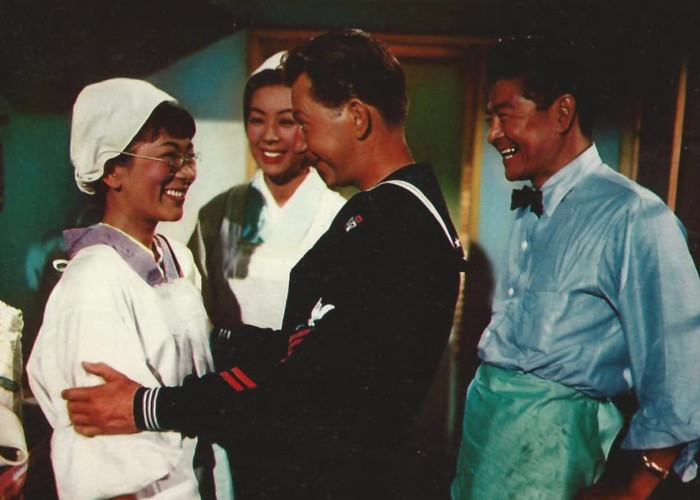
madtechventures.com – Cry for Happy is a heartwarming 1961 romantic comedy set against the backdrop of post-war Japan. Directed by George Marshall and starring Glenn Ford and Donald O’Connor, the film offers a delightful blend of humor, romance, and cultural exploration.   

A Mischievous Misadventure

The film follows a group of U.S. Navy photographers who are stationed in Japan during the Korean War. Seeking a place to stay, they inadvertently take over a geisha house, unaware that it’s still inhabited by four beautiful geishas. As the sailors and geishas interact, a series of humorous and heartwarming encounters unfold.   

A Cultural Exchange

Cry for Happy offers a fascinating glimpse into Japanese culture and traditions. The film explores the contrast between American and Japanese customs, highlighting the beauty and elegance of Japanese culture. The geishas, with their grace and artistry, are portrayed with respect and admiration.

A Touch of Romance

At the heart of the film is a series of romantic relationships that develop between the American sailors and the Japanese geishas. The film explores the challenges and rewards of cross-cultural relationships, highlighting the power of love to transcend cultural barriers.

A Timeless Tale of Love and Friendship

Cry for Happy is a timeless film that continues to entertain and inspire audiences. Its charming characters, heartwarming story, and beautiful setting make it a delightful watch. The film’s message of love, friendship, and understanding remains relevant today.

For Those Who Think Young: A Beach Party Classic

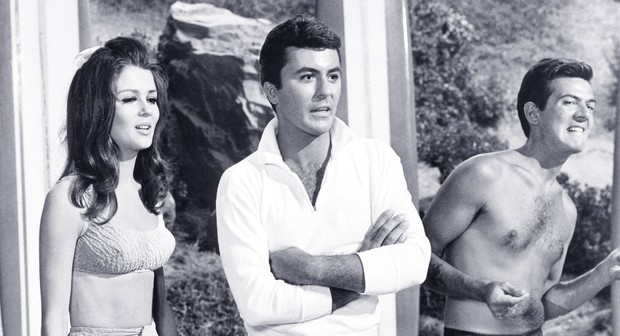
madtechventures.com – For Those Who Think Young is a 1964 American musical comedy film directed by Leslie H. Martinson. It’s a quintessential beach party movie, capturing the spirit of the mid-1960s with its youthful energy, catchy music, and lighthearted humor.   

A Tale of Youthful Rebellion

The film follows the story of Ding Pruitt III (James Darren), a wealthy college student who falls for the beautiful Sandy Palmer (Pamela Tiffin). Together, they navigate the challenges of college life, including dealing with strict administrators and a disapproving grandfather.   

The film’s plot revolves around the efforts of Ding and his friends to keep their favorite hangout, the Surf’s Up nightclub, open. The club, owned by the eccentric Uncle Sid Hoyt (Paul Lynde), is a popular spot for young people to gather, dance, and have fun. When Ding’s grandfather threatens to shut down the club, the young rebels must rally their friends and devise a plan to save it.   

A Star-Studded Cast and Catchy Music

For Those Who Think Young boasts a star-studded cast, including Tina Louise, Nancy Sinatra, and Bob Denver. The film also features a number of popular songs, including “Surfin’ U.S.A.” by The Beach Boys and “You Don’t Know Me” by Ray Charles. The soundtrack perfectly captures the era’s musical landscape, with its upbeat rhythms and catchy melodies.   

A Nostalgic Trip Down Memory Lane

For Those Who Think Young is a nostalgic trip down memory lane, transporting viewers back to the carefree days of the 1960s. The film’s vibrant colors, stylish clothing, and youthful energy evoke a sense of nostalgia and fun. While the plot may be simple, the film’s charm lies in its ability to capture the spirit of a generation.

The Brass Bottle (1964): A Journey into the World of Genie Magic

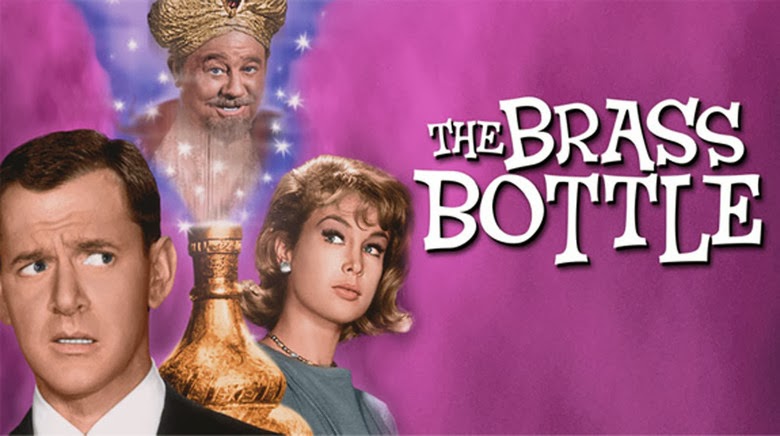
madtechventures.com – In the mid-1960s, a delightful comedy called The Brass Bottle was released, bringing a whimsical tale of magic and mayhem to the silver screen. Directed by Harry Keller, this film starred Tony Randall, Burl Ives, and Barbara Eden. It is a charming adaptation of F. Anstey’s 1900 novel, which also inspired a silent film version in 1923.

Plot Summary

The Brass Bottle follows the story of an architect, Harold Ventimore, played by Tony Randall, who inadvertently releases a genie from an antique brass bottle. This genie, Fakrash, portrayed by Burl Ives, is eager to repay Harold with all sorts of magical favors. However, as is often the case with genies, these favors tend to cause more chaos than they resolve.

Character Dynamics

The film’s comedic core lies in the interactions between Harold, his fiancée Sylvia Kenton, played by Barbara Eden, and the well-meaning but bungling genie. Harold’s attempts to navigate the increasingly chaotic situations orchestrated by Fakrash provide plenty of lighthearted entertainment.

Cultural Impact

While The Brass Bottle may not have been a blockbuster hit, it holds a special place in the hearts of classic comedy enthusiasts. Notably, the film inspired the creation of the beloved TV series I Dream of Jeannie, with Barbara Eden reprising a similar role as a mischievous genie.

Conclusion

The Brass Bottle is a testament to the enduring appeal of stories that blend fantasy and humor. Its playful exploration of the unintended consequences of wishes granted by a genie continues to entertain audiences, reminding us of the timeless charm of magical tales.

The Children’s Hour: A Powerful Drama of 1961

madtechventures.com – “The Children’s Hour,” released in 1961, is a gripping drama directed by William Wyler. Starring Audrey Hepburn, Shirley MacLaine, and James Garner, the film tackles controversial themes and societal prejudices with sensitivity and depth. Based on the 1934 play by Lillian Hellman, this poignant film explores the devastating impact of lies and the destructive power of rumors.

Plot Overview

Set in a private girls’ school, the story revolves around two women, Karen Wright (Audrey Hepburn) and Martha Dobie (Shirley MacLaine), who run the institution. Their lives take a dramatic turn when a vindictive student, Mary Tilford, spreads a false rumor that the two women are in a romantic relationship. The lie quickly spirals out of control, leading to devastating consequences for the women both personally and professionally.

Characters and Performances

Audrey Hepburn delivers a restrained and moving performance as Karen Wright, portraying the character’s strength and vulnerability with nuance. Shirley MacLaine’s portrayal of Martha Dobie is equally compelling, capturing the emotional turmoil and complexity of a woman grappling with her identity and the fallout from the rumor. James Garner plays Joe Cardin, Karen’s fiancé, providing support as he navigates the tension created by the scandal.

Themes and Style

“The Children’s Hour” delves into themes of truth, integrity, and the corrosive nature of falsehoods. It examines the societal taboo surrounding homosexuality at the time, highlighting the prejudice and ignorance faced by individuals. William Wyler’s direction ensures a delicate balance between the intense emotional moments and the broader societal critique, maintaining the film’s dramatic tension throughout.

Legacy and Impact

Upon its release, “The Children’s Hour” was both praised and criticized for its bold subject matter. Over time, it has been recognized for its courageous exploration of themes that were largely taboo in the early 1960s. The film is notable for its strong performances, particularly by Hepburn and MacLaine, and for its role in challenging societal norms and encouraging dialogue about prejudice and acceptance.

Conclusion

“The Children’s Hour” remains a significant film in the landscape of American cinema, known for its powerful storytelling and profound themes. Through its exploration of the destructive power of lies and societal judgment, the film provides a timeless commentary on the importance of truth and the courage to confront prejudice. Its impact continues to resonate, making it a compelling watch for contemporary audiences.

The Struggle Against Power in “Leviathan” (2014)

madtechventures.com – “Leviathan” (2014), directed by Andrey Zvyagintsev, is a gripping drama that delves into the complexities of human nature and the pervasive influence of corruption. Set in a small coastal town in Russia, the film offers a poignant critique of the systemic injustices faced by ordinary citizens, weaving a narrative that is both deeply personal and universally resonant.

Plot Overview

The story centers around Kolya, a mechanic living in a quaint village by the Barents Sea, who finds himself embroiled in a bitter battle against a corrupt mayor intent on seizing his family home and land for development. As Kolya struggles to protect his property, he confronts the overwhelming power of the state, represented by a legal system that is indifferent to justice. The film paints a harrowing portrait of an individual’s fight against an implacable bureaucracy, exploring themes of power, desperation, and the human cost of corruption.

Themes and Symbolism

“Leviathan” is rich with symbolism, drawing on the biblical story of Job and the metaphor of the sea monster, Leviathan, to underscore its exploration of suffering and resilience. The film delves into themes of powerlessness, the erosion of personal freedom, and the moral and ethical dilemmas faced by individuals in a corrupt society. Zvyagintsev uses the stark, unforgiving landscape as a metaphor for the harsh realities of Kolya’s life, highlighting the tension between man and the seemingly insurmountable forces of authority.

Cinematic Style

Zvyagintsev’s direction is marked by meticulous attention to detail and a keen eye for visual storytelling. The film’s cinematography captures the stark beauty of the Russian North, juxtaposing sweeping landscapes with intimate, character-driven scenes. The deliberate pacing and haunting score contribute to the film’s somber tone, drawing viewers into the emotional depths of its narrative.

Reception and Impact

“Leviathan” received widespread critical acclaim and won numerous awards, including the Best Screenplay at the Cannes Film Festival and a nomination for Best Foreign Language Film at the Oscars. Its unflinching portrayal of corruption and injustice resonated with audiences worldwide, sparking discussions about the socio-political climate in Russia. The film’s powerful narrative and compelling performances have cemented its status as a modern classic, celebrated for its bold storytelling and profound social commentary.

Conclusion

“Leviathan” (2014) stands as a compelling exploration of the human spirit’s resilience in the face of overwhelming adversity. Through its incisive critique of power and corruption, the film challenges viewers to reflect on the moral complexities of contemporary society. Andrey Zvyagintsev’s masterpiece offers a raw, unflinching look at the struggle for justice, making it a timeless and thought-provoking work of cinematic art.

“The Visitor” (Misafir): A Story of Redemption & Connection

madtechventures.com – “The Visitor” (Misafir) is a Turkish drama film that delves into the complexities of family, forgiveness, and the search for belonging. Directed by Andaç Haznedaroğlu and released in 2015, the film presents a compelling narrative that captures the emotional journey of its characters. Through its intimate portrayal of personal struggles and reconciliation, “The Visitor” offers a poignant exploration of human relationships and the power of understanding.

Plot Overview

The film follows the story of Nur, a young woman who returns to her childhood home after many years away. Her visit is precipitated by the death of her estranged mother, prompting a confrontation with her past and the family she left behind. As Nur navigates the emotional landscape of her old life, she encounters memories and unresolved issues that challenge her perceptions and understanding of her family dynamics.

Themes and Emotional Depth

At the heart of “The Visitor” is the theme of redemption and the possibility of healing old wounds. The film explores the impact of familial conflicts and the long-lasting effects of estrangement. Through Nur’s interactions with her family, the story highlights the importance of empathy, communication, and the courage to face unresolved emotions. It is a narrative about finding peace through acceptance and the willingness to forgive.

Cinematic Approach

Andaç Haznedaroğlu employs a subtle and introspective cinematic style to convey the film’s emotional depth. The use of quiet, reflective scenes allows the audience to connect with the characters’ internal struggles. The film’s setting, a rural Turkish village, adds to the authenticity and intimacy of the story, providing a backdrop that emphasizes the characters’ isolation and the journey towards reconciliation.

Reception and Impact

“The Visitor” received praise for its nuanced storytelling and the strong performances of its cast, particularly by the lead actress, who brings a powerful presence to the character of Nur. The film’s exploration of universal themes such as family, loss, and forgiveness resonated with audiences, making it a poignant addition to Turkish cinema. Its ability to evoke empathy and provoke thought contributed to its critical success.

Conclusion

“The Visitor” (Misafir) is a thoughtful and emotionally resonant film that tackles the complexities of family relationships and the journey towards healing. Through its exploration of redemption and connection, the film offers a moving narrative that invites viewers to reflect on their own relationships and the possibility of finding peace in forgiveness. Whether you’re drawn to character-driven dramas or stories of personal growth, “The Visitor” is a film that leaves a lasting impact.

Unveiling the Haunting Beauty of “Kwaidan” (1964)

madtechventures.com – “Kwaidan,” directed by Masaki Kobayashi and released in 1964, is a Japanese anthology horror film that masterfully weaves together four ghostly tales drawn from Lafcadio Hearn’s collections of Japanese folk stories. Celebrated for its stunning visual artistry and atmospheric storytelling, “Kwaidan” offers a unique cinematic experience that explores themes of the supernatural and the human psyche. This article delves into the film’s narrative structure, thematic depth, and its enduring influence on the horror genre.

The Four Ghostly Tales

“Kwaidan” presents four distinct stories, each with its own eerie atmosphere and moral undertones:

  1. The Black Hair – This tale follows a samurai who abandons his wife for a more prosperous marriage, only to be haunted by the memory of his first love. The story explores themes of regret and the consequences of betrayal.
  2. The Woman of the Snow – A woodcutter encounters a mysterious snow spirit who spares his life on the condition that he never speaks of their meeting. Years later, his broken promise leads to haunting consequences. This tale examines the fragility of human promises and the supernatural’s role in enforcing them.
  3. Hoichi the Earless – A blind musician is summoned by ghostly spirits to perform for them, unaware of their true nature. The story blends elements of history and the supernatural, highlighting themes of devotion, bravery, and the thin veil between the living and the dead.
  4. In a Cup of Tea – A samurai sees a mysterious face reflected in his cup of tea, leading to a surreal confrontation with the supernatural. This tale explores the boundaries of reality and illusion, leaving the audience with lingering questions about perception and reality.

Visual and Cinematic Mastery

“Kwaidan” is renowned for its visual splendor, employing vibrant colors, elaborate set designs, and meticulous attention to detail. Kobayashi’s use of wide-angle shots and carefully composed frames creates an immersive and otherworldly atmosphere, enhancing the film’s haunting narratives. The film’s deliberate pacing and evocative score, composed by Toru Takemitsu, further amplify its eerie and dreamlike quality.

Themes of the Supernatural and Human Emotion

At its core, “Kwaidan” delves into the intersection of the supernatural and human emotion. Each story explores universal themes such as love, betrayal, fear, and the consequences of human actions. The film’s portrayal of ghosts and spirits serves as a metaphor for unresolved emotions and the lingering impact of past deeds, inviting viewers to reflect on their own experiences and beliefs.

Legacy and Influence

“Kwaidan” has left a lasting impact on the horror genre, both in Japan and internationally. Its artistic approach and thematic depth have influenced filmmakers and storytellers, inspiring a renewed interest in folklore-based horror. The film’s exploration of traditional Japanese ghost stories introduced Western audiences to a unique cultural perspective, contributing to the global appreciation of Japanese cinema.

Conclusion

“Kwaidan” (1964) stands as a testament to the power of storytelling and visual artistry in cinema. Through its haunting tales and mesmerizing imagery, the film captivates audiences, inviting them to explore the mysteries of the supernatural and the complexities of human emotion. As a masterpiece of Japanese horror, “Kwaidan” continues to enchant and inspire, offering a timeless journey into the realm of the unknown.