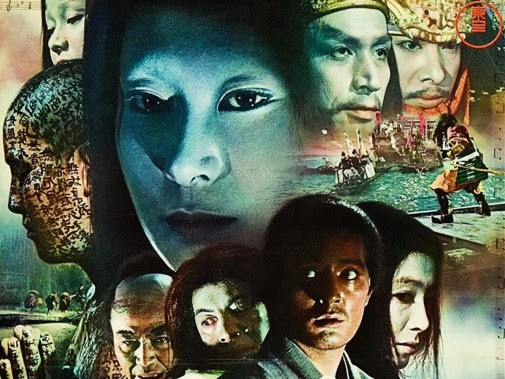
Unveiling the Haunting Beauty of “Kwaidan” (1964)

madtechventures.com – “Kwaidan,” directed by Masaki Kobayashi and released in 1964, is a Japanese anthology horror film that masterfully weaves together four ghostly tales drawn from Lafcadio Hearn’s collections of Japanese folk stories. Celebrated for its stunning visual artistry and atmospheric storytelling, “Kwaidan” offers a unique cinematic experience that explores themes of the supernatural and the human psyche. This article delves into the film’s narrative structure, thematic depth, and its enduring influence on the horror genre.

The Four Ghostly Tales

“Kwaidan” presents four distinct stories, each with its own eerie atmosphere and moral undertones:

  1. The Black Hair – This tale follows a samurai who abandons his wife for a more prosperous marriage, only to be haunted by the memory of his first love. The story explores themes of regret and the consequences of betrayal.
  2. The Woman of the Snow – A woodcutter encounters a mysterious snow spirit who spares his life on the condition that he never speaks of their meeting. Years later, his broken promise leads to haunting consequences. This tale examines the fragility of human promises and the supernatural’s role in enforcing them.
  3. Hoichi the Earless – A blind musician is summoned by ghostly spirits to perform for them, unaware of their true nature. The story blends elements of history and the supernatural, highlighting themes of devotion, bravery, and the thin veil between the living and the dead.
  4. In a Cup of Tea – A samurai sees a mysterious face reflected in his cup of tea, leading to a surreal confrontation with the supernatural. This tale explores the boundaries of reality and illusion, leaving the audience with lingering questions about perception and reality.

Visual and Cinematic Mastery

“Kwaidan” is renowned for its visual splendor, employing vibrant colors, elaborate set designs, and meticulous attention to detail. Kobayashi’s use of wide-angle shots and carefully composed frames creates an immersive and otherworldly atmosphere, enhancing the film’s haunting narratives. The film’s deliberate pacing and evocative score, composed by Toru Takemitsu, further amplify its eerie and dreamlike quality.

Themes of the Supernatural and Human Emotion

At its core, “Kwaidan” delves into the intersection of the supernatural and human emotion. Each story explores universal themes such as love, betrayal, fear, and the consequences of human actions. The film’s portrayal of ghosts and spirits serves as a metaphor for unresolved emotions and the lingering impact of past deeds, inviting viewers to reflect on their own experiences and beliefs.

Legacy and Influence

“Kwaidan” has left a lasting impact on the horror genre, both in Japan and internationally. Its artistic approach and thematic depth have influenced filmmakers and storytellers, inspiring a renewed interest in folklore-based horror. The film’s exploration of traditional Japanese ghost stories introduced Western audiences to a unique cultural perspective, contributing to the global appreciation of Japanese cinema.

Conclusion

“Kwaidan” (1964) stands as a testament to the power of storytelling and visual artistry in cinema. Through its haunting tales and mesmerizing imagery, the film captivates audiences, inviting them to explore the mysteries of the supernatural and the complexities of human emotion. As a masterpiece of Japanese horror, “Kwaidan” continues to enchant and inspire, offering a timeless journey into the realm of the unknown.
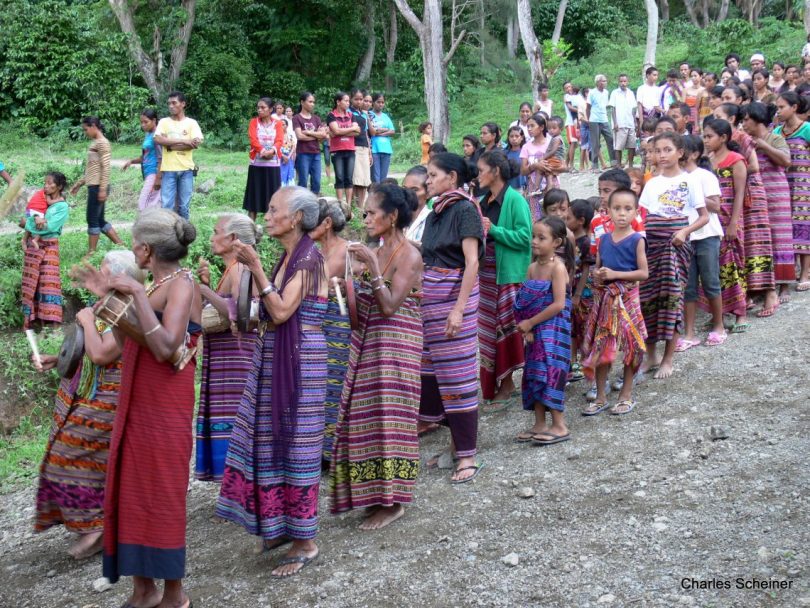
Timor-Leste: Unveiling the Cultural Tapestry

madtechventures.com – Timor-Leste, the youngest nation in Southeast Asia, is a country rich in cultural heritage and traditions that have been shaped by centuries of indigenous practices and foreign influences. This article delves into the vibrant cultural landscape of Timor-Leste, exploring its art, music, dance, and the unique blend of indigenous and external influences that define its cultural identity.

Indigenous Roots and External Influences

The cultural tapestry of Timor-Leste is woven from the threads of its indigenous traditions and the influences of external cultures, particularly from the Portuguese, who colonized the country for over four centuries. This blend has resulted in a unique cultural identity that is both distinctly Timorese and reflective of its historical interactions with the outside world.

Traditional Art and Craftsmanship

Timor-Leste is renowned for its traditional art and craftsmanship, which includes intricate weaving, pottery, and woodcarving. The country’s textiles, known as tais, are particularly noteworthy. These hand-woven cloths are not only a testament to the skill of Timorese artisans but also carry deep cultural and symbolic meanings, often telling stories of the community’s history and values.

Music and Dance

Music and dance are integral to Timorese culture, serving as a means of expression, celebration, and storytelling. Traditional Timorese music is characterized by its use of indigenous instruments such as the teke teke (a type of bamboo flute) and the kompango (a drum). Dance, often performed during festivals and ceremonies, is a vibrant display of Timorese culture, with each movement and gesture carrying specific meanings and narratives.

Festivals and Celebrations

Festivals and celebrations are a cornerstone of Timorese culture, bringing communities together to honor their traditions and heritage. One of the most significant celebrations is the Timorese Independence Day on May 20th, which commemorates the country’s independence from Indonesia in 2002. Other important festivals include the Harvest Festival, which celebrates the end of the harvest season, and the Catholic Easter and Christmas celebrations, reflecting the strong influence of Portuguese colonialism.

Language and Literature

The language of Timor-Leste is a reflection of its cultural diversity. Tetum, one of the official languages, is widely spoken and is a key element in the preservation of Timorese cultural identity. Literature, both oral and written, plays a crucial role in transmitting cultural values, history, and traditions from one generation to the next. The stories, poems, and songs passed down through generations are a treasure trove of Timorese culture and history.

Contemporary Challenges and Preservation

Despite its rich cultural heritage, Timor-Leste faces challenges in preserving its cultural traditions in the face of globalization and modernization. Efforts are being made to document and promote traditional arts, music, and dance, as well as to support artisans and cultural practitioners. Education and community programs also play a vital role in ensuring that the younger generation is connected to their cultural roots.

Conclusion

The culture of Timor-Leste is a vibrant mosaic of indigenous traditions and external influences, reflecting the country’s rich history and the resilience of its people. From the intricate tais textiles to the rhythmic beats of traditional music, the cultural expressions of Timor-Leste are a testament to the enduring spirit of its communities. As the country continues to develop, the preservation of its cultural heritage remains a priority, ensuring that the unique cultural tapestry of Timor-Leste is celebrated and passed down for generations to come.