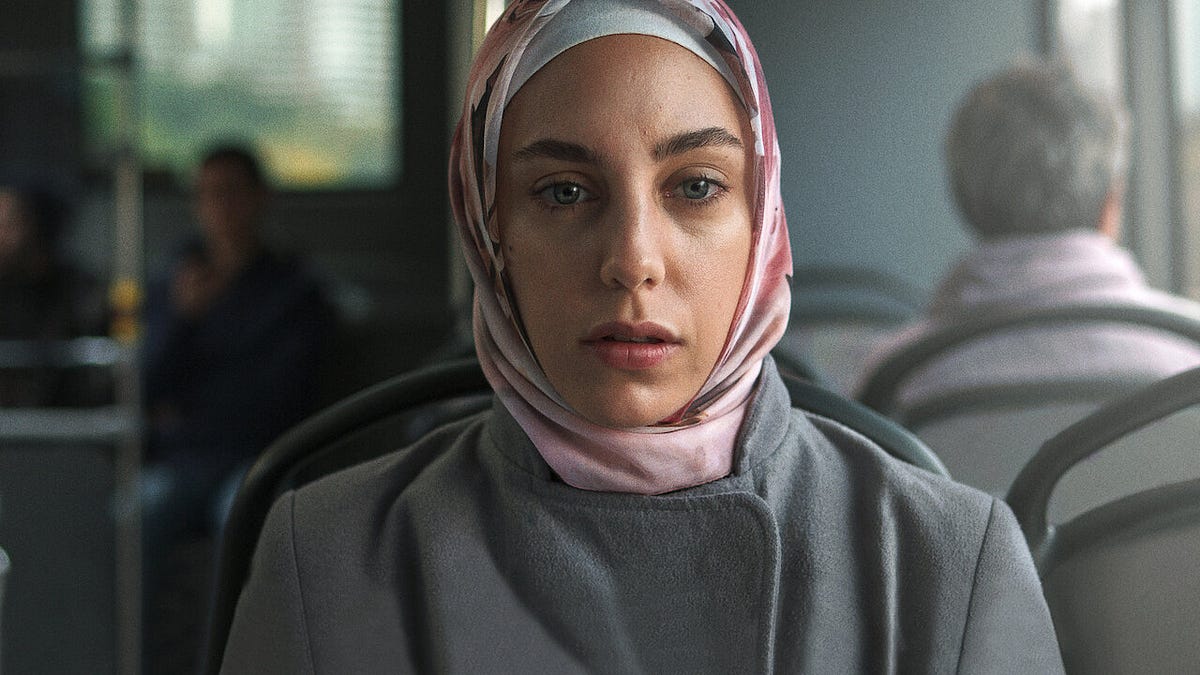
madtechventures.com – Bir Başkadır (Ethos), a 2020 Turkish drama miniseries created by Berkun Oya, offers a complex and nuanced portrayal of contemporary Turkish society. Through the interconnected lives of a diverse group of characters from different social and economic backgrounds, the series explores themes of identity, faith, trauma, and the search for connection in a rapidly changing world. Bir Başkadır avoids simplistic narratives and instead presents a multifaceted portrait of Turkey, prompting viewers to reflect on their own biases and assumptions. This article delves into the narrative, themes, characters, and lasting impact of this thought-provoking miniseries.
Narrative: Intertwined Destinies in Istanbul
The narrative of Bir Başkadır begins with Meryem (Öykü Karayel), a young woman from a conservative, working-class family living in the outskirts of Istanbul. Meryem experiences fainting spells and seeks help from Peri (Defne Kayalar), a wealthy and secular psychotherapist. This seemingly simple encounter sets in motion a chain of events that intertwines the lives of various individuals from vastly different backgrounds.
The series follows these interconnected characters, including a Hodja (religious cleric), a Kurdish family, a wealthy actress, and a security guard, among others. Each character’s story is explored with sensitivity and depth, revealing their personal struggles, their hopes, and their fears. The narrative structure is deliberately fragmented, mirroring the fragmented nature of modern society, but gradually reveals the connections between these seemingly disparate individuals.
Themes: Exploring the Complexities of Turkish Identity
Bir Başkadır explores a range of complex and relevant themes:
- Social and Cultural Divides: The series directly addresses the social and cultural divides that exist within Turkish society, including the tensions between secular and religious communities, urban and rural populations, and different ethnic groups.
- Identity and Belonging: The characters in Bir Başkadır are all grappling with questions of identity and belonging. They are searching for their place in a society that is constantly changing and often feels fragmented.
- Trauma and Healing: The series explores the impact of trauma, both personal and collective, on individuals and communities. It also highlights the importance of seeking help and finding ways to heal from past experiences.
- The Search for Connection: Despite their differences, the characters in Bir Başkadır are all searching for connection and understanding. They yearn for meaningful relationships and a sense of belonging in a world that often feels isolating.
- Psychology and Therapy: The presence of the psychotherapist Peri and the exploration of Meryem’s mental health bring the themes of psychology and therapy to the forefront. The series subtly destigmatizes mental health struggles and highlights the importance of seeking professional help.
Characters: A Diverse and Relatable Ensemble
The characters in Bir Başkadır are richly drawn and represent a diverse cross-section of Turkish society:
- Meryem (Öykü Karayel): Meryem is a quiet and observant young woman who struggles with anxiety and feelings of displacement. Her journey of self-discovery forms a central thread in the narrative.
- Peri (Defne Kayalar): Peri is a wealthy and secular psychotherapist who represents a different segment of Turkish society. Her interactions with Meryem challenge her own biases and assumptions.
- The Hodja (Settar Tanrıöğen): The Hodja represents the religious community and offers a nuanced portrayal of faith and its role in people’s lives.
- The Other Characters: The diverse supporting cast, including the Kurdish family, the wealthy actress, and the security guard, contribute to the rich tapestry of stories and perspectives presented in the series.
Lasting Impact: A Catalyst for Dialogue
Bir Başkadır has had a significant impact on Turkish television, sparking important conversations about social and cultural divides, identity, and belonging. The series’ nuanced portrayal of complex issues has been praised for its sensitivity and its avoidance of simplistic narratives. It has been a catalyst for dialogue and reflection, prompting viewers to examine their own biases and assumptions about different segments of society.
Conclusion: A Mirror to Contemporary Turkish Society
Bir Başkadır is more than just a drama miniseries; it is a mirror to contemporary Turkish society. Its exploration of complex themes, its diverse characters, and its nuanced storytelling have made it a significant contribution to Turkish television. The series’ enduring legacy lies in its ability to foster empathy and understanding between different groups of people, prompting viewers to reflect on the shared human experiences that connect us all. It stands as a testament to the power of storytelling to bridge divides and promote meaningful dialogue.