Fantasia (1940): Disney’s Bold Exploration of Art and Music

madtechventures.com – Fantasia (1940), one of Walt Disney’s most ambitious and innovative projects, remains one of the most unique films in cinematic history. Combining classical music with stunning animation, it is an experimental masterpiece that transcends the traditional format of animated films. A blend of visual art, symphonic music, and narrative imagination, Fantasia broke away from the conventional storytelling of previous Disney films like Snow White and the Seven Dwarfs and Pinocchio to create something completely different: a celebration of art, sound, and movement. Although it was initially met with mixed reactions, Fantasia would eventually become one of the most revered and influential animated works ever made.

The Creation of Fantasia: A Vision of Innovation

The creation of Fantasia was a bold step for Walt Disney and his studio, marking a desire to elevate animation beyond just entertainment for children into an art form that could be appreciated by audiences of all ages. Disney, always known for his desire to push boundaries, was determined to create something new that would challenge the limitations of animation and film.

Walt Disney’s Vision

Walt Disney had long been fascinated by the potential of animation to tell more abstract and complex stories. He believed that animation could be more than just characters and stories—it could be a medium for artistic expression. Inspired by the possibilities of combining music with animation, Disney wanted to bring classical music to the masses in an accessible, visual format. To achieve this, he decided to create an animated film that would consist of several segments, each set to a different piece of classical music.

The idea for Fantasia was rooted in a desire to blend two powerful forms of art: music and animation. Disney enlisted the help of conductor Leopold Stokowski and the Philadelphia Orchestra to bring the musical portions of the film to life. The collaboration between Disney, Stokowski, and the orchestra would be essential in blending the movements of the orchestra with the visual elements of the animation.

The Birth of the Concept

Initially, Fantasia was meant to be a one-off short film. However, the project grew beyond Disney’s expectations, eventually becoming a full-length feature. Disney sought to experiment with multiple styles of animation, with each sequence intended to interpret the music in a unique way. From the start, the film was designed as a symphonic concert rather than a conventional narrative. The idea was not to tell a single story, but to create a sensory experience that would allow audiences to immerse themselves in the beauty of classical music and animation.

Fantasia was released in 1940, featuring eight distinct musical sequences, each accompanied by a different piece of classical music, chosen specifically to suit the animation. The sequences vary in tone and style, with some telling stories, while others focus more on visual experimentation.

The Structure of Fantasia: A Symphony in Animation

Unlike typical animated films, which usually have a linear plot, Fantasia is divided into segments, each one showcasing a different piece of classical music paired with an abstract or narrative animation. Some segments feature characters and stories, while others are more interpretive in nature, providing a visual experience that corresponds to the music. The musical pieces chosen for the film are all classical compositions, many by well-known composers, such as Johann Sebastian Bach, Pyotr Ilyich Tchaikovsky, Igor Stravinsky, and Ludwig van Beethoven.

“Toccata and Fugue in D Minor” (Bach)

The film opens with Johann Sebastian Bach’s “Toccata and Fugue in D Minor”, a composition known for its dramatic intensity. This abstract sequence of swirling patterns, geometric shapes, and vibrant colors set against the music marks the beginning of the experimental nature of the film. It does not tell a story in the traditional sense; rather, it presents the music itself through abstract imagery, offering a visual interpretation of Bach’s complex composition.

This segment was groundbreaking because it was one of the first times in cinema that music was visually represented in such an abstract form, rather than accompanying a narrative or dialogue. The animation was intended to evoke the emotional intensity and complexity of Bach’s music, allowing the audience to experience the music in a completely new way.

“The Nutcracker Suite” (Tchaikovsky)

Next, the film transitions to Pyotr Ilyich Tchaikovsky’s “The Nutcracker Suite”, which features a series of segments inspired by the ballet. The segment showcases a series of vignettes drawn from the ballet’s most famous movements, such as the “Waltz of the Flowers” and “Dance of the Sugar Plum Fairy.” These moments are brought to life with enchanting, detailed animation.

Here, the visual elements are tied to a narrative of sorts, as different types of fairytale creatures—such as fairies, mushrooms, and flowers—come to life in response to the music. The vibrant and whimsical animation mirrors the delicate and magical quality of Tchaikovsky’s music, and it became one of the most celebrated sequences of the film.

“The Sorcerer’s Apprentice” (Dukas)

One of the most well-known segments of Fantasia is Paul Dukas’ “The Sorcerer’s Apprentice,” featuring Mickey Mouse in a starring role. In this animated short, Mickey plays an apprentice to a sorcerer, Yen Sid, who leaves him with the task of fetching water. Mickey, trying to make his work easier, uses magic to enchant a broom to carry water for him. However, he loses control of the spell, and the broom continues to bring water, flooding the entire place.

This sequence combines humor with drama and remains a fan favorite to this day, thanks in part to Mickey’s iconic role and the way the animation complements the music. The music’s rising intensity matches the growing chaos of the broom’s actions, making it a highly effective pairing of sound and image.

“Rite of Spring” (Stravinsky)

The next segment, Igor Stravinsky’s “Rite of Spring,” takes a dramatic turn, telling the story of the beginning of the Earth, the age of the dinosaurs, and their eventual extinction. This segment is one of the most visually ambitious in the film, as it combines scientific theories with dramatic imagery. The music’s bold, powerful nature matches the intense visuals of volcanic eruptions, violent storms, and the rise and fall of prehistoric creatures.

The segment is not just a retelling of history; it also explores the passage of time through the power of music and animation. The scene ends with the extinction of the dinosaurs, a somber and poignant conclusion to the segment.

“Interlude: Meet the Soundtrack” and “The Pastoral Symphony” (Beethoven)

In the segment titled “The Pastoral Symphony” (Beethoven), Fantasia takes on a softer, more serene tone. The piece is paired with an idyllic world inhabited by Greek mythology characters, including centaurs, unicorns, and cupids. The visual representation of the music’s calm and flowing melody evokes a sense of peace and natural beauty.

This segment is perhaps the most overtly whimsical in Fantasia, filled with vibrant colors and fantastical creatures, and it stands in stark contrast to the previous darker segments like “Rite of Spring.”

“Dance of the Hours” (Ponchielli)

The next segment, Amilcare Ponchielli’s “Dance of the Hours,” is one of the more comedic moments in the film. It features a group of animals, including alligators, hippos, ostriches, and elephants, who engage in an elaborate ballet. This section is known for its playful animation and humor, which balances the more serious tone of other parts of the film. The animals, who perform with human-like grace, create a lighthearted and enjoyable experience.

“Night on Bald Mountain” and “Ave Maria” (Mussorgsky and Schubert)

The final sequence of Fantasia begins with Modest Mussorgsky’s “Night on Bald Mountain,” a dark and eerie segment featuring the demon Chernabog, who raises spirits from the ground during a night of unearthly power. The animation evokes a sense of terror and mysticism as the dark forces clash with the forces of good.

Following this intense sequence, the film concludes with Franz Schubert’s “Ave Maria,” a calm, serene piece that provides a sense of peace after the chaotic climax. The transition from dark to light mirrors the thematic journey of the film, balancing the contrasting elements of fear and hope.

Fantasia’s Cultural Impact and Legacy

At the time of its release, Fantasia was a risk—its unconventional structure, lack of traditional narrative, and experimental animation techniques made it a departure from what audiences had come to expect from Disney films. The film was initially met with mixed reviews, and its box office performance was modest, partly due to its experimental nature and the high costs of production.

However, Fantasia‘s reputation would grow significantly over the years. It has since become a landmark film, revered by animation enthusiasts, art lovers, and music aficionados alike. The marriage of classical music and animation revolutionized how both art forms could be experienced. It set the stage for many of the artistic and technical advancements in animation that would follow.

A Cultural Touchstone

Fantasia became a cultural touchstone, influencing not only future Disney films but also the entire animation industry. Its segments, particularly “The Sorcerer’s Apprentice,” have been referenced in numerous other films, television shows, and cultural works. Additionally, Fantasia was one of the first films to be released with stereophonic sound, a groundbreaking achievement in the field of cinema.

Revival and Reinterpretations

The film underwent a major revival with Fantasia 2000 in 1999, which featured new animated segments alongside a re-release of the original classic. The continued popularity of Fantasia has also led to its inclusion in special editions, theatrical revivals, and special performances with live orchestras.

Conclusion

Fantasia (1940) remains one of Disney’s most innovative and ambitious films. It introduced audiences to a new world of animation that was deeply connected to music, creating an immersive experience that remains unique in cinematic history. By blending classical music with cutting-edge animation, Disney created a work of art that transcends traditional storytelling, inspiring both the world of animation and the broader arts. Fantasia is not just a film—it is a celebration of the possibilities of visual and auditory art, a triumph of creativity, and a timeless masterpiece.
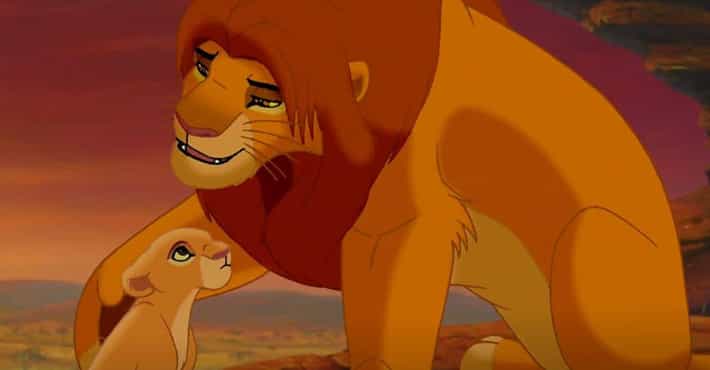
Simba: The King in Disney’s The Lion King Franchise

madtechventures.com – Simba, the lion cub turned king, is the central protagonist of Disney’s iconic 1994 animated film The Lion King. As the son of Mufasa, the king of the Pride Lands, Simba’s life is defined by a journey of self-discovery, responsibility, and ultimately, redemption. His transformation from a carefree cub to a wise and noble king is at the heart of The Lion King‘s emotional and thematic depth, making him one of Disney’s most beloved and enduring characters.

Simba’s story resonates with audiences of all ages, addressing universal themes of loss, leadership, identity, and the cycle of life. From his early days in the Pride Lands to his exile and eventual return to reclaim his kingdom, Simba’s journey is an archetypal hero’s journey, a narrative that touches upon the trials and triumphs of growing up and stepping into one’s rightful role in the world.

This article explores Simba’s character arc, his relationships, his growth as a leader, and his legacy within the broader Lion King franchise.

Simba’s Origins: A Royal Cub in the Pride Lands

Simba is introduced as the playful and curious son of Mufasa and Sarabi, the future heir to the throne of the Pride Lands. From an early age, Simba shows an eagerness to learn and experience the world around him, often asking his father about the responsibilities of kingship and the mysteries of the vast savanna. His innocent curiosity and boundless energy make him an endearing character, as he shares a close bond with his father Mufasa, who teaches him about the “Circle of Life” and the balance of nature in the kingdom.

Simba’s early life is marked by the love and protection of his family. His father, Mufasa, is a wise and noble leader, admired by the lion pride and respected by the other creatures of the Pride Lands. Mufasa teaches Simba about the importance of leadership, the circle of life, and respecting all living things. Sarabi, Simba’s mother, is a nurturing presence in his life, offering him love and care as he grows up.

The Pride Lands themselves are a symbol of harmony and balance, and Simba is destined to be a part of that legacy. However, his destiny takes a tragic turn when his uncle, Scar, devises a plot that changes Simba’s life forever.

The Tragedy of Mufasa’s Death: Simba’s Guilt and Exile

Simba’s life takes a dramatic and heartbreaking turn when he is tricked by his uncle Scar into believing that he is responsible for the death of his father, Mufasa. After Scar orchestrates a wildebeest stampede in the gorge and causes Mufasa’s death while Simba tries to save him, Scar convinces Simba that he is to blame for the tragedy. Consumed by guilt and fear, Simba flees the Pride Lands, abandoning his home and all his responsibilities.

Scar, who seizes control of the Pride Lands after Mufasa’s death, manipulates Simba’s departure, ensuring that Simba’s guilt keeps him away for years. Simba’s exile becomes a formative period in his life, where he is forced to grow and come to terms with his past mistakes and his role in the future of the Pride Lands. For a long time, Simba runs from his responsibilities, choosing a carefree, hakuna matata life with the laid-back meerkat Timon and the warthog Pumbaa.

Despite the lighthearted lifestyle offered by Timon and Pumbaa, Simba’s past continues to haunt him, and he is constantly reminded of his true heritage. Simba’s inner conflict is a central aspect of his character during this time, as he wrestles with his guilt, his sense of identity, and his inability to accept his destiny as the rightful king of the Pride Lands.

Simba’s Growth: From Carefree Cub to Responsible King

Simba’s transformation begins when he encounters Nala, his childhood friend, and the lioness who later becomes his queen. Nala’s appearance and her urgent plea to Simba to return to the Pride Lands to defeat Scar and reclaim the throne serve as a wake-up call. Nala is the one who brings Simba face-to-face with his responsibilities, challenging him to stop running away from the truth about who he is and what he must do.

This confrontation leads to Simba’s powerful and emotional moment of self-discovery. Simba seeks the wisdom of the spirit of his father, Mufasa, who appears to him in the skies. In this moment, Simba learns that he must “remember who you are” and embrace his true identity as Mufasa’s son and the rightful king. This revelation allows Simba to overcome his guilt and fear, finally accepting the mantle of leadership that had always been his destiny.

Simba’s return to the Pride Lands is one of the most iconic moments in The Lion King. The imagery of Simba returning to reclaim his kingdom, with the power and grace of a king, is symbolic of his personal growth. He has matured from a naive cub into a strong and capable leader, ready to confront Scar and restore balance to the Pride Lands. Simba’s bravery, leadership, and compassion are on full display as he challenges Scar and defeats him in the battle for the throne, ultimately taking his place as king.

Simba’s Relationships: Family, Friendship, and Love

One of the key aspects of Simba’s character is the strong relationships he shares with the other characters in The Lion King. These relationships shape his growth and help him understand the importance of leadership, loyalty, and love.

Mufasa: The Wise Father

Simba’s relationship with his father, Mufasa, is one of the emotional foundations of the film. Mufasa is not only Simba’s father but also his mentor and guide, teaching him important lessons about responsibility and the interconnectedness of life. Mufasa’s death is a pivotal moment in Simba’s life, leaving a deep scar on Simba’s heart. However, Mufasa’s legacy lives on in Simba, and the lessons Simba learns from his father continue to guide him as he takes on the role of king.

The powerful scene where Simba sees his father’s spirit in the clouds and hears Mufasa’s voice telling him to “remember who you are” is a defining moment in Simba’s transformation. It is a call to action, urging Simba to take up his responsibilities and honor the memory of his father by embracing his destiny.

Nala: The Supportive Queen

Nala, Simba’s childhood friend and eventual queen, plays a crucial role in Simba’s growth. Her love and support are pivotal in helping Simba return to the Pride Lands and reclaim his rightful place as king. Nala challenges Simba to face his past and confront his fears, encouraging him to stop hiding from the responsibilities that come with being a leader.

Nala’s strength and determination provide Simba with the emotional support he needs to believe in himself and rise to the occasion. Together, Simba and Nala work to restore peace and prosperity to the Pride Lands, ensuring that the kingdom thrives under Simba’s rule.

Timon and Pumbaa: The Comic Relief and Unlikely Mentors

While Timon and Pumbaa are often seen as comic relief in The Lion King, their role in Simba’s journey is more significant than it may initially seem. The duo teaches Simba the philosophy of “Hakuna Matata”—no worries—a carefree lifestyle that helps Simba escape his guilt and the weight of his responsibilities. Though their advice initially seems to be about avoiding problems, Timon and Pumbaa’s friendship and loyalty ultimately show Simba that having a support system is key to overcoming challenges.

Timon and Pumbaa’s carefree attitude provides Simba with a sense of fun and freedom, which helps him recover from the trauma of his past. However, they also remind him that avoiding responsibility isn’t a viable long-term solution. Their friendship becomes an anchor for Simba during his emotional journey, showing that even the most unlikely of companions can help you grow and face difficult truths.

Simba’s Role as King: A New Era for the Pride Lands

By the end of The Lion King, Simba fully embraces his role as king of the Pride Lands. His return marks the end of Scar’s tyrannical rule and the restoration of balance in the kingdom. Simba’s leadership style reflects the lessons he learned from Mufasa: that being a good king requires wisdom, compassion, and a deep understanding of the interconnectedness of life.

Simba’s reign is not just about ruling the Pride Lands but about guiding the next generation. He becomes a wise and benevolent king, making decisions that benefit not only the lions but all the creatures of the kingdom. His relationship with his subjects, including the other animals, reflects his respect for the “Circle of Life” and the understanding that a leader must care for the well-being of everyone, not just those closest to them.

In the 2019 live-action remake of The Lion King, Simba’s journey remains largely the same, though the film updates the animation and voice acting to bring new life to the classic story. The themes of leadership, responsibility, and the circle of life continue to resonate with modern audiences, solidifying Simba’s legacy as one of Disney’s most iconic characters.

Simba’s Legacy: A Hero for All Ages

Simba’s journey is one of the most enduring and relatable in Disney history. His character arc—from an innocent cub to a wise king—echoes the universal struggles of growing up, finding one’s identity, and taking on responsibilities. Simba’s story encourages viewers to face their fears, accept their past, and embrace the future with courage and wisdom.

Simba’s legacy endures because it speaks to audiences of all ages. His story is timeless, capturing the essence of what it means to grow, to lead, and to love. Whether through his relationships with Mufasa, Nala, Timon, Pumbaa, or the kingdom he rules, Simba’s journey is one of hope, redemption, and the importance of remembering who you are.

Simba’s story reminds us all that no matter how difficult the road may be, we all have the potential to be leaders in our own right, capable of making the world a better place.

Donald Duck: The Enduring Legacy of Disney’s Hot-Headed Hero

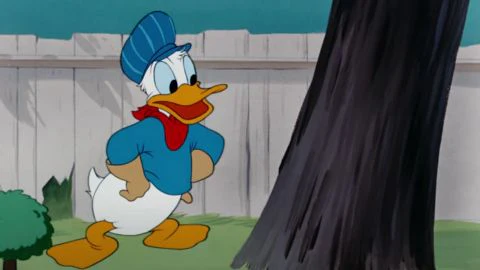
madtechventures.com – Donald Duck, one of the most iconic and beloved characters created by Walt Disney, has become a central figure in the Disney universe. Known for his distinctive voice, quick temper, and lovable nature, Donald has captured the hearts of audiences around the world since his debut. From his early appearances in animated shorts to his role as a global cultural icon, Donald Duck continues to be an integral part of the Disney legacy.

The Creation and Origins of Donald Duck

Donald Duck was created by Walt Disney and Dick Lundy and first appeared in the 1934 animated short The Wise Little Hen. His creation was part of an effort to diversify the cast of characters in the Disney stable, with the goal of introducing a character with a more fiery and temperamental personality to balance out Mickey Mouse’s calm demeanor. Donald was designed to be a foil to Mickey, bringing a more comical, often exaggerated sense of frustration and impatience to the screen.

Donald’s Debut: The Wise Little Hen

Donald Duck made his first official appearance in The Wise Little Hen, a short film that was part of the Silly Symphonies series. In this short, Donald is portrayed as a lazy and somewhat selfish character who refuses to help a hen plant corn. Though this initial portrayal of Donald was somewhat antagonistic, it quickly became clear that his distinct personality—marked by his high-pitched voice, fiery temper, and ultimate good-natured heart—was a recipe for success. Audiences were charmed by his imperfections, making him an instant favorite.

Evolution of Donald’s Character

In the years following his debut, Donald Duck’s character evolved. While he remained hot-headed and easily frustrated, he also began to show a more sympathetic and loyal side. As he became more involved in a variety of storylines, including those that featured his famous friends like Mickey Mouse, Goofy, and Pluto, Donald became a beloved, relatable character who represented both the comedic hero and the flawed underdog. His antics, often filled with slapstick humor and chaotic energy, made him one of Disney’s most enduring characters.

Donald Duck in Animated Shorts and Films

Donald Duck became a mainstay in Disney animated shorts and films during the 1930s and 1940s. He quickly became one of the studio’s most popular characters, appearing alongside Mickey Mouse and other famous Disney characters in various cartoons and feature films. Donald’s personality was both a source of comedy and a point of relatability for audiences who appreciated his flaws and determination.

Donald in The Three Caballeros (1944)

One of Donald Duck’s most notable film appearances came in 1944 with the release of The Three Caballeros. In this musical film, Donald forms a trio with two Latin American characters, José Carioca and Panchito Pistoles. The film was designed to promote goodwill between the United States and Latin America during World War II and showcased Donald in a more positive light, emphasizing his adventurous spirit and willingness to embrace new cultures. The Three Caballeros remains a beloved classic, and it showcased Donald in a more international context, further solidifying his status as a Disney icon.

Donald Duck in World War II Propaganda

During World War II, Donald Duck played a role in supporting the American war effort. Disney produced several propaganda shorts, with Donald being featured as an irritable, yet determined, character who would stand up for the cause. The most notable of these is Der Fuehrer’s Face (1943), in which Donald dreams he is living in Nazi Germany and faces the oppressive regime. The short earned an Academy Award for Best Animated Short Film and reinforced Donald’s place in the cultural zeitgeist.

Donald Duck in Television and Beyond

As television became more widespread in the 1950s, Donald Duck continued to appear in animated series, solidifying his place in households across the globe. Shows like DuckTales (1987), which featured Donald as a supporting character, introduced the next generation to Donald’s quirky personality and made him a fixture in American pop culture.

Donald Duck’s Personality and Appeal

Donald Duck’s appeal lies in his relatability and his flaws. He is a character who often struggles, gets frustrated, and finds himself in situations that are beyond his control, yet his determination and resilience always shine through. His quick temper and impulsiveness, while humorous, also highlight his deeply human qualities, making him a lovable and endearing character to fans of all ages.

Donald’s Temperament: A Source of Humor

Donald’s most well-known characteristic is his temper. He has a tendency to explode into fits of rage, often screaming in frustration or storming off when things don’t go his way. This over-the-top reaction to everyday situations has been a source of comedy in countless cartoons. Donald’s tantrums, however, are always short-lived, and his good nature quickly returns, ensuring that his outbursts are more comical than harmful.

The Endearing Flaws of Donald Duck

Donald’s flaws are what make him so lovable. He is often depicted as being clumsy, impatient, and sometimes selfish. These qualities, however, do not make him a villain. Instead, they make him a more human character, one whose imperfections make him relatable to audiences. Whether he’s trying to impress his friends, win a race, or complete a task, Donald’s determination in the face of adversity showcases his enduring spirit.

Donald Duck and His Family

In addition to his interactions with Mickey and friends, Donald Duck’s family has also played an important role in his story. His relationships with his nephews—Huey, Dewey, and Louie—have been central to many cartoons, showing a different side of Donald as a caregiver and role model. These interactions have allowed Donald to display his more nurturing side, providing a balance to his typically fiery temperament.

Huey, Dewey, and Louie: Donald as a Caregiver

Donald became the guardian of his nephews, Huey, Dewey, and Louie, after their parents were never fully explained. In the DuckTales series, Donald’s role as a sometimes exasperated uncle was highlighted, showing his growth as a character. Though Donald was frequently at his wit’s end trying to keep up with his energetic nephews, his love for them and his determination to do right by them shone through.

Donald Duck in the Modern Era

Today, Donald Duck continues to be a prominent character in the Disney universe. He has appeared in numerous television series, theme parks, video games, and merchandise. His popularity remains strong, with new generations of fans discovering his charm and antics.

Donald Duck in the Theme Parks

In Disney theme parks, Donald Duck is a beloved character who is often seen meeting guests and participating in parades and stage shows. He is a regular feature at Disneyland, Walt Disney World, and other Disney resorts around the world. Fans enjoy interacting with him, taking photos, and enjoying his comedic presence during various performances.

Donald in Video Games

Donald Duck has also appeared in numerous video games over the years, many of which allow players to control him as a main character. Games like Kingdom Hearts, where Donald serves as a key member of the player’s team, have introduced him to a whole new generation of fans who engage with him through interactive experiences. His quirky personality and adventures in these games have helped solidify his place in modern entertainment.

Conclusion

Donald Duck remains one of the most iconic and beloved characters in the Disney universe. His fiery temper, lovable flaws, and enduring determination have made him a fan favorite for generations. From his early days in animated shorts to his role in modern media, Donald has remained a central figure in the Disney legacy. His unique blend of humor, humanity, and heart ensures that he will continue to bring joy to audiences for many years to come.