Herbert Hoover and the Great Depression: A Legacy in Crisis

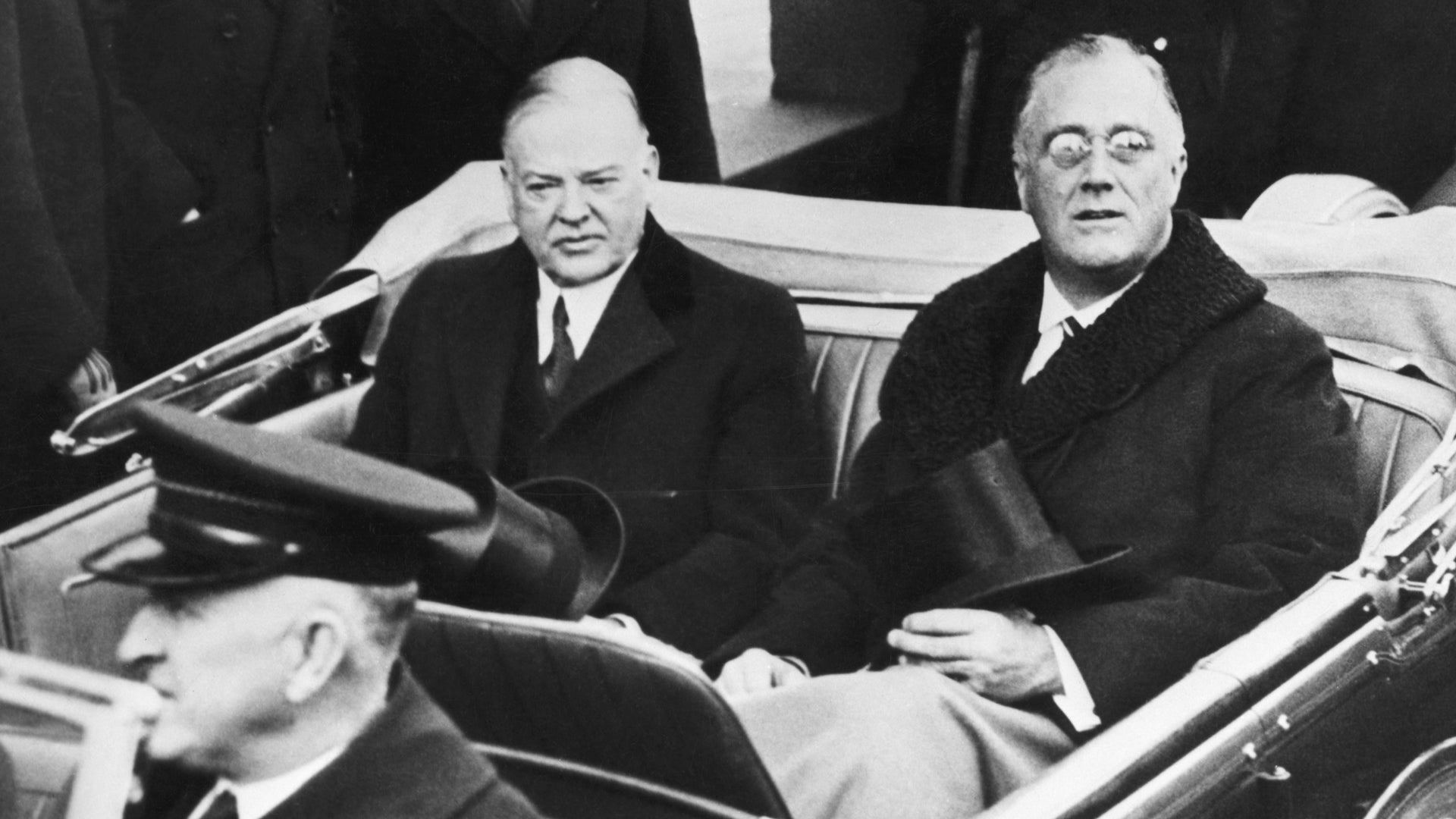
madtechventures.com – Herbert Hoover, the 31st President of the United States, entered the White House in 1929 with a reputation as a brilliant engineer, successful businessman, and humanitarian. He promised to continue the era of prosperity that had defined the 1920s, advocating for economic growth, individual self-reliance, and minimal government intervention. However, just months after Hoover took office, the United States was plunged into the worst economic crisis it had ever seen—the Great Depression. Despite his experience and expertise, Hoover’s leadership during this period has been widely criticized, and his presidency is often remembered as one marked by failure. However, his legacy in the context of the Great Depression is more nuanced, shaped by his policies, his actions during the crisis, and the larger historical forces at play.

This article explores Herbert Hoover’s role in the Great Depression, examining his responses to the economic disaster, the criticisms he faced, and how the crisis shaped his legacy.

The Stock Market Crash and the Onset of the Great Depression

Herbert Hoover assumed the presidency on March 4, 1929, amidst a climate of optimism. The economy was booming, unemployment was low, and prosperity seemed guaranteed. Hoover was confident that the nation was on the cusp of achieving an even greater future. He promised to continue the policies of his predecessors and believed in the power of voluntary cooperation between business, labor, and government to ensure continued growth.

The Collapse of Prosperity: Black Thursday and Black Tuesday

However, the economic landscape changed dramatically just months after Hoover took office. On October 24, 1929, the U.S. stock market experienced a massive crash, known as Black Thursday. While this event was unsettling, it was not until October 29, 1929—Black Tuesday—that the full extent of the stock market collapse became clear. On that day, the stock market lost billions of dollars in value, sending shockwaves through the global economy.

The crash marked the beginning of the Great Depression, a period of unprecedented economic hardship that would last for more than a decade. Within months, banks failed, businesses shuttered, unemployment skyrocketed, and millions of Americans found themselves out of work and facing poverty.

Hoover’s Initial Response to the Crisis

In the immediate aftermath of the stock market crash, Hoover initially maintained a sense of optimism. He believed that the economy would recover on its own and that government intervention should be minimal. Hoover had a strong belief in the power of individualism and self-reliance, values that were deeply rooted in his Quaker upbringing. He did not initially see the need for the federal government to intervene directly in the economy, instead advocating for local and state governments to take action.

Hoover also relied on voluntary cooperation from businesses and labor organizations to address the economic crisis. He believed that businesses would continue to invest in the economy and that workers would show restraint and avoid striking, which would hurt the economy further. Hoover called for the formation of the National Business Recovery Board, encouraging businesses to maintain wages and employment levels, but this approach had limited success. While some industries cooperated, many did not, and the economic situation only worsened.

Public Works and the Reconstruction Finance Corporation

As the Depression deepened, Hoover eventually realized that more direct action was necessary. In 1931, he pushed for a public works program to create jobs and stimulate the economy. The most famous of these projects was the Hoover Dam, a massive construction project that provided both jobs and much-needed infrastructure for the American West. However, the scale of these efforts was insufficient to address the breadth of the economic crisis.

In 1932, Hoover took a more significant step with the creation of the Reconstruction Finance Corporation (RFC), which was designed to provide loans to banks, railroads, and businesses in an attempt to stabilize the financial system. The RFC was Hoover’s most ambitious economic recovery program and was intended to jump-start the economy by providing much-needed capital to struggling businesses. While the RFC did help some industries and banks, critics argued that it primarily benefitted large corporations and did little to alleviate the suffering of ordinary Americans. The public’s frustration with Hoover mounted as the crisis deepened.

Criticism of Hoover’s Policies

Despite Hoover’s attempts to stabilize the economy, his policies were widely criticized for being ineffective and out of touch with the needs of ordinary Americans. Hoover’s reluctance to provide direct federal relief to the unemployed, in particular, became a major point of contention. Hoover’s belief in individual responsibility and self-reliance led him to oppose federal welfare programs, arguing that charity should come from local and private sources rather than the government. This approach angered many, as millions of Americans faced homelessness and hunger.

The Bonus Army March

One of the most poignant examples of Hoover’s failure to address the immediate needs of struggling Americans occurred in 1932 with the Bonus Army march. Thousands of World War I veterans, many of whom were destitute, descended on Washington, D.C., to demand early payment of a bonus that had been promised to them for their service. Hoover’s response to the Bonus Army was harsh: he ordered the army to disperse the veterans, resulting in the use of military force to remove the peaceful protesters. The violent eviction, which included the use of tanks and tear gas, deeply damaged Hoover’s image and further fueled public anger against him.

Unemployment and Hunger: The Plight of the American People

As unemployment soared and hunger spread across the country, Hoover’s insistence on limited government intervention appeared increasingly out of touch. The visible suffering of millions of Americans stood in stark contrast to Hoover’s belief in a self-correcting economy. Hoover’s inability to address the human cost of the Depression contributed to the erosion of his popularity, culminating in his crushing defeat in the 1932 presidential election.

The 1932 Election: Hoover’s Defeat

The 1932 presidential election was a turning point in American history, as Franklin D. Roosevelt campaigned on a promise to address the Great Depression with a comprehensive plan for government intervention and reform. Roosevelt’s vision for a “New Deal” resonated with voters, who were disillusioned with Hoover’s handling of the crisis.

Hoover, for his part, tried to defend his record, emphasizing the actions he had taken to address the crisis. However, his message was overshadowed by the suffering of the American people. On November 8, 1932, Hoover was defeated in a landslide by Roosevelt, who would go on to become one of the most consequential presidents in American history.

Hoover’s Post-Presidency: Reflection and Legacy

After his defeat in 1932, Hoover largely withdrew from the political spotlight. However, he continued to write, speak, and engage in public service. He remained an active voice in American public life, offering his perspectives on the Depression, government policy, and international affairs.

Despite his post-presidential efforts to rehabilitate his image, Hoover’s legacy remains largely tied to the Great Depression. He is often seen as a leader who failed to adequately respond to the crisis and whose policies were too conservative for the scale of the economic disaster. Hoover’s reluctance to embrace bold government intervention has been widely criticized, as many believed that more aggressive action could have alleviated some of the suffering and shortened the duration of the Depression.

At the same time, some scholars argue that Hoover’s actions were not entirely without merit. His advocacy for public works, such as the Hoover Dam, laid the groundwork for future infrastructure projects. His establishment of the RFC, while flawed, was an attempt to stabilize the banking system during a time of extreme financial uncertainty. Moreover, Hoover’s deep commitment to humanitarian work and his efforts to provide relief to foreign nations during and after World War I remain an important part of his legacy.

A Complex Legacy: Hoover’s Place in History

Herbert Hoover’s legacy in relation to the Great Depression is complex and multifaceted. While his presidency is often associated with failure, it is important to remember that he faced an unprecedented economic crisis, one that defied even the most capable leaders. Hoover’s faith in individualism, limited government, and voluntary cooperation, although well-intentioned, proved inadequate in the face of the severe hardships brought on by the Depression.

Nevertheless, Hoover’s life was marked by many accomplishments outside of his presidential tenure. His early career as an engineer and his work as a global humanitarian during World War I remain significant aspects of his legacy. His post-presidential contributions, including his support for international relief efforts during World War II and his advocacy for government efficiency, provide a more nuanced view of his impact on American history.

Ultimately, Herbert Hoover’s legacy is one shaped by the Great Depression, a time of profound crisis that exposed the limitations of his political philosophy and the shortcomings of his presidency. While Hoover’s actions were not sufficient to overcome the Depression, they provide valuable lessons in crisis management, government intervention, and the complexities of leadership in times of national distress. His place in history, though defined by his failure to solve the economic crisis, remains that of a man who tried to apply his belief in self-reliance to an economic catastrophe far beyond anyone’s control.
The Life of James A. Garfield: Brief Presidency – Lasting Legacy

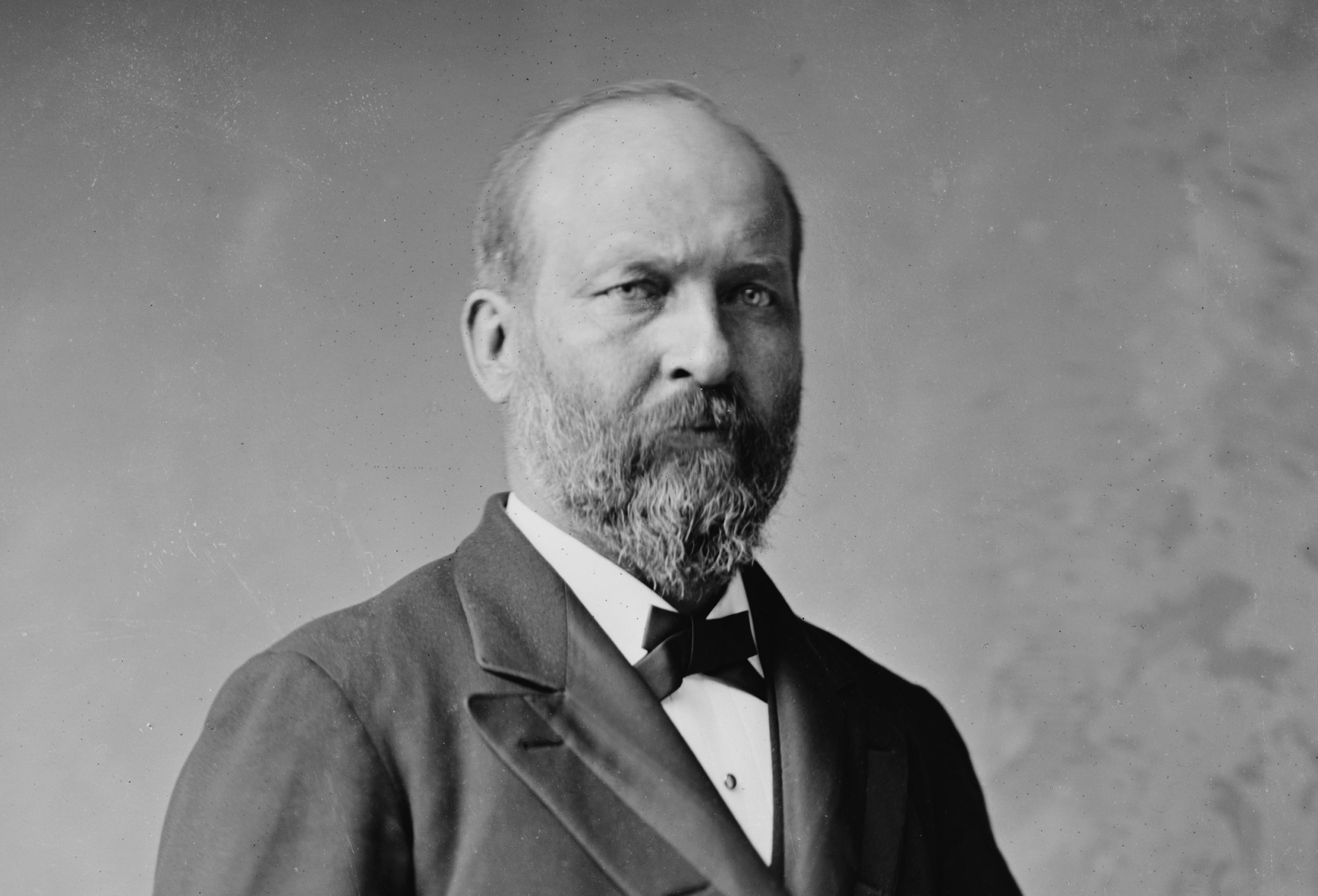
madtechventures.com – James A. Garfield, the 20th President of the United States, led a life that was remarkable for its breadth and depth, though tragically brief in its culmination. Elected in 1880, Garfield’s presidency lasted only six months before he was assassinated, but the influence of his life continues to be felt to this day. From his humble beginnings to his academic achievements, his time as a military leader, and his political career, Garfield’s life was a testament to dedication, intellect, and an unwavering commitment to justice. While his presidency was cut short, Garfield’s vision for reform, his moral integrity, and his relentless pursuit of public service left a lasting legacy.

This article takes a deep dive into the life of James A. Garfield—examining his early years, his rise to political prominence, his presidency, and the enduring impact of his brief time in office.

Early Life and Education: The Foundation of a Scholar

A Humble Beginning in Ohio

James Abram Garfield was born on November 19, 1831, in a small log cabin in Orange Township, Ohio. The son of Abram and Eliza Garfield, James was the youngest of five children. His father died when James was only two years old, leaving his mother, Eliza, to raise him and his siblings. Despite being impoverished and having to work hard to make ends meet, Eliza was deeply committed to her children’s education. Although she lacked formal schooling, she valued the importance of learning and instilled in her children the desire to better themselves.

From a young age, Garfield exhibited remarkable intellectual promise, devouring books whenever he had the chance. His early education was shaped by his mother’s efforts and by his own fierce curiosity. James’s childhood was marked by a blend of hard work and academic aspiration. He spent much of his time working on the family farm but made the most of every opportunity to learn—often studying by candlelight at night. This combination of intellectual curiosity and a relentless work ethic would become central to Garfield’s character.

The Path to Higher Education

Garfield’s formal education began at the Western Reserve Eclectic Institute (later known as Hiram College) in Hiram, Ohio. His teaching experience at the school, while simultaneously pursuing his studies, was pivotal in shaping his leadership and academic career. Despite the financial struggles that forced him to work part-time, Garfield excelled in his studies and quickly gained the respect of both his peers and professors.

In 1854, Garfield took the next step in his education and enrolled at Williams College in Massachusetts, a prestigious institution where he flourished academically. There, Garfield became known for his exceptional grasp of the classics, particularly Greek and Latin. His studies were not limited to the classics, however; he also excelled in history, philosophy, and logic. Garfield’s academic excellence earned him membership in Phi Beta Kappa, an honor society that recognizes scholarly achievement. He graduated in 1856, at the age of 25, with high honors.

Military Service: A Commitment to Duty

The Call to Arms During the Civil War

Garfield’s military service played a critical role in his rise to national prominence. When the Civil War broke out in 1861, Garfield, a staunch Union supporter, was determined to serve his country. Although he had no formal military training, his intellect, leadership skills, and passion for the Union cause quickly propelled him to higher ranks.

Garfield joined the Union Army as a lieutenant colonel and served under General William S. Rosecrans in the Army of the Cumberland. His leadership and strategic insight earned him rapid promotions, and he eventually rose to the rank of major general. Garfield was involved in several important battles, including the Battle of Middle Creek in Kentucky, where his leadership played a decisive role in securing a Union victory.

Throughout his military career, Garfield earned a reputation as a capable and thoughtful leader. He was particularly admired for his ability to inspire his troops, his organizational skills, and his commitment to the Union cause. His service was not only a testament to his patriotism but also to his ability to navigate complex situations and make difficult decisions under pressure. In fact, it was during his time as a military officer that Garfield gained the kind of recognition that would help propel him into political life.

Transition to Political Leadership

After the Civil War, Garfield returned to Ohio, where his military service and leadership skills made him a respected figure. He was soon elected to the U.S. House of Representatives in 1863, where he would go on to serve for nearly 17 years. During his time in Congress, Garfield earned a reputation as a powerful speaker and a leading advocate for a variety of issues, including civil rights, economic development, and the preservation of the Union’s integrity.

Garfield was also a staunch supporter of the Republican Party and aligned himself with President Abraham Lincoln’s vision for Reconstruction after the war. He believed in the importance of ensuring the full civil rights of freed slaves and championed legislative measures to provide greater opportunities for African Americans in the post-war United States.

A Presidential Election: Garfield’s Path to the White House

The 1880 Election and Garfield’s Candidacy

In 1880, Garfield entered the race for the presidency, but not as a front-runner. The Republican Party was divided, with competing factions vying for control. Garfield, who had been serving in Congress for nearly two decades, was largely viewed as a compromise candidate—a man of principle, intellect, and integrity who was acceptable to both the reform-minded and the establishment wings of the party.

Despite initially being considered an underdog in the race, Garfield’s reputation as a brilliant orator and a skilled politician won him the Republican nomination after a lengthy and contentious convention. He defeated rivals like Ulysses S. Grant and James G. Blaine, who had been more prominent figures in the party, and secured the nomination through a combination of skillful political maneuvering and widespread support from party delegates.

Garfield’s candidacy was rooted in a platform of civil service reform, economic modernization, and national unity. He advocated for merit-based appointments in government, which aligned with his belief in integrity and his disdain for the patronage system that had long plagued American politics.

A Narrow Victory in the General Election

In the general election of 1880, Garfield faced Democratic nominee Winfield Scott Hancock, a former Union general. The race was incredibly tight, with Garfield ultimately emerging victorious by a narrow margin. Garfield won the presidency with 48.3% of the popular vote and 214 electoral votes, while Hancock secured 48.2% and 155 electoral votes. The election was a testament to Garfield’s appeal as a moderate, reform-oriented candidate who could unite the nation after the divisiveness of the Civil War.

The Presidency: A Brief but Impactful Term

Civil Service Reform and Efforts to Modernize

Garfield’s presidency was tragically short. He took office on March 4, 1881, and within just four months, he was shot by an assassin’s bullet. Nonetheless, in his brief time in office, Garfield made several significant moves to modernize the federal government and promote civil service reform.

One of Garfield’s most notable achievements was his strong support for merit-based appointments in government. He sought to reduce the patronage system, which rewarded political loyalty over competence. Garfield’s belief in the importance of competence and integrity in government was reflected in his attempts to reform the spoils system and ensure that government positions were filled by qualified individuals. His actions set the stage for future civil service reforms, including the Pendleton Civil Service Reform Act of 1883, which would be passed after his death.

A Legacy Cut Short

Just six months into his presidency, Garfield was shot by Charles J. Guiteau, an assassin who had become disillusioned with the outcome of the election. Garfield succumbed to his wounds on September 19, 1881, leaving the nation in shock. His untimely death was a tragic event that prevented him from fully realizing his political vision.

However, Garfield’s brief presidency had a lasting impact. His advocacy for civil service reform laid the groundwork for a more efficient and less corrupt federal government. His personal integrity and commitment to public service served as a model for future leaders, and his tragic assassination led to widespread calls for reform that would eventually be realized through the Pendleton Act.

Conclusion: The Lasting Impact of James A. Garfield

James A. Garfield’s life, though tragically brief, left an indelible mark on American history. From his humble beginnings to his ascent to the presidency, Garfield’s story is one of perseverance, intellectual curiosity, and dedication to public service. His commitment to civil service reform, his support for education and equality, and his moral integrity set him apart as a leader of vision and principle.

While his presidency was short, Garfield’s legacy continues to be felt today. His vision for a government based on merit, his courage in the face of political and personal challenges, and his belief in the power of education and reform remain an enduring part of the American political landscape. James A. Garfield’s life and legacy remind us that even the briefest of presidencies can leave a lasting impact on the course of a nation.

The Foreign Policy Legacy of John Quincy Adams

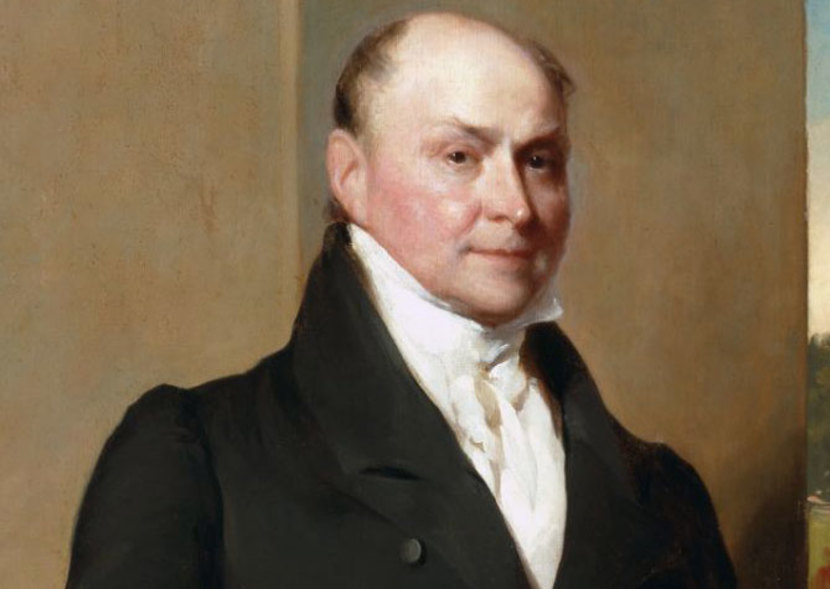
madtechventures.com – John Quincy Adams, the sixth president of the United States, is often remembered for his exceptional contributions to American foreign policy. Serving as both a diplomat and statesman, Adams played a pivotal role in shaping the nation’s global position during the early years of the republic. His diplomatic career, spanning several key European posts, was marked by his meticulous approach to international relations, which became a foundation for the foreign policy of the United States. Adams’s legacy as a foreign policy architect is most notably embodied in his stewardship of American interests abroad, his formulation of the Monroe Doctrine, and his broader vision for America’s place in the world.

This article delves into the lasting foreign policy contributions of John Quincy Adams, examining his role in the development of American diplomacy, his landmark decisions during his presidency, and the broader impact of his ideas on subsequent generations of American foreign policy.

Early Diplomatic Service: Laying the Foundations of U.S. Foreign Policy

A Young Diplomat in Europe

John Quincy Adams’s diplomatic career began when he was appointed as the U.S. minister to the Netherlands at the age of 26. This early experience marked the start of a long career in diplomacy that would take him to some of Europe’s most important capitals, including Prussia, Russia, and Great Britain. The time spent in Europe provided Adams with a first-hand understanding of the complex dynamics of international relations in a period when European powers still dominated global affairs.

His diplomatic assignments during the early 19th century were particularly significant. As the U.S. minister to Prussia (1797–1801) and later the U.S. minister to Russia (1809–1814), Adams had a unique perspective on the European political landscape. He was able to observe firsthand the political upheavals and military conflicts that arose as Napoleon’s influence waned and the power structure of Europe began to shift.

Negotiating the Treaty of Ghent: A Triumph of Diplomacy

One of Adams’s most significant early diplomatic achievements came during the War of 1812, when he served as the U.S. minister to Great Britain. In this capacity, he was one of the principal negotiators of the Treaty of Ghent (1814), which ended the war between the United States and Britain. The treaty was crucial not only in securing peace but also in ensuring that the United States maintained its sovereignty, despite having been embroiled in a conflict with the world’s preeminent military power.

The Treaty of Ghent is considered a triumph of American diplomacy. It restored pre-war boundaries and resolved issues like impressment of American sailors, but importantly, it reaffirmed the United States’ independence and standing in the world. Adams’s strategic thinking and his ability to navigate complex negotiations helped to protect American interests and secure a favorable outcome. This treaty would go on to serve as a testament to his effectiveness as a diplomat.

The Monroe Doctrine: Defining American Influence in the Western Hemisphere

A Bold Declaration of U.S. Power

Perhaps John Quincy Adams’s most enduring legacy in foreign policy is the Monroe Doctrine, which he formulated in 1823 while serving as Secretary of State under President James Monroe. The Monroe Doctrine represented a bold and definitive statement of American foreign policy, laying the groundwork for U.S. actions in the Western Hemisphere for generations to come.

The Monroe Doctrine essentially declared that any European intervention in the Americas—whether through colonization or military action—would be seen as an act of aggression, requiring U.S. intervention. The doctrine was part of Monroe’s annual message to Congress, and Adams was the primary architect behind it. It sought to protect the newly independent nations of Latin America from European interference while asserting the United States’ influence over the Americas.

Adams’s vision for the Monroe Doctrine was rooted in a broader understanding of the geopolitical context of the time. Europe’s colonial ambitions were still a concern, as several European powers had interests in Latin America, a region that had seen many nations declare independence in the wake of the Napoleonic Wars. Adams believed that it was in the United States’ best interest to prevent European powers from reasserting control over their former colonies and to ensure that the United States would be the dominant power in the Western Hemisphere.

The doctrine’s importance lay not just in its immediate impact but also in its enduring influence on U.S. foreign policy. Over the decades, the Monroe Doctrine would become a cornerstone of American diplomacy, shaping U.S. interactions with European powers and providing the justification for later American interventions in Latin America.

A Vision of American Exceptionalism

The Monroe Doctrine also embodied Adams’s belief in American exceptionalism—the idea that the United States was unique and had a special role to play in the world. He believed that the United States should not only remain free from European entanglements but also stand as a model of liberty and democracy for the rest of the world. The Monroe Doctrine was a declaration that the United States would protect the ideals of freedom and self-government in the Americas while ensuring that European powers did not interfere with the sovereign rights of independent nations in the Western Hemisphere.

Adams’s ideas about American exceptionalism would influence future generations of U.S. policymakers, including Theodore Roosevelt, who would later expand upon the Monroe Doctrine with his own version, the Roosevelt Corollary, during the early 20th century.

The Role of John Quincy Adams in U.S. Diplomacy and Global Relations

Maintaining U.S. Neutrality in Foreign Affairs

While the Monroe Doctrine is often highlighted as Adams’s signature foreign policy achievement, his broader approach to diplomacy was equally important. One of Adams’s key priorities as Secretary of State was to ensure that the United States maintained a policy of neutrality in European conflicts. Having witnessed the destructive effects of the Napoleonic Wars and the constant shifting alliances among European powers, Adams believed that it was in the United States’ best interest to avoid getting entangled in European military affairs.

This philosophy of neutrality was grounded in Adams’s firm belief that the United States, as a young republic, should focus on strengthening itself domestically rather than becoming involved in the power struggles of distant European nations. This was evident in his opposition to calls for the United States to align itself with one European power or another, as well as his insistence that the nation should not participate in military alliances that could drag it into conflicts abroad.

Securing Border Agreements and Expanding U.S. Territory

Adams also played a crucial role in negotiating a series of border agreements that helped secure U.S. territory. Notably, he negotiated the Adams-Onís Treaty (1819) with Spain, which ceded Florida to the United States and defined the western boundaries of the U.S. in the territories that would become part of the southwestern states. This treaty resolved longstanding territorial disputes between Spain and the United States and helped to further solidify American control over its growing territory.

Additionally, Adams worked diligently to establish peaceful relations with both European powers and the nations in the Americas. His diplomacy helped to preserve U.S. neutrality in the face of European conflicts while also expanding American influence in the Western Hemisphere.

The Foreign Policy Legacy of John Quincy Adams: A Lasting Influence

Continuing the Tradition of Diplomacy

John Quincy Adams’s foreign policy legacy is marked by his commitment to diplomacy, pragmatism, and the defense of American sovereignty. Through his diplomatic initiatives, Adams ensured that the United States was able to navigate the complex global landscape of the early 19th century without becoming embroiled in conflicts that would jeopardize its survival as a young republic.

His formulation of the Monroe Doctrine, in particular, stands as one of the most influential policies in U.S. history. It not only defined American relations with European powers for generations but also positioned the United States as a dominant force in the Western Hemisphere. The Monroe Doctrine would serve as the foundation for future U.S. interventions in Latin America, further establishing the nation as the region’s primary power.

A Model for American Diplomacy

John Quincy Adams’s approach to foreign policy set a precedent for American diplomacy in the years following his presidency. His firm belief in neutrality, his emphasis on sovereignty, and his vision of a self-reliant United States shaped the country’s foreign policy well into the 20th century. His diplomatic efforts were based on reason and an understanding of the nation’s place in the world, and these principles continue to inform U.S. foreign policy to this day.

Conclusion: The Enduring Influence of John Quincy Adams

The foreign policy legacy of John Quincy Adams is one of thoughtful leadership, bold decisions, and long-lasting impact. As a diplomat, Secretary of State, and later as a congressman, Adams was deeply involved in shaping the direction of American foreign policy during a critical period of the nation’s history. His vision of an independent, neutral, and influential United States became a defining feature of the country’s diplomatic identity, and his contributions to international diplomacy continue to resonate in U.S. foreign policy today.

Jesus Christ: The Life, Teachings, and Legacy of a Spiritual Icon

madtechventures.com – Jesus Christ, also known as Jesus of Nazareth, is one of the most influential and revered figures in human history. His teachings, life, and the spiritual movement he initiated have shaped not only religious thought but also Western civilization, global culture, and moral values. As the central figure of Christianity, which is the world’s largest religion, Jesus’ message of love, compassion, forgiveness, and salvation continues to resonate with millions of people around the world.

This article aims to explore the life, teachings, and impact of Jesus Christ, his role in the foundation of Christianity, and his enduring legacy that spans two millennia.

Early Life and Background

Birth and Family

Jesus Christ was born around 4 to 6 BCE in Bethlehem, a town in the region of Judea (modern-day Israel and Palestine) during the reign of the Roman Emperor Augustus. His birth is celebrated by Christians around the world on December 25th, known as Christmas. According to the Christian scriptures, specifically the Gospels of Matthew and Luke, Jesus was born to Mary, a young Jewish woman, and Joseph, a carpenter.

Jesus’ birth was considered miraculous by Christians, as the Gospels describe it as a virgin birth, with Mary conceiving him through the Holy Spirit. His birth in Bethlehem fulfilled Jewish prophecies about the coming Messiah (the anointed one) who would bring salvation to the Jewish people. The nativity story, with its depiction of the visit of the Wise Men (Magi) and the shepherds, has become a central aspect of Christian tradition.

Early Life in Nazareth

Jesus grew up in the small town of Nazareth in Galilee, where he likely lived a relatively simple life with his parents and siblings. His family was part of the Jewish faith, and Jesus would have been raised in accordance with Jewish customs and teachings. Little is known about his childhood and early adulthood, though it is suggested that he worked as a carpenter, following in the footsteps of his father, Joseph.

During his youth, the Jewish people were living under Roman occupation, and there was significant social and political unrest in Judea. The Jews longed for a Messiah who would deliver them from Roman rule, and the hope for a Savior was widespread in this period.

Public Ministry and Teachings

Baptism and the Beginning of Ministry

Around the age of 30, Jesus began his public ministry, marking the start of his role as a teacher, healer, and spiritual leader. According to the Gospels, Jesus was baptized by John the Baptist in the River Jordan. This event marked the beginning of Jesus’ mission and is considered a symbolic moment of purification and anointing.

Following his baptism, Jesus spent 40 days fasting in the wilderness, where he was tempted by Satan but remained steadfast in his commitment to his mission. After this period of spiritual preparation, he returned to Galilee to begin preaching and spreading his message.

Core Teachings of Jesus

The teachings of Jesus were revolutionary, challenging conventional religious norms and addressing the moral and spiritual needs of society. His messages centered around the love of God and love of neighbor, the Kingdom of God, repentance, and forgiveness. Jesus emphasized that spiritual transformation begins from within the heart and that individuals must live according to God’s will rather than external rituals.

Some of the most fundamental teachings of Jesus included:

  1. Love and Compassion: Jesus taught that love was the greatest commandment—love for God and love for others. He preached that love should extend not only to friends and family but also to enemies and strangers. His famous Sermon on the Mount highlighted the Beatitudes, which emphasized humility, mercy, purity, and a desire for justice.
  2. Forgiveness: Jesus stressed the importance of forgiveness, both in terms of seeking forgiveness from God and forgiving others. He taught that forgiveness should be offered unconditionally and abundantly, as seen in his parables, such as the Parable of the Prodigal Son.
  3. Repentance and Salvation: Jesus called people to repent for their sins and embrace the good news of the Kingdom of God. He taught that salvation was available to all, including the poor, the sick, and sinners, who were often marginalized in society. His message of redemption and eternal life through faith in God was central to his ministry.
  4. The Kingdom of God: A central theme of Jesus’ teachings was the Kingdom of God, which he described as both a present reality and a future hope. The Kingdom was not an earthly political kingdom but a spiritual reign of God’s justice, peace, and love. Jesus taught that through faith, one could enter the Kingdom of God.
  5. The Golden Rule: In the Gospel of Matthew, Jesus famously summarized his ethical teachings with the Golden Rule: “Do unto others as you would have them do unto you.” This principle of treating others with kindness, respect, and dignity has become a universal moral tenet.
  6. Parables: Jesus often used parables—short, symbolic stories—to convey profound spiritual truths. These parables, such as the Parable of the Good Samaritan, the Parable of the Sower, and the Parable of the Lost Sheep, illustrated moral lessons about love, compassion, forgiveness, and the nature of God’s Kingdom.

Miracles and Healings

Jesus’ ministry was also marked by a series of miracles that demonstrated his divine authority and compassion. These miracles included healing the sick, restoring sight to the blind, raising the dead, and performing exorcisms. One of his most famous miracles was the raising of Lazarus from the dead, which was seen as a powerful sign of his ability to overcome death.

Jesus also performed nature miracles, such as calming storms, walking on water, and multiplying loaves and fishes to feed thousands. These miracles were signs that Jesus had a unique connection with God and had the power to bring healing and transformation to the world.

Crucifixion and Death

The Final Days of Jesus

As Jesus’ popularity grew, so did opposition from religious leaders and the Roman authorities. His radical teachings and perceived challenge to the status quo made him a threat to both Jewish religious leaders and Roman rulers. Jesus’ actions, such as cleansing the Temple of money changers, further antagonized the religious establishment.

In the final days of his life, Jesus celebrated the Jewish Passover with his disciples in an event known as the Last Supper. During this meal, Jesus instituted the practice of communion, symbolizing his body and blood, which would be shed for the forgiveness of sins.

Later that night, Jesus was betrayed by one of his disciples, Judas Iscariot, and arrested by Roman soldiers. He was tried before the Jewish council and the Roman governor Pontius Pilate. Despite being innocent, Jesus was sentenced to death by crucifixion, a brutal Roman method of execution reserved for criminals and rebels.

The Crucifixion

Jesus was crucified on a hill outside Jerusalem, a moment of intense suffering that is central to Christian theology. Christians believe that Jesus’ death was a sacrifice for the sins of humanity, and that through his death, the possibility of salvation and eternal life was made available to all who believe in him.

The crucifixion is seen as the fulfillment of Jesus’ mission to redeem the world and reconcile humanity with God. Christians observe Good Friday as the day of Jesus’ crucifixion, marking his ultimate sacrifice and his willingness to bear the sins of the world.

Resurrection and Legacy

The Resurrection

Three days after his crucifixion, Christians believe that Jesus was resurrected from the dead. The resurrection is the cornerstone of Christian faith, as it is seen as a victory over sin and death, affirming Jesus’ divine nature and his role as the Savior of humanity.

Jesus appeared to his disciples and followers after his resurrection, offering them peace and commissioning them to spread his message to all nations. Forty days later, Jesus ascended to heaven in the presence of his disciples, a moment that marked the end of his earthly ministry.

The Spread of Christianity

After Jesus’ death and resurrection, his disciples, especially Peter and Paul, began spreading his teachings throughout the Roman Empire. Christianity rapidly grew from a small Jewish sect to a global religion, attracting millions of followers. The Apostles’ teachings, along with the letters written by Paul, became foundational texts in Christian doctrine.

Jesus’ message of love, forgiveness, and salvation has continued to inspire and transform individuals and societies for over two thousand years. Christianity, with its diverse denominations and traditions, remains one of the world’s major religions, with billions of followers worldwide.

The Enduring Impact of Jesus Christ

Jesus Christ’s impact extends far beyond religious boundaries. His teachings on compassion, social justice, and nonviolence have influenced numerous social movements, including those advocating for civil rights, gender equality, and poverty alleviation. Figures such as Martin Luther King Jr., Mahatma Gandhi, and Mother Teresa drew inspiration from Jesus’ life and message in their efforts to create a more just and compassionate world.

In addition to his influence on religion, art, literature, music, and culture, Jesus’ legacy continues to shape discussions about ethics, morality, and human rights. His life and teachings remind humanity of the importance of love, compassion, and the pursuit of truth.

Conclusion

Jesus Christ’s life, death, and resurrection have had an immeasurable impact on the course of history and the lives of billions of people. His teachings about love, forgiveness, and the Kingdom of God continue to inspire individuals and communities around the world, regardless of religious background. Whether seen as the Son of God, a great moral teacher, or both, Jesus remains a figure whose message transcends time and place. His life serves as a testament to the power of selfless love and the transformative potential of faith.

Donald Duck: The Enduring Legacy of Disney’s Hot-Headed Hero

madtechventures.com – Donald Duck, one of the most iconic and beloved characters created by Walt Disney, has become a central figure in the Disney universe. Known for his distinctive voice, quick temper, and lovable nature, Donald has captured the hearts of audiences around the world since his debut. From his early appearances in animated shorts to his role as a global cultural icon, Donald Duck continues to be an integral part of the Disney legacy.

The Creation and Origins of Donald Duck

Donald Duck was created by Walt Disney and Dick Lundy and first appeared in the 1934 animated short The Wise Little Hen. His creation was part of an effort to diversify the cast of characters in the Disney stable, with the goal of introducing a character with a more fiery and temperamental personality to balance out Mickey Mouse’s calm demeanor. Donald was designed to be a foil to Mickey, bringing a more comical, often exaggerated sense of frustration and impatience to the screen.

Donald’s Debut: The Wise Little Hen

Donald Duck made his first official appearance in The Wise Little Hen, a short film that was part of the Silly Symphonies series. In this short, Donald is portrayed as a lazy and somewhat selfish character who refuses to help a hen plant corn. Though this initial portrayal of Donald was somewhat antagonistic, it quickly became clear that his distinct personality—marked by his high-pitched voice, fiery temper, and ultimate good-natured heart—was a recipe for success. Audiences were charmed by his imperfections, making him an instant favorite.

Evolution of Donald’s Character

In the years following his debut, Donald Duck’s character evolved. While he remained hot-headed and easily frustrated, he also began to show a more sympathetic and loyal side. As he became more involved in a variety of storylines, including those that featured his famous friends like Mickey Mouse, Goofy, and Pluto, Donald became a beloved, relatable character who represented both the comedic hero and the flawed underdog. His antics, often filled with slapstick humor and chaotic energy, made him one of Disney’s most enduring characters.

Donald Duck in Animated Shorts and Films

Donald Duck became a mainstay in Disney animated shorts and films during the 1930s and 1940s. He quickly became one of the studio’s most popular characters, appearing alongside Mickey Mouse and other famous Disney characters in various cartoons and feature films. Donald’s personality was both a source of comedy and a point of relatability for audiences who appreciated his flaws and determination.

Donald in The Three Caballeros (1944)

One of Donald Duck’s most notable film appearances came in 1944 with the release of The Three Caballeros. In this musical film, Donald forms a trio with two Latin American characters, José Carioca and Panchito Pistoles. The film was designed to promote goodwill between the United States and Latin America during World War II and showcased Donald in a more positive light, emphasizing his adventurous spirit and willingness to embrace new cultures. The Three Caballeros remains a beloved classic, and it showcased Donald in a more international context, further solidifying his status as a Disney icon.

Donald Duck in World War II Propaganda

During World War II, Donald Duck played a role in supporting the American war effort. Disney produced several propaganda shorts, with Donald being featured as an irritable, yet determined, character who would stand up for the cause. The most notable of these is Der Fuehrer’s Face (1943), in which Donald dreams he is living in Nazi Germany and faces the oppressive regime. The short earned an Academy Award for Best Animated Short Film and reinforced Donald’s place in the cultural zeitgeist.

Donald Duck in Television and Beyond

As television became more widespread in the 1950s, Donald Duck continued to appear in animated series, solidifying his place in households across the globe. Shows like DuckTales (1987), which featured Donald as a supporting character, introduced the next generation to Donald’s quirky personality and made him a fixture in American pop culture.

Donald Duck’s Personality and Appeal

Donald Duck’s appeal lies in his relatability and his flaws. He is a character who often struggles, gets frustrated, and finds himself in situations that are beyond his control, yet his determination and resilience always shine through. His quick temper and impulsiveness, while humorous, also highlight his deeply human qualities, making him a lovable and endearing character to fans of all ages.

Donald’s Temperament: A Source of Humor

Donald’s most well-known characteristic is his temper. He has a tendency to explode into fits of rage, often screaming in frustration or storming off when things don’t go his way. This over-the-top reaction to everyday situations has been a source of comedy in countless cartoons. Donald’s tantrums, however, are always short-lived, and his good nature quickly returns, ensuring that his outbursts are more comical than harmful.

The Endearing Flaws of Donald Duck

Donald’s flaws are what make him so lovable. He is often depicted as being clumsy, impatient, and sometimes selfish. These qualities, however, do not make him a villain. Instead, they make him a more human character, one whose imperfections make him relatable to audiences. Whether he’s trying to impress his friends, win a race, or complete a task, Donald’s determination in the face of adversity showcases his enduring spirit.

Donald Duck and His Family

In addition to his interactions with Mickey and friends, Donald Duck’s family has also played an important role in his story. His relationships with his nephews—Huey, Dewey, and Louie—have been central to many cartoons, showing a different side of Donald as a caregiver and role model. These interactions have allowed Donald to display his more nurturing side, providing a balance to his typically fiery temperament.

Huey, Dewey, and Louie: Donald as a Caregiver

Donald became the guardian of his nephews, Huey, Dewey, and Louie, after their parents were never fully explained. In the DuckTales series, Donald’s role as a sometimes exasperated uncle was highlighted, showing his growth as a character. Though Donald was frequently at his wit’s end trying to keep up with his energetic nephews, his love for them and his determination to do right by them shone through.

Donald Duck in the Modern Era

Today, Donald Duck continues to be a prominent character in the Disney universe. He has appeared in numerous television series, theme parks, video games, and merchandise. His popularity remains strong, with new generations of fans discovering his charm and antics.

Donald Duck in the Theme Parks

In Disney theme parks, Donald Duck is a beloved character who is often seen meeting guests and participating in parades and stage shows. He is a regular feature at Disneyland, Walt Disney World, and other Disney resorts around the world. Fans enjoy interacting with him, taking photos, and enjoying his comedic presence during various performances.

Donald in Video Games

Donald Duck has also appeared in numerous video games over the years, many of which allow players to control him as a main character. Games like Kingdom Hearts, where Donald serves as a key member of the player’s team, have introduced him to a whole new generation of fans who engage with him through interactive experiences. His quirky personality and adventures in these games have helped solidify his place in modern entertainment.

Conclusion

Donald Duck remains one of the most iconic and beloved characters in the Disney universe. His fiery temper, lovable flaws, and enduring determination have made him a fan favorite for generations. From his early days in animated shorts to his role in modern media, Donald has remained a central figure in the Disney legacy. His unique blend of humor, humanity, and heart ensures that he will continue to bring joy to audiences for many years to come.

Martin Luther King Jr.: A Legacy of Nonviolent Activism

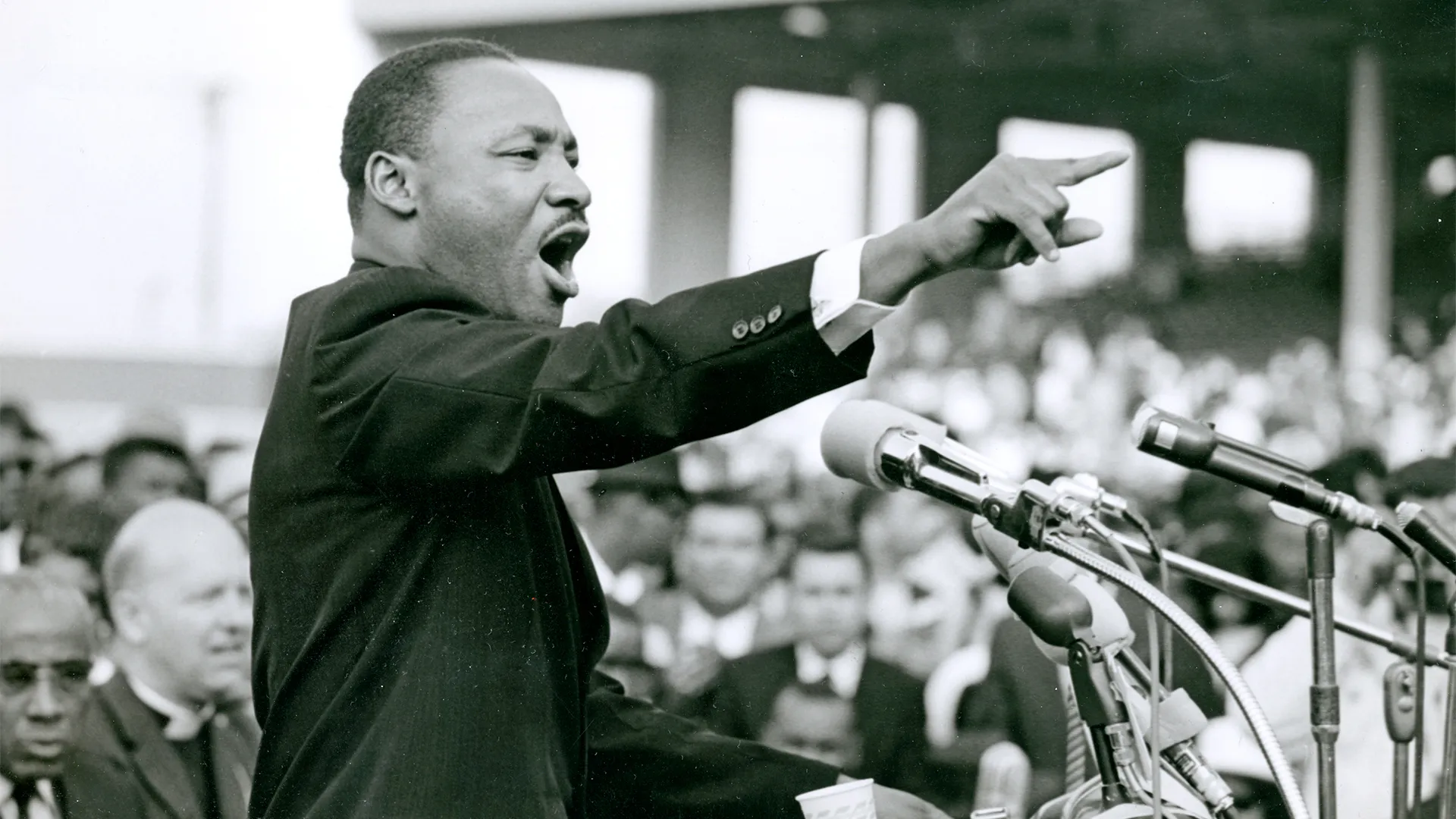
madtechventures.com – Martin Luther King Jr. was a leader whose efforts in the American Civil Rights Movement reshaped history and advanced the cause of justice and equality for African Americans. His commitment to nonviolent protest, his powerful oratory, and his steadfast belief in equality made him a central figure in the struggle against racial segregation and discrimination. King’s legacy continues to inspire movements for justice, equality, and peace all around the world.

Early Life and Education

Birth and Family Background

Martin Luther King Jr. was born on January 15, 1929, in Atlanta, Georgia. His father, Martin Luther King Sr., was a prominent pastor at Ebenezer Baptist Church in Atlanta, and his mother, Alberta Williams King, was a former schoolteacher and a strong influence in his life. King Jr. grew up in a relatively stable and loving environment, with his father being a key figure in the African American community and his mother imparting a deep sense of faith and discipline.

Education and Intellectual Formation

King showed promise as a student from a young age. He attended public schools in Atlanta and graduated from Morehouse College in 1948, where he earned a degree in sociology. At Morehouse, King was influenced by his mentor, Dr. Benjamin Mays, the college president, who was an advocate for racial equality and social justice.

After Morehouse, King attended Crozer Theological Seminary in Pennsylvania, where he earned a Bachelor of Divinity degree in 1951. During his time at Crozer, King became exposed to the works of Mahatma Gandhi and was particularly moved by Gandhi’s philosophy of nonviolent resistance. This would become a cornerstone of King’s own activism.

King completed his education at Boston University, where he earned a doctorate in systematic theology in 1955. His academic journey deeply shaped his belief in the power of nonviolence and the role of faith in social change.

Civil Rights Movement: A Nonviolent Revolution

The Montgomery Bus Boycott

In 1955, King’s role in the Civil Rights Movement was solidified when Rosa Parks, an African American woman, was arrested for refusing to give up her seat to a white passenger on a bus in Montgomery, Alabama. In response to her arrest, King, who had recently become pastor of the Dexter Avenue Baptist Church in Montgomery, was chosen to lead the Montgomery Bus Boycott.

The boycott, which lasted for over a year, was a peaceful protest against the segregation of public transportation. King’s leadership during this period demonstrated his ability to mobilize the African American community while maintaining a commitment to nonviolent resistance. The boycott ended in 1956 with the Supreme Court ruling that segregated bus seating was unconstitutional. This victory marked a significant moment in the Civil Rights Movement and propelled King into national prominence.

Founding the Southern Christian Leadership Conference (SCLC)

In 1957, King co-founded the Southern Christian Leadership Conference (SCLC), an organization dedicated to using nonviolent civil disobedience to challenge segregation and discrimination across the South. The SCLC was pivotal in organizing marches, protests, and campaigns that called attention to the injustices faced by African Americans. The organization emphasized the role of churches and faith communities in the fight for civil rights, aligning with King’s belief that the struggle for equality was not only a political battle but a moral and spiritual one as well.

Nonviolent Resistance and the Philosophy of Gandhi

King’s leadership was deeply influenced by the philosophy of nonviolence, which he adopted after learning about Mahatma Gandhi’s success in resisting British colonial rule in India. Gandhi’s ideas about nonviolent resistance, or “satyagraha,” which emphasized peaceful protest and the moral power of love, became central to King’s activism. King often quoted Gandhi’s assertion that “an eye for an eye only ends up making the whole world blind,” reinforcing his belief that nonviolent protest was the most powerful weapon in the struggle for justice.

King’s strategy of nonviolence was tested time and again, particularly as he and his supporters were subjected to violence and brutality. From police dogs and fire hoses to beatings and arrests, the resistance faced by King and his followers was severe. Despite these challenges, King remained committed to nonviolence, believing that it was the only way to build a just and peaceful society.

Major Campaigns and Marches

The Birmingham Campaign

In 1963, King and the SCLC launched the Birmingham Campaign in Alabama, a city known for its entrenched racial segregation and violent treatment of African Americans. The campaign aimed to end discriminatory practices in public facilities, businesses, and schools.

During the protests, King was arrested for his role in the demonstrations, but his imprisonment brought widespread attention to the cause. It was during his time in jail that King wrote his famous “Letter from Birmingham Jail,” in which he defended the strategy of nonviolent civil disobedience and called for direct action against racial injustice. He argued that waiting for the “right time” to demand justice would only prolong suffering and that African Americans had a moral obligation to act.

The Birmingham Campaign resulted in a series of victories, including the desegregation of public facilities and the hiring of black employees in businesses. However, it also highlighted the fierce resistance faced by African Americans in their quest for equality.

The March on Washington for Jobs and Freedom

One of the most iconic moments in the Civil Rights Movement came on August 28, 1963, with the March on Washington for Jobs and Freedom. More than 250,000 people, both black and white, gathered on the steps of the Lincoln Memorial to demand racial equality, economic justice, and the protection of civil rights for all Americans.

It was here that King delivered his famous “I Have a Dream” speech, one of the most powerful orations in American history. In this speech, King outlined his vision for a racially integrated society, where people would be judged by the content of their character rather than the color of their skin. His words resonated with millions of Americans and became a defining moment in the fight for civil rights.

The Selma to Montgomery Marches

In 1965, King led the Selma to Montgomery marches, which aimed to secure voting rights for African Americans in the South. The marches, which were met with violent resistance from local authorities, led to the passage of the Voting Rights Act of 1965. This landmark legislation prohibited racial discrimination in voting practices and was one of the most significant achievements of the Civil Rights Movement.

King’s Philosophy of Peace and Justice

Economic Justice and the Poor People’s Campaign

While King is best known for his work in fighting racial segregation, his commitment to justice extended beyond race. In the final years of his life, King began to focus more on economic inequality and the plight of the poor. He launched the Poor People’s Campaign in 1968, which sought to address poverty and inadequate housing for all people, regardless of race.

King believed that economic justice was inseparable from racial justice and that the fight for civil rights could not be fully achieved without addressing economic disparity. His work in this area also brought him into conflict with both the government and some of his traditional allies, as his calls for economic redistribution and a greater social safety net challenged the status quo.

Opposition to the Vietnam War

In 1967, King made a bold and controversial statement by publicly opposing the Vietnam War. He condemned the war as an unjust conflict that diverted resources away from the fight against poverty and racial injustice. His opposition to the war alienated some of his supporters but also highlighted his commitment to justice on a global scale.

King’s stance on the Vietnam War reflected his belief in the interconnectedness of all struggles for justice, whether they were related to race, war, or poverty. He famously stated, “Injustice anywhere is a threat to justice everywhere.”

Assassination and Legacy

The Assassination of Martin Luther King Jr.

Tragically, Martin Luther King Jr.’s life was cut short by an assassin’s bullet. On April 4, 1968, while standing on the balcony of the Lorraine Motel in Memphis, Tennessee, where he was supporting striking sanitation workers, King was shot and killed. His death was met with national mourning, and riots broke out in several major cities.

Despite his untimely death, King’s work and message lived on. His leadership of the Civil Rights Movement was instrumental in securing civil rights for African Americans, and his advocacy for nonviolence continues to inspire movements for social justice worldwide.

The Civil Rights Act of 1964 and the Voting Rights Act of 1965

King’s legacy is deeply intertwined with the passage of the Civil Rights Act of 1964 and the Voting Rights Act of 1965, both of which helped dismantle institutionalized racism in the United States. These laws were monumental achievements of the Civil Rights Movement and remain cornerstones of American civil rights policy.

Martin Luther King Jr. Day

In 1983, Martin Luther King Jr. was posthumously honored with a national holiday. Martin Luther King Jr. Day, celebrated annually on the third Monday of January, serves as a reminder of King’s contributions to justice, equality, and peace.

Conclusion

Martin Luther King Jr.’s life was marked by a fierce dedication to justice, equality, and nonviolence. His leadership in the Civil Rights Movement changed the course of American history, and his messages of peace, love, and justice continue to resonate around the world. King’s ability to inspire, his courage in the face of adversity, and his commitment to a better future for all people solidify his place as one of the most influential leaders in history. As we reflect on his life, we are reminded that the fight for justice is ongoing, and that King’s dream of equality and peace remains a goal worth striving for.