Bisikan Watergate: Di Balik Layar Skandal Nasional

Skandal Watergate adalah salah satu skandal politik terbesar yang pernah mengguncang Amerika Serikat. Bukan hanya sekadar peristiwa pembobolan sederhana, Watergate adalah titik balik dalam sejarah politik Amerika, yang mengungkap penyalahgunaan kekuasaan di tingkat tertinggi pemerintah. Dalam artikel ini, yang dipersembahkan oleh www.madtechventures.com, kita akan menyelami apa yang sebenarnya terjadi di balik layar skandal besar ini, serta dampaknya terhadap politik nasional.

Awal Mula Skandal Watergate

Skandal Watergate berawal pada Juni 1972 ketika lima pria tertangkap basah berusaha membobol markas Komite Nasional Partai Demokrat di kompleks perkantoran Watergate di Washington, D.C. Pembobolan ini dianggap sebagai tindakan kecil pada awalnya, tetapi penyelidikan yang dilakukan oleh wartawan dan otoritas federal akhirnya mengarah pada bukti keterlibatan pejabat tinggi Gedung Putih.

Peran Gedung Putih dan Upaya Penutupan

Pada awalnya, pemerintahan Nixon mencoba menyembunyikan keterlibatan mereka dalam insiden Watergate. Gedung Putih berusaha menutupi fakta bahwa perintah pembobolan tersebut sebenarnya berasal dari kalangan internal pemerintahan. Segera setelah itu, terungkap bahwa tim kampanye Presiden Nixon, yang dikenal sebagai “Committee to Re-elect the President” (disingkat CREEP), memainkan peran besar dalam rencana tersebut. Mereka berusaha mengumpulkan informasi dan mencuri dokumen rahasia yang dapat merugikan lawan politik mereka.

Namun, lebih dari sekadar pembobolan itu sendiri, upaya Nixon untuk menghalangi proses hukum adalah yang benar-benar memicu skandal besar ini. Nixon menggunakan segala cara untuk menghentikan penyelidikan, termasuk menggunakan FBI dan CIA untuk menghambat jalannya hukum. Skandal Watergate akhirnya mengungkap penyalahgunaan kekuasaan besar-besaran di tingkat tertinggi pemerintahan Amerika.

Investigasi Watergate: Tekanan Terhadap Nixon

Ketika kecurigaan meningkat, media, terutama wartawan dari The Washington Post, mulai menyelidiki lebih dalam kasus ini. Wartawan seperti Bob Woodward dan Carl Bernstein, melalui informan rahasia yang dikenal sebagai Deep Throat, terus menggali informasi yang menunjukkan bahwa ada keterlibatan langsung dari Gedung Putih dalam skandal tersebut.

Rekaman Rahasia Nixon

Salah satu momen kunci dalam penyelidikan Watergate adalah penemuan rekaman rahasia percakapan Nixon di Oval Office. Pada Juli 1973, terungkap bahwa Nixon telah merekam sebagian besar percakapannya di Gedung Putih, termasuk diskusi tentang rencana Watergate dan upaya penutupan. Rekaman ini menjadi bukti utama yang menunjukkan bahwa Nixon tidak hanya mengetahui tentang skandal tersebut tetapi juga berusaha menutupinya.

Ketika rekaman ini akhirnya diungkap ke publik, tekanan terhadap Nixon semakin besar. Kongres mulai mempertimbangkan pemakzulan, dan dukungan publik untuk presiden pun anjlok.

Dampak Skandal Watergate

Pada Agustus 1974, di tengah ancaman pemakzulan yang hampir pasti, Richard Nixon memutuskan untuk mengundurkan diri dari jabatannya sebagai Presiden Amerika Serikat. Ini adalah pertama kalinya dalam sejarah Amerika Serikat seorang presiden mundur dari jabatannya. Pengunduran diri Nixon merupakan puncak dari skandal Watergate, yang tidak hanya menghancurkan karier politik Nixon tetapi juga menodai kepercayaan publik terhadap pemerintah.

Reformasi Pasca-Watergate

Skandal Watergate memiliki dampak yang mendalam dan luas pada politik Amerika Serikat. Skandal ini memicu reformasi besar dalam pengawasan pemerintah dan pengendalian kekuasaan presiden. Kongres memberlakukan serangkaian undang-undang untuk meningkatkan transparansi pemerintah, memperkuat kebebasan informasi, dan memperketat pengawasan terhadap badan-badan intelijen.

Selain itu, Watergate memicu krisis kepercayaan masyarakat terhadap pemerintah federal, yang terus memengaruhi politik Amerika hingga hari ini. Skandal ini menekankan pentingnya akuntabilitas dalam kekuasaan dan mengajarkan pelajaran bahwa tidak ada satu pun individu atau lembaga yang boleh berada di atas hukum.

Kesimpulan

Skandal Watergate bukan sekadar skandal pembobolan, melainkan sebuah drama politik yang penuh intrik, penyalahgunaan kekuasaan, dan upaya penutupan besar-besaran yang melibatkan Gedung Putih. Melalui investigasi media dan upaya keras untuk mengungkap kebenaran, skandal ini akhirnya mengakhiri karier politik Richard Nixon dan meninggalkan warisan reformasi politik yang penting bagi Amerika Serikat.

Di www.madtechventures.com, kami menyelidiki bagaimana peristiwa besar seperti Watergate membentuk cara masyarakat memandang kekuasaan dan otoritas. Watergate adalah pengingat bahwa kekuasaan harus selalu diiringi dengan tanggung jawab dan bahwa keadilan harus ditegakkan tanpa memandang jabatan. Skandal ini meninggalkan pelajaran penting bahwa bahkan mereka yang berada di puncak kekuasaan dapat jatuh ketika kebenaran akhirnya terungkap.

Truman and the Desegregation of the Armed Forces

madtechventures.com – When we think of Harry S. Truman, many of us recall his decisive leadership during the final stages of World War II, his role in shaping the early Cold War, and his famous decision to drop the atomic bomb. But another vital aspect of his presidency was his bold stand on civil rights, particularly when it came to the issue of racial segregation in the United States military. Truman’s leadership on the desegregation of the armed forces not only had a profound impact on the military but also played a key role in the larger civil rights movement that would gain momentum in the 1950s and 1960s.

Truman’s executive order to desegregate the armed forces was a crucial moment in U.S. history—a moment that signaled the beginning of the federal government’s active role in fighting racial discrimination. This decision was both a product of its time and a defining step in the long road toward racial equality in America.

The State of Segregation in the U.S. Military

Before World War II, the U.S. military was deeply segregated. African American soldiers served in separate units, often in roles that were considered secondary or less important. They were denied the same training, leadership opportunities, and combat duties that their white counterparts enjoyed. In many cases, African American soldiers were relegated to non-combat roles such as cooks, stewards, and laborers. Despite their bravery and dedication, they were treated as second-class citizens within the military, and often subjected to discrimination and harsh treatment from their fellow soldiers and superiors.

However, during World War II, African American soldiers proved themselves in a number of critical roles. The Tuskegee Airmen, for example, became one of the most famous and respected groups of African American pilots in U.S. history, showing exceptional skill and courage in combat. While the war helped to push back some of the racial barriers in the military, segregation remained a deeply entrenched institution.

When Truman took office in 1945, he inherited a military that was still segregated and a nation where racial inequality was widespread. Despite the growing calls for civil rights reform, racism was deeply rooted in many aspects of American society, and the military was no exception.

Truman’s Civil Rights Commitments

When Truman became president, he found himself in a moment of historical transition. The horrors of war had raised awareness about the fight for freedom and equality abroad, and many Americans began to realize that the principles they fought for overseas should be extended to their own citizens, regardless of race. Truman was personally moved by the injustices faced by African Americans, and he had already begun making steps toward civil rights reform even before he became president.

In 1946, Truman established the President’s Committee on Civil Rights, which issued a report called “To Secure These Rights.” This report highlighted the many racial inequalities in the U.S., including voter disenfranchisement, unequal educational opportunities, and segregation in the military. The committee called for sweeping reforms and laid the foundation for a more active federal government role in advancing civil rights.

Truman’s growing awareness of these issues, paired with his political ambition and belief in American democracy, prompted him to make a bold move on racial integration in the military—a decision that would have far-reaching consequences for both the armed forces and the civil rights movement.

The Executive Order: Desegregating the Military

Truman’s decision to desegregate the U.S. military came on July 26, 1948, with the signing of Executive Order 9981. This executive order called for the elimination of racial segregation in the armed forces and mandated that the military provide equal treatment and opportunity to all personnel, regardless of race, color, religion, or national origin.

The order stated that the President, through the newly created Armed Forces Integration Committee, would oversee the process of integration. The committee was tasked with establishing policies that would allow for the fair treatment of all servicemen and women, including ensuring that they had equal access to training, leadership roles, and combat assignments.

Truman’s executive order was groundbreaking for several reasons. First, it marked a direct federal intervention to dismantle one of the most entrenched forms of institutional racism in the country—the racial segregation of the U.S. military. Second, it sent a powerful message to the nation and the world that the United States, despite its shortcomings, was committed to the ideals of democracy and equality.

However, while the order was a historic step, it was not an immediate or complete solution to racial inequality in the military. The military leadership at the time was resistant to change, and many generals and officers did not support the desegregation effort. In fact, full integration of the armed forces did not occur overnight—it took several years for the military to implement the necessary changes and for African American soldiers to be fully integrated into regular units.

Truman’s Legacy on Civil Rights

Truman’s decision to desegregate the military was one of the first significant acts of civil rights reform during the post-war era, and it set the stage for future advancements in racial equality. By taking this step, Truman broke down barriers and created a precedent for future presidents to follow. Though the military remained segregated for a time, Truman’s executive order laid the groundwork for the eventual full integration of the armed forces.

In addition to desegregation, Truman’s leadership helped set the tone for the civil rights movement of the 1950s and 1960s. His action encouraged future activism and provided a model for how federal leadership could influence positive change in society. The desegregation of the armed forces became one of the milestones that would lead to further efforts in racial integration and equality, both in the military and across the nation.

The Impact on the Armed Forces

The desegregation of the U.S. military had lasting effects on both the military and broader American society. While full integration did not happen overnight, the process began with Executive Order 9981. By the Korean War, African American soldiers were integrated into regular army units, and they proved themselves in combat, earning the respect of their fellow soldiers and superiors.

Furthermore, the military’s integration served as a model for other institutions in America. As African Americans gained access to better opportunities within the armed forces, it also helped to push forward the push for civil rights legislation in the broader society. The momentum created by Truman’s decision was one of the key factors in the success of the civil rights movement, which would eventually lead to landmark changes, such as the Civil Rights Act of 1964 and the Voting Rights Act of 1965.

Conclusion: Truman’s Bold Stand for Equality

At madtechventures.com, we recognize that Harry S. Truman’s decision to desegregate the armed forces was a courageous and forward-thinking action that helped to reshape the landscape of American society. Although Truman’s stand was just one piece of the larger civil rights movement, it was a crucial step that proved the federal government could—and should—play an active role in fighting racial inequality.

Truman’s leadership in this area stands as a testament to the power of presidential action in advancing social change. By desegregating the military, he not only contributed to the progress of civil rights but also set an example of moral courage for future generations. Harry S. Truman’s decision was more than just about the armed forces; it was about America’s ideals and the belief that the pursuit of justice and equality is never truly finished.

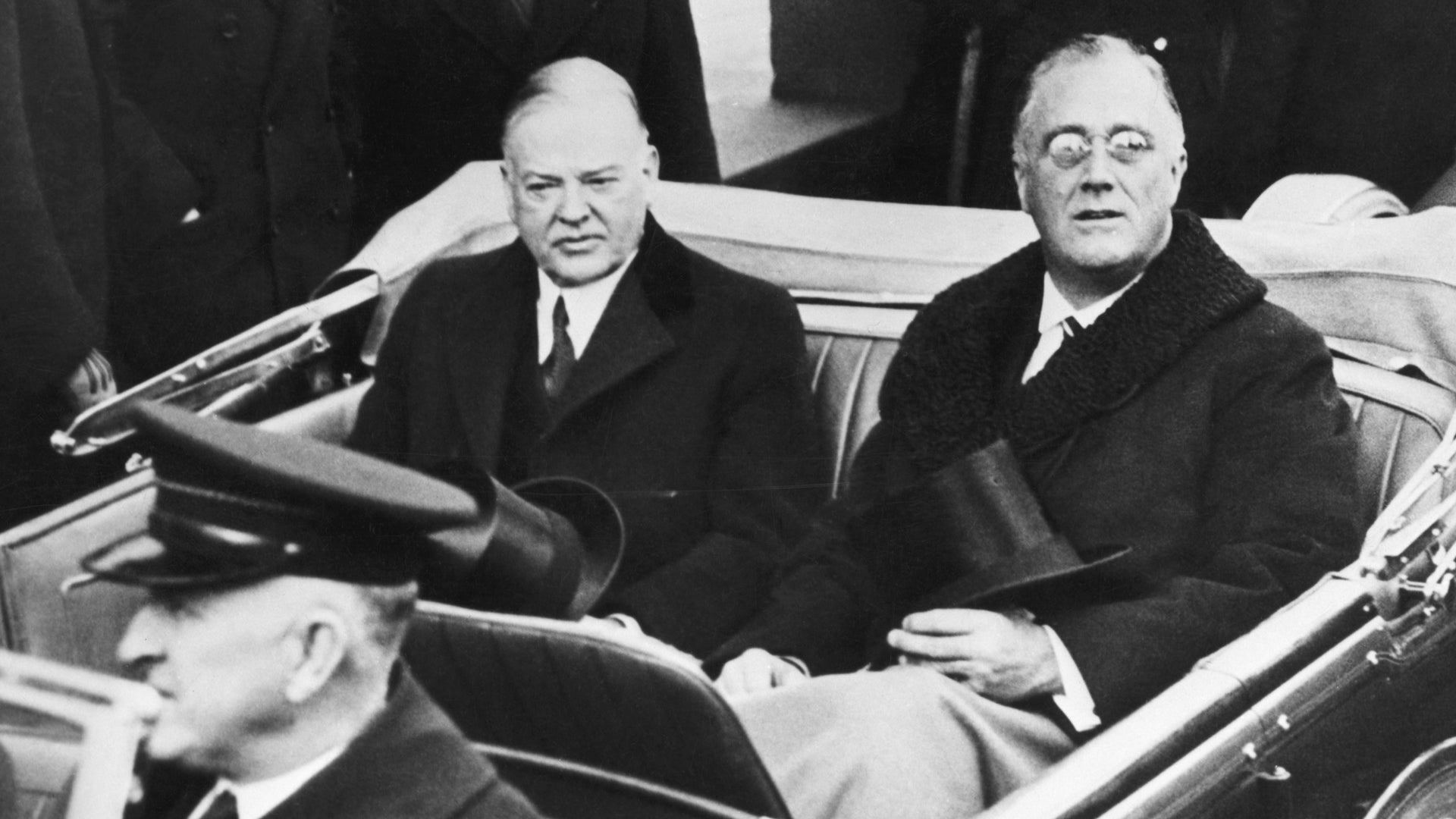
Herbert Hoover and the Great Depression: A Legacy in Crisis

madtechventures.com – Herbert Hoover, the 31st President of the United States, entered the White House in 1929 with a reputation as a brilliant engineer, successful businessman, and humanitarian. He promised to continue the era of prosperity that had defined the 1920s, advocating for economic growth, individual self-reliance, and minimal government intervention. However, just months after Hoover took office, the United States was plunged into the worst economic crisis it had ever seen—the Great Depression. Despite his experience and expertise, Hoover’s leadership during this period has been widely criticized, and his presidency is often remembered as one marked by failure. However, his legacy in the context of the Great Depression is more nuanced, shaped by his policies, his actions during the crisis, and the larger historical forces at play.

This article explores Herbert Hoover’s role in the Great Depression, examining his responses to the economic disaster, the criticisms he faced, and how the crisis shaped his legacy.

The Stock Market Crash and the Onset of the Great Depression

Herbert Hoover assumed the presidency on March 4, 1929, amidst a climate of optimism. The economy was booming, unemployment was low, and prosperity seemed guaranteed. Hoover was confident that the nation was on the cusp of achieving an even greater future. He promised to continue the policies of his predecessors and believed in the power of voluntary cooperation between business, labor, and government to ensure continued growth.

The Collapse of Prosperity: Black Thursday and Black Tuesday

However, the economic landscape changed dramatically just months after Hoover took office. On October 24, 1929, the U.S. stock market experienced a massive crash, known as Black Thursday. While this event was unsettling, it was not until October 29, 1929—Black Tuesday—that the full extent of the stock market collapse became clear. On that day, the stock market lost billions of dollars in value, sending shockwaves through the global economy.

The crash marked the beginning of the Great Depression, a period of unprecedented economic hardship that would last for more than a decade. Within months, banks failed, businesses shuttered, unemployment skyrocketed, and millions of Americans found themselves out of work and facing poverty.

Hoover’s Initial Response to the Crisis

In the immediate aftermath of the stock market crash, Hoover initially maintained a sense of optimism. He believed that the economy would recover on its own and that government intervention should be minimal. Hoover had a strong belief in the power of individualism and self-reliance, values that were deeply rooted in his Quaker upbringing. He did not initially see the need for the federal government to intervene directly in the economy, instead advocating for local and state governments to take action.

Hoover also relied on voluntary cooperation from businesses and labor organizations to address the economic crisis. He believed that businesses would continue to invest in the economy and that workers would show restraint and avoid striking, which would hurt the economy further. Hoover called for the formation of the National Business Recovery Board, encouraging businesses to maintain wages and employment levels, but this approach had limited success. While some industries cooperated, many did not, and the economic situation only worsened.

Public Works and the Reconstruction Finance Corporation

As the Depression deepened, Hoover eventually realized that more direct action was necessary. In 1931, he pushed for a public works program to create jobs and stimulate the economy. The most famous of these projects was the Hoover Dam, a massive construction project that provided both jobs and much-needed infrastructure for the American West. However, the scale of these efforts was insufficient to address the breadth of the economic crisis.

In 1932, Hoover took a more significant step with the creation of the Reconstruction Finance Corporation (RFC), which was designed to provide loans to banks, railroads, and businesses in an attempt to stabilize the financial system. The RFC was Hoover’s most ambitious economic recovery program and was intended to jump-start the economy by providing much-needed capital to struggling businesses. While the RFC did help some industries and banks, critics argued that it primarily benefitted large corporations and did little to alleviate the suffering of ordinary Americans. The public’s frustration with Hoover mounted as the crisis deepened.

Criticism of Hoover’s Policies

Despite Hoover’s attempts to stabilize the economy, his policies were widely criticized for being ineffective and out of touch with the needs of ordinary Americans. Hoover’s reluctance to provide direct federal relief to the unemployed, in particular, became a major point of contention. Hoover’s belief in individual responsibility and self-reliance led him to oppose federal welfare programs, arguing that charity should come from local and private sources rather than the government. This approach angered many, as millions of Americans faced homelessness and hunger.

The Bonus Army March

One of the most poignant examples of Hoover’s failure to address the immediate needs of struggling Americans occurred in 1932 with the Bonus Army march. Thousands of World War I veterans, many of whom were destitute, descended on Washington, D.C., to demand early payment of a bonus that had been promised to them for their service. Hoover’s response to the Bonus Army was harsh: he ordered the army to disperse the veterans, resulting in the use of military force to remove the peaceful protesters. The violent eviction, which included the use of tanks and tear gas, deeply damaged Hoover’s image and further fueled public anger against him.

Unemployment and Hunger: The Plight of the American People

As unemployment soared and hunger spread across the country, Hoover’s insistence on limited government intervention appeared increasingly out of touch. The visible suffering of millions of Americans stood in stark contrast to Hoover’s belief in a self-correcting economy. Hoover’s inability to address the human cost of the Depression contributed to the erosion of his popularity, culminating in his crushing defeat in the 1932 presidential election.

The 1932 Election: Hoover’s Defeat

The 1932 presidential election was a turning point in American history, as Franklin D. Roosevelt campaigned on a promise to address the Great Depression with a comprehensive plan for government intervention and reform. Roosevelt’s vision for a “New Deal” resonated with voters, who were disillusioned with Hoover’s handling of the crisis.

Hoover, for his part, tried to defend his record, emphasizing the actions he had taken to address the crisis. However, his message was overshadowed by the suffering of the American people. On November 8, 1932, Hoover was defeated in a landslide by Roosevelt, who would go on to become one of the most consequential presidents in American history.

Hoover’s Post-Presidency: Reflection and Legacy

After his defeat in 1932, Hoover largely withdrew from the political spotlight. However, he continued to write, speak, and engage in public service. He remained an active voice in American public life, offering his perspectives on the Depression, government policy, and international affairs.

Despite his post-presidential efforts to rehabilitate his image, Hoover’s legacy remains largely tied to the Great Depression. He is often seen as a leader who failed to adequately respond to the crisis and whose policies were too conservative for the scale of the economic disaster. Hoover’s reluctance to embrace bold government intervention has been widely criticized, as many believed that more aggressive action could have alleviated some of the suffering and shortened the duration of the Depression.

At the same time, some scholars argue that Hoover’s actions were not entirely without merit. His advocacy for public works, such as the Hoover Dam, laid the groundwork for future infrastructure projects. His establishment of the RFC, while flawed, was an attempt to stabilize the banking system during a time of extreme financial uncertainty. Moreover, Hoover’s deep commitment to humanitarian work and his efforts to provide relief to foreign nations during and after World War I remain an important part of his legacy.

A Complex Legacy: Hoover’s Place in History

Herbert Hoover’s legacy in relation to the Great Depression is complex and multifaceted. While his presidency is often associated with failure, it is important to remember that he faced an unprecedented economic crisis, one that defied even the most capable leaders. Hoover’s faith in individualism, limited government, and voluntary cooperation, although well-intentioned, proved inadequate in the face of the severe hardships brought on by the Depression.

Nevertheless, Hoover’s life was marked by many accomplishments outside of his presidential tenure. His early career as an engineer and his work as a global humanitarian during World War I remain significant aspects of his legacy. His post-presidential contributions, including his support for international relief efforts during World War II and his advocacy for government efficiency, provide a more nuanced view of his impact on American history.

Ultimately, Herbert Hoover’s legacy is one shaped by the Great Depression, a time of profound crisis that exposed the limitations of his political philosophy and the shortcomings of his presidency. While Hoover’s actions were not sufficient to overcome the Depression, they provide valuable lessons in crisis management, government intervention, and the complexities of leadership in times of national distress. His place in history, though defined by his failure to solve the economic crisis, remains that of a man who tried to apply his belief in self-reliance to an economic catastrophe far beyond anyone’s control.

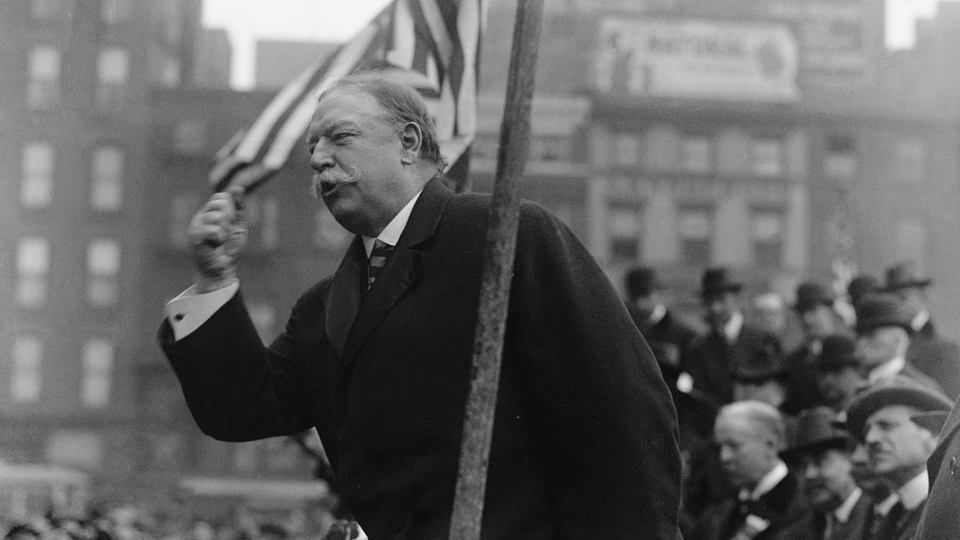
Taft’s Presidency: Navigating the Political Divide

madtechventures.com – William Howard Taft’s presidency, which spanned from 1909 to 1913, was marked by significant political and ideological divides that shaped his administration and ultimately affected his legacy. While Taft entered office with the endorsement of Theodore Roosevelt, his close political ally and predecessor, his time in the White House became defined by a rift between the two men, leading to a split in the Republican Party. The divisions during his presidency had lasting consequences for both Taft and the Republican Party, influencing the course of American politics for years to come.

Taft’s ability to navigate the political landscape, manage internal party divisions, and tackle key issues of his time such as tariffs, business regulation, and foreign policy left a deep impact on American governance. His presidency, though often overshadowed by the rise of progressivism and the election of Woodrow Wilson in 1912, was marked by both successes and challenges that reflect the complexities of governing during an era of rapid change.

In this article, we will explore the dynamics of Taft’s presidency, focusing on the political challenges he faced, his relationship with Roosevelt, his stance on key domestic issues, and his role in the broader context of American politics.

Early Years and the Path to the Presidency

The Roosevelt Connection

William Howard Taft was initially handpicked by Theodore Roosevelt to be his successor, a decision that was meant to ensure the continuation of Roosevelt’s progressive policies. Roosevelt had brought about significant reforms during his presidency, particularly in areas such as trust-busting, conservation, and labor rights. He saw Taft, his close friend and trusted ally, as a man who could carry forward these initiatives. Taft, a former judge and administrator in the Philippines, had earned Roosevelt’s trust for his reputation as an effective, albeit more cautious, reformer.

When Taft ran for president in 1908, Roosevelt’s endorsement helped propel him to victory, as he campaigned on a platform of progressive reform, promising to continue Roosevelt’s domestic and foreign policies. However, the political honeymoon between Taft and Roosevelt would not last long. While Taft shared many of Roosevelt’s goals, their approaches to governance and specific policies quickly began to diverge.

The Strains of Leadership

Upon entering office, Taft was confronted with immediate challenges. His more conservative approach to some issues clashed with Roosevelt’s more aggressive progressive stance. Although Taft initially made efforts to maintain Roosevelt’s policies, he soon developed his own leadership style, leading to growing tensions between the two.

One of the major early sources of friction was Taft’s approach to trust-busting. While Roosevelt had been proactive in targeting monopolistic corporations, Taft took a more cautious and legalistic approach, preferring to pursue cases through the courts rather than through regulatory measures. This difference in strategy created a rift between the two men, as Roosevelt believed Taft was not doing enough to dismantle the power of big corporations.

The Political Divide: Taft vs. Roosevelt

The Tariff Controversy

One of the most significant political divides during Taft’s presidency occurred over the issue of tariffs, which were central to the economic and political debates of the time. Taft inherited the tariff issue from Roosevelt, who had worked to reduce tariffs but had faced opposition from conservative Republicans in Congress. Tariffs were an important issue for both progressives and conservatives, as they directly impacted business interests, consumer prices, and the economy.

In 1909, Taft supported the Payne-Aldrich Tariff, which ultimately raised tariffs on many goods instead of lowering them as he had promised during his campaign. This decision infuriated progressives in his party, who believed that reducing tariffs would benefit consumers by lowering the cost of goods. Taft’s inability to fully deliver on his campaign promise to reform tariffs led to a loss of support among progressive Republicans, particularly those aligned with Roosevelt.

Roosevelt, who had been a champion of tariff reduction, saw Taft’s stance as a betrayal of the progressive cause. The conflict over the tariff issue marked the beginning of a deepening divide between the two men and their respective political factions.

The Republican Split

The 1910 midterm elections further exposed the growing schism within the Republican Party. Progressives, unhappy with Taft’s conservatism, began to rally behind Roosevelt, who publicly criticized Taft’s policies and actions. By 1912, Roosevelt, frustrated with Taft’s leadership, decided to challenge him for the Republican nomination, further dividing the party.

Roosevelt’s decision to run for president again was a pivotal moment in American politics. The Republican Party, once united under Roosevelt’s leadership, was now fractured into two factions: the conservative wing, led by Taft, and the progressive wing, led by Roosevelt. The bitter contest for the Republican nomination in 1912 created a political crisis for the party, weakening its ability to win the general election.

The Election of 1912 and Its Aftermath

The political battle between Taft and Roosevelt reached its climax in the 1912 election. Roosevelt, unable to secure the Republican nomination, ran as the candidate of the newly formed Progressive Party, also known as the “Bull Moose Party.” Taft, the incumbent president, was the Republican nominee, while Woodrow Wilson, the governor of New Jersey, emerged as the Democratic nominee.

The division within the Republican Party proved disastrous for Taft. With Roosevelt’s supporters defecting to the Progressive Party, Taft’s chances of winning the presidency were severely diminished. In the general election, Wilson triumphed with a clear majority, and Taft finished a distant third, with Roosevelt placing second. Wilson’s victory marked the beginning of a new era in American politics, with the Democrats taking control of the White House for the first time in 16 years.

The split in the Republican Party had long-term consequences, weakening the party and paving the way for a period of Democratic dominance in American politics. Taft’s inability to navigate the political divide between the conservative and progressive wings of his party contributed to his defeat and the decline of the Republican Party’s influence during the early 20th century.

Taft’s Domestic Policy: Progressivism and Conservatism

Trust-Busting and Regulation

Despite the political turbulence surrounding his presidency, Taft’s administration was marked by significant efforts to regulate big business and monopolies. Taft continued Roosevelt’s trust-busting policies, filing more antitrust lawsuits than any previous administration. Under his leadership, the Justice Department broke up companies such as Standard Oil and American Tobacco, seeking to promote fair competition and prevent the concentration of economic power in the hands of a few corporations.

However, Taft’s cautious approach to trust-busting, combined with his reluctance to use executive orders and his preference for legal proceedings, led some progressives to criticize him for not being aggressive enough in regulating corporate interests. While his efforts were significant, they did not have the same immediate impact or widespread support that Roosevelt’s more hands-on approach had enjoyed.

Conservation and Environmental Protection

Another area where Taft faced criticism from progressives was in his stance on conservation. Roosevelt had made environmental conservation a cornerstone of his presidency, establishing national parks, forests, and monuments. Taft, however, was less committed to the conservation movement, and his administration was seen by many as more sympathetic to business interests, particularly those involved in resource extraction.

Taft’s decision to dismiss Gifford Pinchot, the chief of the U.S. Forest Service and a strong advocate for conservation, further alienated progressive environmentalists. Pinchot’s removal from office came after a dispute over the secretary of the interior’s management of public lands, and it underscored Taft’s more conservative approach to conservation issues.

Labor Rights and Reforms

Taft did make some strides in labor reform, although his efforts were often overshadowed by the political turmoil within his own party. His administration created the Department of Labor in 1913, a significant step in addressing the needs of workers and labor organizations. Taft also supported child labor laws and regulations to improve workplace safety, although these efforts were often constrained by political opposition.

Foreign Policy and Global Leadership

Taft’s Diplomacy and “Dollar Diplomacy”

In terms of foreign policy, Taft sought to expand American influence globally through a policy known as “Dollar Diplomacy.” This approach emphasized the use of economic and financial investments to promote American interests abroad, particularly in Latin America and Asia. Taft believed that by investing in foreign economies, the United States could foster stability and secure favorable trade relationships.

One of the key elements of Dollar Diplomacy was Taft’s support for American businesses and banks investing in Latin American countries and China. While the policy was intended to prevent European powers from gaining influence in these regions, it was often criticized for prioritizing American corporate interests over the well-being of local populations. Dollar Diplomacy had limited success, as it failed to garner widespread support both at home and abroad.

Conclusion: The End of Taft’s Presidency

William Howard Taft’s presidency was marked by a profound political divide within the Republican Party, as well as significant challenges in navigating the complexities of domestic and foreign policy. His inability to reconcile the competing interests of the conservative and progressive factions of his party led to a fractured Republican electorate and ultimately to his defeat in the 1912 election. Despite his political struggles, Taft’s presidency made lasting contributions to American law and governance, particularly in the areas of trust-busting, labor reform, and judicial appointments.

Taft’s presidency serves as a reminder of the challenges that come with managing a divided political landscape. His legacy is a complex one—marked by both significant reforms and deep political fractures. His story is a testament to the difficulties of governing in a time of intense ideological conflict and political change, a theme that continues to resonate in American politics today.

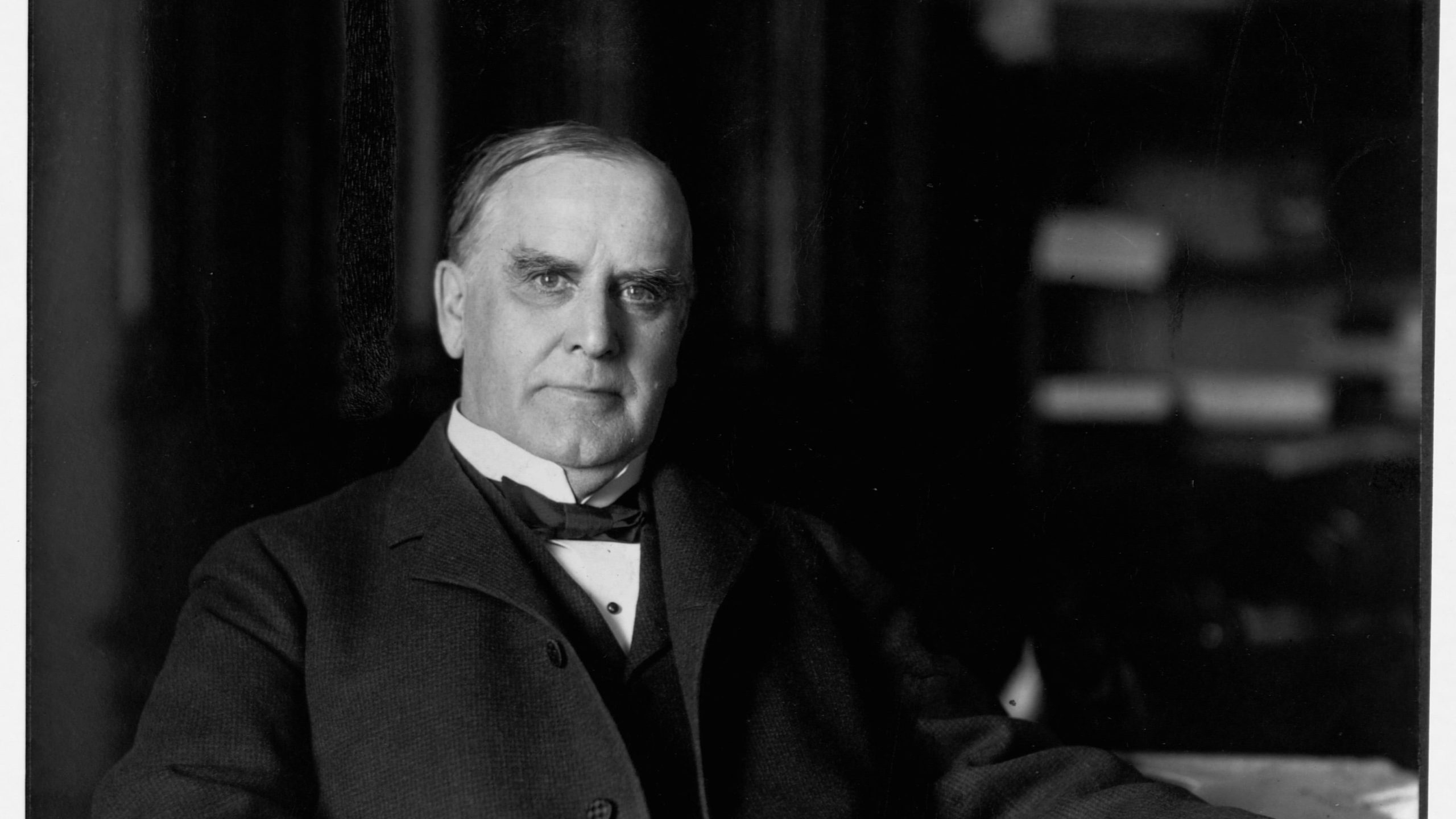
The Life & Times of William McKinley: In the Shadow of a Nation

madtechventures.com – William McKinley, the 25th President of the United States, often finds himself overshadowed by the towering figures of American history. His presidency, while significant in shaping the nation’s trajectory, is frequently overlooked in favor of his successors, particularly Theodore Roosevelt. Yet McKinley’s life and times provide a compelling narrative that reflects the transformative changes of the late 19th and early 20th centuries. McKinley was a man caught between the old world of 19th-century America and the new era of global imperialism, industrial power, and progressive reform. His personal history, political journey, and presidency are deeply entwined with the larger forces that shaped modern America.

This article seeks to explore McKinley’s life in depth, examining his early years, rise to power, presidency, and legacy. McKinley’s journey offers a glimpse into the complex dynamics of American politics and society during a time of great change.

Early Life: The Foundations of a Leader

A Modest Beginning

William McKinley was born on January 29, 1843, in Niles, Ohio, to William McKinley Sr., a businessman, and Nancy Allison McKinley. Growing up in a middle-class family, McKinley’s early life was characterized by the hard work and discipline typical of the American frontier. His family’s Methodist faith also had a profound impact on him, shaping his moral values and sense of duty.

McKinley attended local public schools and later enrolled at Allegheny College in Meadville, Pennsylvania. Despite his potential, McKinley struggled with his academic studies and had to leave the college due to health issues. However, his time at Allegheny College had a lasting influence on his character, strengthening his intellectual curiosity and ambition. This early setback would not prevent him from later achieving great success, but it would leave an imprint on his persona as a man who overcame adversity.

The Civil War: McKinley’s Defining Experience

One of the most formative experiences of McKinley’s life was his service in the Union Army during the Civil War. At 18 years old, he enlisted as a private in the 23rd Ohio Volunteer Infantry, a decision that would shape his career and political future. The Civil War provided McKinley with an early opportunity to demonstrate leadership, bravery, and resilience. He fought in key battles, including the Battle of Antietam, and was promoted to the rank of major.

McKinley’s service in the war had a lasting impact on him, both personally and politically. His experiences on the battlefield would shape his approach to leadership and policy, particularly his commitment to a strong national defense. McKinley’s wartime record would also become a central part of his political identity, as he would often draw upon his military service to connect with voters during his future campaigns.

Political Ascent: From Law to Leadership

The Road to Politics

After the war, McKinley returned to Ohio, where he studied law and eventually entered politics. He was elected to the U.S. House of Representatives in 1876, representing Ohio’s 17th District. During his time in Congress, McKinley became known for his strong support of protective tariffs, which sought to shield American industries from foreign competition. McKinley’s commitment to tariffs earned him the support of business interests and industrialists, who viewed him as a defender of American economic prosperity.

His political career continued to ascend in Ohio. In 1892, McKinley was elected governor of Ohio, where he focused on economic recovery and reforms that would promote industrial growth. His tenure as governor was marked by his efforts to support the working class, particularly in terms of protecting jobs and promoting fair labor practices. His success in Ohio set the stage for his national political ambitions, and in 1896, McKinley would secure the Republican nomination for president.

The Election of 1896: A Pivotal Moment

The 1896 presidential election was one of the most crucial in American history, marking a battle between two conflicting visions of the nation’s future. On one side stood William McKinley, advocating for the gold standard and protective tariffs, which he believed were necessary for economic stability and growth. On the other stood William Jennings Bryan, the populist Democrat who championed the free coinage of silver and proposed a series of reforms aimed at helping farmers and the working class.

McKinley’s campaign was groundbreaking in its use of modern political techniques. Rather than embarking on a grueling whistle-stop tour, McKinley conducted a “front porch campaign” from his home in Canton, Ohio, delivering speeches to delegations of voters and conducting a well-organized outreach effort. His campaign raised substantial funds from industrialists and business interests, allowing him to launch a highly effective media strategy. Bryan, in contrast, traveled extensively across the country, delivering fiery speeches in support of his populist platform.

In the end, McKinley triumphed, winning 271 electoral votes to Bryan’s 176. His victory signaled a shift toward a more conservative, pro-business agenda and set the stage for the nation’s entry into the 20th century.

McKinley’s Presidency: In the Shadow of a Nation

Economic Policy and the Dingley Tariff

McKinley’s presidency began in 1897, at a time when the United States was still recovering from the economic depression of the 1890s. One of his first acts in office was to advocate for the Dingley Tariff of 1897, which raised duties on imported goods in order to protect American industries from foreign competition. The tariff was designed to stimulate the U.S. economy by shielding manufacturers from cheaper foreign goods. Although the Dingley Tariff was controversial and faced opposition from Democrats and some factions of the Republican Party, it passed and played a role in the economic recovery that followed.

McKinley’s support for the gold standard was also central to his economic agenda. At the time, the U.S. was divided over whether to adopt a bimetallic system that included silver or to maintain the gold standard. McKinley firmly believed that adhering to the gold standard would ensure financial stability and bolster the nation’s international credibility. His stance on monetary policy played a pivotal role in securing his political support, especially among industrialists and financial institutions.

The Spanish-American War: A Turning Point

The Spanish-American War of 1898 was one of the defining events of McKinley’s presidency. Tensions between the United States and Spain had been rising over Spain’s treatment of Cuban revolutionaries, and the explosion of the USS Maine in Havana Harbor provided the catalyst for war. McKinley initially sought to avoid conflict and pursued diplomatic efforts to resolve the crisis, but ultimately, public pressure and the desire for American intervention led him to declare war on Spain.

The war was short-lived, lasting only four months, but its consequences were far-reaching. The United States emerged victorious, and Spain ceded control of Puerto Rico, Guam, and the Philippines to the U.S. This victory marked the beginning of American imperialism and signaled the United States’ emergence as a global power. While McKinley’s actions during the war were widely praised, the annexation of the Philippines sparked controversy and led to the Philippine-American War, which lasted until 1902.

The Open Door Policy and U.S. Foreign Relations

McKinley also pursued an ambitious foreign policy agenda in Asia. The Open Door Policy, articulated by McKinley’s Secretary of State, John Hay, aimed to ensure equal trading rights for all nations in China and prevent any one country from monopolizing trade in the region. While the policy faced challenges and was not fully realized, it marked the United States’ growing interest in Asian markets and its desire to assert itself as a global power.

McKinley’s Second Term and Assassination

McKinley was re-elected in 1900, defeating William Jennings Bryan for a second time. His second term was marked by continued prosperity and expansion, but it was tragically cut short. On September 6, 1901, while attending the Pan-American Exposition in Buffalo, New York, McKinley was shot by anarchist Leon Czolgosz. McKinley succumbed to his wounds on September 14, 1901, and Vice President Theodore Roosevelt assumed the presidency.

The Legacy of William McKinley: A President in the Shadows

William McKinley’s legacy is often overshadowed by the more flamboyant figures who followed him, particularly Theodore Roosevelt. Yet McKinley’s presidency played a crucial role in shaping the United States during a time of great change. He guided the nation through economic recovery, oversaw the expansion of American territories, and set the stage for the United States to become a global power. McKinley’s commitment to economic stability, his embrace of imperialism, and his role in the Spanish-American War solidified his place in history as a transitional figure.

McKinley’s tragic assassination and the rise of Theodore Roosevelt to the presidency ensured that McKinley’s presidency would always be viewed through the lens of the dynamic leadership that followed. But McKinley’s own quiet strength, pragmatism, and dedication to his country helped lay the foundation for the modern American era.

In the shadow of a nation that was quickly growing in power and influence, William McKinley stands as a president whose impact deserves to be recognized. His life and times reflect the changing forces of an America on the brink of global prominence, and his contributions to the nation’s growth and development remain an integral part of the story of the United States.

Grover Cleveland and the Panic of 1893: Economic Turmoil

madtechventures.com – The Panic of 1893, one of the most severe economic crises in American history, unfolded during the second term of Grover Cleveland’s presidency. The financial collapse that began in the spring of 1893 triggered widespread economic turmoil, devastating businesses, banks, and millions of Americans. As president, Cleveland was forced to navigate this turbulent period with limited resources and political opposition. His response to the crisis and his efforts to restore the nation’s financial stability are a key part of his legacy.

In this article, we will explore the causes of the Panic of 1893, Cleveland’s response to the crisis, the policies he implemented during the depression, and the long-term impact of his actions on both the economy and American society.

The Causes of the Panic of 1893

The Panic of 1893 was not caused by a single event but rather by a combination of factors that had been building up for several years. A mixture of economic excess, structural weaknesses in the banking system, and international factors contributed to the eventual collapse.

Overexpansion of Railroads

During the 1880s, the American economy experienced significant growth, particularly in the railroad industry. Railroads, which were the backbone of the nation’s transportation network, expanded rapidly, with companies taking on excessive amounts of debt to finance construction. Many railroad companies overextended themselves, building more track than was necessary for their operations and often operating at a loss. This overexpansion left many railroad companies vulnerable when economic conditions changed.

Speculative Investment and Stock Market Bubble

The growth of railroads was fueled by speculative investment, with stock prices rising rapidly despite the absence of solid profits. By the early 1890s, many railroad companies were on the brink of collapse, and their stock prices were grossly inflated. When a series of bankruptcies and defaults occurred, stock prices plummeted, triggering a panic on the stock market.

The Collapse of the Philadelphia and Reading Railroad

One of the key events that set off the Panic of 1893 was the collapse of the Philadelphia and Reading Railroad. In February 1893, the company declared bankruptcy, sending shockwaves through the financial sector. The collapse of this large and influential railroad company caused investors to lose confidence in the stability of other railroad companies and the economy as a whole. The immediate aftermath was a wave of panic selling in the stock market, followed by a broader collapse of banking institutions.

The Silver Debate and the Role of the Gold Standard

Another major factor contributing to the Panic of 1893 was the ongoing debate over the nation’s monetary policy. The question of whether the United States should continue to use the gold standard or adopt a silver-backed currency was a divisive issue. Many farmers and laborers in the West and South advocated for the free coinage of silver to inflate the currency and provide relief from debt. Meanwhile, the banking and business elites favored the gold standard, believing that it provided financial stability.

Cleveland, a staunch advocate of the gold standard, refused to support the free coinage of silver, believing it would worsen inflation and financial instability. This division over monetary policy added to the financial uncertainty of the period and played a role in the severity of the Panic.

International Factors: The Economic Impact of European Events

International events also played a role in the Panic of 1893. The global economy was facing a slowdown, with industrial production declining in Europe and a series of banking crises in countries like Germany and France. The reduction in foreign investment in the United States, particularly in railroads and other speculative ventures, contributed to the financial instability that led to the Panic. Additionally, a sudden drop in the value of the British pound further strained the financial system.

Cleveland’s Response to the Crisis

When Grover Cleveland took office for his second term in 1893, the country was already in the midst of an economic crisis. The financial system was on the brink of collapse, and unemployment rates soared. Cleveland’s response to the Panic of 1893 was shaped by his commitment to fiscal conservatism, his staunch support for the gold standard, and his reluctance to involve the federal government in direct intervention in the economy.

The Role of the Gold Standard

Cleveland’s most notable response to the Panic was his firm commitment to maintaining the gold standard. As a committed advocate of sound money, Cleveland believed that sticking to the gold standard would provide stability to the nation’s finances and restore confidence in the banking system. However, his decision to defend the gold standard at all costs was highly controversial, particularly among those who advocated for the free coinage of silver as a means of increasing the money supply and combating deflation.

In 1893, Cleveland was faced with the prospect of a run on gold reserves. With foreign investors losing confidence in the U.S. economy, many began to convert their U.S. dollars into gold, depleting the country’s gold reserves. In response, Cleveland requested that Congress repeal the Sherman Silver Purchase Act of 1890, which required the government to purchase large quantities of silver and issue silver-backed dollars. The law was seen by many as exacerbating the financial instability of the country, and Cleveland believed that repealing it would stabilize the currency.

The Repeal of the Sherman Silver Purchase Act

One of Cleveland’s most significant actions during the Panic was his successful push to repeal the Sherman Silver Purchase Act of 1890. This law had mandated that the federal government purchase silver from miners, increasing the money supply and contributing to inflation. Cleveland believed that the act had contributed to the depletion of the nation’s gold reserves and worsened the economic crisis. In response, he worked tirelessly to secure the repeal of the act, which was achieved in November 1893.

While Cleveland’s decision to repeal the Sherman Silver Purchase Act was a victory for his supporters of the gold standard, it also deeply alienated many groups, particularly silver miners and farmers in the West and South. These groups had hoped that the free coinage of silver would alleviate their economic hardships, and they viewed Cleveland’s actions as an abandonment of their interests.

Federal Reserve Act and Financial Support

While Cleveland was committed to the gold standard and did not believe in direct government intervention to stimulate the economy, his administration did take some steps to address the financial crisis. For example, in 1894, Cleveland began a series of efforts to stabilize the banking system, including the establishment of a national network of government-backed banks to provide loans and facilitate economic recovery.

The most notable of these actions was the federal government’s intervention to restore confidence in the nation’s gold reserves. Cleveland negotiated with private bankers, including J.P. Morgan, to secure a loan of $62 million in gold to replenish the nation’s reserves and prevent the collapse of the financial system. While this intervention was necessary to stabilize the economy, it further alienated many who viewed the arrangement as a bailout for wealthy bankers and financiers at the expense of ordinary Americans.

The Aftermath of the Panic of 1893

Economic Recovery and Long-Term Impact

While the immediate effects of the Panic of 1893 were devastating, the country did eventually recover from the depression. Cleveland’s economic policies, particularly his commitment to the gold standard, helped restore stability to the financial system, but recovery was slow and uneven. Unemployment remained high, and the economic downturn led to widespread poverty and social unrest, particularly in urban areas.

The recovery from the Panic of 1893 laid the foundation for future economic growth in the late 19th and early 20th centuries, but it also set the stage for the rise of the populist movement. Many farmers and workers, who were hardest hit by the depression, grew disillusioned with Cleveland’s policies and began to embrace the free coinage of silver as a solution to their economic woes. The issues surrounding monetary policy would continue to dominate American politics, culminating in the 1896 election, where William McKinley’s victory marked the end of the silver movement’s influence in mainstream politics.

Political and Social Consequences

Cleveland’s handling of the Panic of 1893, while effective in some respects, left a lasting political and social legacy. The repeal of the Sherman Silver Purchase Act and his refusal to adopt inflationary measures alienated large segments of the American population, particularly in the West and South. His actions were viewed by many as prioritizing the interests of wealthy financiers over those of ordinary citizens. This perception would have lasting political consequences, leading to a decline in Cleveland’s popularity and the rise of populist movements that would eventually shape the future of the Democratic Party.

Conclusion

The Panic of 1893 was one of the most significant crises in American history, and Grover Cleveland’s response to the economic turmoil of the period defined much of his legacy. While his commitment to the gold standard helped stabilize the financial system and restore confidence in the economy, his actions also highlighted the deep divisions in American society over economic policy. Cleveland’s handling of the crisis reflects both the strengths and limitations of his presidency. His insistence on fiscal conservatism and sound money principles ultimately contributed to the stabilization of the U.S. economy, but it also left many Americans frustrated with what they perceived as a lack of government action to address their immediate needs.

Cleveland’s legacy during the Panic of 1893 is complex. He navigated the country through one of its most severe economic downturns with a firm commitment to his principles, but the long-term effects of his policies sparked political and social movements that would shape the future of the nation’s economy and its political landscape for years to come.

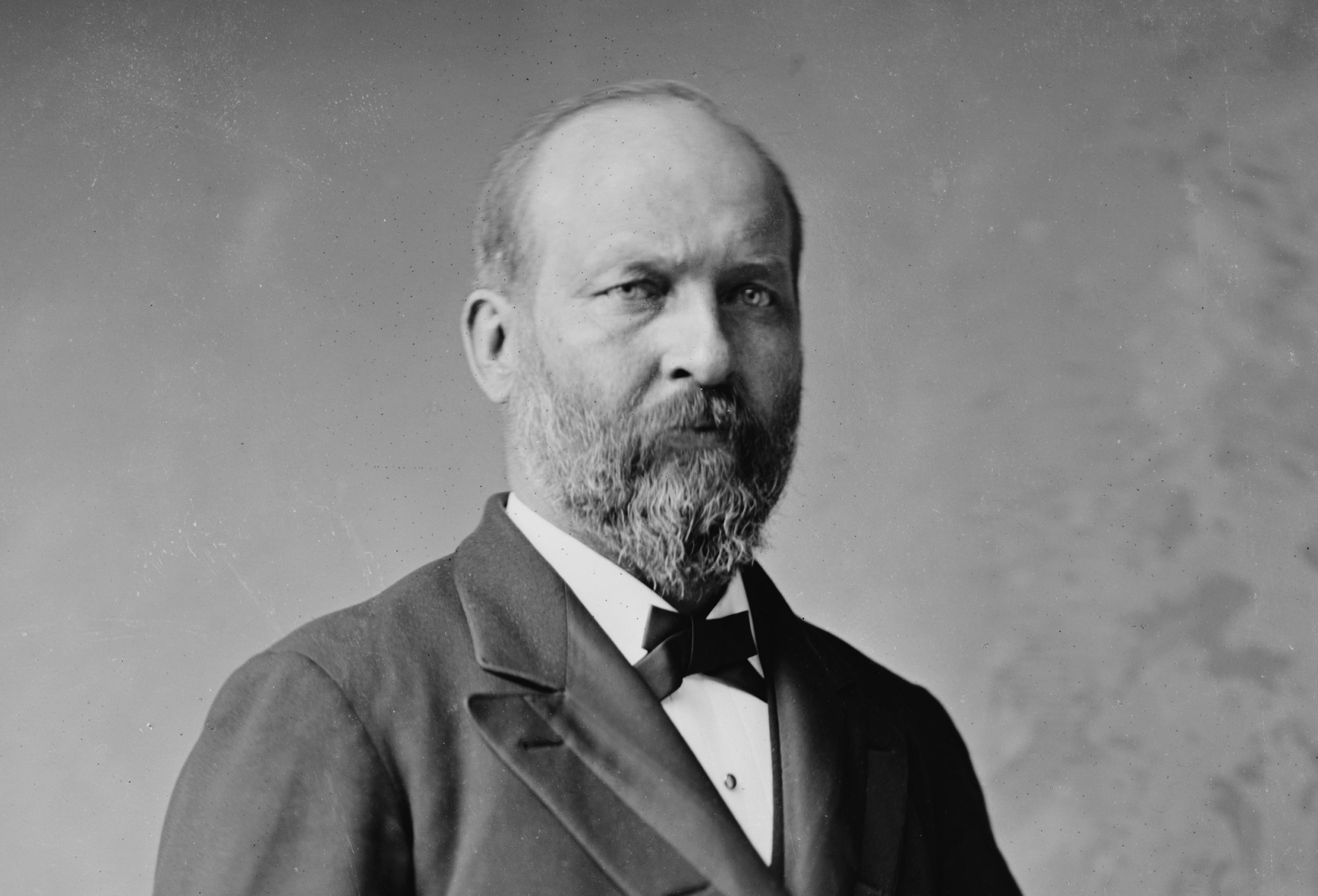
The Life of James A. Garfield: Brief Presidency – Lasting Legacy

madtechventures.com – James A. Garfield, the 20th President of the United States, led a life that was remarkable for its breadth and depth, though tragically brief in its culmination. Elected in 1880, Garfield’s presidency lasted only six months before he was assassinated, but the influence of his life continues to be felt to this day. From his humble beginnings to his academic achievements, his time as a military leader, and his political career, Garfield’s life was a testament to dedication, intellect, and an unwavering commitment to justice. While his presidency was cut short, Garfield’s vision for reform, his moral integrity, and his relentless pursuit of public service left a lasting legacy.

This article takes a deep dive into the life of James A. Garfield—examining his early years, his rise to political prominence, his presidency, and the enduring impact of his brief time in office.

Early Life and Education: The Foundation of a Scholar

A Humble Beginning in Ohio

James Abram Garfield was born on November 19, 1831, in a small log cabin in Orange Township, Ohio. The son of Abram and Eliza Garfield, James was the youngest of five children. His father died when James was only two years old, leaving his mother, Eliza, to raise him and his siblings. Despite being impoverished and having to work hard to make ends meet, Eliza was deeply committed to her children’s education. Although she lacked formal schooling, she valued the importance of learning and instilled in her children the desire to better themselves.

From a young age, Garfield exhibited remarkable intellectual promise, devouring books whenever he had the chance. His early education was shaped by his mother’s efforts and by his own fierce curiosity. James’s childhood was marked by a blend of hard work and academic aspiration. He spent much of his time working on the family farm but made the most of every opportunity to learn—often studying by candlelight at night. This combination of intellectual curiosity and a relentless work ethic would become central to Garfield’s character.

The Path to Higher Education

Garfield’s formal education began at the Western Reserve Eclectic Institute (later known as Hiram College) in Hiram, Ohio. His teaching experience at the school, while simultaneously pursuing his studies, was pivotal in shaping his leadership and academic career. Despite the financial struggles that forced him to work part-time, Garfield excelled in his studies and quickly gained the respect of both his peers and professors.

In 1854, Garfield took the next step in his education and enrolled at Williams College in Massachusetts, a prestigious institution where he flourished academically. There, Garfield became known for his exceptional grasp of the classics, particularly Greek and Latin. His studies were not limited to the classics, however; he also excelled in history, philosophy, and logic. Garfield’s academic excellence earned him membership in Phi Beta Kappa, an honor society that recognizes scholarly achievement. He graduated in 1856, at the age of 25, with high honors.

Military Service: A Commitment to Duty

The Call to Arms During the Civil War

Garfield’s military service played a critical role in his rise to national prominence. When the Civil War broke out in 1861, Garfield, a staunch Union supporter, was determined to serve his country. Although he had no formal military training, his intellect, leadership skills, and passion for the Union cause quickly propelled him to higher ranks.

Garfield joined the Union Army as a lieutenant colonel and served under General William S. Rosecrans in the Army of the Cumberland. His leadership and strategic insight earned him rapid promotions, and he eventually rose to the rank of major general. Garfield was involved in several important battles, including the Battle of Middle Creek in Kentucky, where his leadership played a decisive role in securing a Union victory.

Throughout his military career, Garfield earned a reputation as a capable and thoughtful leader. He was particularly admired for his ability to inspire his troops, his organizational skills, and his commitment to the Union cause. His service was not only a testament to his patriotism but also to his ability to navigate complex situations and make difficult decisions under pressure. In fact, it was during his time as a military officer that Garfield gained the kind of recognition that would help propel him into political life.

Transition to Political Leadership

After the Civil War, Garfield returned to Ohio, where his military service and leadership skills made him a respected figure. He was soon elected to the U.S. House of Representatives in 1863, where he would go on to serve for nearly 17 years. During his time in Congress, Garfield earned a reputation as a powerful speaker and a leading advocate for a variety of issues, including civil rights, economic development, and the preservation of the Union’s integrity.

Garfield was also a staunch supporter of the Republican Party and aligned himself with President Abraham Lincoln’s vision for Reconstruction after the war. He believed in the importance of ensuring the full civil rights of freed slaves and championed legislative measures to provide greater opportunities for African Americans in the post-war United States.

A Presidential Election: Garfield’s Path to the White House

The 1880 Election and Garfield’s Candidacy

In 1880, Garfield entered the race for the presidency, but not as a front-runner. The Republican Party was divided, with competing factions vying for control. Garfield, who had been serving in Congress for nearly two decades, was largely viewed as a compromise candidate—a man of principle, intellect, and integrity who was acceptable to both the reform-minded and the establishment wings of the party.

Despite initially being considered an underdog in the race, Garfield’s reputation as a brilliant orator and a skilled politician won him the Republican nomination after a lengthy and contentious convention. He defeated rivals like Ulysses S. Grant and James G. Blaine, who had been more prominent figures in the party, and secured the nomination through a combination of skillful political maneuvering and widespread support from party delegates.

Garfield’s candidacy was rooted in a platform of civil service reform, economic modernization, and national unity. He advocated for merit-based appointments in government, which aligned with his belief in integrity and his disdain for the patronage system that had long plagued American politics.

A Narrow Victory in the General Election

In the general election of 1880, Garfield faced Democratic nominee Winfield Scott Hancock, a former Union general. The race was incredibly tight, with Garfield ultimately emerging victorious by a narrow margin. Garfield won the presidency with 48.3% of the popular vote and 214 electoral votes, while Hancock secured 48.2% and 155 electoral votes. The election was a testament to Garfield’s appeal as a moderate, reform-oriented candidate who could unite the nation after the divisiveness of the Civil War.

The Presidency: A Brief but Impactful Term

Civil Service Reform and Efforts to Modernize

Garfield’s presidency was tragically short. He took office on March 4, 1881, and within just four months, he was shot by an assassin’s bullet. Nonetheless, in his brief time in office, Garfield made several significant moves to modernize the federal government and promote civil service reform.

One of Garfield’s most notable achievements was his strong support for merit-based appointments in government. He sought to reduce the patronage system, which rewarded political loyalty over competence. Garfield’s belief in the importance of competence and integrity in government was reflected in his attempts to reform the spoils system and ensure that government positions were filled by qualified individuals. His actions set the stage for future civil service reforms, including the Pendleton Civil Service Reform Act of 1883, which would be passed after his death.

A Legacy Cut Short

Just six months into his presidency, Garfield was shot by Charles J. Guiteau, an assassin who had become disillusioned with the outcome of the election. Garfield succumbed to his wounds on September 19, 1881, leaving the nation in shock. His untimely death was a tragic event that prevented him from fully realizing his political vision.

However, Garfield’s brief presidency had a lasting impact. His advocacy for civil service reform laid the groundwork for a more efficient and less corrupt federal government. His personal integrity and commitment to public service served as a model for future leaders, and his tragic assassination led to widespread calls for reform that would eventually be realized through the Pendleton Act.

Conclusion: The Lasting Impact of James A. Garfield

James A. Garfield’s life, though tragically brief, left an indelible mark on American history. From his humble beginnings to his ascent to the presidency, Garfield’s story is one of perseverance, intellectual curiosity, and dedication to public service. His commitment to civil service reform, his support for education and equality, and his moral integrity set him apart as a leader of vision and principle.

While his presidency was short, Garfield’s legacy continues to be felt today. His vision for a government based on merit, his courage in the face of political and personal challenges, and his belief in the power of education and reform remain an enduring part of the American political landscape. James A. Garfield’s life and legacy remind us that even the briefest of presidencies can leave a lasting impact on the course of a nation.

Grant’s Final Victory: Ulysses S. Grant’s Heroic Last Year

madtechventures.com – In “Grant’s Final Victory: Ulysses S. Grant’s Heroic Last Year,” historian Charles W. Calhoun provides a compelling exploration of the final year in the life of Ulysses S. Grant, the renowned Union general and 18th president of the United States. This book offers an in-depth examination of Grant’s personal and public life in the last year of his life, from the challenges he faced, including his fight against terminal illness and financial ruin, to his triumphs and legacy.

Though Ulysses S. Grant is most celebrated for his leadership during the Civil War, his life after the war was filled with adversity, including struggles with poverty, scandal, and personal loss. However, in his final year, Grant’s life took a poignant turn, as he achieved a final, unexpected victory—one that cemented his place in American history. Calhoun’s work provides not only a detailed narrative of Grant’s last year but also insight into how these events influenced the legacy of a man who had already won the greatest military conflict in American history. This article will explore the themes of Grant’s final year, focusing on the historical context, the challenges he faced, and the victory he achieved.

The Final Year: 1884 – A Life in Decline

Grant’s last year, 1884, was defined by both personal and professional struggles. He had already been diagnosed with throat cancer, a disease that would ultimately take his life in July 1885. His health was rapidly declining, and it became evident that he was fighting not only for his life but also for his legacy. For most of his life, Grant had faced significant adversity, whether in his early military career, his presidency, or in his personal finances. By 1884, however, those adversities had intensified, with the looming shadow of illness and financial ruin threatening to overshadow his legacy.

Personal Financial Ruin and Determined Resolve

At the time of his diagnosis with throat cancer, Grant was in a precarious financial position. In the years following his presidency, Grant had invested in a number of ventures, including a brokerage firm that went bankrupt in 1884, leaving him deeply in debt. Despite his fame as a Civil War hero and former president, Grant was nearly destitute. This financial ruin, combined with his deteriorating health, made his situation more dire.

Calhoun’s book provides insight into how Grant responded to this crisis. Despite his illness and financial troubles, Grant’s determination to provide for his family and secure his legacy never wavered. It was during this period that Grant made the decision to write his memoirs—a work that would later become one of the most important literary contributions to American history. With his health failing and his finances in shambles, Grant turned to writing as a means of securing his family’s future.

Grant’s decision to write his memoirs was driven by necessity. He was aware that the royalties from his book could provide a much-needed financial cushion for his wife, Julia Grant, and their children. In Calhoun’s narrative, the writing of these memoirs becomes a focal point of Grant’s final year, as it represents not only his literary achievement but also his personal resolve in the face of overwhelming adversity.

The Memoirs: Grant’s Literary Triumph

One of the most significant achievements of Grant’s last year was the completion of his Personal Memoirs. Despite his physical suffering, Grant labored tirelessly over the manuscript, dictating portions to his secretary, Adam Badeau, and revising drafts himself. The memoirs would later be published posthumously and would become an enduring part of Grant’s legacy, admired for their candidness, clarity, and insight into the Civil War.

In Calhoun’s assessment, the memoirs are the product of Grant’s character: honest, direct, and unflinching in their portrayal of his experiences. Grant did not embellish his own role in the Civil War, nor did he seek to glorify his military campaigns. Instead, he focused on providing a detailed, factual account of his campaigns, offering a clear and thorough perspective on his leadership decisions, the battles he fought, and the men he served with. It was a remarkable effort, considering that Grant was facing both a terminal illness and significant personal hardship.

The success of Personal Memoirs was not only financial but also deeply personal. Grant’s memoirs would help restore his reputation, which had been tarnished by the political scandals and economic difficulties of his presidency. The publication of the memoirs helped cement Grant’s status as one of America’s greatest military leaders and offered the world an opportunity to hear his side of the story—a final vindication for a man whose leadership had been critical in preserving the Union during the Civil War.

Grant’s Battle with Throat Cancer

While Grant’s literary success represented a final victory, it did not come without significant personal sacrifice. The author’s account of Grant’s battle with throat cancer is heart-wrenching. By the time Grant began writing his memoirs, his health was deteriorating rapidly. The cancer, which would eventually take his life, caused severe pain and made it difficult for Grant to speak and eat. Despite this, he remained committed to completing his work, understanding the immense value it held for his family and his legacy.

Calhoun draws attention to Grant’s resilience in the face of this illness. His determination to finish the memoirs, despite the agony of his condition, speaks to his strength of character and his enduring sense of duty. Grant’s courage in facing the end of his life with dignity and resolve was one of the defining qualities of his final year. He faced the same challenges that had shaped his military career: an ability to keep moving forward, even in the most dire circumstances.

In the final months of his life, Grant continued to work on the memoirs with the help of his secretary, despite the worsening effects of his illness. He dictated as much as he could, pushing through the pain and exhaustion to complete the work that would stand as his legacy.

The Completion of Grant’s Memoirs

As Grant’s health continued to decline, his completion of the memoirs became a testament to his resilience and unyielding determination. He finished the manuscript in the spring of 1885, just a few months before his death. Grant’s victory in completing the memoirs is remarkable not just because of the literary achievement it represents, but because it exemplifies Grant’s life-long commitment to duty—a commitment that had been a constant throughout his military and presidential career.

The memoirs were eventually published in two volumes, and their success was immediate. The book became a bestseller, and the royalties were more than enough to secure the financial future of Grant’s family. It also gave Grant the opportunity to shape his own legacy, offering a direct account of his actions and decisions during the Civil War, without the distortion of others’ opinions or criticisms.

Grant passed away on July 23, 1885, just two months after the memoirs were completed. His death marked the end of a remarkable life—one that had witnessed both extraordinary triumphs and difficult failures. However, his final victory—the completion of his memoirs—was a fitting culmination of his career, proving that Grant’s character and resolve would endure even in his last months.

The Enduring Legacy of Grant’s Final Year

“Grant’s Final Victory” provides readers with a deeply human portrayal of Ulysses S. Grant, showing a man who faced his final days with courage, humility, and determination. Charles W. Calhoun’s biography underscores the importance of Grant’s memoirs in securing his legacy and in providing a comprehensive account of the Civil War from the perspective of one of its most instrumental figures.

Grant’s final victory, then, was not just a personal triumph over illness or financial hardship, but a victory for his place in history. Through the writing of his memoirs, Grant ensured that his contributions to the Civil War and to the preservation of the Union would be remembered for generations to come. The impact of his memoirs extends far beyond their immediate financial success, serving as a lasting testament to his leadership, strategic brilliance, and moral fortitude.

In conclusion, “Grant’s Final Victory” by Charles W. Calhoun provides a moving and insightful look into the last year of Ulysses S. Grant’s life—a year marked by adversity, but also by a final, heroic victory. Through the completion of his memoirs, Grant achieved a lasting triumph that secured his place in American history and reaffirmed his reputation as one of the nation’s most significant military figures.

Lincoln’s Leadership in America’s Darkest Hour

madtechventures.com – Abraham Lincoln, the 16th President of the United States, is often regarded as one of the greatest leaders in history. His leadership during the American Civil War — a period of profound national crisis — is widely considered a defining moment not just in his presidency, but in the history of the United States itself. Lincoln’s ability to guide the nation through its darkest hour, characterized by political strife, widespread violence, and the question of slavery, revealed a depth of moral clarity, strategic thinking, and unwavering resolve. This article delves into the nature of Lincoln’s leadership during the Civil War, his struggles and decisions, and how he helped the nation emerge stronger, more united, and more just.

The Situation at Lincoln’s Inauguration

A Nation Divided

When Abraham Lincoln assumed office on March 4, 1861, the United States was on the brink of collapse. The issue of slavery had torn the nation apart, and tensions between the Northern states (where slavery was largely abolished) and the Southern states (where slavery was a deeply entrenched institution) were at their peak. Lincoln’s election had sparked outrage in the South, where many saw him as a direct threat to the institution of slavery.

In response to Lincoln’s victory, seven Southern states — South Carolina, Mississippi, Florida, Alabama, Georgia, Louisiana, and Texas — seceded from the Union, forming the Confederate States of America. Despite these dramatic events, Lincoln, in his inaugural address, sought to reassure the South, declaring that he had no intention of interfering with slavery where it already existed, but he also made it clear that secession was illegal and that the Union must be preserved.

Lincoln faced a nation divided, both in its political allegiances and in its fundamental principles. At his inauguration, many in the North were deeply concerned about the possibility of war, while many in the South believed that Lincoln would soon take action to abolish slavery. The stage was set for a struggle that would test the very heart of the American experiment.

Early Challenges and the Outbreak of War

Within weeks of Lincoln’s inauguration, the conflict turned violent. On April 12, 1861, Confederate forces attacked Fort Sumter, a federal military installation in South Carolina. The attack marked the beginning of the Civil War, and Lincoln’s leadership was thrust into action.

In response to the outbreak of hostilities, Lincoln called for 75,000 volunteer soldiers to quell the rebellion, a decision that firmly established his commitment to preserving the Union. As more Southern states seceded and joined the Confederacy, Lincoln’s leadership abilities would be tested to their limits.

A Unified Purpose

One of the defining elements of Lincoln’s leadership was his ability to define a clear, unified purpose for the Union. From the outset of the war, Lincoln framed the conflict as a struggle to preserve the American Union. Despite the deeply ingrained divisions over slavery, Lincoln’s ability to rally the North around the notion that the Union — a nation based on liberty and democracy — must be preserved, became the bedrock of his leadership.

His commitment to saving the Union, regardless of the political or social cost, became evident in his refusal to compromise with the Confederacy. Lincoln faced tremendous pressure, both from radical abolitionists and from those who favored a more conciliatory approach toward the South. He stood firm in his belief that the preservation of the Union was paramount, even if it meant fighting a bloody and protracted war.

Lincoln’s Decision-Making and Leadership Style

The Emancipation Proclamation: A Moral and Military Move

As the war progressed, Lincoln faced the difficult challenge of balancing military strategy with moral imperatives. One of the most significant moments in Lincoln’s leadership came on January 1, 1863, with the issuance of the Emancipation Proclamation. This executive order declared that all enslaved people in Confederate-held territories were to be set free.

While the Emancipation Proclamation was a military strategy — aimed at weakening the Confederate war effort by depriving it of enslaved labor — it was also a moral imperative. Lincoln understood that slavery was not only a political and economic institution, but also a profound moral stain on the nation’s character. By issuing the proclamation, Lincoln took a decisive stand for human rights and equality, signaling to the world that the Union was fighting for the freedom of all its people.

The Emancipation Proclamation had significant consequences for both the war effort and the future of the United States. It shifted the focus of the war, making the abolition of slavery a central goal, and it paved the way for the eventual passage of the 13th Amendment, which would permanently abolish slavery throughout the United States. Lincoln’s decision to act decisively on the issue of slavery, despite the risk of alienating Northern Democrats or losing support from border states, demonstrated his moral clarity and unwavering commitment to the principles of freedom and justice.

Managing the War Effort: Trials and Triumphs

Throughout the Civil War, Lincoln displayed remarkable political and military acumen. He faced numerous challenges, including changing military leadership, fluctuating public opinion, and the pressure of overseeing a war that cost hundreds of thousands of lives. However, one of Lincoln’s greatest strengths was his ability to learn from his mistakes and adapt quickly. He was willing to make difficult decisions and to change course when necessary.

One of the most notable examples of Lincoln’s leadership during the war was his management of the Union Army. Initially, Lincoln struggled to find competent military leaders who could lead the Union forces to victory. He cycled through several generals who failed to meet his expectations, but eventually, he found a leader in Ulysses S. Grant, who shared Lincoln’s determination to win the war and preserve the Union. Grant’s victories at battles such as Vicksburg and Chattanooga were critical to the Union’s eventual success.

In addition to his military decisions, Lincoln also had to navigate the complex political landscape. He balanced the demands of various factions within the Republican Party, dealt with the pressures from abolitionists, and sought to maintain unity in the North. Lincoln often had to make difficult political compromises, but he never wavered from his primary goal of preserving the Union.

Lincoln’s Communication and Vision

Lincoln’s ability to communicate with the American people was another key element of his leadership. He understood the power of words, and his speeches became a rallying cry for the Union cause. The Gettysburg Address, delivered on November 19, 1863, is perhaps the most famous example of his eloquence. In just a few short paragraphs, Lincoln encapsulated the moral stakes of the war, while reaffirming the nation’s commitment to democracy and liberty.

In the Gettysburg Address, Lincoln famously declared, “That this nation, under God, shall have a new birth of freedom — and that government of the people, by the people, for the people, shall not perish from the earth.” These words resonated deeply with Americans, providing a moral framework for the Union war effort and reminding the nation of its higher ideals.

Lincoln’s speeches were not just political documents; they were a reflection of his ability to connect with the people, inspire them, and call them to action. Throughout the war, he maintained his focus on the ideals of freedom, democracy, and equality, which helped galvanize public support for the Union cause.

The Toll of Leadership

Personal Struggles

While Lincoln’s leadership during the Civil War was exceptional, it came at great personal cost. Lincoln was a man of deep emotional complexity, and the stress of leading the nation through such a devastating conflict took a heavy toll on him. He suffered from bouts of depression, and the weight of the war — both its human cost and its moral implications — often left him emotionally drained.

In addition to the pressure of the war, Lincoln also faced profound personal tragedy. He lost his 11-year-old son, Willie, to a fever in 1862, a loss that deeply affected him and his wife, Mary Todd Lincoln. The constant strain of dealing with grief, war, and political strife often left Lincoln weary, yet he continued to demonstrate incredible fortitude and resolve.

The Assassination: The End of Lincoln’s Journey

After four years of relentless leadership, Lincoln’s vision of a restored Union was becoming a reality. In the spring of 1865, the Confederate Army was in retreat, and the Union was on the verge of victory. Lincoln’s leadership had brought the nation to the brink of peace and reconciliation. But, tragically, he would not live to see the full realization of his efforts.

On April 14, 1865, just days after General Robert E. Lee’s surrender at Appomattox Court House, Lincoln was assassinated by John Wilkes Booth while attending a play at Ford’s Theatre in Washington, D.C. Lincoln died the following day, leaving the nation to mourn the loss of its leader.

Legacy of Leadership: A Nation Reborn

Abraham Lincoln’s leadership during America’s darkest hour is widely regarded as one of the most extraordinary in history. He preserved the Union, ended slavery, and ensured that the principles of liberty and democracy would remain at the heart of the American experiment. His moral clarity, ability to make tough decisions, and commitment to the ideals of equality and freedom have left an enduring legacy.

Lincoln’s leadership was not just about winning a war; it was about leading a nation toward its highest ideals. His vision of a government “of the people, by the people, for the people” continues to inspire leaders and citizens alike, reminding us all of the potential for good in even the darkest times.

Conclusion

Abraham Lincoln’s leadership during the American Civil War stands as a testament to the power of moral clarity, resilience, and vision in times of crisis. He guided the United States through its most trying period, ensuring that the nation remained united and committed to the ideals of freedom and equality. Though he did not live to see the full fruits of his labor, Lincoln’s leadership helped to shape the future of the nation, leaving a legacy that endures to this day.
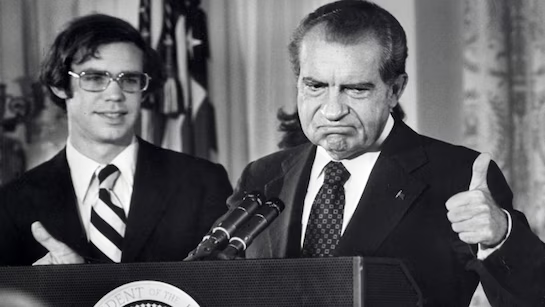
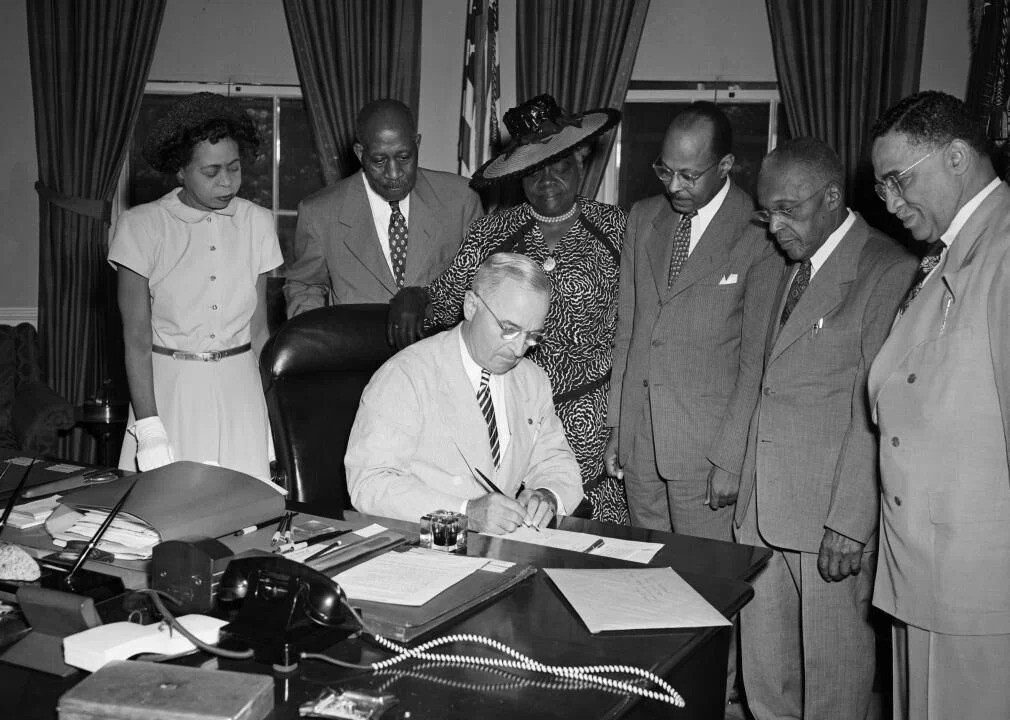
The Leadership of Franklin Pierce: Vision, Politics, and Failure

madtechventures.com – Franklin Pierce, the 14th President of the United States, is often regarded as a tragic and enigmatic figure in American history. His leadership, while marked by personal ambition and a deep desire to maintain national unity, ultimately failed to prevent the sectional divisions that led to the Civil War. Known for his moderate stances, political compromises, and Southern sympathies, Pierce’s presidency was defined by controversial decisions, particularly regarding the issue of slavery. Though he came to office with hopes of healing a nation increasingly torn apart by the question of slavery’s expansion, his leadership ultimately fell short of averting the cataclysmic conflict that loomed on the horizon.

This article delves into Franklin Pierce’s leadership style, examining his political vision, his approach to governance, and the factors that led to his political failure. By analyzing his actions during his time in office, particularly with regard to the Kansas-Nebraska Act, the expansion of slavery, and his inability to unite a divided nation, we can better understand how Franklin Pierce became a leader whose good intentions were undone by his inability to navigate the fracturing political landscape of the antebellum United States.

Early Life and Political Background: The Foundations of Leadership

A Promising Start

Franklin Pierce’s early life and career hinted at a bright political future. Born in 1804 in Hillsborough, New Hampshire, he was the son of Benjamin Pierce, a Revolutionary War hero and former governor of New Hampshire. Raised in a family with strong political ties, Franklin Pierce was groomed for public life from an early age. He attended Bowdoin College, where he excelled academically and formed lifelong friendships with several prominent individuals, including Nathaniel Hawthorne, who would later become his biographer.

Pierce’s early political career was equally promising. After studying law, he was elected to the New Hampshire legislature at age 23. He later served in the U.S. House of Representatives and the U.S. Senate, where he earned a reputation as a moderate Democrat who was willing to work across party lines. He was a supporter of President Andrew Jackson and the Jacksonian principles of limited government and territorial expansion. However, despite his political success, Pierce’s life was marked by tragedy, particularly the death of his young son, which deeply affected his emotional and psychological well-being.

Military Service and Rise to Prominence

Pierce’s political trajectory took a significant turn during the Mexican-American War (1846-1848), where he served as a brigadier general. Although he was wounded in battle and did not achieve significant military distinction, Pierce’s service in the war helped bolster his national profile. Upon his return to the United States, he gained recognition as a war hero, which provided a platform for his political aspirations.

By the early 1850s, Pierce had positioned himself as a strong candidate for the presidency. His political ideology, though rooted in the Democratic Party, was increasingly shaped by his belief in the necessity of national compromise and his moderate stance on issues such as slavery. He was a man of consensus, seeking to bridge the growing divide between the North and South, though this effort would ultimately prove insufficient in the face of the intensifying sectional crisis.

Pierce’s Vision for the Presidency: Moderation and National Unity

The Democratic Party and the 1852 Election

In the 1852 Democratic National Convention, Franklin Pierce emerged as the party’s nominee for president after several ballots failed to yield a consensus candidate. The Democrats were looking for a moderate who could unite the party’s northern and southern factions in an era of rising sectionalism. Pierce, who had a reputation for political flexibility, was chosen as a compromise candidate. His platform, while vague on the issue of slavery, promised to preserve national unity and maintain the status quo in the face of growing tensions between free and slave states.

The 1852 election itself was one of significant partisan realignment. The Whig Party, weakened by internal divisions over slavery, was unable to mount a strong challenge, and Pierce won the election in a landslide. His victory was seen as a triumph for Democratic unity, but it also signaled the deepening divisions within the country that would soon lead to the unraveling of the national political system.

The Dilemma of Slavery and Sectionalism

At the heart of Pierce’s vision for the presidency was a desire to avoid the issue of slavery and prevent it from becoming a divisive force in American politics. Pierce believed that the best way to maintain the Union was to placate the South and allow for the expansion of slavery into the new territories, particularly those gained through the Mexican-American War. This was consistent with his broader belief in the Jacksonian ideals of territorial expansion and the preservation of the Union at all costs.

However, this approach was a profound miscalculation. Slavery had become a moral, political, and economic issue that could not be avoided or compromised away. The North was growing increasingly opposed to the expansion of slavery, and anti-slavery movements were gaining strength. By siding with Southern interests, Pierce alienated many in the North, including his own party members, who viewed his policies as a betrayal of free-soil principles. The lack of a clear and forceful stance on slavery would prove to be one of the key factors contributing to his political downfall.

The Kansas-Nebraska Act: A Critical Failure of Leadership

The Introduction of the Kansas-Nebraska Act

Pierce’s presidency was defined by the introduction of the Kansas-Nebraska Act in 1854, a piece of legislation that allowed the territories of Kansas and Nebraska to decide for themselves whether to permit slavery, effectively repealing the Missouri Compromise of 1820, which had prohibited slavery in most of the northern territories. The Act, championed by Illinois Senator Stephen A. Douglas, was designed to open up new lands for settlement and expansion, but it had the unintended consequence of reigniting the debate over slavery’s expansion.

Pierce, who was eager to support Southern interests, fully backed the Kansas-Nebraska Act, believing that it would help maintain national unity by allowing settlers in the territories to decide the issue of slavery for themselves. However, his support for the Act backfired. It provoked widespread opposition in the North, where many viewed it as an attempt to expand slavery into new territories and increase the political power of the South. The Act sparked violent confrontations between pro-slavery and anti-slavery settlers in Kansas, leading to the bloody period known as “Bleeding Kansas.”

The Divisiveness of the Kansas-Nebraska Act

The passage of the Kansas-Nebraska Act divided the nation along sectional lines, intensifying the already existing tensions between North and South. In the North, the Act was seen as a blatant capitulation to the slaveholding South, while in the South, it was celebrated as a victory for the right of states to determine their own fate with regard to slavery. Pierce’s support for the Act, which alienated large segments of Northern Democrats and Whigs, further fractured the political landscape.

The violence in Kansas, where pro-slavery forces clashed with anti-slavery settlers, highlighted Pierce’s failure to understand the deep moral and political divisions over slavery. The resulting chaos in Kansas undermined Pierce’s credibility and left him unable to assert control over the growing sectional crisis. Pierce’s indecisiveness and his inability to provide strong leadership in the face of violence and instability contributed to the collapse of the Whig Party and the rise of the Republican Party, which was founded on an anti-slavery platform.

Pierce’s Political Decline: A Presidency in Freefall

The Collapse of the Whig Party

The political fallout from the Kansas-Nebraska Act, combined with Pierce’s inability to unite his party and address the country’s deepening divisions, led to the collapse of the Whig Party. Many Northern Whigs, who had previously supported Pierce, defected to the Republican Party, which was rapidly gaining momentum as a political force dedicated to halting the expansion of slavery. Pierce’s failure to recognize the power of the anti-slavery movement and his loyalty to the Southern states caused him to lose the support of key constituencies in the North.

As a result, Pierce became increasingly isolated. His approval ratings plummeted, and his leadership was no longer seen as capable of preserving national unity. In 1856, the Democratic Party nominated James Buchanan to run for president, signaling the end of Pierce’s political career. The rise of the Republican Party and the success of anti-slavery candidates left Pierce’s legacy in tatters.

The Legacy of a Failed Presidency

Pierce’s presidency ended in failure, and he left office in 1857 with little to show for his time in power. His attempts to maintain national unity through political compromise were unsuccessful in the face of the rising tide of sectionalism. The political divisions over slavery, territorial expansion, and states’ rights deepened during his time in office, and Pierce’s leadership failed to offer solutions to the pressing issues facing the nation.

Historians have often described Franklin Pierce as a well-meaning but ultimately ineffective leader. His presidency serves as a cautionary tale about the dangers of political moderation in a time of profound moral and political crisis. Pierce’s failure to address the fundamental issues dividing the country left him with a fractured legacy and contributed to the political instability that would culminate in the Civil War.

Conclusion: A Leadership Defined by Failure

Franklin Pierce’s presidency is one of the most tragic chapters in American history. His vision of maintaining national unity through compromise and moderation was noble, but his inability to address the growing divisions over slavery ultimately led to his downfall. His leadership, marked by political miscalculations, failure to understand the moral imperative of the anti-slavery movement, and lack of decisive action in the face of violence and political fragmentation, left a nation on the brink of civil war.

Pierce’s legacy is one of missed opportunities, compromised principles, and a failure to recognize the deepening crisis that threatened the Union. His presidency serves as a reminder of the fragility of national unity and the consequences of leadership that fails to confront the fundamental moral and political questions of its time. Franklin Pierce’s political journey, from hopeful compromise to tragic failure, remains a cautionary tale about the limitations of moderation in an era of intense ideological division.

The Election of 1848: Zachary Taylor’s Surprising Victory

madtechventures.com – The Election of 1848 is a pivotal moment in American history, marked by unexpected political dynamics, intense debates over the expansion of slavery, and the rise of a political outsider. The most surprising figure to emerge from this election was Zachary Taylor, a career military officer with no prior political experience. Despite his initial reluctance to enter the political arena, Taylor’s military fame and his image as a hero of the Mexican-American War made him the Whig Party’s presidential candidate, leading to an unexpected victory over seasoned politicians like Lewis Cass and Martin Van Buren. This article delves into the fascinating election of 1848, the forces at play, and how Zachary Taylor’s surprising victory changed the course of American politics.

The Political Landscape in 1848

The Issue of Slavery Expansion

By 1848, the United States was embroiled in a fierce debate over the expansion of slavery into newly acquired territories. The country had recently gained vast territories from Mexico as a result of the Mexican-American War (1846–1848), including present-day California, Nevada, Utah, Arizona, and parts of Colorado, Wyoming, New Mexico, and Texas. The question that divided the nation was whether slavery should be allowed to expand into these new lands.

The debate intensified with the passing of the Missouri Compromise in 1820, which had aimed to keep the balance between free and slave states. However, as new territories were added to the Union, these compromises seemed increasingly fragile and insufficient. The issue of whether slavery should be allowed to extend westward became one of the central political issues of the era.

This deep divide over slavery expansion helped fuel the tensions of the 1848 election, and the candidates’ positions on the issue would ultimately define their campaigns.

The Whig Party: Seeking a Unifying Candidate

In 1848, the Whig Party was struggling to unite its various factions. The party was divided between those who supported the expansion of slavery (mainly southern Whigs) and those who opposed it (primarily northern Whigs). The Whigs had to find a candidate who could appeal to both groups without alienating either. Their choice, unexpectedly, was Zachary Taylor.

Taylor, a Louisiana plantation owner and a war hero, was not actively involved in politics and had no known political ideology. This lack of a clear stance on the issue of slavery made him an appealing figure for the Whigs, who hoped that he could maintain the party’s unity and avoid alienating either side. As a military man, Taylor was seen as someone who could rise above the partisan gridlock and unite the country in a time of growing sectionalism.

The Democratic Party: Divided Over Slavery

The Democratic Party, the other major political force in the 1848 election, was also deeply divided on the issue of slavery. The Democratic candidate was Lewis Cass, a former senator from Michigan, who had been a strong advocate for the expansion of slavery into the new territories. Cass proposed the concept of “popular sovereignty,” which would allow settlers in new territories to decide for themselves whether slavery would be permitted, rather than having Congress impose a decision.

Popular sovereignty was a controversial stance, as it did not provide a clear resolution to the question of slavery expansion. It also faced opposition from many anti-slavery Democrats, who believed that slavery should not be allowed to expand into new territories at all.

The Democratic Party was torn between its pro-slavery southern wing and its more anti-slavery northern wing. As a result, Cass’s candidacy struggled to gain the unified support needed for a decisive victory.

The Free Soil Party: A Third Option

In 1848, a new political party emerged, the Free Soil Party, which opposed the expansion of slavery into the western territories. The Free Soil Party was composed largely of disillusioned Democrats, anti-slavery Whigs, and abolitionists. Their candidate, former President Martin Van Buren, was a well-known figure and had a significant following, particularly in the northern states.

Van Buren’s platform focused on limiting slavery’s expansion and ensuring that the new territories were free soil—lands where slavery would not be allowed. While Van Buren’s campaign gained some traction, particularly in the north, it was not enough to carry him to victory. Still, the Free Soil Party’s entry into the race added a third factor to the election, making the outcome less predictable.

Zachary Taylor’s Rise to Prominence

The Hero of the Mexican-American War

Zachary Taylor’s popularity in the election of 1848 can largely be attributed to his military heroism during the Mexican-American War. Taylor had been a key figure in several significant battles, including the Battle of Palo Alto, the Battle of Resaca de la Palma, and the Battle of Buena Vista. His decisive victories and leadership skills had earned him national acclaim, and he became a symbol of American strength and resilience.

What set Taylor apart from other military leaders of the time was his personal character. Unlike many other generals, Taylor was seen as humble, practical, and deeply committed to his men. His unassuming nature and his willingness to serve as a soldier first and a politician second won him the respect and admiration of both northern and southern Americans.

Taylor’s popularity as a military leader gave him a unique advantage in the election, as both political parties were searching for someone who could transcend the issue of slavery and unite the country. As a result, Taylor became the Whig Party’s candidate, despite his lack of political experience or strong stance on key issues. His military record, combined with his outsider status, made him an appealing figure for voters looking for a leader who could bring about change without being bogged down by party politics.

Taylor’s Candidacy: A Campaign of Neutrality

During the election, Taylor’s campaign was relatively low-key. He avoided discussing controversial political issues in detail, particularly the issue of slavery. This approach allowed him to appeal to a broad range of voters, as he did not take a firm stance on slavery expansion or other divisive topics.

Taylor’s campaign slogan, “Old Rough and Ready,” was a nod to his military nickname and resonated with voters who admired his rugged, no-nonsense personality. He presented himself as a man of action, someone who had fought for the country and would now lead it with the same level of dedication and resolve. His ability to remain neutral on divisive issues and focus on his personal qualities as a leader helped him secure the Whig nomination and set the stage for a surprising victory.

The Election Results: A Surprising Victory

The election of 1848 was a closely contested race, with no candidate emerging as an obvious favorite. The Democratic Party, divided over the issue of slavery, struggled to unite behind Lewis Cass. The Free Soil Party, while gaining some traction in the North, was unable to build a broad enough coalition to win. Meanwhile, Zachary Taylor’s outsider status and military reputation allowed him to gain significant support among both Whigs and independents.

When the votes were tallied, Taylor emerged victorious with 47.3% of the popular vote and 163 electoral votes. His closest rival, Lewis Cass, received only 42.5% of the popular vote and 127 electoral votes. Martin Van Buren, running as the Free Soil candidate, garnered 10% of the popular vote but failed to secure any electoral votes.

Taylor’s victory was a surprise to many political observers, as he had not been an active candidate and had not established a clear political platform. His success was largely attributed to his status as a war hero, his ability to unite different factions, and his appeal as a man of integrity and honor. Taylor’s victory marked the rise of a political outsider, and it was a testament to the power of military fame in shaping the political landscape of the time.

Aftermath: A Short Presidency

Zachary Taylor’s victory in the election of 1848 was the culmination of a remarkable political ascent. However, his time in office was short-lived. Taylor served as president for just 16 months before his sudden death on July 9, 1850, due to illness. Despite his brief time in office, Taylor’s election marked a significant moment in American history. His unexpected rise to the presidency was a reflection of the country’s yearning for a leader who could rise above political divisions and lead with honor and integrity.

His presidency, though cut short, was significant for his attempts to address the issue of slavery expansion, particularly through his support for California’s admission as a free state. His death in 1850 left the nation in a state of uncertainty, and his successor, Millard Fillmore, would take a different approach to the slavery issue, eventually leading to the Compromise of 1850.

Conclusion: A Surprising Victory with Lasting Impact

The Election of 1848 and Zachary Taylor’s victory were unexpected events that reshaped the political landscape of the United States. Taylor’s military heroism, his status as an outsider, and his ability to appeal to a broad base of voters allowed him to secure the presidency despite his lack of political experience. Although his time in office was brief, Taylor’s presidency marked a turning point in American politics, one that foreshadowed the growing divisions over slavery that would eventually lead to the Civil War.

Zachary Taylor’s surprising victory in the Election of 1848 serves as a reminder of the power of personal reputation and the unpredictability of political success. His rise from military leader to president is a testament to the influence of national heroism and the ability of voters to rally behind a figure who represents hope, unity, and leadership in times of uncertainty.

John Tyler: A Political Outsider in the White House

madtechventures.com – John Tyler’s time in the White House is often marked by political alienation and fierce opposition, but his journey to the presidency and the subsequent struggles he faced in office reveal a fascinating story of a man who was, in many ways, an outsider in his own political era. Tyler, the 10th president of the United States, ascended to the presidency under extraordinary circumstances and confronted a series of political crises that left him both isolated and defiant. His presidency was far from typical, and his status as a political outsider—someone who was neither fully embraced by the Whig Party nor accepted by the Democrats—defined much of his time in office.

John Tyler’s political life was characterized by his commitment to certain principles that often put him at odds with the prevailing parties of his time. Despite his early association with the Whig Party, Tyler’s political philosophy—deeply rooted in the ideals of states’ rights, limited government, and constitutional interpretation—made him a political outsider in an era when national party politics were increasingly defined by centralist and expansionist agendas. His presidency, coming as a result of the sudden death of William Henry Harrison, was a test of leadership in an age of political partisanship and conflict. Tyler’s time in office reveals much about the tension between personal principles and the demands of party loyalty, and it highlights the difficulties of navigating the presidency when one is disconnected from the party machine.

Tyler’s Early Political Life: A Southern Democrat

John Tyler was born in 1790 into a prominent Virginia family. His early life was shaped by the political climate of the South, and he became an active participant in the political debates of the young republic. Tyler’s political career began in the Virginia House of Delegates, where he gained a reputation as a staunch defender of states’ rights and limited government. His time in the state legislature helped him align with the Democratic-Republican Party, the precursor to the Democratic Party, which espoused many of the same values of limited government and agrarian interests that Tyler held dear.

Tyler’s political views were heavily influenced by the Southern perspective on federalism, and he quickly became known as an advocate for states’ rights. This commitment to a decentralized federal government was a defining characteristic of his early career. As a member of the U.S. House of Representatives and later the Senate, Tyler supported policies that reflected his belief in limited government intervention in the economy, his skepticism of federal infrastructure projects, and his opposition to a national bank.

Throughout his political life, Tyler was not considered a leader of any political movement, but instead someone who operated from a standpoint of principle. He did not seek to advance a personal agenda beyond what he believed was best for the country, a stance that would eventually make him politically isolated.

The Political Calculus of 1840: Tyler’s Nomination as Vice President

In the election of 1840, Tyler found himself in an unexpected position: he was nominated as the vice-presidential running mate for William Henry Harrison, the Whig candidate. Tyler’s selection was primarily driven by political strategy. The Whig Party, at that time, was an opposition party to the Democrats and sought to unify different factions to challenge President Martin Van Buren, a Democrat. The Whigs needed a Southerner to balance Harrison’s appeal to Northern voters and to strengthen their ticket.

Although Tyler had been a Democrat in his earlier political life, he was by no means a traditional Whig. He was a staunch defender of states’ rights, a principle that sometimes aligned with Democratic views, but he had grown disillusioned with the policies of President Andrew Jackson, particularly on issues such as the national bank and the extent of federal power. Tyler’s political views, which leaned toward limited government and states’ rights, resonated with certain factions within the Whig Party, even if he did not share all of the Whigs’ centralizing ambitions.

However, Tyler’s alignment with the Whigs was tenuous at best. He did not fully embrace their agenda, particularly their focus on economic modernization and infrastructure projects. In many ways, he was more aligned with Southern Democrats on issues of states’ rights and federalism. Yet, in a political calculation, he was chosen as a vice-presidential candidate, not for his ideological harmony with Harrison, but for his ability to appeal to Southern voters. His selection illustrated the pragmatic nature of political maneuvering at the time, though it also meant that Tyler would be, at best, a secondary player in the Whig Party.

The Death of Harrison: Tyler’s Ascension to the Presidency

The course of Tyler’s political career changed dramatically on April 4, 1841, when President William Henry Harrison died just 31 days into his presidency. Tyler, who had been serving as vice president, was suddenly thrust into the presidency—an unexpected and controversial turn of events. Harrison’s sudden death left the nation in a state of confusion about the proper protocol for presidential succession. The U.S. Constitution did not provide a clear answer to the question of whether Tyler should become president or simply serve as the acting president until a new election could be held.

At the time, many political leaders believed that Tyler should only temporarily assume the office of the president, with the expectation that a new election would take place. Tyler, however, refused to accept this notion and immediately assumed full control of the executive office. He took the presidential oath of office and began acting as the legitimate president, asserting that the Constitution clearly entitled him to assume the full powers of the presidency upon Harrison’s death.

This assertion of presidential power, known as the “Tyler Precedent,” was a significant moment in American constitutional history. Tyler’s bold move set a critical precedent for future presidential successions, establishing the principle that a vice president who succeeds to the presidency upon the death of a sitting president assumes the full powers of the office. His actions ultimately helped define the framework for presidential succession in the United States, a principle that would later be codified in the 25th Amendment in 1967.

However, while Tyler’s claim to the presidency was legally sound, it created political turmoil. The Whig Party, which had nominated him as vice president, was now at odds with the man they had put in office. Tyler’s staunch independence, his disinterest in party loyalty, and his firm adherence to states’ rights placed him in direct conflict with the Whigs, who had hoped that he would help advance their agenda of a strong federal government. The result was a presidency marked by intense political gridlock and isolation, as Tyler found himself unwelcome in both the Whig and Democratic camps.

The Political Outsider: Tyler’s Conflict with the Whig Party

After his assumption of the presidency, Tyler’s relationship with the Whigs quickly deteriorated. Tyler’s resistance to the Whigs’ agenda became apparent when he vetoed several key pieces of legislation, most notably the rechartering of the Bank of the United States. Tyler’s opposition to a national bank was rooted in his belief that it was unconstitutional and that it concentrated too much power in the hands of the federal government. His veto of the bank bill was seen as a direct challenge to the Whig Party’s core platform, which called for economic modernization and centralization of financial power.

In response to Tyler’s vetoes, the Whig Party expelled him from their ranks. The expulsion was a blow to Tyler’s political career, as it left him without a party affiliation and further isolated him from the political mainstream. Despite being a former Whig vice-presidential candidate, Tyler found himself ostracized by the very party that had placed him in office. Without the backing of the Whigs and with little support from the Democrats, Tyler’s presidency became a story of political survival. He governed largely on his own terms, often at odds with both parties.

His political isolation became even more evident when Tyler was unable to pass significant legislative measures. While he continued to champion his commitment to limited government and states’ rights, his lack of party affiliation and his inability to navigate the complexities of partisan politics made it difficult for him to secure lasting achievements.

The Outsider’s Legacy: A President Who Defied Political Norms

John Tyler’s presidency was ultimately defined by his outsider status. He was a man who had long resisted political factionalism, but in doing so, he found himself disconnected from the very institutions that could have helped him advance his agenda. His tenure was marked by political gridlock, but also by bold decisions that had lasting consequences for the nation. His leadership during the annexation of Texas, for example, played a key role in expanding the United States’ territory and fulfilling the nation’s expansionist ideals. Despite fierce opposition, Tyler’s determination to see Texas join the Union was an early step in the U.S.’s westward expansion, a legacy that would echo through the subsequent decades.

However, Tyler’s political isolation and his rejection of party loyalty also meant that his presidency was not characterized by a clear, coherent political agenda. As a result, his presidency is often remembered as a time of political crisis and difficulty. Despite his independence, Tyler’s lack of allies in Congress and his inability to unite the nation’s political factions prevented him from achieving many of his legislative goals.

Tyler’s presidency, however, left an important legacy in terms of the office of the presidency itself. He defined what it meant for a vice president to succeed to the presidency and set important precedents for future presidential successions. His actions in 1841 also demonstrated the challenges faced by leaders who refuse to compromise their principles for political expediency—a lesson that continues to resonate in the history of the presidency.

In the end, John Tyler’s presidency was a unique moment in American political history, defined by his status as an outsider who refused to play the traditional political game. His time in the White House reveals much about the tension between personal principles and political power and serves as a reminder of the challenges of leading a nation during times of division and uncertainty. While Tyler’s political career may have been brief and his presidency often overlooked, his legacy as a political outsider continues to provide valuable insights into the complexities of American governance.

Van Buren’s Presidency: A Time of Transition

madtechventures.com – Martin Van Buren’s presidency, spanning from 1837 to 1841, marked a period of significant transition in American political and economic history. As the hand-picked successor of Andrew Jackson, Van Buren inherited a nation that was evolving politically, economically, and socially. His presidency was defined by a deep economic depression, contentious political shifts, and evolving attitudes toward slavery. While often overshadowed by the crises of his administration, Van Buren’s tenure was a transformative period for the country, and he played a crucial role in setting the stage for many of the developments that would shape the decades to come.

Van Buren’s Inheritance: Jacksonian Democracy

The Legacy of Andrew Jackson

Van Buren’s presidency is best understood in the context of his predecessor, Andrew Jackson. As Jackson’s Vice President and one of his closest political allies, Van Buren was seen as the natural continuation of the “Jacksonian” political movement. Jacksonian democracy emphasized a limited role for the federal government, states’ rights, and a populist approach to politics that appealed to the common man. Jackson’s forceful dismantling of the Bank of the United States, his use of the veto power, and his aggressive stance against Native American tribes shaped the political landscape Van Buren would inherit.

Van Buren’s Alignment with Jacksonian Policies

Van Buren was deeply committed to continuing Jackson’s policies and philosophy. A staunch advocate of limited government intervention in economic affairs, he believed in a decentralized banking system and opposed the use of federal power to address social or economic problems. However, while Van Buren supported Jackson’s approach, he faced a far different political and economic reality than his predecessor, particularly with the onset of one of the most severe economic crises in American history.

The Panic of 1837: An Economic Catastrophe

Causes of the Panic

The Panic of 1837, which struck only a few months after Van Buren took office, was a financial crisis that triggered a severe economic depression. While the immediate cause of the panic was the collapse of speculative investments and the failure of state banks, the roots of the crisis lay in the economic policies of Jackson’s administration. Jackson’s dismantling of the Bank of the United States, his issuance of the Specie Circular (which required government land to be purchased with hard currency), and the volatile state banking system all contributed to a fragile economic environment.

Van Buren’s Response to the Crisis

Van Buren’s response to the Panic of 1837 was shaped by his belief in limited government intervention. He refused to involve the federal government in providing direct relief to the struggling economy, believing that the crisis would eventually resolve itself. His primary response was the establishment of the Independent Treasury System, which sought to separate federal government funds from private banks. This system, implemented in 1840, was intended to stabilize the economy by reducing reliance on unstable state banks. However, while the Independent Treasury eventually contributed to economic stability, it did little to alleviate the immediate suffering caused by the depression.

The Impact of the Economic Depression

The Panic of 1837 had devastating effects on the American economy. Banks failed, businesses closed, and unemployment soared. Farmers were hit particularly hard, as falling crop prices and bank foreclosures led to widespread financial ruin. The economic depression persisted throughout Van Buren’s presidency, significantly undermining his popularity and leading to widespread dissatisfaction with his leadership. The economic hardships of the time would have a lasting impact on Van Buren’s political legacy, as he was often blamed for the downturn, despite the fact that many of the causes lay in the policies of his predecessor.

Political Shifts and Challenges

The Rise of the Whig Party

During Van Buren’s presidency, the Whig Party emerged as a powerful political force in opposition to Jacksonian Democrats. The Whigs, led by figures such as Henry Clay and Daniel Webster, championed a more active role for the federal government in promoting economic development, particularly through internal improvements such as infrastructure projects and protective tariffs. They also favored the re-establishment of a national bank, which they argued would stabilize the economy and prevent future financial crises.

The economic depression provided the Whigs with a powerful platform to criticize Van Buren’s policies. They painted him as indifferent to the suffering of ordinary Americans and out of touch with the needs of the country. The Whigs gained significant ground in Congress during Van Buren’s presidency, setting the stage for a fierce political battle in the 1840 election.

The 1840 Election: Van Buren’s Defeat

By the time of the 1840 election, Van Buren’s popularity had waned significantly due to the ongoing economic crisis. The Whigs, capitalizing on the public’s discontent, nominated William Henry Harrison as their candidate. Harrison, a former military hero, was portrayed as a man of the people, in contrast to Van Buren, who was depicted as an out-of-touch aristocrat. The Whigs’ campaign, which included catchy slogans like “Tippecanoe and Tyler Too,” was highly effective, and Van Buren was soundly defeated in the election. Harrison’s victory marked the first time the Whigs captured the presidency, signaling a shift in the political landscape.

Slavery and Sectional Tensions

Van Buren’s Position on Slavery

While Van Buren was personally opposed to the expansion of slavery, he was careful to maintain a balance between pro-slavery and anti-slavery factions within the Democratic Party. As president, he sought to avoid inflaming sectional tensions, believing that the issue of slavery was too divisive and could threaten the stability of the Union. His administration maintained the status quo, refusing to take bold action on the issue. This cautious approach allowed him to retain support from Southern Democrats but alienated some Northern abolitionists.

The Gag Rule and the Growing Divide

During Van Buren’s presidency, the issue of slavery became increasingly contentious in Congress. The “gag rule,” which was implemented in 1836, prohibited the discussion of anti-slavery petitions in the House of Representatives. While Van Buren supported the gag rule as a means of preventing sectional conflict, it became a focal point of controversy, particularly among abolitionists who saw it as an infringement on free speech.

The growing divide over slavery during Van Buren’s presidency foreshadowed the deepening sectional tensions that would eventually lead to the Civil War. Van Buren’s attempts to maintain a delicate balance between pro-slavery and anti-slavery forces highlighted the increasing difficulty of addressing the issue without tearing the country apart.

Foreign Policy: Maintaining Peace and Neutrality

The Canadian Rebellion of 1837

One of the key foreign policy challenges of Van Buren’s presidency was the Canadian Rebellion of 1837, during which Canadian rebels sought independence from British rule. While many Americans sympathized with the rebels, Van Buren maintained a strict policy of neutrality, refusing to allow the United States to become involved in the conflict. His administration worked to prevent American citizens from crossing the border to aid the rebels and sought to maintain peaceful relations with Britain. This policy of restraint helped to avoid a broader conflict with Britain, but it also disappointed some Americans who favored a more aggressive stance.

Relations with Mexico

Van Buren also faced challenges in U.S.-Mexico relations, particularly concerning the issue of Texas, which had declared its independence from Mexico in 1836. While many Americans supported the annexation of Texas, Van Buren was cautious, fearing that such a move would provoke war with Mexico and exacerbate tensions over slavery, as Texas was a slaveholding region. His decision to delay the annexation of Texas until after his presidency reflected his broader foreign policy approach, which prioritized stability and the avoidance of conflict.

Van Buren’s Legacy

A Time of Transition

Martin Van Buren’s presidency is often viewed as a time of transition in American history. His administration was marked by the shift from the Jacksonian era to a more organized and structured political system, with the rise of the Whig Party and the growing influence of political parties in general. While Van Buren was deeply committed to continuing Jackson’s policies, he faced new and unprecedented challenges that required different solutions.

The Limits of Jacksonian Democracy

Van Buren’s presidency highlighted the limitations of Jacksonian democracy in addressing the economic and social issues of the time. His adherence to the principles of limited government and states’ rights, while ideologically consistent, proved insufficient in dealing with the severe economic depression and growing sectional tensions. The Panic of 1837 and its aftermath exposed the need for a more active role for the federal government in managing the economy, a shift that would gradually take place in the decades to come.

A Pivotal Figure in American Politics

Despite the challenges and controversies of his presidency, Van Buren remains a pivotal figure in American political history. His contributions to the formation of the Democratic Party, his role in shaping the modern political system, and his efforts to navigate the turbulent political landscape of the 1830s and 1840s all left a lasting impact on the country. While his presidency may not have been marked by great achievements, it was a critical period of transition that set the stage for many of the developments that would shape the nation in the years to come.

The Foreign Policy Legacy of John Quincy Adams

madtechventures.com – John Quincy Adams, the sixth president of the United States, is often remembered for his exceptional contributions to American foreign policy. Serving as both a diplomat and statesman, Adams played a pivotal role in shaping the nation’s global position during the early years of the republic. His diplomatic career, spanning several key European posts, was marked by his meticulous approach to international relations, which became a foundation for the foreign policy of the United States. Adams’s legacy as a foreign policy architect is most notably embodied in his stewardship of American interests abroad, his formulation of the Monroe Doctrine, and his broader vision for America’s place in the world.

This article delves into the lasting foreign policy contributions of John Quincy Adams, examining his role in the development of American diplomacy, his landmark decisions during his presidency, and the broader impact of his ideas on subsequent generations of American foreign policy.

Early Diplomatic Service: Laying the Foundations of U.S. Foreign Policy

A Young Diplomat in Europe

John Quincy Adams’s diplomatic career began when he was appointed as the U.S. minister to the Netherlands at the age of 26. This early experience marked the start of a long career in diplomacy that would take him to some of Europe’s most important capitals, including Prussia, Russia, and Great Britain. The time spent in Europe provided Adams with a first-hand understanding of the complex dynamics of international relations in a period when European powers still dominated global affairs.

His diplomatic assignments during the early 19th century were particularly significant. As the U.S. minister to Prussia (1797–1801) and later the U.S. minister to Russia (1809–1814), Adams had a unique perspective on the European political landscape. He was able to observe firsthand the political upheavals and military conflicts that arose as Napoleon’s influence waned and the power structure of Europe began to shift.

Negotiating the Treaty of Ghent: A Triumph of Diplomacy

One of Adams’s most significant early diplomatic achievements came during the War of 1812, when he served as the U.S. minister to Great Britain. In this capacity, he was one of the principal negotiators of the Treaty of Ghent (1814), which ended the war between the United States and Britain. The treaty was crucial not only in securing peace but also in ensuring that the United States maintained its sovereignty, despite having been embroiled in a conflict with the world’s preeminent military power.

The Treaty of Ghent is considered a triumph of American diplomacy. It restored pre-war boundaries and resolved issues like impressment of American sailors, but importantly, it reaffirmed the United States’ independence and standing in the world. Adams’s strategic thinking and his ability to navigate complex negotiations helped to protect American interests and secure a favorable outcome. This treaty would go on to serve as a testament to his effectiveness as a diplomat.

The Monroe Doctrine: Defining American Influence in the Western Hemisphere

A Bold Declaration of U.S. Power

Perhaps John Quincy Adams’s most enduring legacy in foreign policy is the Monroe Doctrine, which he formulated in 1823 while serving as Secretary of State under President James Monroe. The Monroe Doctrine represented a bold and definitive statement of American foreign policy, laying the groundwork for U.S. actions in the Western Hemisphere for generations to come.

The Monroe Doctrine essentially declared that any European intervention in the Americas—whether through colonization or military action—would be seen as an act of aggression, requiring U.S. intervention. The doctrine was part of Monroe’s annual message to Congress, and Adams was the primary architect behind it. It sought to protect the newly independent nations of Latin America from European interference while asserting the United States’ influence over the Americas.

Adams’s vision for the Monroe Doctrine was rooted in a broader understanding of the geopolitical context of the time. Europe’s colonial ambitions were still a concern, as several European powers had interests in Latin America, a region that had seen many nations declare independence in the wake of the Napoleonic Wars. Adams believed that it was in the United States’ best interest to prevent European powers from reasserting control over their former colonies and to ensure that the United States would be the dominant power in the Western Hemisphere.

The doctrine’s importance lay not just in its immediate impact but also in its enduring influence on U.S. foreign policy. Over the decades, the Monroe Doctrine would become a cornerstone of American diplomacy, shaping U.S. interactions with European powers and providing the justification for later American interventions in Latin America.

A Vision of American Exceptionalism

The Monroe Doctrine also embodied Adams’s belief in American exceptionalism—the idea that the United States was unique and had a special role to play in the world. He believed that the United States should not only remain free from European entanglements but also stand as a model of liberty and democracy for the rest of the world. The Monroe Doctrine was a declaration that the United States would protect the ideals of freedom and self-government in the Americas while ensuring that European powers did not interfere with the sovereign rights of independent nations in the Western Hemisphere.

Adams’s ideas about American exceptionalism would influence future generations of U.S. policymakers, including Theodore Roosevelt, who would later expand upon the Monroe Doctrine with his own version, the Roosevelt Corollary, during the early 20th century.

The Role of John Quincy Adams in U.S. Diplomacy and Global Relations

Maintaining U.S. Neutrality in Foreign Affairs

While the Monroe Doctrine is often highlighted as Adams’s signature foreign policy achievement, his broader approach to diplomacy was equally important. One of Adams’s key priorities as Secretary of State was to ensure that the United States maintained a policy of neutrality in European conflicts. Having witnessed the destructive effects of the Napoleonic Wars and the constant shifting alliances among European powers, Adams believed that it was in the United States’ best interest to avoid getting entangled in European military affairs.

This philosophy of neutrality was grounded in Adams’s firm belief that the United States, as a young republic, should focus on strengthening itself domestically rather than becoming involved in the power struggles of distant European nations. This was evident in his opposition to calls for the United States to align itself with one European power or another, as well as his insistence that the nation should not participate in military alliances that could drag it into conflicts abroad.

Securing Border Agreements and Expanding U.S. Territory

Adams also played a crucial role in negotiating a series of border agreements that helped secure U.S. territory. Notably, he negotiated the Adams-Onís Treaty (1819) with Spain, which ceded Florida to the United States and defined the western boundaries of the U.S. in the territories that would become part of the southwestern states. This treaty resolved longstanding territorial disputes between Spain and the United States and helped to further solidify American control over its growing territory.

Additionally, Adams worked diligently to establish peaceful relations with both European powers and the nations in the Americas. His diplomacy helped to preserve U.S. neutrality in the face of European conflicts while also expanding American influence in the Western Hemisphere.

The Foreign Policy Legacy of John Quincy Adams: A Lasting Influence

Continuing the Tradition of Diplomacy

John Quincy Adams’s foreign policy legacy is marked by his commitment to diplomacy, pragmatism, and the defense of American sovereignty. Through his diplomatic initiatives, Adams ensured that the United States was able to navigate the complex global landscape of the early 19th century without becoming embroiled in conflicts that would jeopardize its survival as a young republic.

His formulation of the Monroe Doctrine, in particular, stands as one of the most influential policies in U.S. history. It not only defined American relations with European powers for generations but also positioned the United States as a dominant force in the Western Hemisphere. The Monroe Doctrine would serve as the foundation for future U.S. interventions in Latin America, further establishing the nation as the region’s primary power.

A Model for American Diplomacy

John Quincy Adams’s approach to foreign policy set a precedent for American diplomacy in the years following his presidency. His firm belief in neutrality, his emphasis on sovereignty, and his vision of a self-reliant United States shaped the country’s foreign policy well into the 20th century. His diplomatic efforts were based on reason and an understanding of the nation’s place in the world, and these principles continue to inform U.S. foreign policy to this day.

Conclusion: The Enduring Influence of John Quincy Adams

The foreign policy legacy of John Quincy Adams is one of thoughtful leadership, bold decisions, and long-lasting impact. As a diplomat, Secretary of State, and later as a congressman, Adams was deeply involved in shaping the direction of American foreign policy during a critical period of the nation’s history. His vision of an independent, neutral, and influential United States became a defining feature of the country’s diplomatic identity, and his contributions to international diplomacy continue to resonate in U.S. foreign policy today.

James Madison and the Struggle for a Stronger Union

madtechventures.com – James Madison, often referred to as the “Father of the Constitution,” played an instrumental role in shaping the early political landscape of the United States. Throughout his life, Madison was deeply concerned with the stability and future of the American Republic, particularly with the challenges of creating a unified nation from a diverse collection of states. His efforts to address these challenges ultimately led him to advocate for a stronger national government, culminating in his involvement in drafting the U.S. Constitution, contributing to the Federalist Papers, and guiding the nation during his presidency. Madison’s vision of a stronger union was rooted in his belief that only a robust central government could ensure the success of the fledgling American Republic and protect it from both internal division and external threats.

Madison’s journey from a young political theorist to a key architect of the Constitution and his later presidency reveals his evolving understanding of what it would take to strengthen the American union. This article examines Madison’s contributions to the struggle for a stronger union, from his early concerns under the Articles of Confederation to his pivotal role in drafting the Constitution, defending it through the Federalist Papers, and confronting challenges to the union during his presidency.

Early Life and Political Thought

James Madison was born in 1751 into a wealthy Virginian family. He was a sickly child and spent much of his early years studying in private tutors’ care. Educated at the College of New Jersey (now Princeton), Madison became deeply interested in the political theories of the Enlightenment, especially the writings of philosophers like John Locke, Montesquieu, and Rousseau. These thinkers influenced his views on government, liberty, and the need for a system that balanced competing interests to prevent any one faction from dominating.

Madison’s formative years were marked by the intellectual ferment of the time, and he began to recognize that the Articles of Confederation—the first governing document of the United States—were inadequate in securing the nation’s stability. The Articles established a weak central government, leaving much of the power to individual states. This arrangement led to financial instability, lack of national unity, and difficulties in dealing with foreign threats. Madison’s concern for the weaknesses of the Articles of Confederation would become a driving force in his career and his quest to create a stronger, more cohesive union.

The Articles of Confederation and the Need for Change

By the mid-1780s, the weaknesses of the Articles of Confederation were becoming increasingly apparent. The federal government was unable to raise revenue, regulate commerce, or effectively provide for the nation’s defense. The states, each with its own currency, trade policies, and laws, were becoming more entrenched in their independence, creating friction between them. Foreign powers, particularly Britain and Spain, took advantage of the country’s disunity, while internal uprisings like Shays’ Rebellion (1786–1787) demonstrated the inability of the central government to maintain order.

Madison, who had served in the Virginia state legislature, became convinced that a stronger national government was needed to address these problems. He argued that the United States required a government with the authority to regulate trade, raise taxes, and maintain a standing army. His frustrations with the inefficacy of the Articles of Confederation were compounded by his fear that, without a strong central government, the country would be prone to collapse under the weight of domestic conflict or foreign intervention.

Madison’s commitment to creating a more powerful central government led him to the Constitutional Convention of 1787, where he would play a central role in drafting the U.S. Constitution.

The Constitutional Convention: Drafting a Stronger Union

The Constitutional Convention, held in Philadelphia in the summer of 1787, was convened to address the failures of the Articles of Confederation. Madison was one of the most influential delegates at the Convention and quickly emerged as a leader in the movement for a stronger national government. His knowledge of political theory, combined with his practical experience as a legislator, made him a key figure in the drafting process.

Madison’s central concern was creating a government strong enough to address the nation’s issues, but one that would not become tyrannical or oppressive. In order to reconcile these two goals, Madison pushed for a system of government that would divide power between the federal government and the states, a system that we know today as federalism. The Virginia Plan, which Madison authored, proposed a national government with three branches—executive, legislative, and judicial—and a bicameral legislature that would represent both the people and the states.

Madison’s vision for the new government was one where the central government would have the authority to regulate commerce, provide for national defense, and raise revenue through taxes. Importantly, he also proposed a system of checks and balances, where each branch of government could limit the powers of the others, preventing any one branch from becoming too powerful.

Madison’s advocacy for a strong federal government was not without its challenges. Smaller states, fearful of losing their power in the new system, opposed the Virginia Plan. The debates at the Convention were heated, and numerous compromises had to be made in order to reach a consensus. These compromises included the Connecticut Compromise, which established the bicameral legislature with one house based on population and the other based on equal representation for each state.

Despite the compromises, Madison’s vision of a stronger union was largely realized in the final draft of the Constitution. The document created a federal system with clear divisions of power between the national and state governments. It also created a more powerful executive branch, a national judiciary, and the authority to levy taxes and regulate commerce—all of which were intended to create a more cohesive and effective union.

The Federalist Papers: Defending the Constitution

After the Constitution was drafted, the next challenge was securing its ratification. While many Americans saw the document as necessary to preserve the union, others, particularly the Anti-Federalists, feared that it would create an overly powerful central government and erode the rights of the states and individuals. The Anti-Federalists believed that the proposed Constitution gave too much power to the federal government and lacked adequate protections for individual rights.

In response to this opposition, Madison, along with Alexander Hamilton and John Jay, wrote a series of essays known as the Federalist Papers. These essays, published in newspapers across the states, argued in favor of the Constitution and explained the reasoning behind its provisions. Madison wrote 29 of the 85 essays, including some of the most influential ones, such as Federalist No. 10 and Federalist No. 51.

In Federalist No. 10, Madison argued that the greatest threat to a republic was the rise of factions—groups of citizens with shared interests that could undermine the public good. He believed that a large republic, like the one envisioned in the Constitution, would help mitigate the dangers of factionalism because no single faction could dominate the entire nation. In Federalist No. 51, Madison defended the Constitution’s system of checks and balances, explaining that each branch of government would have the ability to limit the power of the others, thus preventing any one branch from becoming too powerful.

The Federalist Papers were crucial in convincing Americans to support the Constitution. Madison’s writings helped clarify the principles behind the new system of government, particularly the idea that a strong federal government was necessary to preserve order and unity, but that safeguards such as separation of powers and checks and balances would protect individual liberties and prevent tyranny.

The Bill of Rights: Securing Liberties within a Stronger Union

Although Madison was a strong advocate for the Constitution, he recognized that many Americans were concerned about the lack of explicit protections for individual rights. During the ratification debates, several states insisted that a Bill of Rights be added to the Constitution to protect citizens from potential government overreach. Initially, Madison was opposed to adding a Bill of Rights, believing that the Constitution itself already provided adequate protections. However, he ultimately came to see the wisdom of such an addition.

In 1789, as a member of the House of Representatives, Madison introduced a series of amendments that would become the Bill of Rights. These ten amendments were ratified in 1791 and provided essential protections for individual freedoms, including the freedom of speech, religion, and the press, as well as protections against unreasonable searches and seizures. The Bill of Rights was a critical step in securing the trust of Americans who were concerned about the potential for a strong central government to infringe upon individual liberties.

The Presidency and the Struggle to Maintain Unity

Madison’s commitment to a stronger union continued throughout his presidency (1809–1817). His leadership was tested by external challenges, particularly the tensions with Britain and France that eventually led to the War of 1812. The war was a divisive conflict, with many Americans, particularly in the Northeast, opposing it. Despite these divisions, Madison remained committed to the idea of a unified nation, emphasizing the importance of national sovereignty and unity in the face of external threats.

Madison’s presidency also saw the re-chartering of the national bank and the promotion of internal improvements, such as infrastructure development. These initiatives were designed to strengthen the national economy and promote a more cohesive union, even as the country grappled with issues of federal versus state power.

Conclusion: Madison’s Enduring Vision of a Stronger Union

James Madison’s struggle for a stronger union was foundational to the creation of the United States and its political system. From his early concerns about the weaknesses of the Articles of Confederation to his central role in drafting the Constitution and defending it through the Federalist Papers, Madison’s vision of a unified nation with a strong central government was instrumental in shaping the American Republic.

Madison’s work helped create a system of government that balanced federal and state powers, ensuring that the central government could govern effectively while also protecting individual rights and preserving the authority of the states. His leadership during his presidency further reinforced his commitment to maintaining a strong, cohesive union, even in the face of internal divisions and external threats.

James Madison’s legacy as a political thinker and leader remains central to the understanding of American federalism and the ongoing struggle to balance the powers of the federal government with the rights of the states. His contributions to the American experiment continue to influence the way Americans think about the role of government and the nature of the union that Madison fought so hard to build.

Thomas Jefferson: Advocate of the Louisiana Purchase

madtechventures.com – Thomas Jefferson, the third President of the United States, is often celebrated for his role in expanding the nation’s territory and strengthening its position on the world stage. Among his many contributions to American history, his advocacy for and successful negotiation of the Louisiana Purchase stands as one of the most significant. This acquisition, which doubled the size of the United States, transformed the nation’s geography, economy, and political landscape. Jefferson’s leadership in securing the Louisiana Territory from France in 1803 is considered one of the defining moments of his presidency and one of the most important achievements in American history.

While Jefferson’s vision for the United States was rooted in agrarianism, limited government, and individual liberty, the Louisiana Purchase was a bold and somewhat controversial move that would shape the nation’s future for generations. As an advocate of the purchase, Jefferson had to reconcile his strict interpretation of the Constitution with the opportunity to expand the country’s territory. His actions in this regard reveal much about his leadership and his commitment to the nation’s long-term growth and prosperity.

The Background: The Importance of the Louisiana Territory

The Louisiana Territory, named after King Louis XIV of France, was a vast expanse of land that stretched from the Mississippi River to the Rocky Mountains, and from the Gulf of Mexico to the Canadian border. It encompassed much of what is now the central United States, including the present-day states of Louisiana, Arkansas, Missouri, Iowa, Nebraska, and portions of several other states.

The region had been claimed by France but ceded to Spain in the aftermath of the French and Indian War (1754-1763). However, in 1800, Spain secretly transferred the land back to France under the Treaty of San Ildefonso. The news of this transfer was a cause for concern in the United States, particularly among those living along the Mississippi River and the port city of New Orleans, a vital hub for trade. The French government, led by Napoleon Bonaparte, was seen as a potential threat to American access to the Mississippi River, which was crucial for transporting goods from the western territories to the Gulf of Mexico.

The United States, which had recently emerged as a sovereign nation, relied heavily on its ability to freely navigate the Mississippi River for economic survival. Jefferson, who believed in the importance of agrarianism and saw farmers as the backbone of the nation’s economy, knew that securing access to this vital waterway was essential for the growth and prosperity of the United States. In this context, the acquisition of the Louisiana Territory became a priority for Jefferson and his administration.

Jefferson’s Vision: Agrarianism and Expansion

Jefferson’s vision for the United States was one of an agrarian republic, where small farmers played a central role in the nation’s economy and civic life. He believed that a decentralized government, limited in scope, would best serve the interests of a nation built on agricultural prosperity. Jefferson envisioned an expansive republic that could provide land to its citizens, enabling them to achieve independence and contribute to the country’s democratic ideals.

For Jefferson, the acquisition of the Louisiana Territory was in line with his larger goal of creating a nation of independent farmers who could cultivate the land and support the growth of democracy. The vast land area of the Louisiana Territory provided an opportunity for westward expansion, offering land to settlers and increasing the United States’ agricultural base. Jefferson believed that expanding the country’s borders would ensure its future economic stability and provide new opportunities for American farmers.

However, Jefferson faced a significant challenge in reconciling his vision for the nation with his strict interpretation of the Constitution. As a proponent of a limited federal government, Jefferson believed that the Constitution should be followed to the letter. The Constitution did not explicitly grant the federal government the power to acquire new territory, and Jefferson was wary of taking actions that might overstep the powers of the executive branch.

Despite his reservations, Jefferson recognized that the Louisiana Territory was too valuable to pass up, and the acquisition represented an unparalleled opportunity to secure the future of the United States. He also believed that acquiring the land would allow the United States to maintain its independence and avoid the geopolitical pressures from European powers, especially France and Britain, which were still engaged in conflicts over their respective empires.

The Negotiation of the Louisiana Purchase

In 1802, Jefferson instructed U.S. Minister to France, James Monroe, and his colleague, Robert Livingston, to begin negotiating with France for the purchase of the port of New Orleans. The port was of critical importance to American trade, as it was the point through which much of the agricultural produce from the western territories was shipped.

However, events took a surprising turn in 1803, when Napoleon Bonaparte, the French leader, decided that his empire in the Americas was no longer a priority. The French had faced numerous challenges in their colony of Saint-Domingue (present-day Haiti), where a slave revolt had led to the collapse of their colonial system. Napoleon, who had originally planned to build a French empire in the Americas, realized that maintaining control over the Louisiana Territory was no longer feasible.

In April 1803, the French government unexpectedly offered to sell not only New Orleans but the entire Louisiana Territory to the United States. The asking price was $15 million, a sum that was considered remarkably low for such a vast area of land. The deal would double the size of the United States, adding more than 828,000 square miles to the nation.

For Jefferson, the offer was both an opportunity and a dilemma. The acquisition of the Louisiana Territory would align with his vision for the nation’s expansion and the preservation of agrarianism, but it also posed a constitutional challenge. Jefferson was unsure whether the U.S. government had the legal authority to purchase such a vast territory, as the Constitution did not explicitly grant the power to acquire new land. However, after careful deliberation, Jefferson concluded that the benefits of the purchase outweighed the potential constitutional concerns.

On October 20, 1803, the Louisiana Purchase Treaty was signed, and the United States formally acquired the land from France. The purchase was ratified by the Senate in 1804, and the territory was officially transferred to the United States on December 20, 1803. The acquisition not only expanded the nation’s territory but also helped to secure its future as an agrarian republic.

The Impact of the Louisiana Purchase

The Louisiana Purchase had far-reaching consequences for the United States and its citizens. Geographically, it more than doubled the size of the country, giving the United States control over vast stretches of land, including the Mississippi River and the port of New Orleans. The acquisition opened up new territories for settlement and exploration, and it paved the way for westward expansion.

Jefferson’s vision of an agrarian republic was also realized through the purchase, as the land provided new opportunities for settlers to cultivate crops and build farms. The growth of American agriculture in the newly acquired territories contributed to the economic prosperity of the United States and helped solidify the nation’s identity as an agricultural power.

Politically, the Louisiana Purchase strengthened the United States by securing its independence from European powers. By acquiring the territory, the United States ensured that it would not be threatened by foreign intervention in its western territories. The purchase also set a precedent for future territorial expansion and the acquisition of new lands, which would continue to shape the nation’s growth in the 19th century.

However, the Louisiana Purchase was not without its challenges. The acquisition led to disputes over how the newly acquired land should be governed, and tensions over issues like slavery and the treatment of Native American populations would continue to shape American politics in the years to come.

Jefferson’s Legacy as Advocate of the Louisiana Purchase

Thomas Jefferson’s role in advocating for and securing the Louisiana Purchase solidified his place as one of the most important figures in American history. His leadership in this moment demonstrated his ability to navigate complex political, legal, and diplomatic challenges while remaining committed to his vision of a democratic, agrarian republic.

Although Jefferson’s decision to purchase the Louisiana Territory was a bold and, at the time, controversial move, it ultimately proved to be a defining moment in American history. The Louisiana Purchase expanded the nation’s territory, bolstered its economy, and helped to establish the United States as a dominant force in the Western Hemisphere.

In the years that followed, Jefferson’s actions in securing the Louisiana Territory would be celebrated as a triumph of American democracy, foresight, and vision. His advocacy for the purchase is a testament to his ability to adapt to changing circumstances and to make decisions that would shape the future of the United States for centuries to come.

Jesus Christ: The Life, Teachings, and Legacy of a Spiritual Icon

madtechventures.com – Jesus Christ, also known as Jesus of Nazareth, is one of the most influential and revered figures in human history. His teachings, life, and the spiritual movement he initiated have shaped not only religious thought but also Western civilization, global culture, and moral values. As the central figure of Christianity, which is the world’s largest religion, Jesus’ message of love, compassion, forgiveness, and salvation continues to resonate with millions of people around the world.

This article aims to explore the life, teachings, and impact of Jesus Christ, his role in the foundation of Christianity, and his enduring legacy that spans two millennia.

Early Life and Background

Birth and Family

Jesus Christ was born around 4 to 6 BCE in Bethlehem, a town in the region of Judea (modern-day Israel and Palestine) during the reign of the Roman Emperor Augustus. His birth is celebrated by Christians around the world on December 25th, known as Christmas. According to the Christian scriptures, specifically the Gospels of Matthew and Luke, Jesus was born to Mary, a young Jewish woman, and Joseph, a carpenter.

Jesus’ birth was considered miraculous by Christians, as the Gospels describe it as a virgin birth, with Mary conceiving him through the Holy Spirit. His birth in Bethlehem fulfilled Jewish prophecies about the coming Messiah (the anointed one) who would bring salvation to the Jewish people. The nativity story, with its depiction of the visit of the Wise Men (Magi) and the shepherds, has become a central aspect of Christian tradition.

Early Life in Nazareth

Jesus grew up in the small town of Nazareth in Galilee, where he likely lived a relatively simple life with his parents and siblings. His family was part of the Jewish faith, and Jesus would have been raised in accordance with Jewish customs and teachings. Little is known about his childhood and early adulthood, though it is suggested that he worked as a carpenter, following in the footsteps of his father, Joseph.

During his youth, the Jewish people were living under Roman occupation, and there was significant social and political unrest in Judea. The Jews longed for a Messiah who would deliver them from Roman rule, and the hope for a Savior was widespread in this period.

Public Ministry and Teachings

Baptism and the Beginning of Ministry

Around the age of 30, Jesus began his public ministry, marking the start of his role as a teacher, healer, and spiritual leader. According to the Gospels, Jesus was baptized by John the Baptist in the River Jordan. This event marked the beginning of Jesus’ mission and is considered a symbolic moment of purification and anointing.

Following his baptism, Jesus spent 40 days fasting in the wilderness, where he was tempted by Satan but remained steadfast in his commitment to his mission. After this period of spiritual preparation, he returned to Galilee to begin preaching and spreading his message.

Core Teachings of Jesus

The teachings of Jesus were revolutionary, challenging conventional religious norms and addressing the moral and spiritual needs of society. His messages centered around the love of God and love of neighbor, the Kingdom of God, repentance, and forgiveness. Jesus emphasized that spiritual transformation begins from within the heart and that individuals must live according to God’s will rather than external rituals.

Some of the most fundamental teachings of Jesus included:

  1. Love and Compassion: Jesus taught that love was the greatest commandment—love for God and love for others. He preached that love should extend not only to friends and family but also to enemies and strangers. His famous Sermon on the Mount highlighted the Beatitudes, which emphasized humility, mercy, purity, and a desire for justice.
  2. Forgiveness: Jesus stressed the importance of forgiveness, both in terms of seeking forgiveness from God and forgiving others. He taught that forgiveness should be offered unconditionally and abundantly, as seen in his parables, such as the Parable of the Prodigal Son.
  3. Repentance and Salvation: Jesus called people to repent for their sins and embrace the good news of the Kingdom of God. He taught that salvation was available to all, including the poor, the sick, and sinners, who were often marginalized in society. His message of redemption and eternal life through faith in God was central to his ministry.
  4. The Kingdom of God: A central theme of Jesus’ teachings was the Kingdom of God, which he described as both a present reality and a future hope. The Kingdom was not an earthly political kingdom but a spiritual reign of God’s justice, peace, and love. Jesus taught that through faith, one could enter the Kingdom of God.
  5. The Golden Rule: In the Gospel of Matthew, Jesus famously summarized his ethical teachings with the Golden Rule: “Do unto others as you would have them do unto you.” This principle of treating others with kindness, respect, and dignity has become a universal moral tenet.
  6. Parables: Jesus often used parables—short, symbolic stories—to convey profound spiritual truths. These parables, such as the Parable of the Good Samaritan, the Parable of the Sower, and the Parable of the Lost Sheep, illustrated moral lessons about love, compassion, forgiveness, and the nature of God’s Kingdom.

Miracles and Healings

Jesus’ ministry was also marked by a series of miracles that demonstrated his divine authority and compassion. These miracles included healing the sick, restoring sight to the blind, raising the dead, and performing exorcisms. One of his most famous miracles was the raising of Lazarus from the dead, which was seen as a powerful sign of his ability to overcome death.

Jesus also performed nature miracles, such as calming storms, walking on water, and multiplying loaves and fishes to feed thousands. These miracles were signs that Jesus had a unique connection with God and had the power to bring healing and transformation to the world.

Crucifixion and Death

The Final Days of Jesus

As Jesus’ popularity grew, so did opposition from religious leaders and the Roman authorities. His radical teachings and perceived challenge to the status quo made him a threat to both Jewish religious leaders and Roman rulers. Jesus’ actions, such as cleansing the Temple of money changers, further antagonized the religious establishment.

In the final days of his life, Jesus celebrated the Jewish Passover with his disciples in an event known as the Last Supper. During this meal, Jesus instituted the practice of communion, symbolizing his body and blood, which would be shed for the forgiveness of sins.

Later that night, Jesus was betrayed by one of his disciples, Judas Iscariot, and arrested by Roman soldiers. He was tried before the Jewish council and the Roman governor Pontius Pilate. Despite being innocent, Jesus was sentenced to death by crucifixion, a brutal Roman method of execution reserved for criminals and rebels.

The Crucifixion

Jesus was crucified on a hill outside Jerusalem, a moment of intense suffering that is central to Christian theology. Christians believe that Jesus’ death was a sacrifice for the sins of humanity, and that through his death, the possibility of salvation and eternal life was made available to all who believe in him.

The crucifixion is seen as the fulfillment of Jesus’ mission to redeem the world and reconcile humanity with God. Christians observe Good Friday as the day of Jesus’ crucifixion, marking his ultimate sacrifice and his willingness to bear the sins of the world.

Resurrection and Legacy

The Resurrection

Three days after his crucifixion, Christians believe that Jesus was resurrected from the dead. The resurrection is the cornerstone of Christian faith, as it is seen as a victory over sin and death, affirming Jesus’ divine nature and his role as the Savior of humanity.

Jesus appeared to his disciples and followers after his resurrection, offering them peace and commissioning them to spread his message to all nations. Forty days later, Jesus ascended to heaven in the presence of his disciples, a moment that marked the end of his earthly ministry.

The Spread of Christianity

After Jesus’ death and resurrection, his disciples, especially Peter and Paul, began spreading his teachings throughout the Roman Empire. Christianity rapidly grew from a small Jewish sect to a global religion, attracting millions of followers. The Apostles’ teachings, along with the letters written by Paul, became foundational texts in Christian doctrine.

Jesus’ message of love, forgiveness, and salvation has continued to inspire and transform individuals and societies for over two thousand years. Christianity, with its diverse denominations and traditions, remains one of the world’s major religions, with billions of followers worldwide.

The Enduring Impact of Jesus Christ

Jesus Christ’s impact extends far beyond religious boundaries. His teachings on compassion, social justice, and nonviolence have influenced numerous social movements, including those advocating for civil rights, gender equality, and poverty alleviation. Figures such as Martin Luther King Jr., Mahatma Gandhi, and Mother Teresa drew inspiration from Jesus’ life and message in their efforts to create a more just and compassionate world.

In addition to his influence on religion, art, literature, music, and culture, Jesus’ legacy continues to shape discussions about ethics, morality, and human rights. His life and teachings remind humanity of the importance of love, compassion, and the pursuit of truth.

Conclusion

Jesus Christ’s life, death, and resurrection have had an immeasurable impact on the course of history and the lives of billions of people. His teachings about love, forgiveness, and the Kingdom of God continue to inspire individuals and communities around the world, regardless of religious background. Whether seen as the Son of God, a great moral teacher, or both, Jesus remains a figure whose message transcends time and place. His life serves as a testament to the power of selfless love and the transformative potential of faith.