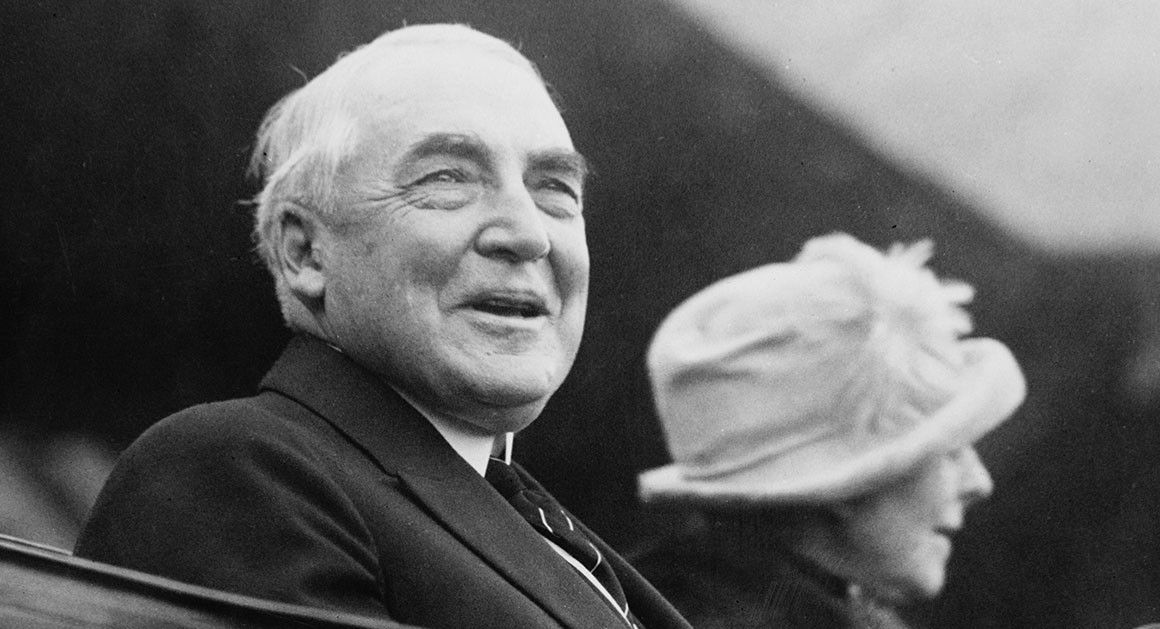
Warren G. Harding: A Presidency Shrouded in Scandal

madtechventures.com – Warren G. Harding, the 29th President of the United States, presided over a presidency that is often remembered as one of the most scandal-ridden in American history. Despite his initial popularity and a promising start to his term, Harding’s legacy is largely defined by the numerous scandals that tainted his administration. From corruption within his cabinet to the infamous Teapot Dome scandal, Harding’s presidency became a cautionary tale about the dangers of political favoritism, poor judgment, and a lack of oversight. Harding’s leadership, while marked by early successes in domestic and foreign policy, ultimately succumbed to the weight of scandal, leaving his reputation in tatters.

The Rise of Warren G. Harding

Early Life and Political Career

Warren Gamaliel Harding was born on November 2, 1865, in Blooming Grove, Ohio, into a modest family. The son of a physician and farmer, Harding was not a remarkable student, but he displayed an early interest in the world of journalism. After graduating from Ohio Central College in 1882, Harding worked at a local newspaper and eventually became the owner of the Marion Daily Star in 1884. His career in journalism helped him develop the skills necessary for a political career, especially his talent for speaking to the concerns of ordinary Americans.

Harding’s political career began in Ohio, where he was elected to the Ohio State Senate in 1900. He gradually rose through the ranks, becoming Lieutenant Governor of Ohio and later serving in the U.S. Senate. Harding’s political style was one of moderation, and he quickly developed relationships with key political figures that would later aid him in his rise to national prominence.

In 1920, Harding was selected as the Republican candidate for president during a highly contested convention. At the time, the Republican Party was divided between progressives and conservatives, and Harding’s relatively moderate stance and calm demeanor made him an appealing compromise candidate. Running on a platform of “a return to normalcy,” Harding promised to restore stability to a nation that had been shaken by the turmoil of World War I and the progressive reforms of the previous decade. His message resonated with a war-weary electorate, and he won the 1920 presidential election in a landslide, securing over 60% of the popular vote.

The Harding Administration: Early Successes

Economic Prosperity and Domestic Policies

Upon taking office in 1921, Harding wasted no time in pushing his agenda. His primary focus was restoring economic stability to a nation that had experienced the economic dislocation caused by World War I. Harding believed in minimal government intervention in the economy and adopted a conservative, pro-business stance.

One of his first acts as president was to push for significant tax cuts, particularly for businesses and high-income earners. The Revenue Act of 1921, which lowered the top income tax rate from 73% to 58%, was passed, and Harding’s administration continued to implement policies that sought to reduce government spending and reduce the national debt. Under Harding’s leadership, the federal budget was balanced for the first time in several years, and the economy began to recover, leading to a period of prosperity known as the “Roaring Twenties.”

Harding’s foreign policy was also characterized by a desire to avoid entanglements in European affairs. His administration focused on diplomacy and arms reduction, exemplified by the Washington Naval Conference of 1921-1922. The conference resulted in international agreements to limit naval armament and avoid an arms race among the major world powers. Harding’s decision to support disarmament efforts, including the Kellogg-Briand Pact of 1928, further cemented his reputation as a leader seeking peace and stability in the post-World War I world.

The Flawed Cabinet

Despite these early successes, Harding’s administration was marred by serious ethical lapses. Harding, who was often praised for his ability to select talented individuals to serve in his cabinet, unfortunately chose men whose actions would tarnish his presidency. His cabinet included a number of men with questionable ethical standards, many of whom were involved in corruption and scandal during his time in office.

The Teapot Dome Scandal

The most infamous and damaging scandal of Harding’s presidency was the Teapot Dome scandal, which revolved around the secret leasing of federal oil reserves to private companies. The reserves, located in Teapot Dome, Wyoming, and Elk Hills, California, were intended to be managed by the federal government for use in national emergencies. However, Harding’s Secretary of the Interior, Albert Fall, leased these oil fields to two major oil companies without competitive bidding.

What made the scandal particularly egregious was that Fall had accepted bribes from the oil companies in exchange for the leases. In return, Fall received cash payments and loans from the companies, which amounted to hundreds of thousands of dollars. When the bribery scheme was uncovered, it shocked the nation, as it revealed the extent of corruption within Harding’s administration.

Fall became the first cabinet member in U.S. history to be convicted of a felony for his actions, and the scandal severely damaged Harding’s reputation. Although Harding himself was never directly implicated in the scandal, the public’s perception of him was forever tainted. His failure to act decisively to address the corruption within his administration only added to the sense that Harding was a weak and ineffective leader.

The “Ohio Gang” and Other Scandals

In addition to Teapot Dome, Harding’s administration was plagued by other scandals involving his cabinet members, many of whom were referred to as the “Ohio Gang,” a group of Harding’s old political friends and allies from Ohio. These men, including Attorney General Harry Daugherty and Veterans’ Bureau Director Charles Forbes, were involved in a variety of corrupt activities, from bribery to embezzlement. The Veterans’ Bureau scandal, in particular, involved the theft of funds intended for the care of wounded veterans, further undermining the public’s trust in Harding’s leadership.

While many of the scandals were confined to Harding’s inner circle, they became a symbol of a broader culture of political corruption that permeated the administration. The scandals cast a long shadow over Harding’s presidency and overshadowed the few accomplishments he had managed to achieve.

The End of the Presidency and Harding’s Death

Health Issues and Deteriorating Leadership

Harding’s presidency was further complicated by his declining health. Throughout his time in office, Harding struggled with various health issues, including chronic fatigue, heart problems, and general physical weakness. His hectic schedule and the stress of managing a scandal-ridden administration likely took a toll on his health. Despite these challenges, Harding remained largely inactive in the face of mounting scandals, delegating much of his authority to others.

By 1923, Harding had embarked on a cross-country tour to promote his administration’s policies and to restore his image. However, during his trip to California, Harding fell seriously ill. On August 2, 1923, he died suddenly of a heart attack at the age of 57, leaving his presidency abruptly cut short.

The nation was shocked by his death, and many wondered how the scandal-ridden administration would have unfolded had Harding lived longer. Harding’s sudden passing left unanswered questions about his leadership and the potential for reform within his administration.

Harding’s Legacy: A Presidency Marked by Scandal

A Legacy of Corruption and Incompetence

Warren G. Harding’s presidency is often remembered for the scandalous behavior of his inner circle rather than for any lasting accomplishments. The Teapot Dome scandal, the Ohio Gang, and the widespread corruption within his administration are among the primary factors that have shaped Harding’s historical reputation. While his early policies of tax cuts and fiscal restraint contributed to a period of economic growth, the scandals that marred his presidency overshadowed these achievements.

Harding’s inability to prevent or effectively address corruption within his administration has left a lasting stain on his legacy. His failure to provide strong leadership during a time of political crisis, coupled with his poor judgment in selecting corrupt individuals for key positions, led to widespread disillusionment with his leadership.

A Complex Legacy

While Harding’s presidency is overshadowed by scandal, it is important to recognize the broader historical context in which he governed. Harding’s call for a “return to normalcy” after World War I resonated with a nation eager for peace and stability. His administration’s economic policies helped to lay the groundwork for the prosperity of the 1920s. However, the corruption and scandals that plagued his administration ultimately define his time in office.

Harding’s sudden death left many of his contemporaries wondering whether he could have redeemed himself had he lived longer. While history may never fully answer that question, his presidency remains a cautionary tale of the dangers of poor judgment, political favoritism, and unchecked corruption at the highest levels of government.

Conclusion

Warren G. Harding’s presidency is a stark reminder of the potential dangers that come with political favoritism, a lack of oversight, and weak leadership. His administration, which began with high hopes for economic recovery and national unity, was ultimately consumed by scandal and corruption. The Teapot Dome affair, the Ohio Gang, and the widespread dishonesty within Harding’s inner circle have forever shaped his legacy. Harding’s presidency serves as a cautionary tale of how even a promising and well-intentioned leader can be undone by the shadows of corruption that lie beneath the surface of government.
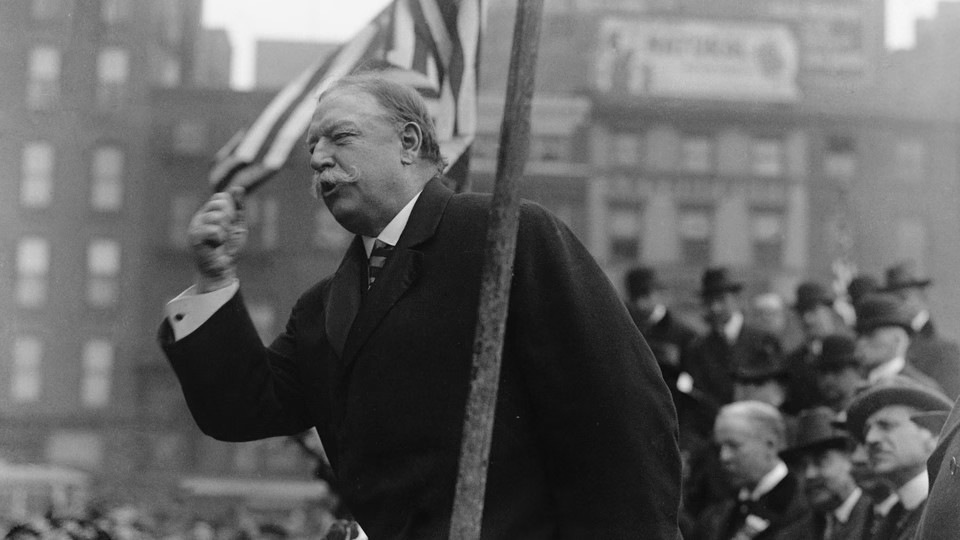
Taft’s Presidency: Navigating the Political Divide

madtechventures.com – William Howard Taft’s presidency, which spanned from 1909 to 1913, was marked by significant political and ideological divides that shaped his administration and ultimately affected his legacy. While Taft entered office with the endorsement of Theodore Roosevelt, his close political ally and predecessor, his time in the White House became defined by a rift between the two men, leading to a split in the Republican Party. The divisions during his presidency had lasting consequences for both Taft and the Republican Party, influencing the course of American politics for years to come.

Taft’s ability to navigate the political landscape, manage internal party divisions, and tackle key issues of his time such as tariffs, business regulation, and foreign policy left a deep impact on American governance. His presidency, though often overshadowed by the rise of progressivism and the election of Woodrow Wilson in 1912, was marked by both successes and challenges that reflect the complexities of governing during an era of rapid change.

In this article, we will explore the dynamics of Taft’s presidency, focusing on the political challenges he faced, his relationship with Roosevelt, his stance on key domestic issues, and his role in the broader context of American politics.

Early Years and the Path to the Presidency

The Roosevelt Connection

William Howard Taft was initially handpicked by Theodore Roosevelt to be his successor, a decision that was meant to ensure the continuation of Roosevelt’s progressive policies. Roosevelt had brought about significant reforms during his presidency, particularly in areas such as trust-busting, conservation, and labor rights. He saw Taft, his close friend and trusted ally, as a man who could carry forward these initiatives. Taft, a former judge and administrator in the Philippines, had earned Roosevelt’s trust for his reputation as an effective, albeit more cautious, reformer.

When Taft ran for president in 1908, Roosevelt’s endorsement helped propel him to victory, as he campaigned on a platform of progressive reform, promising to continue Roosevelt’s domestic and foreign policies. However, the political honeymoon between Taft and Roosevelt would not last long. While Taft shared many of Roosevelt’s goals, their approaches to governance and specific policies quickly began to diverge.

The Strains of Leadership

Upon entering office, Taft was confronted with immediate challenges. His more conservative approach to some issues clashed with Roosevelt’s more aggressive progressive stance. Although Taft initially made efforts to maintain Roosevelt’s policies, he soon developed his own leadership style, leading to growing tensions between the two.

One of the major early sources of friction was Taft’s approach to trust-busting. While Roosevelt had been proactive in targeting monopolistic corporations, Taft took a more cautious and legalistic approach, preferring to pursue cases through the courts rather than through regulatory measures. This difference in strategy created a rift between the two men, as Roosevelt believed Taft was not doing enough to dismantle the power of big corporations.

The Political Divide: Taft vs. Roosevelt

The Tariff Controversy

One of the most significant political divides during Taft’s presidency occurred over the issue of tariffs, which were central to the economic and political debates of the time. Taft inherited the tariff issue from Roosevelt, who had worked to reduce tariffs but had faced opposition from conservative Republicans in Congress. Tariffs were an important issue for both progressives and conservatives, as they directly impacted business interests, consumer prices, and the economy.

In 1909, Taft supported the Payne-Aldrich Tariff, which ultimately raised tariffs on many goods instead of lowering them as he had promised during his campaign. This decision infuriated progressives in his party, who believed that reducing tariffs would benefit consumers by lowering the cost of goods. Taft’s inability to fully deliver on his campaign promise to reform tariffs led to a loss of support among progressive Republicans, particularly those aligned with Roosevelt.

Roosevelt, who had been a champion of tariff reduction, saw Taft’s stance as a betrayal of the progressive cause. The conflict over the tariff issue marked the beginning of a deepening divide between the two men and their respective political factions.

The Republican Split

The 1910 midterm elections further exposed the growing schism within the Republican Party. Progressives, unhappy with Taft’s conservatism, began to rally behind Roosevelt, who publicly criticized Taft’s policies and actions. By 1912, Roosevelt, frustrated with Taft’s leadership, decided to challenge him for the Republican nomination, further dividing the party.

Roosevelt’s decision to run for president again was a pivotal moment in American politics. The Republican Party, once united under Roosevelt’s leadership, was now fractured into two factions: the conservative wing, led by Taft, and the progressive wing, led by Roosevelt. The bitter contest for the Republican nomination in 1912 created a political crisis for the party, weakening its ability to win the general election.

The Election of 1912 and Its Aftermath

The political battle between Taft and Roosevelt reached its climax in the 1912 election. Roosevelt, unable to secure the Republican nomination, ran as the candidate of the newly formed Progressive Party, also known as the “Bull Moose Party.” Taft, the incumbent president, was the Republican nominee, while Woodrow Wilson, the governor of New Jersey, emerged as the Democratic nominee.

The division within the Republican Party proved disastrous for Taft. With Roosevelt’s supporters defecting to the Progressive Party, Taft’s chances of winning the presidency were severely diminished. In the general election, Wilson triumphed with a clear majority, and Taft finished a distant third, with Roosevelt placing second. Wilson’s victory marked the beginning of a new era in American politics, with the Democrats taking control of the White House for the first time in 16 years.

The split in the Republican Party had long-term consequences, weakening the party and paving the way for a period of Democratic dominance in American politics. Taft’s inability to navigate the political divide between the conservative and progressive wings of his party contributed to his defeat and the decline of the Republican Party’s influence during the early 20th century.

Taft’s Domestic Policy: Progressivism and Conservatism

Trust-Busting and Regulation

Despite the political turbulence surrounding his presidency, Taft’s administration was marked by significant efforts to regulate big business and monopolies. Taft continued Roosevelt’s trust-busting policies, filing more antitrust lawsuits than any previous administration. Under his leadership, the Justice Department broke up companies such as Standard Oil and American Tobacco, seeking to promote fair competition and prevent the concentration of economic power in the hands of a few corporations.

However, Taft’s cautious approach to trust-busting, combined with his reluctance to use executive orders and his preference for legal proceedings, led some progressives to criticize him for not being aggressive enough in regulating corporate interests. While his efforts were significant, they did not have the same immediate impact or widespread support that Roosevelt’s more hands-on approach had enjoyed.

Conservation and Environmental Protection

Another area where Taft faced criticism from progressives was in his stance on conservation. Roosevelt had made environmental conservation a cornerstone of his presidency, establishing national parks, forests, and monuments. Taft, however, was less committed to the conservation movement, and his administration was seen by many as more sympathetic to business interests, particularly those involved in resource extraction.

Taft’s decision to dismiss Gifford Pinchot, the chief of the U.S. Forest Service and a strong advocate for conservation, further alienated progressive environmentalists. Pinchot’s removal from office came after a dispute over the secretary of the interior’s management of public lands, and it underscored Taft’s more conservative approach to conservation issues.

Labor Rights and Reforms

Taft did make some strides in labor reform, although his efforts were often overshadowed by the political turmoil within his own party. His administration created the Department of Labor in 1913, a significant step in addressing the needs of workers and labor organizations. Taft also supported child labor laws and regulations to improve workplace safety, although these efforts were often constrained by political opposition.

Foreign Policy and Global Leadership

Taft’s Diplomacy and “Dollar Diplomacy”

In terms of foreign policy, Taft sought to expand American influence globally through a policy known as “Dollar Diplomacy.” This approach emphasized the use of economic and financial investments to promote American interests abroad, particularly in Latin America and Asia. Taft believed that by investing in foreign economies, the United States could foster stability and secure favorable trade relationships.

One of the key elements of Dollar Diplomacy was Taft’s support for American businesses and banks investing in Latin American countries and China. While the policy was intended to prevent European powers from gaining influence in these regions, it was often criticized for prioritizing American corporate interests over the well-being of local populations. Dollar Diplomacy had limited success, as it failed to garner widespread support both at home and abroad.

Conclusion: The End of Taft’s Presidency

William Howard Taft’s presidency was marked by a profound political divide within the Republican Party, as well as significant challenges in navigating the complexities of domestic and foreign policy. His inability to reconcile the competing interests of the conservative and progressive factions of his party led to a fractured Republican electorate and ultimately to his defeat in the 1912 election. Despite his political struggles, Taft’s presidency made lasting contributions to American law and governance, particularly in the areas of trust-busting, labor reform, and judicial appointments.

Taft’s presidency serves as a reminder of the challenges that come with managing a divided political landscape. His legacy is a complex one—marked by both significant reforms and deep political fractures. His story is a testament to the difficulties of governing in a time of intense ideological conflict and political change, a theme that continues to resonate in American politics today.

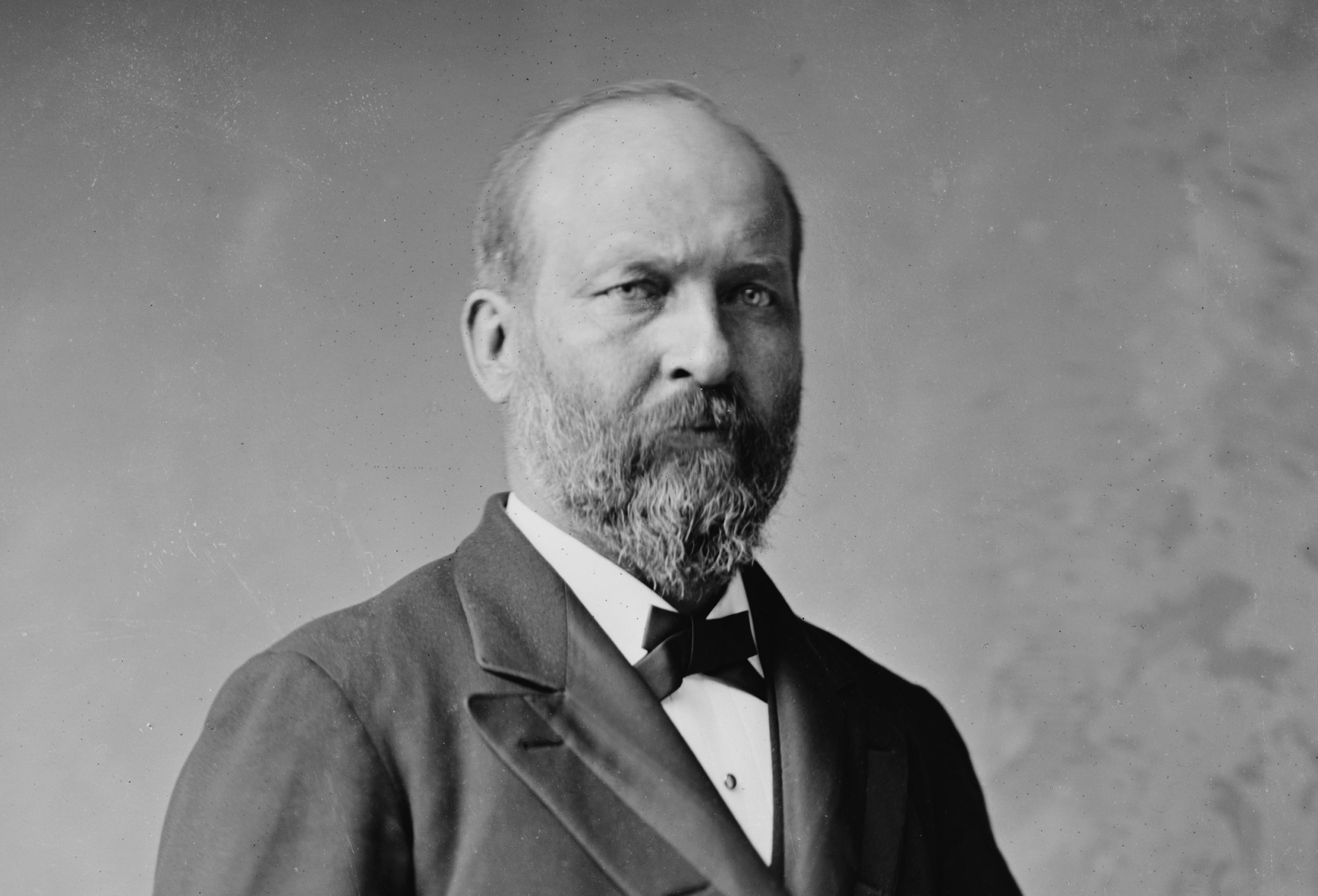
The Life of James A. Garfield: Brief Presidency – Lasting Legacy

madtechventures.com – James A. Garfield, the 20th President of the United States, led a life that was remarkable for its breadth and depth, though tragically brief in its culmination. Elected in 1880, Garfield’s presidency lasted only six months before he was assassinated, but the influence of his life continues to be felt to this day. From his humble beginnings to his academic achievements, his time as a military leader, and his political career, Garfield’s life was a testament to dedication, intellect, and an unwavering commitment to justice. While his presidency was cut short, Garfield’s vision for reform, his moral integrity, and his relentless pursuit of public service left a lasting legacy.

This article takes a deep dive into the life of James A. Garfield—examining his early years, his rise to political prominence, his presidency, and the enduring impact of his brief time in office.

Early Life and Education: The Foundation of a Scholar

A Humble Beginning in Ohio

James Abram Garfield was born on November 19, 1831, in a small log cabin in Orange Township, Ohio. The son of Abram and Eliza Garfield, James was the youngest of five children. His father died when James was only two years old, leaving his mother, Eliza, to raise him and his siblings. Despite being impoverished and having to work hard to make ends meet, Eliza was deeply committed to her children’s education. Although she lacked formal schooling, she valued the importance of learning and instilled in her children the desire to better themselves.

From a young age, Garfield exhibited remarkable intellectual promise, devouring books whenever he had the chance. His early education was shaped by his mother’s efforts and by his own fierce curiosity. James’s childhood was marked by a blend of hard work and academic aspiration. He spent much of his time working on the family farm but made the most of every opportunity to learn—often studying by candlelight at night. This combination of intellectual curiosity and a relentless work ethic would become central to Garfield’s character.

The Path to Higher Education

Garfield’s formal education began at the Western Reserve Eclectic Institute (later known as Hiram College) in Hiram, Ohio. His teaching experience at the school, while simultaneously pursuing his studies, was pivotal in shaping his leadership and academic career. Despite the financial struggles that forced him to work part-time, Garfield excelled in his studies and quickly gained the respect of both his peers and professors.

In 1854, Garfield took the next step in his education and enrolled at Williams College in Massachusetts, a prestigious institution where he flourished academically. There, Garfield became known for his exceptional grasp of the classics, particularly Greek and Latin. His studies were not limited to the classics, however; he also excelled in history, philosophy, and logic. Garfield’s academic excellence earned him membership in Phi Beta Kappa, an honor society that recognizes scholarly achievement. He graduated in 1856, at the age of 25, with high honors.

Military Service: A Commitment to Duty

The Call to Arms During the Civil War

Garfield’s military service played a critical role in his rise to national prominence. When the Civil War broke out in 1861, Garfield, a staunch Union supporter, was determined to serve his country. Although he had no formal military training, his intellect, leadership skills, and passion for the Union cause quickly propelled him to higher ranks.

Garfield joined the Union Army as a lieutenant colonel and served under General William S. Rosecrans in the Army of the Cumberland. His leadership and strategic insight earned him rapid promotions, and he eventually rose to the rank of major general. Garfield was involved in several important battles, including the Battle of Middle Creek in Kentucky, where his leadership played a decisive role in securing a Union victory.

Throughout his military career, Garfield earned a reputation as a capable and thoughtful leader. He was particularly admired for his ability to inspire his troops, his organizational skills, and his commitment to the Union cause. His service was not only a testament to his patriotism but also to his ability to navigate complex situations and make difficult decisions under pressure. In fact, it was during his time as a military officer that Garfield gained the kind of recognition that would help propel him into political life.

Transition to Political Leadership

After the Civil War, Garfield returned to Ohio, where his military service and leadership skills made him a respected figure. He was soon elected to the U.S. House of Representatives in 1863, where he would go on to serve for nearly 17 years. During his time in Congress, Garfield earned a reputation as a powerful speaker and a leading advocate for a variety of issues, including civil rights, economic development, and the preservation of the Union’s integrity.

Garfield was also a staunch supporter of the Republican Party and aligned himself with President Abraham Lincoln’s vision for Reconstruction after the war. He believed in the importance of ensuring the full civil rights of freed slaves and championed legislative measures to provide greater opportunities for African Americans in the post-war United States.

A Presidential Election: Garfield’s Path to the White House

The 1880 Election and Garfield’s Candidacy

In 1880, Garfield entered the race for the presidency, but not as a front-runner. The Republican Party was divided, with competing factions vying for control. Garfield, who had been serving in Congress for nearly two decades, was largely viewed as a compromise candidate—a man of principle, intellect, and integrity who was acceptable to both the reform-minded and the establishment wings of the party.

Despite initially being considered an underdog in the race, Garfield’s reputation as a brilliant orator and a skilled politician won him the Republican nomination after a lengthy and contentious convention. He defeated rivals like Ulysses S. Grant and James G. Blaine, who had been more prominent figures in the party, and secured the nomination through a combination of skillful political maneuvering and widespread support from party delegates.

Garfield’s candidacy was rooted in a platform of civil service reform, economic modernization, and national unity. He advocated for merit-based appointments in government, which aligned with his belief in integrity and his disdain for the patronage system that had long plagued American politics.

A Narrow Victory in the General Election

In the general election of 1880, Garfield faced Democratic nominee Winfield Scott Hancock, a former Union general. The race was incredibly tight, with Garfield ultimately emerging victorious by a narrow margin. Garfield won the presidency with 48.3% of the popular vote and 214 electoral votes, while Hancock secured 48.2% and 155 electoral votes. The election was a testament to Garfield’s appeal as a moderate, reform-oriented candidate who could unite the nation after the divisiveness of the Civil War.

The Presidency: A Brief but Impactful Term

Civil Service Reform and Efforts to Modernize

Garfield’s presidency was tragically short. He took office on March 4, 1881, and within just four months, he was shot by an assassin’s bullet. Nonetheless, in his brief time in office, Garfield made several significant moves to modernize the federal government and promote civil service reform.

One of Garfield’s most notable achievements was his strong support for merit-based appointments in government. He sought to reduce the patronage system, which rewarded political loyalty over competence. Garfield’s belief in the importance of competence and integrity in government was reflected in his attempts to reform the spoils system and ensure that government positions were filled by qualified individuals. His actions set the stage for future civil service reforms, including the Pendleton Civil Service Reform Act of 1883, which would be passed after his death.

A Legacy Cut Short

Just six months into his presidency, Garfield was shot by Charles J. Guiteau, an assassin who had become disillusioned with the outcome of the election. Garfield succumbed to his wounds on September 19, 1881, leaving the nation in shock. His untimely death was a tragic event that prevented him from fully realizing his political vision.

However, Garfield’s brief presidency had a lasting impact. His advocacy for civil service reform laid the groundwork for a more efficient and less corrupt federal government. His personal integrity and commitment to public service served as a model for future leaders, and his tragic assassination led to widespread calls for reform that would eventually be realized through the Pendleton Act.

Conclusion: The Lasting Impact of James A. Garfield

James A. Garfield’s life, though tragically brief, left an indelible mark on American history. From his humble beginnings to his ascent to the presidency, Garfield’s story is one of perseverance, intellectual curiosity, and dedication to public service. His commitment to civil service reform, his support for education and equality, and his moral integrity set him apart as a leader of vision and principle.

While his presidency was short, Garfield’s legacy continues to be felt today. His vision for a government based on merit, his courage in the face of political and personal challenges, and his belief in the power of education and reform remain an enduring part of the American political landscape. James A. Garfield’s life and legacy remind us that even the briefest of presidencies can leave a lasting impact on the course of a nation.

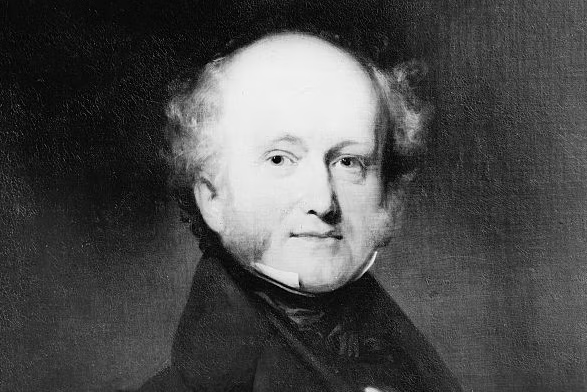
Van Buren’s Presidency: A Time of Transition

madtechventures.com – Martin Van Buren’s presidency, spanning from 1837 to 1841, marked a period of significant transition in American political and economic history. As the hand-picked successor of Andrew Jackson, Van Buren inherited a nation that was evolving politically, economically, and socially. His presidency was defined by a deep economic depression, contentious political shifts, and evolving attitudes toward slavery. While often overshadowed by the crises of his administration, Van Buren’s tenure was a transformative period for the country, and he played a crucial role in setting the stage for many of the developments that would shape the decades to come.

Van Buren’s Inheritance: Jacksonian Democracy

The Legacy of Andrew Jackson

Van Buren’s presidency is best understood in the context of his predecessor, Andrew Jackson. As Jackson’s Vice President and one of his closest political allies, Van Buren was seen as the natural continuation of the “Jacksonian” political movement. Jacksonian democracy emphasized a limited role for the federal government, states’ rights, and a populist approach to politics that appealed to the common man. Jackson’s forceful dismantling of the Bank of the United States, his use of the veto power, and his aggressive stance against Native American tribes shaped the political landscape Van Buren would inherit.

Van Buren’s Alignment with Jacksonian Policies

Van Buren was deeply committed to continuing Jackson’s policies and philosophy. A staunch advocate of limited government intervention in economic affairs, he believed in a decentralized banking system and opposed the use of federal power to address social or economic problems. However, while Van Buren supported Jackson’s approach, he faced a far different political and economic reality than his predecessor, particularly with the onset of one of the most severe economic crises in American history.

The Panic of 1837: An Economic Catastrophe

Causes of the Panic

The Panic of 1837, which struck only a few months after Van Buren took office, was a financial crisis that triggered a severe economic depression. While the immediate cause of the panic was the collapse of speculative investments and the failure of state banks, the roots of the crisis lay in the economic policies of Jackson’s administration. Jackson’s dismantling of the Bank of the United States, his issuance of the Specie Circular (which required government land to be purchased with hard currency), and the volatile state banking system all contributed to a fragile economic environment.

Van Buren’s Response to the Crisis

Van Buren’s response to the Panic of 1837 was shaped by his belief in limited government intervention. He refused to involve the federal government in providing direct relief to the struggling economy, believing that the crisis would eventually resolve itself. His primary response was the establishment of the Independent Treasury System, which sought to separate federal government funds from private banks. This system, implemented in 1840, was intended to stabilize the economy by reducing reliance on unstable state banks. However, while the Independent Treasury eventually contributed to economic stability, it did little to alleviate the immediate suffering caused by the depression.

The Impact of the Economic Depression

The Panic of 1837 had devastating effects on the American economy. Banks failed, businesses closed, and unemployment soared. Farmers were hit particularly hard, as falling crop prices and bank foreclosures led to widespread financial ruin. The economic depression persisted throughout Van Buren’s presidency, significantly undermining his popularity and leading to widespread dissatisfaction with his leadership. The economic hardships of the time would have a lasting impact on Van Buren’s political legacy, as he was often blamed for the downturn, despite the fact that many of the causes lay in the policies of his predecessor.

Political Shifts and Challenges

The Rise of the Whig Party

During Van Buren’s presidency, the Whig Party emerged as a powerful political force in opposition to Jacksonian Democrats. The Whigs, led by figures such as Henry Clay and Daniel Webster, championed a more active role for the federal government in promoting economic development, particularly through internal improvements such as infrastructure projects and protective tariffs. They also favored the re-establishment of a national bank, which they argued would stabilize the economy and prevent future financial crises.

The economic depression provided the Whigs with a powerful platform to criticize Van Buren’s policies. They painted him as indifferent to the suffering of ordinary Americans and out of touch with the needs of the country. The Whigs gained significant ground in Congress during Van Buren’s presidency, setting the stage for a fierce political battle in the 1840 election.

The 1840 Election: Van Buren’s Defeat

By the time of the 1840 election, Van Buren’s popularity had waned significantly due to the ongoing economic crisis. The Whigs, capitalizing on the public’s discontent, nominated William Henry Harrison as their candidate. Harrison, a former military hero, was portrayed as a man of the people, in contrast to Van Buren, who was depicted as an out-of-touch aristocrat. The Whigs’ campaign, which included catchy slogans like “Tippecanoe and Tyler Too,” was highly effective, and Van Buren was soundly defeated in the election. Harrison’s victory marked the first time the Whigs captured the presidency, signaling a shift in the political landscape.

Slavery and Sectional Tensions

Van Buren’s Position on Slavery

While Van Buren was personally opposed to the expansion of slavery, he was careful to maintain a balance between pro-slavery and anti-slavery factions within the Democratic Party. As president, he sought to avoid inflaming sectional tensions, believing that the issue of slavery was too divisive and could threaten the stability of the Union. His administration maintained the status quo, refusing to take bold action on the issue. This cautious approach allowed him to retain support from Southern Democrats but alienated some Northern abolitionists.

The Gag Rule and the Growing Divide

During Van Buren’s presidency, the issue of slavery became increasingly contentious in Congress. The “gag rule,” which was implemented in 1836, prohibited the discussion of anti-slavery petitions in the House of Representatives. While Van Buren supported the gag rule as a means of preventing sectional conflict, it became a focal point of controversy, particularly among abolitionists who saw it as an infringement on free speech.

The growing divide over slavery during Van Buren’s presidency foreshadowed the deepening sectional tensions that would eventually lead to the Civil War. Van Buren’s attempts to maintain a delicate balance between pro-slavery and anti-slavery forces highlighted the increasing difficulty of addressing the issue without tearing the country apart.

Foreign Policy: Maintaining Peace and Neutrality

The Canadian Rebellion of 1837

One of the key foreign policy challenges of Van Buren’s presidency was the Canadian Rebellion of 1837, during which Canadian rebels sought independence from British rule. While many Americans sympathized with the rebels, Van Buren maintained a strict policy of neutrality, refusing to allow the United States to become involved in the conflict. His administration worked to prevent American citizens from crossing the border to aid the rebels and sought to maintain peaceful relations with Britain. This policy of restraint helped to avoid a broader conflict with Britain, but it also disappointed some Americans who favored a more aggressive stance.

Relations with Mexico

Van Buren also faced challenges in U.S.-Mexico relations, particularly concerning the issue of Texas, which had declared its independence from Mexico in 1836. While many Americans supported the annexation of Texas, Van Buren was cautious, fearing that such a move would provoke war with Mexico and exacerbate tensions over slavery, as Texas was a slaveholding region. His decision to delay the annexation of Texas until after his presidency reflected his broader foreign policy approach, which prioritized stability and the avoidance of conflict.

Van Buren’s Legacy

A Time of Transition

Martin Van Buren’s presidency is often viewed as a time of transition in American history. His administration was marked by the shift from the Jacksonian era to a more organized and structured political system, with the rise of the Whig Party and the growing influence of political parties in general. While Van Buren was deeply committed to continuing Jackson’s policies, he faced new and unprecedented challenges that required different solutions.

The Limits of Jacksonian Democracy

Van Buren’s presidency highlighted the limitations of Jacksonian democracy in addressing the economic and social issues of the time. His adherence to the principles of limited government and states’ rights, while ideologically consistent, proved insufficient in dealing with the severe economic depression and growing sectional tensions. The Panic of 1837 and its aftermath exposed the need for a more active role for the federal government in managing the economy, a shift that would gradually take place in the decades to come.

A Pivotal Figure in American Politics

Despite the challenges and controversies of his presidency, Van Buren remains a pivotal figure in American political history. His contributions to the formation of the Democratic Party, his role in shaping the modern political system, and his efforts to navigate the turbulent political landscape of the 1830s and 1840s all left a lasting impact on the country. While his presidency may not have been marked by great achievements, it was a critical period of transition that set the stage for many of the developments that would shape the nation in the years to come.