The History of the Persian Empire – Religious Influence

madtechventures.com – The Persian Empire, also known as the Achaemenid Empire, was one of the most influential and enduring empires in ancient history. Spanning from 550 BCE to 330 BCE, it encompassed vast territories and laid the foundation for many aspects of modern governance, culture, and religion. From its rise under Cyrus the Great to its fall at the hands of Alexander the Great, the Persian Empire left a lasting legacy that shaped the ancient world.

The Rise of the Achaemenid Dynasty

The origins of the Persian Empire can be traced to the Achaemenid dynasty, which began in the region of modern-day Iran. The dynasty’s founder, Cyrus II, better known as Cyrus the Great, came to power in 550 BCE after successfully overthrowing the Median Empire. This victory marked the beginning of the Persian Empire and the unification of the Iranian plateau under a single rule.

Cyrus the Great expanded the empire rapidly, conquering the powerful Lydian kingdom to the west and the Neo-Babylonian Empire to the south. By the time of his death in 530 BCE, he had established a vast empire stretching from the Mediterranean Sea to the Indus River. Cyrus was celebrated not only for his military conquests but also for his enlightened rule, particularly his respect for local customs and religious tolerance, which earned him widespread admiration.

Darius the Great and the Golden Age

Following the death of Cyrus, his son Cambyses II briefly ruled, expanding the empire into Egypt. However, it was under Darius I, often known as Darius the Great, that the Persian Empire reached its peak in terms of power, organization, and territorial extent. Darius came to the throne in 522 BCE and immediately set about reorganizing the empire into a highly efficient administrative system.

Darius divided the empire into satrapies—provinces governed by appointed officials called satraps—allowing for greater control over its vast territories. He also introduced a standard currency, improved taxation methods, and developed extensive infrastructure, including the construction of the Royal Road, which stretched over 2,500 kilometers from Susa to Sardis. This road facilitated communication and trade, contributing to the empire’s prosperity.

Darius also launched campaigns to expand the empire further, reaching as far as the Indus Valley in the east and Thrace in the west. However, his attempts to conquer Greece met with resistance, culminating in his defeat at the Battle of Marathon in 490 BCE, a key event in the Persian Wars.

Xerxes I and the Persian Wars

After Darius I, his son Xerxes I succeeded him and continued the conflict with the Greek city-states. Xerxes is best known for his role in the Greco-Persian Wars, particularly the famous battles of Thermopylae, Salamis, and Plataea. Despite early victories, including the legendary last stand of the Spartans at Thermopylae, the Persians were ultimately defeated by the Greeks in the naval battle of Salamis and the decisive land battle at Plataea in 479 BCE.

The defeat in Greece marked the beginning of the decline of Persian expansion in Europe, though the empire remained the dominant power in Asia and the Middle East for more than a century after the Persian Wars.

The Cultural and Religious Influence of Persia

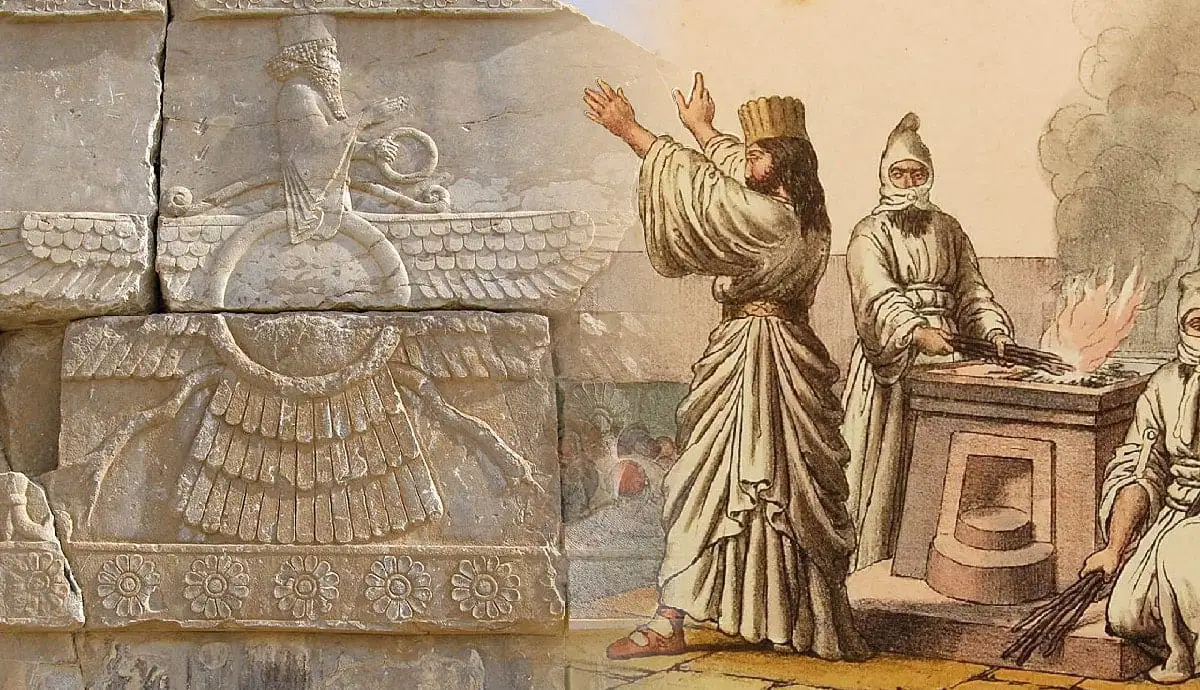
Throughout its history, the Persian Empire was a hub of cultural, religious, and intellectual exchange. The empire’s dominant religion was Zoroastrianism, one of the world’s earliest monotheistic religions. Founded by the prophet Zoroaster (Zarathustra), Zoroastrianism emphasized the dualistic struggle between good and evil, the worship of the supreme deity Ahura Mazda, and the importance of individual moral responsibility.

Zoroastrianism had a profound impact not only on Persian society but also on later religious traditions, including Judaism, Christianity, and Islam. Its ideas of a cosmic battle between good and evil, heaven and hell, and a final judgment influenced the theological framework of these faiths.

Persian art, architecture, and literature flourished during this period as well. The empire’s capital city, Persepolis, was a magnificent testament to Persian architectural prowess, featuring grand palaces, intricate reliefs, and vast ceremonial complexes. The Persian Empire’s respect for the diversity of its subjects led to a blending of cultural influences from Egypt, Greece, Mesopotamia, and India, making it a center of artistic and intellectual creativity.

The Fall of the Persian Empire

The decline of the Persian Empire began in the 4th century BCE, due in part to internal strife and weak leadership. By this time, the empire had become vulnerable to external threats, and it faced growing pressure from the expanding kingdom of Macedon, led by Alexander the Great.

In 334 BCE, Alexander launched his campaign against Persia, swiftly defeating the Persian forces at the Battle of Granicus. Over the next few years, Alexander’s army moved deeper into Persian territory, securing major victories at the Battles of Issus and Gaugamela. Finally, in 330 BCE, Alexander captured Persepolis, the ceremonial capital, effectively marking the end of the Persian Empire.

Although the Achaemenid dynasty came to an end, Persian culture and influence persisted under Alexander’s successors, the Seleucid Empire, and later under the Parthian and Sassanian Empires. Persian traditions, art, and religious ideas continued to shape the broader Middle Eastern and Mediterranean world for centuries.

Legacy of the Persian Empire

The Persian Empire left an indelible mark on world history. Its innovative administrative systems, religious tolerance, and promotion of trade and infrastructure laid the groundwork for many later empires, including the Roman and Byzantine Empires. The idea of a centralized state ruled by a powerful yet just monarch became a model for many future governments.

Culturally, the Persian Empire was a beacon of art, architecture, and intellectual exchange, influencing civilizations from Greece to India. Persian ideas of kingship, law, and governance were passed down through history and are still reflected in modern political systems.

In conclusion, the Persian Empire was one of the most significant empires of the ancient world. Its rich history, spanning over two centuries, helped shape the political, cultural, and religious landscape of the ancient Near East and left a legacy that continues to resonate in the modern era.


Arkansas City: River Town with a Rich History & Southern Charm

madtechventures.com – Arkansas City, nestled along the banks of the Mississippi River in southeastern Arkansas, is a small town steeped in history, southern hospitality, and natural beauty. As a historic river port, Arkansas City once played a significant role in the regional economy and has maintained its charm as a quiet, picturesque community with ties to both the river and agriculture.

History and Foundations

Founded in the 1870s, Arkansas City was originally a bustling steamboat port due to its prime location along the Mississippi River. It served as a hub for the cotton trade, with goods transported to and from the city by steamboat. During its peak, the town thrived as a center for commerce and agriculture, with its economy closely tied to the cotton industry and river transport.

Despite its prosperity, the town faced challenges from recurring floods, particularly the Great Mississippi Flood of 1927, which devastated the region. However, Arkansas City’s resilient community persevered, and today, it stands as a testament to the endurance and spirit of the American South.

The Mighty Mississippi

The Mississippi River remains a defining feature of Arkansas City, shaping both its landscape and lifestyle. The city’s proximity to the river offers scenic views and opportunities for outdoor activities such as fishing, boating, and birdwatching. The river’s vast wetlands and forests provide a habitat for various wildlife species, making the region a destination for nature lovers.

Historic Sites and Landmarks

Arkansas City is home to several historic landmarks that reflect its rich past. The Desha County Courthouse, built in 1912, stands as an architectural gem and is listed on the National Register of Historic Places. The town also honors its Civil War history with local memorials and preserved historic homes that provide a glimpse into life during the 19th century.

Nearby, the Delta Heritage Trail State Park offers visitors a chance to explore the region’s natural beauty and history. This scenic trail, following the path of an old railway, provides a unique way to experience the Mississippi Delta’s landscapes, including dense forests, farmlands, and wetlands.

A Community Rooted in Agriculture

While Arkansas City is no longer the bustling port it once was, its economy remains rooted in agriculture. Farming, particularly cotton and soybean cultivation, continues to be an important industry for the town and surrounding areas. Local festivals and events often celebrate the region’s agricultural heritage, bringing the community together in shared traditions.

The Spirit of the Delta

Arkansas City offers a quiet, laid-back atmosphere that reflects the charm and warmth of the Mississippi Delta. Its slower pace of life, friendly residents, and strong connection to the river make it an appealing destination for those seeking to experience authentic southern culture and history.

Looking Toward the Future

Though small in size, Arkansas City’s historic significance and natural beauty ensure its place as a cherished part of the Mississippi Delta region. Whether visiting to explore the rich history, enjoy the natural surroundings, or simply experience the charm of a classic southern town, Arkansas City offers a glimpse into a world shaped by the river and deeply connected to its heritage.

North Carolina City: History, Culture, and Southern Hospitality

madtechventures.com – North Carolina, known for its diverse landscapes, rich history, and vibrant culture, is home to many cities that attract visitors from around the world. North Carolina City, one of the state’s many historic and charming destinations, offers a unique blend of southern hospitality, cultural attractions, and natural beauty. Whether you’re a history buff, nature enthusiast, or looking for a taste of southern charm, North Carolina City has something to offer everyone.

The Rich History of North Carolina City

North Carolina City has roots that stretch back to the colonial era, and it played an important role in the early development of the state. Throughout the centuries, the city has been a hub for trade, politics, and culture. Its location along key transportation routes helped it grow into a significant economic center, especially during the 19th century.

A visit to North Carolina City Historic District reveals the city’s deep historical roots, where visitors can wander through well-preserved streets lined with beautiful 19th-century architecture. Several buildings in the district are listed on the National Register of Historic Places, offering a glimpse into the city’s past.

For those interested in the Civil War, the North Carolina Civil War Museum is a must-see. The museum offers a detailed account of the state’s involvement in the war, with exhibits that include artifacts, personal stories, and interactive displays.

Natural Beauty and Outdoor Adventures

Surrounded by lush landscapes and scenic vistas, North Carolina City is a great destination for those seeking outdoor adventures. The city is nestled between rolling hills, dense forests, and serene rivers, making it the perfect place for nature lovers to explore.

The Carolina Greenway, a series of trails that connect the city to surrounding areas, offers miles of scenic routes for hiking, biking, and wildlife viewing. For those who enjoy water-based activities, the Piedmont River, which flows near the city, provides excellent opportunities for kayaking, canoeing, and fishing.

Additionally, North Carolina City Park offers a peaceful retreat for residents and visitors alike, with walking trails, playgrounds, and picnic areas, all set against a backdrop of beautiful natural surroundings.

For the more adventurous, the nearby Blue Ridge Mountains provide numerous hiking trails, camping spots, and breathtaking views. Whether you’re hiking up to Grandfather Mountain or exploring the many waterfalls scattered throughout the region, outdoor enthusiasts will find plenty to keep them busy.

The Cultural and Artistic Heart of North Carolina City

North Carolina City prides itself on its thriving arts and cultural scene. The city has long been a gathering place for artists, musicians, and performers, and this legacy continues today. The North Carolina City Arts Center hosts art exhibitions, theater productions, and concerts, providing a space for local and visiting artists to showcase their work.

The city’s lively downtown area is home to several art galleries, craft shops, and performance venues. The North Carolina City Performing Arts Theatre is a popular venue for live theater, musical performances, and film screenings. For those interested in visual arts, the North Carolina City Art Walk is an annual event that brings together local artists and gives visitors the chance to purchase unique works of art.

Additionally, North Carolina City hosts several cultural festivals throughout the year, celebrating everything from music and food to history and literature. The Carolina Folk Festival, for example, highlights the state’s rich folk music traditions, while the North Carolina Wine and Food Festival is a must-visit for foodies and wine enthusiasts.

Key Attractions in North Carolina City

  • North Carolina City Historic District: This area features well-preserved buildings that showcase the city’s rich history, as well as charming shops, cafes, and restaurants. It’s the perfect place to explore on foot and discover local landmarks.
  • North Carolina City Civil War Museum: This museum provides an in-depth look at the state’s role in the Civil War, with exhibits that highlight key events and figures from the period.
  • North Carolina City Park: A great place to enjoy outdoor activities, this park offers walking trails, picnic areas, and plenty of green space for visitors to relax and enjoy nature.
  • Carolina Greenway: This series of trails connects the city to surrounding nature areas and provides excellent opportunities for outdoor activities like hiking, biking, and birdwatching.
  • Blue Ridge Mountains: A short drive from the city, the Blue Ridge Mountains offer some of the most stunning natural landscapes in the state, perfect for hiking, camping, and exploring.
  • North Carolina City Arts Center: A hub for creativity, the Arts Center hosts art exhibitions, concerts, and theatrical performances, contributing to the city’s vibrant cultural scene.

A Welcoming Community with Southern Hospitality

One of the most endearing qualities of North Carolina City is its sense of community. The city’s residents are known for their friendliness and southern hospitality, always eager to welcome visitors with open arms. The downtown area is a hub for local businesses, offering everything from charming boutiques to family-owned restaurants serving delicious southern cuisine.

For food lovers, North Carolina City offers a variety of dining options that showcase the best of southern comfort food, such as fried chicken, collard greens, and cornbread. Local eateries also serve fresh seafood, farm-to-table dishes, and world-class barbecue, making the city a great destination for food enthusiasts.

The city also hosts various events throughout the year, including farmers markets, street festivals, and live music nights, where locals and visitors come together to enjoy the vibrant atmosphere.

Conclusion

North Carolina City is a delightful blend of history, culture, natural beauty, and southern hospitality. Whether you’re exploring the city’s historic landmarks, enjoying the great outdoors, or immersing yourself in local arts and culture, there’s always something to discover in this charming southern gem. With its welcoming community and diverse attractions, North Carolina City is a perfect destination for those seeking a mix of relaxation, adventure, and authentic southern charm.

St. John’s Wort Flower: A Powerful Herb with a Rich History

madtechventures.com – St. John’s Wort (Hypericum perforatum) is a perennial herb that has been used for centuries in traditional medicine. Known for its bright yellow flowers, the plant has a long history of use for treating various ailments, particularly mood disorders such as depression. In this article, we’ll explore the characteristics of St. John’s Wort, its historical uses, its medicinal properties, and how to grow this unique and beneficial plant.

What is St. John’s Wort?

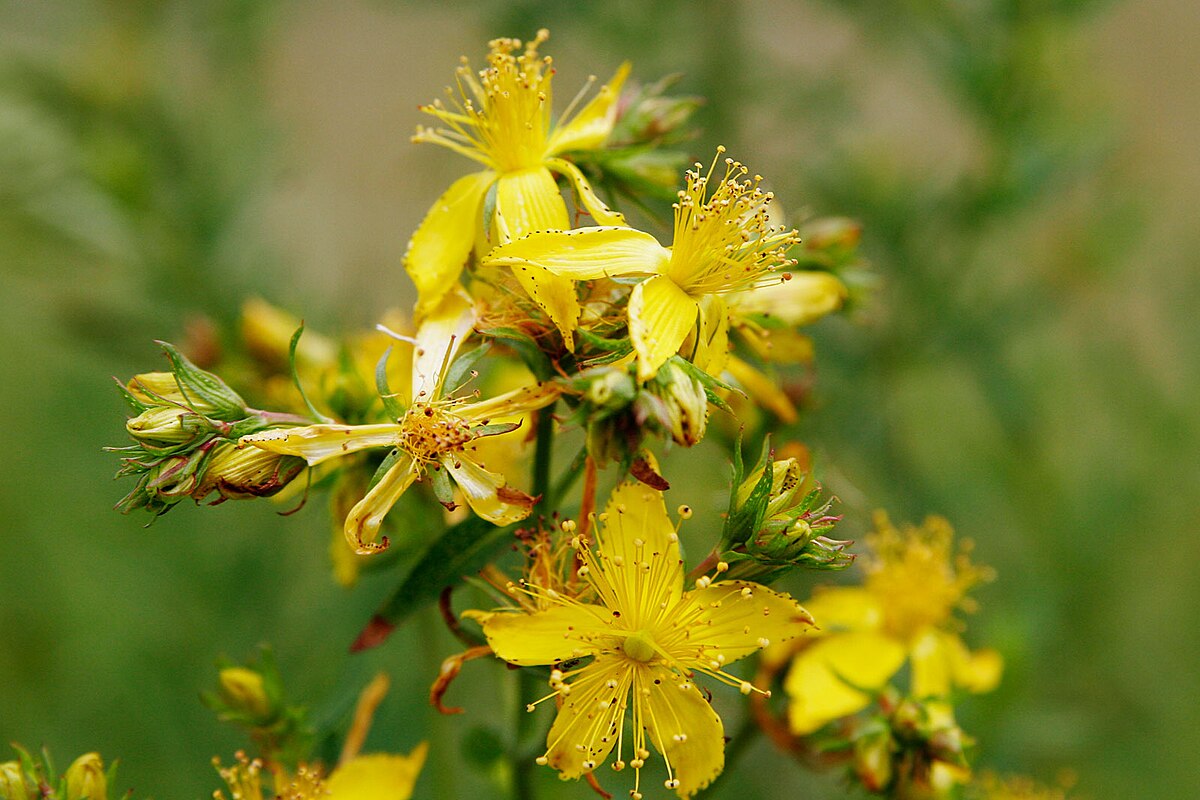
St. John’s Wort is a flowering plant that belongs to the Hypericaceae family. It is native to Europe, but it has spread across many regions of the world, including North America and Asia. The plant is most famous for its yellow flowers, which bloom in early summer and are easily recognizable by their five-petaled structure and black dots on the edges of the petals. These flowers give the plant its common name, as they typically bloom around the feast day of St. John the Baptist (June 24).

Physical Characteristics:

  • Flowers: The bright yellow flowers of St. John’s Wort are its most striking feature. Each flower has five petals with black dots, which contain oil glands that are believed to contribute to its medicinal properties.
  • Leaves: The plant’s leaves are elongated and narrow, often with translucent dots when held up to the light. These dots are actually glandular cells that secrete essential oils.
  • Stem and Height: St. John’s Wort typically grows between 1 and 3 feet in height and has a bushy, upright growth habit.
  • Fruiting: The plant produces small, round, red berries after flowering, though it’s primarily the flowers and leaves that are harvested for medicinal use.

Historical Uses and Medicinal Benefits:

St. John’s Wort has been used for centuries, dating back to ancient Greece and Rome. The plant was named after St. John the Baptist due to its blooming time, but it was also known for its perceived protective properties. Historically, it was believed to ward off evil spirits, and people would hang it in their homes or carry it as an amulet.

In modern herbal medicine, St. John’s Wort is primarily recognized for its potential as a treatment for depression and other mood disorders. Here are some of its most well-known medicinal benefits:

  1. Mood Enhancement: St. John’s Wort is perhaps most famous for its potential to alleviate symptoms of mild to moderate depression. It is believed to increase serotonin, dopamine, and norepinephrine levels in the brain, much like traditional antidepressants, though it generally has fewer side effects.
  2. Anxiety Relief: Some studies suggest that St. John’s Wort can help reduce symptoms of anxiety, thanks to its mood-stabilizing properties. It may act as a natural relaxant and help individuals manage stress more effectively.
  3. Anti-inflammatory Effects: St. John’s Wort contains hypericin, a compound that has been shown to have anti-inflammatory properties, making it useful in treating minor wounds, burns, and even some skin conditions like eczema.
  4. Antiviral and Antibacterial Properties: The oil extracted from St. John’s Wort is sometimes used topically for treating minor skin infections and wounds due to its antiviral and antibacterial effects.
  5. Sleep Aid: Some people use St. John’s Wort as a natural sleep aid, as its calming effects may help promote relaxation and improve sleep quality.

How to Grow St. John’s Wort:

Growing St. John’s Wort in your garden is relatively simple, provided you follow a few key guidelines:

  1. Soil Requirements: The plant prefers well-drained, slightly alkaline soil. It is tolerant of poor soil conditions and can thrive in sandy, loamy, or even rocky soil.
  2. Sunlight: St. John’s Wort requires full sun to bloom optimally. It thrives in bright, sunny locations, so make sure to plant it in a spot that receives at least 6 to 8 hours of sunlight per day.
  3. Watering: While the plant is drought-tolerant once established, it will perform best if watered regularly, especially during dry spells. However, be sure not to overwater, as the plant is susceptible to root rot in soggy soil.
  4. Pruning: St. John’s Wort can benefit from periodic pruning to keep it bushy and encourage new growth. After the plant blooms, you can trim back the stems to maintain its shape and size.
  5. Propagation: The plant is easy to propagate from cuttings or seeds. Seeds can be sown in the spring, while cuttings taken in early summer will root successfully with minimal effort.

Caution and Side Effects:

While St. John’s Wort is generally considered safe when used appropriately, there are a few important considerations:

  • Drug Interactions: St. John’s Wort is known to interact with a variety of medications, including antidepressants, birth control pills, blood thinners, and medications for heart disease. Always consult a healthcare provider before using St. John’s Wort if you are on medication.
  • Photosensitivity: In rare cases, St. John’s Wort can increase sensitivity to sunlight, leading to an increased risk of sunburn or rash. People using the herb should take care to avoid prolonged sun exposure.
  • Side Effects: Some people may experience mild side effects such as dry mouth, dizziness, or gastrointestinal discomfort. If any adverse reactions occur, it is advisable to discontinue use and consult a healthcare professional.

Conclusion:

St. John’s Wort is a powerful and versatile plant with a rich history and numerous potential health benefits. Whether you’re looking to grow it for its medicinal properties or simply to enjoy its bright, cheerful blooms, this herb is a valuable addition to any garden or natural medicine cabinet. As with any herb, it’s essential to use St. John’s Wort responsibly and to consult with a healthcare provider, especially if you’re taking other medications. With the right care and attention, St. John’s Wort can be a valuable ally in supporting mental and physical well-being.

Apfelstrudel: A Viennese Classic – A Brief History

madtechventures.com – Apfelstrudel, a beloved Viennese pastry, is a masterpiece of culinary artistry. This flaky, buttery pastry is filled with a sweet and fragrant apple filling, making it a truly indulgent treat.

A Brief History

The origins of Apfelstrudel can be traced back to the Ottoman Empire, where similar pastries were enjoyed. However, it was in Vienna, Austria, that Apfelstrudel truly flourished. The Viennese bakers perfected the art of making thin, delicate pastry dough and creating a rich and flavorful apple filling.

The Art of Making Apfelstrudel

Creating the perfect Apfelstrudel requires a few key techniques:

  1. Making the Dough: A delicate dough, often referred to as phyllo dough or strudel dough, is rolled out as thin as possible. This is a skill that takes practice and patience.
  2. Preparing the Filling: A mixture of thinly sliced apples, sugar, cinnamon, and sometimes raisins or nuts, is prepared.
  3. Assembling the Strudel: The filling is spread onto the dough, which is then carefully rolled up.
  4. Baking the Strudel: The rolled-up strudel is brushed with butter and baked until golden brown.

Serving Suggestions

Apfelstrudel is typically served warm with a dusting of powdered sugar. It can also be enjoyed with a scoop of vanilla ice cream or a dollop of whipped cream.

Modern Variations

While the classic Apfelstrudel is a timeless delight, modern pastry chefs have experimented with various flavors and ingredients. Some popular variations include:

  • Pear Strudel: A similar recipe using pears instead of apples.
  • Cherry Strudel: A fruity and tart variation with cherries.
  • Chocolate Apfelstrudel: A decadent combination of apples and chocolate.

Exploring the Wonders of Cairo – A Glimpse into History

madtechventures.com – Cairo, the vibrant capital of Egypt, is a city that seamlessly blends its rich historical heritage with modern urban life. Known as the “City of a Thousand Minarets” due to its stunning Islamic architecture, Cairo has a unique charm that captivates visitors from around the world.

A Glimpse into History

Cairo is steeped in history, with its origins dating back to the 10th century AD. The city is home to numerous historical landmarks, including the iconic Pyramids of Giza and the Sphinx, which stand as testaments to Egypt’s ancient civilization. The Egyptian Museum in Cairo houses an extensive collection of ancient artifacts, including the treasures of Tutankhamun, offering visitors a glimpse into the country’s storied past.

Cultural Melting Pot

As a cultural hub, Cairo offers a diverse array of experiences. The bustling streets are filled with vibrant markets like Khan El Khalili, where visitors can explore traditional crafts, jewelry, and spices. The city’s rich cultural scene also includes music, dance, and theater, with venues such as the Cairo Opera House hosting performances that showcase both traditional and contemporary art forms.

Modern Cairo

While Cairo is deeply rooted in its history, the city is also a thriving modern metropolis. Skyscrapers, shopping malls, and a burgeoning food scene reflect its dynamic growth. The Nile River, which runs through the heart of the city, provides opportunities for leisurely boat trips, offering a unique perspective of the city’s skyline.

Conclusion

Cairo is a city of contrasts and continuity, where the ancient and the modern coexist harmoniously. Whether you’re drawn to its historical wonders, cultural richness, or modern attractions, Cairo promises an unforgettable experience for all who visit.

Kanchanaburi: A Province of History and Natural Wonders

madtechventures.com – Kanchanaburi, a province in western Thailand, is renowned for its poignant history and breathtaking natural landscapes. Located along the banks of the River Kwai, Kanchanaburi offers a rich tapestry of cultural heritage, historical landmarks, and scenic beauty. This article delves into the province’s historical significance, attractions, and the unique experiences it offers to visitors.

Historical Significance

The Bridge on the River Kwai

One of the most famous historical landmarks in Kanchanaburi is the Bridge on the River Kwai, a symbol of the region’s role during World War II. The bridge was part of the Burma Railway, also known as the “Death Railway,” constructed by Allied prisoners of war and Asian laborers under harsh conditions. Today, the bridge stands as a poignant reminder of the past and is a place of reflection for many visitors.

War Museums and Memorials

Kanchanaburi is home to several war museums and memorials that provide insights into the province’s wartime history. The JEATH War Museum and the Thailand-Burma Railway Centre offer detailed exhibits on the construction of the railway and the lives of those who worked on it. The Kanchanaburi War Cemetery serves as a somber tribute to the prisoners of war who lost their lives.

Natural Attractions

Erawan National Park

Erawan National Park is one of the province’s most stunning natural attractions, famous for its seven-tiered Erawan Waterfall. The park’s lush forests, crystal-clear pools, and diverse wildlife make it a haven for nature lovers. Visitors can hike the trails, swim in the emerald waters, and enjoy the serene beauty of the park.

Sai Yok National Park

Another gem of Kanchanaburi is Sai Yok National Park, known for its picturesque waterfalls and caves. The park is home to diverse flora and fauna, including the endangered Kitti’s hog-nosed bat, the world’s smallest mammal. The scenic beauty and tranquility of the park offer a perfect escape into nature.

Cultural Experiences

Local Markets and Cuisine

Kanchanaburi’s local markets are vibrant hubs of activity, offering a taste of traditional Thai life. The Kanchanaburi Night Market is a great place to sample local delicacies, such as grilled river fish and som tam (papaya salad). The market also features a variety of handicrafts and souvenirs.

Mon and Karen Villages

The province is home to several indigenous communities, including the Mon and Karen tribes. Visitors can explore these villages and learn about their unique cultures and traditions. The Mon village near the Three Pagodas Pass is particularly well-known for its traditional wooden houses and cultural performances.

Conclusion

Kanchanaburi is a province that beautifully combines historical depth with natural splendor. From the haunting history of the Bridge on the River Kwai to the serene beauty of its national parks, Kanchanaburi offers a diverse array of experiences for travelers. Whether you’re drawn by its history, nature, or cultural richness, Kanchanaburi promises an unforgettable journey into the heart of Thailand.

The Vatican: A Journey Through History and Faith

madtechventures.com – The Vatican, officially known as the Vatican City, is a sovereign city-state enclaved within Rome, Italy. It is the smallest independent state in the world and serves as the spiritual and administrative center of the Roman Catholic Church. This article explores the rich history and profound faith that have shaped the Vatican into the iconic institution it is today.

Historical Foundations

The history of the Vatican as the seat of the Catholic Church dates back to the 4th century AD, when a basilica was constructed over the grave of St. Peter, one of the twelve apostles of Jesus Christ. This site became a focal point for Christian pilgrimage and eventually evolved into the Vatican we know today. The Vatican’s significance grew as it became the residence of the Pope, the Bishop of Rome and the leader of the worldwide Catholic Church.

The Role of the Popes

Throughout its history, the Vatican has been shaped by the leadership of various Popes, each leaving a unique legacy. The Popes have not only been spiritual leaders but also influential political figures, often playing significant roles in the affairs of Europe and beyond. The Vatican’s influence has waxed and waned over the centuries, but it has consistently remained a symbol of Christian faith and tradition.

The Second Vatican Council

One of the most significant events in the Vatican’s history was the Second Vatican Council, held from 1962 to 1965. This council marked a period of renewal and reform within the Catholic Church, aiming to modernize its practices and make them more accessible to the faithful. The council’s documents, including the encyclical “Lumen Fidei” by Pope Francis, have been instrumental in guiding the Church’s teachings and practices in the modern era.

Faith and Doctrine

The Vatican is not only a historical site but also a center of faith and doctrine. The Catechism of the Catholic Church, a fundamental text for Catholic doctrine, is housed here. It outlines the teachings of the Church on various aspects of faith, including the life of man, the handing on of faith through catechesis, and the structure of the Church’s teachings. The Vatican’s role in preserving and disseminating these teachings is crucial for the global Catholic community.

Cultural and Artistic Significance

The Vatican is renowned for its rich cultural and artistic heritage. The Vatican Museums, which include the Sistine Chapel with its famous ceiling painted by Michelangelo, are among the most visited museums in the world. These artworks not only reflect the artistic achievements of the Renaissance but also serve as a testament to the Church’s patronage of the arts throughout history.

Modern Challenges and Adaptations

In the modern era, the Vatican faces various challenges, including the need to adapt to changing societal norms and the demands of a globalized world. The Church’s teachings on issues such as social justice, environmental stewardship, and interfaith dialogue are continually evolving to address contemporary concerns. The Vatican’s efforts to engage with these issues reflect its commitment to being a relevant and compassionate institution in the 21st century.

Conclusion

The Vatican stands as a testament to the enduring power of faith and tradition. From its historical roots to its modern-day challenges, the Vatican continues to play a pivotal role in the spiritual lives of millions of Catholics worldwide. Its rich history, profound faith, and cultural significance make it a unique and irreplaceable institution in the global landscape.