
Arkansas City: River Town with a Rich History & Southern Charm

madtechventures.com – Arkansas City, nestled along the banks of the Mississippi River in southeastern Arkansas, is a small town steeped in history, southern hospitality, and natural beauty. As a historic river port, Arkansas City once played a significant role in the regional economy and has maintained its charm as a quiet, picturesque community with ties to both the river and agriculture.

History and Foundations

Founded in the 1870s, Arkansas City was originally a bustling steamboat port due to its prime location along the Mississippi River. It served as a hub for the cotton trade, with goods transported to and from the city by steamboat. During its peak, the town thrived as a center for commerce and agriculture, with its economy closely tied to the cotton industry and river transport.

Despite its prosperity, the town faced challenges from recurring floods, particularly the Great Mississippi Flood of 1927, which devastated the region. However, Arkansas City’s resilient community persevered, and today, it stands as a testament to the endurance and spirit of the American South.

The Mighty Mississippi

The Mississippi River remains a defining feature of Arkansas City, shaping both its landscape and lifestyle. The city’s proximity to the river offers scenic views and opportunities for outdoor activities such as fishing, boating, and birdwatching. The river’s vast wetlands and forests provide a habitat for various wildlife species, making the region a destination for nature lovers.

Historic Sites and Landmarks

Arkansas City is home to several historic landmarks that reflect its rich past. The Desha County Courthouse, built in 1912, stands as an architectural gem and is listed on the National Register of Historic Places. The town also honors its Civil War history with local memorials and preserved historic homes that provide a glimpse into life during the 19th century.

Nearby, the Delta Heritage Trail State Park offers visitors a chance to explore the region’s natural beauty and history. This scenic trail, following the path of an old railway, provides a unique way to experience the Mississippi Delta’s landscapes, including dense forests, farmlands, and wetlands.

A Community Rooted in Agriculture

While Arkansas City is no longer the bustling port it once was, its economy remains rooted in agriculture. Farming, particularly cotton and soybean cultivation, continues to be an important industry for the town and surrounding areas. Local festivals and events often celebrate the region’s agricultural heritage, bringing the community together in shared traditions.

The Spirit of the Delta

Arkansas City offers a quiet, laid-back atmosphere that reflects the charm and warmth of the Mississippi Delta. Its slower pace of life, friendly residents, and strong connection to the river make it an appealing destination for those seeking to experience authentic southern culture and history.

Looking Toward the Future

Though small in size, Arkansas City’s historic significance and natural beauty ensure its place as a cherished part of the Mississippi Delta region. Whether visiting to explore the rich history, enjoy the natural surroundings, or simply experience the charm of a classic southern town, Arkansas City offers a glimpse into a world shaped by the river and deeply connected to its heritage.
The Molly Sanderson Flower: A Graceful Beauty

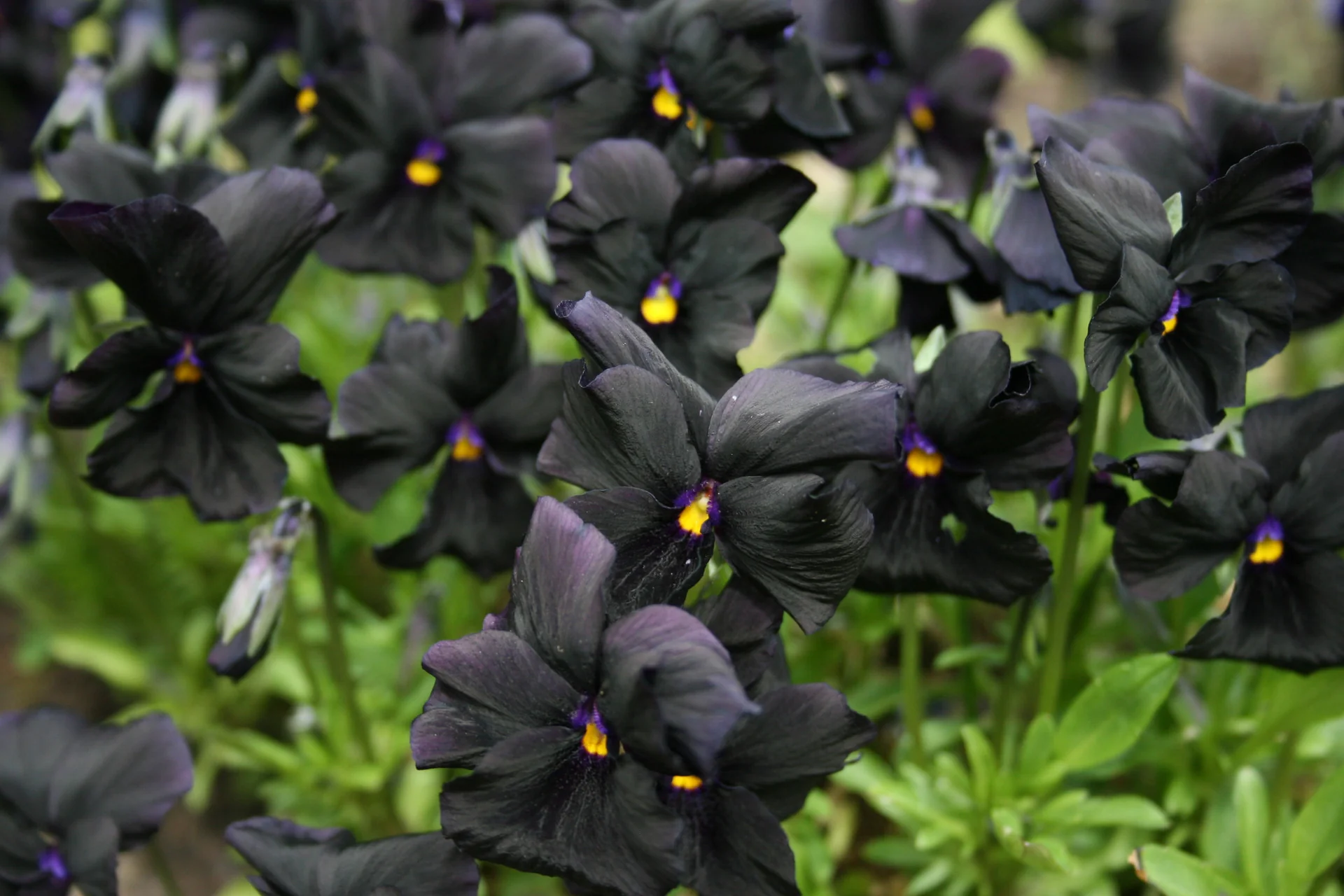
madtechventures.com – The Molly Sanderson flower is a captivating and lesser-known botanical gem that has charmed plant enthusiasts with its delicate beauty and subtle elegance. Often regarded as a symbol of purity and grace, this flower has been appreciated both for its aesthetic appeal and its gentle nature. While it may not be as widely recognized as some other blooms, the Molly Sanderson flower stands out in any garden or landscape due to its distinct characteristics.

Origins and Discovery

The Molly Sanderson flower was first discovered in the early 20th century, named after a renowned horticulturist, Molly Sanderson, who was instrumental in its cultivation and popularization. It is believed to be a hybrid species, developed from a cross between two existing varieties of flowering plants, although its exact parentage remains a subject of some debate among botanists.

Native to temperate regions, the Molly Sanderson flower thrives in a variety of climates, including parts of Europe and North America, where it has been carefully cultivated in gardens and botanical reserves. Its ability to adapt to different environments has made it a favorite for gardeners looking for a versatile yet striking bloom.

Physical Characteristics

The Molly Sanderson flower is known for its soft, pastel-colored petals that range from pale pinks to whites, often with a faint blush of lavender. The flowers are small to medium in size, typically measuring between 1 and 2 inches across, and feature five rounded petals arranged symmetrically around a central cluster of delicate yellow stamens.

The plant itself typically grows between 12 and 18 inches in height, with slender, graceful stems and dark green leaves that provide a lush backdrop for the flower’s gentle hues. The overall appearance of the Molly Sanderson flower is one of simplicity and elegance, making it a favorite in floral arrangements and garden displays.

Symbolism and Meaning

In the language of flowers, the Molly Sanderson flower carries deep meanings of purity, innocence, and beauty. It is often associated with new beginnings, making it a popular choice for weddings, christenings, and other celebrations of fresh starts. The subtle elegance of its petals gives the flower a timeless quality, evoking feelings of tranquility and peace.

Additionally, the Molly Sanderson flower is sometimes linked to themes of hope and renewal, as its soft, delicate bloom can be seen as a symbol of personal growth and emotional healing. Its light and airy appearance make it a perfect representation of the simple joys in life and the beauty of quiet moments.

Growing and Caring for the Molly Sanderson Flower

Growing the Molly Sanderson flower requires attention to detail, as it thrives best in environments that mimic its native habitat. The flower prefers well-drained, slightly acidic soil and does best in locations that receive partial sunlight. Full sun exposure can sometimes cause the petals to scorch, so gardeners are advised to plant it in spots where it is shielded from the harsh afternoon rays.

Watering the Molly Sanderson flower is another key element in its care. While it requires consistent moisture, it does not tolerate soggy soil, so good drainage is essential. During the blooming season, regular watering and the occasional application of a balanced fertilizer can encourage healthy growth and vibrant flowers.

The plant is typically propagated by seeds, though it can also be grown from cuttings. Propagating from cuttings may help produce plants with more uniform characteristics, ensuring a consistent display of flowers. Pruning spent blooms is also recommended to encourage further flowering and maintain the plant’s shape.

Uses and Applications

The gentle beauty of the Molly Sanderson flower makes it a popular choice in ornamental gardens, particularly in areas where its soft colors can complement other seasonal blooms. It is often used in floral arrangements, especially for events that require a sophisticated yet understated floral presence, such as weddings and formal gatherings.

Additionally, the flower has been used in some traditional herbal remedies, though its medicinal properties are limited. Some cultures believe that infusions made from the petals can help calm anxiety and promote relaxation, although such uses are largely anecdotal and not scientifically proven.

Conservation and Sustainability

While the Molly Sanderson flower is not currently considered endangered, its cultivation is closely linked to sustainable gardening practices. As more gardeners seek to introduce this flower into their landscapes, it is important to ensure that proper conservation measures are taken to protect natural ecosystems and avoid over-harvesting from the wild.

Promoting the use of organic gardening methods and supporting local plant nurseries that prioritize sustainable practices can help maintain healthy populations of the Molly Sanderson flower for future generations.

Conclusion

The Molly Sanderson flower is a delightful addition to any garden or floral collection, offering both beauty and meaning with its graceful appearance and subtle charm. Whether planted in a carefully tended garden or showcased in a bouquet, this flower has a way of capturing the heart with its timeless elegance. Its symbolism of purity and new beginnings, combined with its easy-to-care-for nature, makes it a beloved choice for both novice and experienced gardeners alike.

Suðurland: Iceland’s Southern Charm

madtechventures.com – Suðurland, or South Iceland, is a region of dramatic contrasts, where glaciers, volcanoes, and waterfalls shape the landscape. This region offers a diverse range of experiences, from outdoor adventures to cultural exploration.

Selfoss: A Gateway to the South

Selfoss, the largest town in South Iceland, serves as a gateway to the region’s many attractions. It’s a vibrant town with a range of shops, restaurants, and cultural activities.

  • Selfoss Golf Course: This world-class golf course offers stunning views of the surrounding landscape.
  • Selfoss Swimming Pool: A popular local attraction, the Selfoss swimming pool offers a variety of water activities.

Hvolsvöllur: A Literary Haven

Hvolsvöllur, a charming town located on the south coast, is associated with the Icelandic sagas. The region is home to several historical sites and literary landmarks.

  • Sólheimasandur Plane Wreck: This iconic plane wreck, nestled on a black sand beach, is a popular photo spot.
  • Eyjafjallajökull: This active volcano erupted in 2010, causing widespread disruption to air travel. Visitors can explore the surrounding area and witness the power of nature.
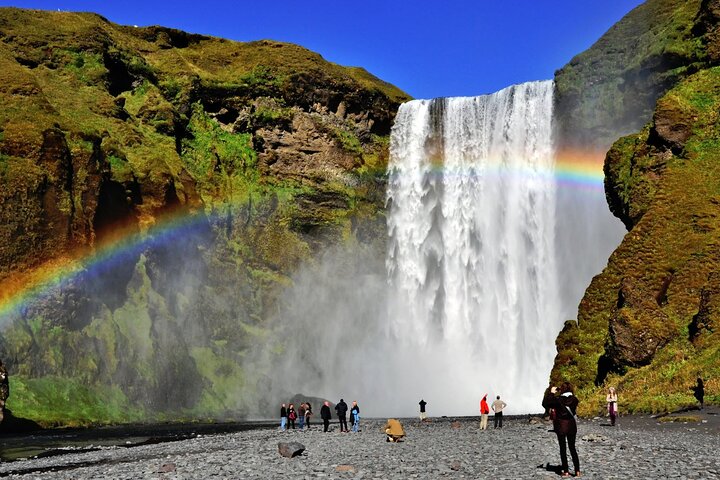
  • Skógafoss: One of Iceland’s most famous waterfalls, Skógafoss cascades down a cliff face, creating a breathtaking sight.

Outdoor Adventures

Suðurland offers a wide range of outdoor activities for adventure seekers.

  • Hiking: The region’s diverse landscapes, from rugged mountains to serene valleys, provide endless opportunities for hiking and trekking.
  • Glacier Hiking: Explore the icy wonders of Sólheimajökull and Mýrdalsjökull glaciers.
  • Horseback Riding: Experience the beauty of the Icelandic countryside on horseback.
  • Birdwatching: The region’s diverse birdlife, including seabirds, waterfowl, and raptors, attracts birdwatchers from around the world.

A Taste of Icelandic Culture

Suðurland offers a taste of authentic Icelandic culture, with traditional music, folklore, and cuisine. Visitors can enjoy local delicacies, such as lamb, fish, and skyr, and experience the warm hospitality of the locals.

Conclusion

Suðurland is a region of stunning natural beauty, rich history, and vibrant culture. Whether you’re seeking adventure, relaxation, or cultural experiences, South Iceland has something to offer everyone.