madtechventures.com – Albania’s quest for independence is a remarkable story of resilience and determination. Nestled in the Balkan Peninsula, Albania endured centuries of foreign domination before finally achieving sovereignty in the early 20th century. This article explores the pivotal events and key figures that shaped Albania’s journey to independence.
The Ottoman Era and National Awakening
For over four centuries, Albania was part of the Ottoman Empire, a period marked by significant cultural and religious influences. Despite being under foreign rule, Albanians maintained a strong sense of national identity, rooted in their language, traditions, and shared history. By the late 19th century, the decline of the Ottoman Empire and the rise of nationalist movements across the Balkans provided an opportunity for Albanians to assert their aspirations for independence.
The Albanian Renaissance, or Rilindja Kombëtare, emerged as a cultural and political movement advocating for national awakening and independence. Prominent intellectuals and activists, such as Sami Frashëri and Abdyl Frashëri, played crucial roles in promoting the Albanian language and cultural heritage, laying the groundwork for political liberation.
The League of Prizren
In 1878, the League of Prizren was formed as a political organization to defend Albanian territories against partition by neighboring countries. The League sought to unify Albanian lands and secure autonomy within the Ottoman Empire. Although the League’s efforts were ultimately suppressed by the Ottomans, it marked a significant step in the organized Albanian national movement and set the stage for future struggles for independence.
The Balkan Wars and the Declaration of Independence
The early 20th century was a tumultuous period for Albania, as the Balkan Wars (1912-1913) reshaped the region’s political landscape. As the Ottoman Empire continued to weaken, various Balkan states sought to expand their territories, threatening Albanian lands.
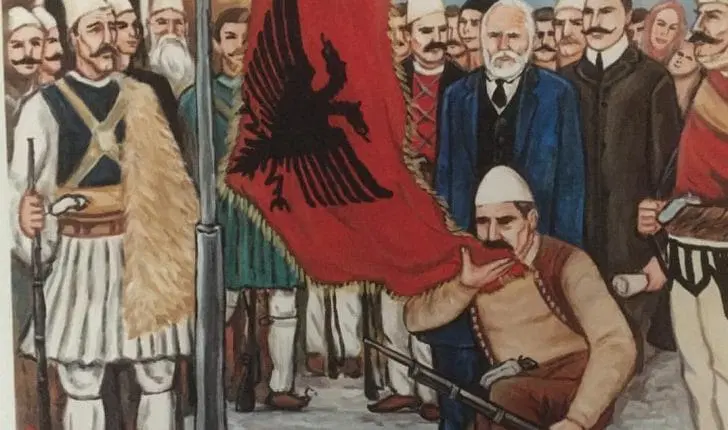
Amidst this turmoil, the Albanian national movement intensified its efforts to achieve independence. On November 28, 1912, Ismail Qemali, a prominent Albanian leader, convened the Assembly of Vlorë, where Albania’s independence was officially declared. This historic event marked the establishment of the independent state of Albania, although international recognition and territorial integrity remained challenges.
Struggles for Sovereignty and International Recognition
Following the declaration of independence, Albania faced significant challenges in securing its sovereignty and international recognition. The London Conference of 1913 recognized Albania’s independence but left many ethnic Albanian territories outside its borders, leading to ongoing disputes and instability.
During World War I, Albania’s fragile statehood was further tested as it became a battleground for various powers. The post-war period saw Albania striving to solidify its status as a sovereign nation amidst competing interests from neighboring countries and internal political struggles.
Solidifying Independence in the 20th Century
Albania’s journey to independence continued throughout the 20th century. In 1920, the Congress of Lushnjë reaffirmed Albania’s sovereignty and established a new government, further consolidating its statehood. Despite facing challenges, including periods of foreign occupation during World War II, Albania maintained its independence and eventually emerged as a communist state under Enver Hoxha’s leadership.
Conclusion
Albania’s journey to independence is a testament to the resilience and determination of its people. From the cultural revival of the Albanian Renaissance to the declaration of independence in Vlorë, Albanians have continually fought to preserve their national identity and sovereignty. Today, Albania stands as a proud and independent nation, reflecting on its rich history and looking towards a future of continued progress and integration into the broader European community.