Amok: A Taste of Cambodian Culinary Heritage

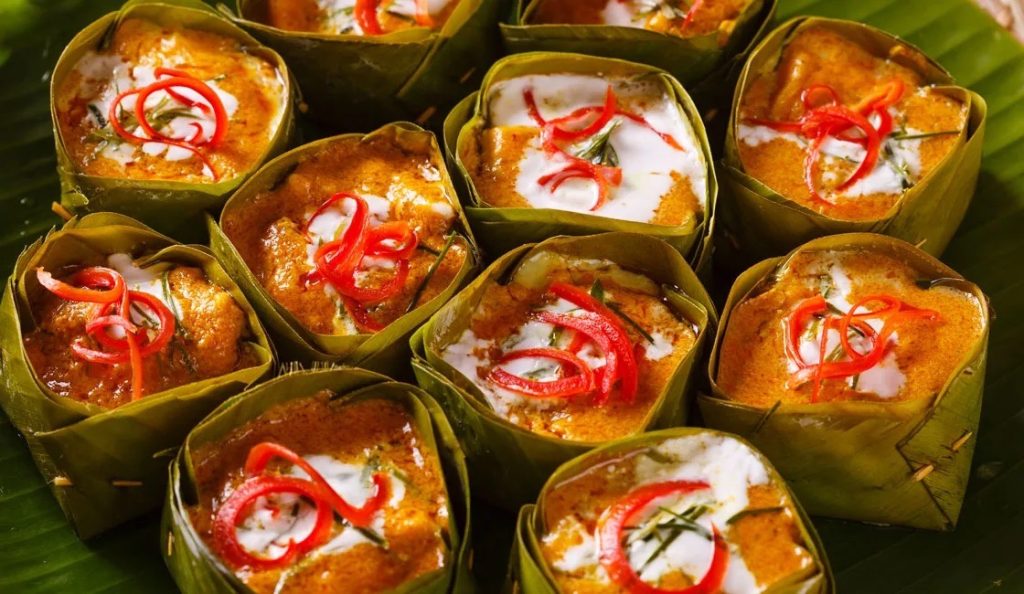
madtechventures.com – Amok, often referred to as “Cambodian fish amok,” is a beloved national dish that showcases the exquisite flavors and delicate artistry of Cambodian cuisine. This steamed fish curry, characterized by its mousse-like texture and fragrant aroma, is a testament to the harmonious blend of fresh ingredients, aromatic herbs, and a delicate coconut milk-based sauce.   

A Dish with Royal Roots

The origins of Amok can be traced back centuries, with some food historians suggesting its roots lie in the Angkorian era. Legend has it that Amok was once a dish exclusively reserved for the Khmer royal court. Over time, this exquisite dish has evolved into a beloved national treasure, enjoyed by Cambodians from all walks of life.   

A Culinary Masterpiece

At the heart of Amok lies a fragrant curry paste, typically made with a combination of lemongrass, galangal, turmeric, and other aromatic spices. This flavorful paste is then blended with fresh fish, coconut milk, and a touch of fish sauce, creating a smooth and creamy mixture.   

The Amok mixture is then traditionally steamed in banana leaf baskets, infusing the dish with a subtle sweetness and a unique earthy aroma. The banana leaf baskets not only impart flavor but also serve as natural, biodegradable containers, reflecting the harmonious relationship between Cambodian cuisine and the natural environment.   

A Garden of Freshness

No Amok is complete without a generous array of fresh vegetables and herbs. The dish is typically garnished with kaffir lime leaves, red chilies, and a variety of fresh herbs such as mint, cilantro, and Vietnamese coriander. Edible flowers, such as jasmine and marigold, are often added for both visual appeal and a delicate floral aroma.   

A Culinary Tradition

Amok is more than just a dish; it’s a cultural experience. The preparation and consumption of this beloved dish are often accompanied by social interactions and storytelling, making it a cherished part of Cambodian social life.

A Taste of Cambodia

Whether you’re a seasoned traveler or a curious foodie, Amok is a must-try dish. Its unique blend of flavors, textures, and aromas offers a truly authentic taste of Cambodia. So, the next time you find yourself in this beautiful country, be sure to savor a plate of Amok and experience the magic of Cambodian cuisine.

Additional Notes:

  • Amok can be made with various types of fish, including white fish, catfish, and even crab.
  • The dish is typically served with steamed rice, although some people enjoy it with a side of stir-fried vegetables.   
  • Amok is readily available throughout Cambodia, especially in local markets and restaurants.   
  • The dish is often prepared and served in traditional clay pots, adding to its rustic charm.

By understanding the history, ingredients, and cultural significance of Amok, we can gain a deeper appreciation for this beloved Cambodian dish and the rich culinary heritage it represents.
Traditional Yemeni Cuisine: A Culinary Exploration

madtechventures.com – Yemeni cuisine is a vibrant tapestry of flavors, deeply rooted in the rich cultural heritage of the Arabian Peninsula. With influences from Africa, India, and the Middle East, Yemeni dishes showcase a unique blend of spices, ingredients, and culinary techniques. This exploration into traditional Yemeni cuisine reveals the diverse and flavorful dishes that have been cherished by generations.

The Essence of Yemeni Flavors

Central to Yemeni cooking is the use of bold spices, such as cumin, coriander, turmeric, and fenugreek, which are often combined to create complex and aromatic spice blends. These spices are integral to many traditional dishes, imparting distinctive flavors that are both exotic and comforting.

Staple Ingredients and Dishes

Yemeni cuisine is characterized by its use of staple ingredients like grains, legumes, and meats. Lamb, goat, and chicken are commonly used, while seafood is popular in coastal areas. A quintessential Yemeni dish is “Saltah,” a hearty stew made with meat, vegetables, and a fenugreek-based sauce called “Hulbah.” This dish is often served with “Malooga” or “Lahoh,” traditional Yemeni breads perfect for scooping up the rich flavors.

Regional Variations

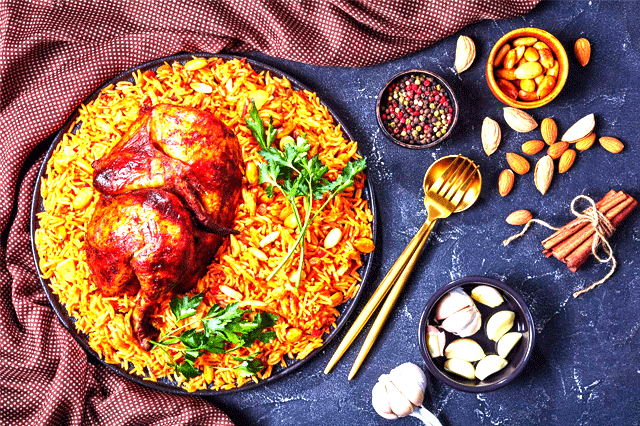
The geographical diversity of Yemen contributes to regional variations in its cuisine. In the mountainous regions, dishes tend to be more hearty and robust, while coastal areas favor lighter, seafood-based meals. The city of Aden, for example, is known for its Indian-influenced curries and spiced rice dishes like “Mandi.”

Cultural Significance

Food in Yemeni culture is more than sustenance; it is a reflection of hospitality and community. Meals are often communal, emphasizing the importance of sharing and connection. Traditional Yemeni meals are typically enjoyed while seated on the floor, fostering a sense of unity and togetherness.

Conclusion

Traditional Yemeni cuisine offers a delightful journey through a landscape of rich flavors and heritage. From the bustling streets of Sana’a to the serene coasts of Aden, Yemeni dishes provide a taste of the country’s diverse culture and history. Exploring Yemeni cuisine is not just about savoring delicious food but also about embracing the warmth and hospitality that is at the heart of Yemeni culture.

The Art of Pizza: A Culinary Journey

madtechventures.com – Pizza, the beloved dish that has captured the hearts and taste buds of people around the world, is more than just a meal; it’s an art form. Originating from Italy, pizza has evolved into a global phenomenon, with countless variations that cater to diverse palates and preferences. This article delves into the history, craft, and cultural significance of pizza, exploring what makes it a universally cherished culinary treasure.

The Origins of Pizza

The history of pizza dates back to ancient civilizations, with the Greeks and Romans laying the groundwork for what would become the modern pizza. It was in Naples, Italy, during the 18th century, that pizza as we know it today began to take shape. The city’s bakers started to sell flatbreads known as “pizzas,” which were topped with olive oil, herbs, and garlic, providing a cheap and convenient meal for the working class.

The Spread of Pizza

Pizza’s popularity spread beyond Italy with the waves of Italian immigrants who brought their culinary traditions to countries like the United States. In the early 20th century, Italian-American communities introduced pizza to the American public, and it quickly became a staple of the American diet. From there, pizza’s influence continued to grow, with pizzerias popping up worldwide and the dish adapting to local tastes and ingredients.

The Craft of Pizza Making

The art of pizza making is a blend of science and creativity. A perfect pizza starts with the dough, which requires the right balance of flour, water, yeast, and salt, along with precise fermentation times to develop flavor and texture. The sauce, typically made from tomatoes, is another key component, with its acidity and sweetness playing a crucial role in the overall taste of the pizza.

Cheese is another essential element, with mozzarella being the most traditional choice. However, pizzerias and home chefs alike experiment with a wide range of cheeses, from gooey fontina to sharp pecorino, to add depth and richness to their creations.

Toppings are where pizza truly shines as an art form. From classic Margherita with its simple combination of tomato, mozzarella, and basil to the more adventurous toppings like truffle, fig, and prosciutto, the possibilities are endless. The key to a great pizza lies in the balance and harmony of flavors and textures.

The Cultural Impact of Pizza

Pizza has transcended its role as a mere food item to become a cultural icon. It symbolizes comfort, sharing, and community, often being the centerpiece of gatherings and celebrations. The global pizza chain phenomenon has also made it a symbol of globalization, with pizzerias serving up local interpretations of the dish in countries far from its Italian origins.

Conclusion

Pizza is more than just a delicious meal; it’s a testament to the power of food to bring people together and to the endless creativity of the culinary world. Whether enjoyed in a traditional Italian pizzeria or a local joint with a twist, pizza remains a beloved dish that continues to evolve and delight taste buds around the globe. Its simple yet profound combination of dough, sauce, cheese, and toppings has made it a universal favorite, proving that sometimes, the best things in life are the simplest.