Amok: A Taste of Cambodian Culinary Heritage

madtechventures.com – Amok, often referred to as “Cambodian fish amok,” is a beloved national dish that showcases the exquisite flavors and delicate artistry of Cambodian cuisine. This steamed fish curry, characterized by its mousse-like texture and fragrant aroma, is a testament to the harmonious blend of fresh ingredients, aromatic herbs, and a delicate coconut milk-based sauce.   

A Dish with Royal Roots

The origins of Amok can be traced back centuries, with some food historians suggesting its roots lie in the Angkorian era. Legend has it that Amok was once a dish exclusively reserved for the Khmer royal court. Over time, this exquisite dish has evolved into a beloved national treasure, enjoyed by Cambodians from all walks of life.   

A Culinary Masterpiece

At the heart of Amok lies a fragrant curry paste, typically made with a combination of lemongrass, galangal, turmeric, and other aromatic spices. This flavorful paste is then blended with fresh fish, coconut milk, and a touch of fish sauce, creating a smooth and creamy mixture.   

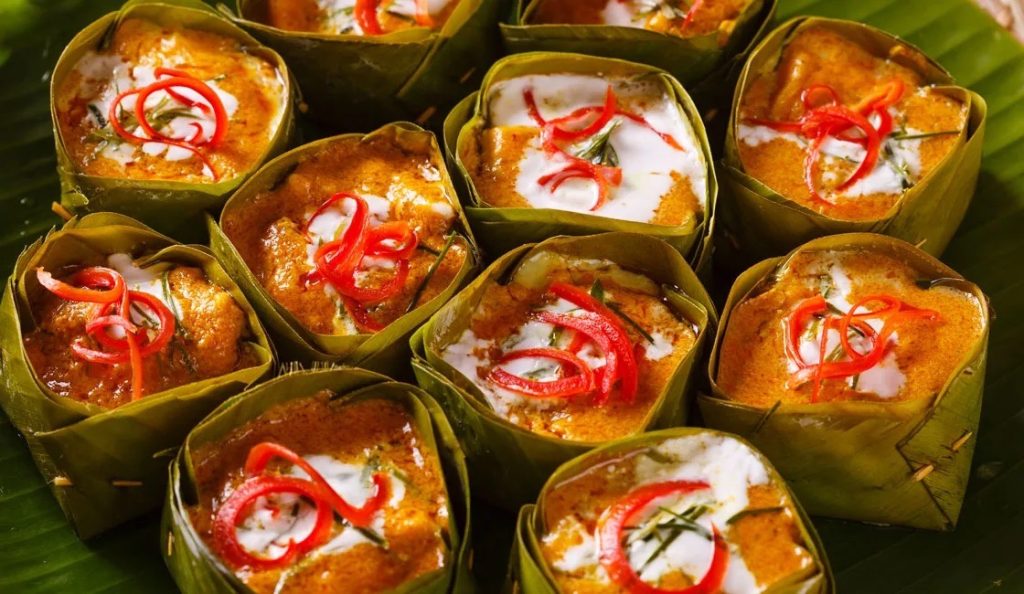
The Amok mixture is then traditionally steamed in banana leaf baskets, infusing the dish with a subtle sweetness and a unique earthy aroma. The banana leaf baskets not only impart flavor but also serve as natural, biodegradable containers, reflecting the harmonious relationship between Cambodian cuisine and the natural environment.   

A Garden of Freshness

No Amok is complete without a generous array of fresh vegetables and herbs. The dish is typically garnished with kaffir lime leaves, red chilies, and a variety of fresh herbs such as mint, cilantro, and Vietnamese coriander. Edible flowers, such as jasmine and marigold, are often added for both visual appeal and a delicate floral aroma.   

A Culinary Tradition

Amok is more than just a dish; it’s a cultural experience. The preparation and consumption of this beloved dish are often accompanied by social interactions and storytelling, making it a cherished part of Cambodian social life.

A Taste of Cambodia

Whether you’re a seasoned traveler or a curious foodie, Amok is a must-try dish. Its unique blend of flavors, textures, and aromas offers a truly authentic taste of Cambodia. So, the next time you find yourself in this beautiful country, be sure to savor a plate of Amok and experience the magic of Cambodian cuisine.

Additional Notes:

  • Amok can be made with various types of fish, including white fish, catfish, and even crab.
  • The dish is typically served with steamed rice, although some people enjoy it with a side of stir-fried vegetables.   
  • Amok is readily available throughout Cambodia, especially in local markets and restaurants.   
  • The dish is often prepared and served in traditional clay pots, adding to its rustic charm.

By understanding the history, ingredients, and cultural significance of Amok, we can gain a deeper appreciation for this beloved Cambodian dish and the rich culinary heritage it represents.
Onam: A Kaleidoscope of Kerala’s Cultural Heritage

madtechventures.com – Onam is a major Hindu festival celebrated with great enthusiasm in the southern Indian state of Kerala. It is a harvest festival that marks the homecoming of the legendary King Mahabali. The festival is characterized by vibrant cultural activities, boat races, floral carpets, and traditional feasts.   

The Mythological Significance of Onam

According to Hindu mythology, King Mahabali was a benevolent ruler who was so loved by his subjects that he was granted a boon by Lord Vishnu. Using this boon, Mahabali challenged the gods to a game of chess. However, Lord Vishnu, in his Vamana avatar, defeated Mahabali and banished him to the netherworld.

Before leaving, Mahabali requested Lord Vishnu to allow him to visit his subjects once a year. Lord Vishnu granted his wish, and Onam commemorates this annual visit of King Mahabali to Kerala.

The Ten Days of Onam

Onam is celebrated over ten days, each day holding its own significance:

  1. Atham: The first day of Onam marks the beginning of the festivities.
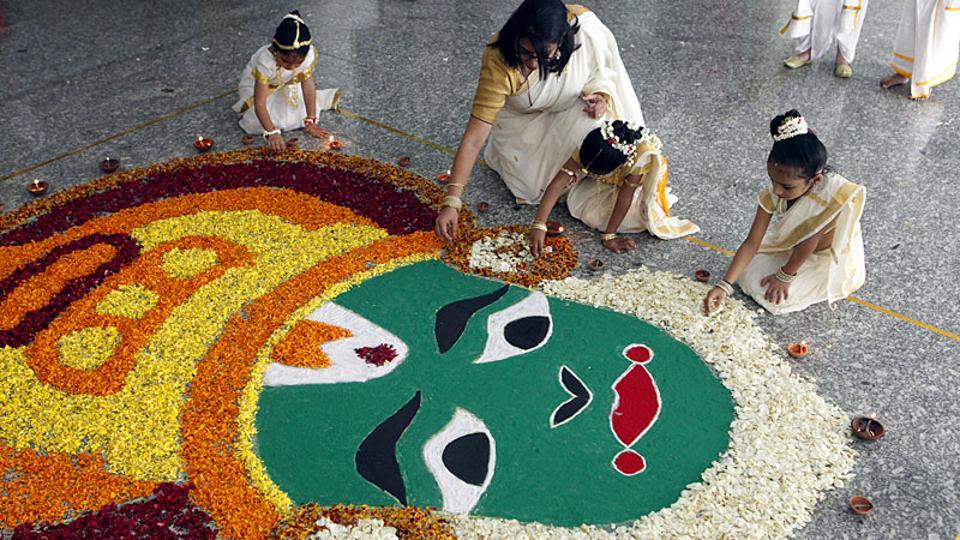
  2. Chithira: On this day, people clean their homes and decorate them with floral carpets, known as “Pookalam.”
  3. Chodi: The third day is marked by the installation of the “Onapookkalam,” a large floral carpet.
  4. Vishakam: The fourth day is considered auspicious for conducting various rituals and ceremonies.
  5. Thriketta: On the fifth day, people visit temples and offer prayers.
  6. Pancham: The sixth day is marked by the preparation of traditional Onam sadya, a sumptuous feast.
  7. Sashti: The seventh day is a time for cultural programs and traditional boat races.
  8. Sapthami: The eighth day is dedicated to family gatherings and the exchange of gifts.
  9. Ashtami: The ninth day is considered the most auspicious day of the festival.
  10. Navami: The tenth day, also known as Thiruvonam, is the main day of Onam. People wear traditional attire, participate in cultural events, and enjoy the Onam sadya.

Onam Sadya: A Feast Fit for Kings

Onam Sadya is a traditional Kerala feast that is served on a banana leaf. It consists of a variety of vegetarian dishes, including rice, sambar, rasam, various curries, pickles, and payasam (a sweet pudding). The feast is a symbol of abundance and prosperity.

Cultural Significance of Onam

Onam is a significant cultural festival that showcases the rich heritage of Kerala. It promotes unity, harmony, and social cohesion. The festival also highlights the state’s natural beauty, traditional arts, and culinary traditions.

Conclusion

Onam is a vibrant and joyous festival that celebrates the cultural heritage of Kerala. It is a time for family gatherings, cultural activities, and spiritual renewal. By observing the traditions and rituals associated with Onam, people connect with their roots and experience the beauty of Kerala’s culture.

Sierra Leone’s Cultural Heritage & Traditions

madtechventures.com – Sierra Leone, a country in West Africa, boasts a rich and diverse cultural heritage shaped by its indigenous tribes, colonial history, and various religious influences. This article explores the cultural traditions, customs, and heritage of Sierra Leone, highlighting its unique contributions to the world’s cultural tapestry.

Indigenous Tribes and Their Traditions

Sierra Leone is home to numerous indigenous tribes, each with its own distinct traditions and customs. The Mende, Temne, Limba, and Kono are among the largest ethnic groups, each contributing to the country’s cultural mosaic. These tribes have preserved their oral traditions, storytelling, and rituals, which are integral to their social and spiritual lives.

Poro and Sande Societies

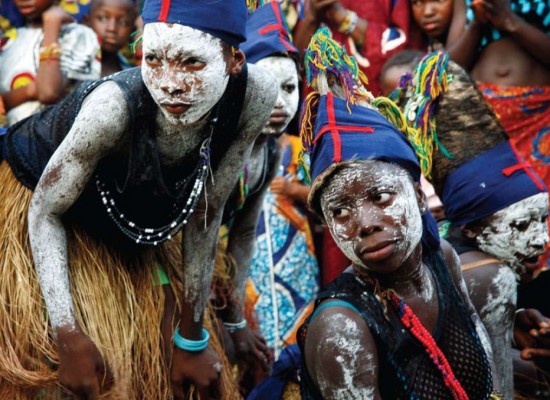
The Poro society for men and the Sande society for women play significant roles in village culture. Initiation into these societies is a rite of passage, marking the transition from childhood to adulthood. These societies impart essential life skills, moral values, and social responsibilities to their members.

Cultural Practices and Rituals

Sierra Leone’s cultural practices are deeply rooted in its history and traditions. The country’s indigenous peoples have developed unique customs that reflect their connection to nature and their ancestors.

Widow Cleansing

One notable practice is widow cleansing, observed by several ethnic groups, including the Limba, Temne, Mende, and Loko. This ritual involves the widow being cleansed of her deceased husband’s spirit, allowing her to reintegrate into society.

Traditional Dances

Dancing is a prominent feature of Sierra Leone’s cultural life. The Sierra Leone National Dance Troupe is renowned for its performances, showcasing the country’s diverse dance styles. Each ethnic group has its own unique dance forms, often accompanied by traditional music played on drums, xylophones, and stringed instruments.

Art and Craftsmanship

Sierra Leone’s artistic heritage is rich and varied, encompassing a wide range of crafts and artistic expressions.

Wood Carvings and Masks

The country is known for its intricate wood carvings, particularly masks used in traditional ceremonies. The Sande mask, worn by the chief dancer during the initiation of female initiates, is a masterpiece of Sierra Leonean art, symbolizing beauty, dignity, and spiritual power.

Textiles and Weaving

Handwoven cloth is an essential part of Sierra Leonean culture, especially among the Mende and Kono peoples. These textiles are used in various ceremonies and rituals, and the weaving techniques have been passed down through generations.

Music and Literature

Music and literature are integral to Sierra Leone’s cultural identity. The country has a vibrant tradition of oral storytelling, which has been instrumental in preserving its history and folklore.

Oral Traditions

Oral traditions play a crucial role in Sierra Leone’s cultural heritage. These traditions include storytelling, proverbs, and songs that convey historical events, moral lessons, and cultural values.

Literary Contributions

Sierra Leone has a rich literary tradition, with notable figures like James Africanus Beale Horton and A.B.C. Sibthorpe contributing significantly to the country’s literary landscape. Their works have explored various aspects of Sierra Leone’s history, politics, and culture.

Modern Cultural Revival

In recent years, there has been a concerted effort to revive and preserve Sierra Leone’s cultural heritage. Initiatives such as the Sierra Leone National Museum and digital archiving projects have been instrumental in documenting and promoting the country’s cultural assets.

Conclusion

Sierra Leone’s cultural heritage is a testament to the resilience and creativity of its people. From its indigenous tribes and traditional practices to its vibrant arts and literature, the country’s cultural landscape is a rich tapestry of history, tradition, and innovation. As Sierra Leone continues to rebuild and develop, its cultural heritage remains a source of pride and identity for its people.