Discovering Phetchaburi: A Hidden Gem in Thailand

madtechventures.com – Phetchaburi is a captivating province located in the central region of Thailand. Known for its rich history, cultural heritage, and natural beauty, Phetchaburi offers a unique blend of attractions that appeal to both history enthusiasts and nature lovers. The province is often overshadowed by its more famous neighbors, but those who take the time to explore Phetchaburi find a treasure trove of experiences.

Historical Significance

Phetchaburi has a long and storied past, with evidence of human settlement dating back to the Dvaravati period (6th to 11th centuries). The province is dotted with ancient temples and palaces that showcase its historical significance. One of the most iconic landmarks is the Phra Nakhon Khiri Historical Park, also known as Khao Wang, which was a royal palace built by King Rama IV. The palace sits atop a hill, offering stunning views of the surrounding area.

Cultural Attractions

The province is home to a plethora of cultural sites that highlight its rich heritage. Wat Mahathat Worawihan is a must-visit temple, known for its impressive five-towered prang and intricate stucco designs. Phetchaburi is also famous for its traditional Thai desserts, or “khanom,” and visitors can explore local markets to sample these sweet treats.

Natural Beauty

Phetchaburi boasts diverse natural landscapes, from pristine beaches to lush national parks. Kaeng Krachan National Park, Thailand’s largest national park, is a haven for wildlife and offers opportunities for trekking, bird watching, and camping. The park’s dense forests and serene reservoirs provide a peaceful escape into nature.

Conclusion

Phetchaburi is a province that offers a perfect mix of history, culture, and nature. Its lesser-known status makes it a delightful destination for those seeking to explore Thailand beyond the typical tourist trails. Whether you’re wandering through ancient temples, indulging in local cuisine, or adventuring through national parks, Phetchaburi promises an unforgettable experience.
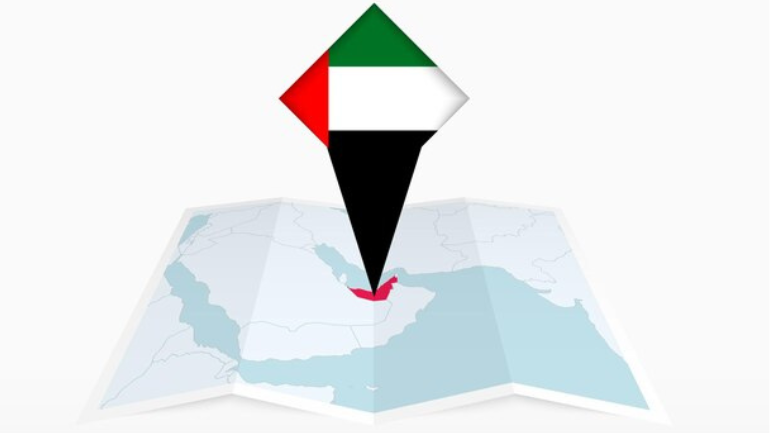
Syria’s Geopolitical Significance in the World

madtechventures.com – Syria, located at the crossroads of Europe, Asia, and Africa, has long held a pivotal role in the geopolitical landscape of the Middle East. Its strategic location, rich history, and complex sociopolitical dynamics make it a focal point for regional and international interests. This article examines Syria’s geopolitical significance, exploring its impact on regional stability, global politics, and the ongoing challenges it faces.

Strategic Location and Historical Importance

Syria’s geographical position has historically made it a key player in regional politics. It shares borders with Turkey, Iraq, Jordan, Israel, and Lebanon, making it a significant link between the Mediterranean Sea and the Arab world. Throughout history, Syria has been part of major empires, including the Roman, Byzantine, and Ottoman Empires, contributing to its rich cultural and historical heritage.

In modern times, Syria’s location has made it strategically important for trade routes, energy pipelines, and military logistics. It serves as a gateway between the East and West, influencing economic and political interactions across the region.

The Role in Regional Politics

Syria has been a central figure in Middle Eastern politics, particularly in the Arab-Israeli conflict. Its proximity to Israel and its alliances with various Palestinian factions and groups like Hezbollah have positioned it as a critical player in regional tensions. Syria’s relationship with Iran has also been a significant factor, with both countries supporting each other in various regional conflicts and political endeavors.

The Syrian conflict, which began in 2011, has further elevated the country’s geopolitical importance. It has drawn in numerous regional powers, including Turkey, Iran, and Saudi Arabia, each with its own strategic interests and objectives. The conflict has become a proxy battleground for influence among these powers, further complicating the regional landscape.

Global Interests and Involvement

On the global stage, Syria’s geopolitical significance is underscored by the involvement of major powers such as the United States and Russia. The U.S. has been involved in efforts to combat terrorism and influence the outcome of the Syrian conflict, while Russia has maintained a military presence in Syria, supporting the government of Bashar al-Assad.

Syria’s alliances and opposition have implications for global security, energy politics, and international diplomacy. The presence of terrorist organizations and the humanitarian crisis resulting from the conflict have further drawn international attention and intervention.

Challenges and the Path Forward

The ongoing Syrian conflict presents significant challenges not only for Syria but for the entire region. The humanitarian crisis, displacement of millions, and destruction of infrastructure have long-term implications for regional stability and development.

Efforts to resolve the conflict and rebuild Syria require coordinated international and regional cooperation. Diplomatic initiatives, peace negotiations, and reconstruction efforts are essential for creating a stable and prosperous future for Syria and its neighbors.

Conclusion

Syria’s geopolitical significance is deeply intertwined with its strategic location, historical legacy, and complex political dynamics. As a focal point in regional and global politics, Syria’s future will continue to impact the broader Middle East and international relations. Understanding and addressing the challenges facing Syria are crucial for achieving lasting peace and stability in the region and beyond.