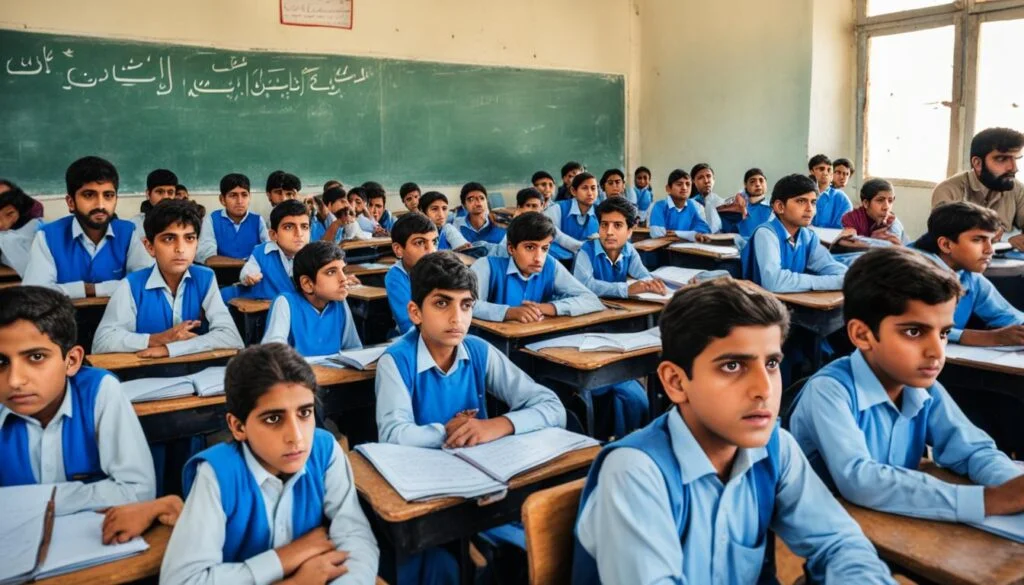
Education System in Pakistan: Challenges and Opportunities

madtechventures.com – Education is a cornerstone for the development and progress of any nation. In Pakistan, the education system is a complex structure that faces several challenges while also presenting numerous opportunities for growth and improvement. This article explores the current state of education in Pakistan, highlighting the hurdles and potential pathways for enhancement.

Structure of the Education System

Primary and Secondary Education

The education system in Pakistan is divided into several levels, starting with primary education, which is compulsory for children aged 5 to 16. Secondary education follows, leading to higher secondary education, where students can choose between different streams like science, arts, and commerce.

Higher Education

Higher education in Pakistan is offered through universities and colleges, with a focus on undergraduate, graduate, and postgraduate programs. The Higher Education Commission (HEC) oversees the quality and regulation of higher education institutions in the country.

Challenges Facing the Education System

Access and Enrollment

One of the primary challenges is the lack of access to education for all children, especially in rural and remote areas. Despite efforts to increase enrollment rates, a significant number of children remain out of school due to poverty, gender disparities, and inadequate infrastructure.

Quality of Education

The quality of education in Pakistan varies significantly between urban and rural areas, and even among different schools within the same city. Many schools suffer from a lack of trained teachers, outdated curricula, and insufficient teaching materials, affecting the overall quality of education.

Funding and Resources

Insufficient funding is a major hurdle for the education sector in Pakistan. Public schools often lack basic facilities, and there is a need for more investment in educational infrastructure, teacher training, and resource development.

Opportunities for Improvement

Policy Reforms

Recent education policies aim to address these challenges by increasing budget allocations, improving teacher training programs, and revising curricula to meet international standards. Continued policy reforms can help bridge the gap between different regions and educational institutions.

Technological Integration

The integration of technology in education presents a significant opportunity for improving access and quality. E-learning platforms, digital resources, and online teaching can help reach students in remote areas and provide them with quality education.

Public-Private Partnerships

Collaboration between the public and private sectors can play a crucial role in enhancing the education system. Private sector involvement can bring innovation, investment, and expertise, helping to address gaps in the existing system.

Conclusion

The education system in Pakistan is at a crossroads, facing numerous challenges yet offering significant opportunities for growth and development. By addressing key issues such as access, quality, and funding, and leveraging technology and partnerships, Pakistan can create a more equitable and effective education system that empowers its youth and drives national progress.
Excellence in Learning: Luxembourg’s Education System

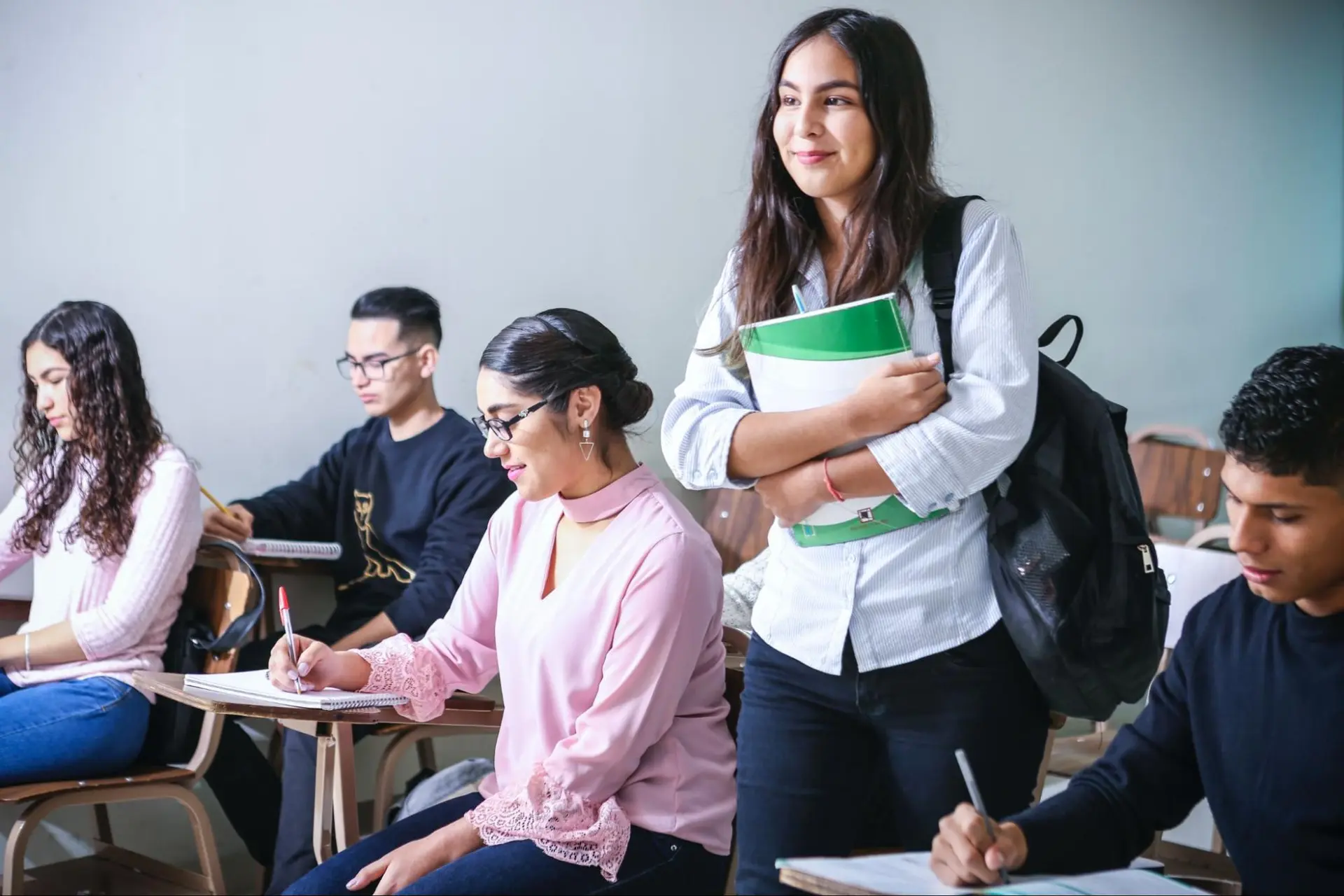
madtechventures.com – Luxembourg, a small but prosperous country in Western Europe, is renowned for its high-quality education system. The country’s commitment to excellence in learning is evident in its investment in education, the diversity of its educational offerings, and the success of its students on international assessments. This article explores the key features of Luxembourg’s education system, highlighting its structure, curriculum, and the factors that contribute to its excellence.

The Structure of Luxembourg’s Education System

Luxembourg’s education system is divided into several stages, starting with preschool education for children aged 3 to 6. This is followed by primary education, which lasts for six years and is compulsory for children aged 6 to 12. After primary school, students transition to secondary education, which is divided into two cycles: lower secondary for students aged 12 to 15 and upper secondary for students aged 15 to 18 or 19.

Preschool Education

Preschool education in Luxembourg is designed to prepare children for the more structured learning environment of primary school. It focuses on play-based learning, social skills, and basic literacy and numeracy skills.

Primary Education

Primary education is the foundation of the Luxembourgish education system. It emphasizes the development of basic academic skills, including reading, writing, and arithmetic, as well as the promotion of critical thinking and problem-solving abilities.

Secondary Education

Secondary education is more specialized, with students choosing between different tracks based on their interests and career goals. The lower secondary cycle provides a broad education, while the upper secondary cycle offers more specialized programs, including general, technical, and vocational tracks.

The Curriculum

The curriculum in Luxembourg is designed to be comprehensive and flexible, ensuring that students receive a well-rounded education. It includes a variety of subjects, such as languages (Luxembourgish, French, German, and English), mathematics, science, social studies, and arts. The emphasis on multilingualism is a unique feature of the Luxembourgish education system, reflecting the country’s linguistic diversity and international outlook.

Factors Contributing to Excellence

Several factors contribute to the excellence of Luxembourg’s education system:

Investment in Education

Luxembourg invests significantly in its education system, ensuring that schools have the resources they need to provide high-quality education. This includes funding for teacher training, educational materials, and technology in the classroom.

Teacher Quality

Teachers in Luxembourg are well-trained and highly qualified. They undergo rigorous education and training programs and are supported by ongoing professional development opportunities. This ensures that they are equipped to deliver effective instruction and support student learning.

Focus on Student Well-being

Luxembourg’s education system places a strong emphasis on student well-being. Schools provide a supportive environment that encourages students to develop confidence, resilience, and a love for learning. This holistic approach to education helps students to achieve their full potential.

International Benchmarking

Luxembourg regularly participates in international assessments, such as the Programme for International Student Assessment (PISA). The results of these assessments are used to benchmark the performance of the education system and identify areas for improvement.

Conclusion

Luxembourg’s education system is a model of excellence, characterized by its comprehensive structure, diverse curriculum, and commitment to high standards. The country’s investment in education, focus on teacher quality, emphasis on student well-being, and use of international benchmarking all contribute to its success. As Luxembourg continues to prioritize education, it will undoubtedly maintain its reputation as a leader in the field, preparing students for a bright future in an increasingly globalized world.

Ecuador’s Educational System: Challenges and Progress

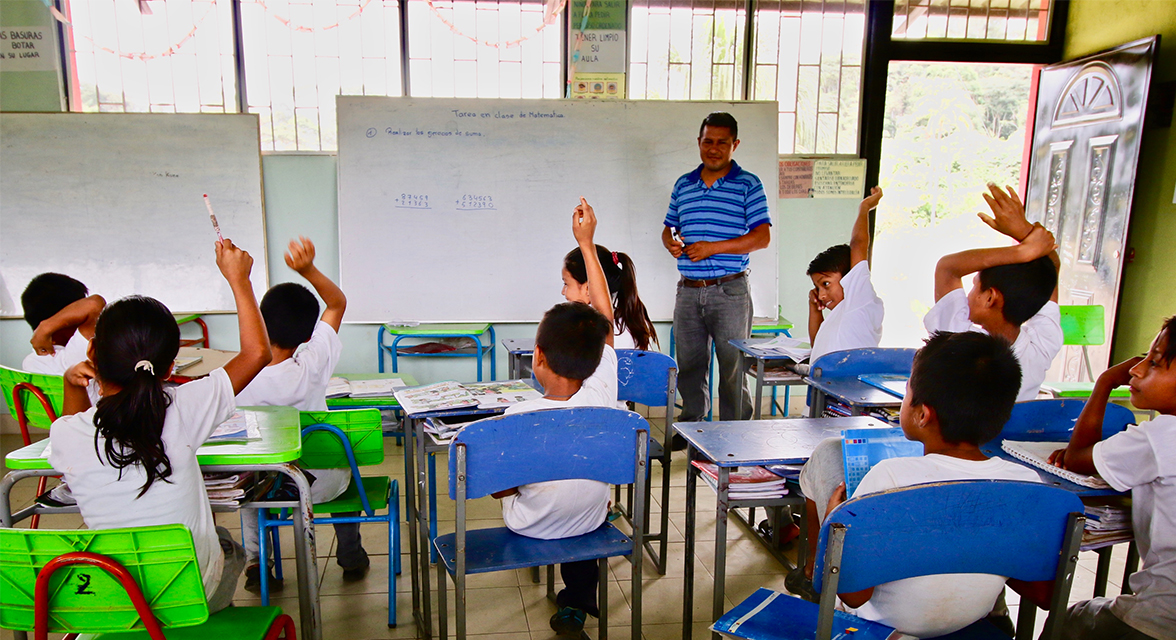
madtechventures.com – Ecuador’s educational system has undergone significant reforms and investments aimed at improving access and quality of education. However, despite these efforts, the system continues to face numerous challenges that hinder its effectiveness and impact on societal development.

Challenges Faced by the Educational System

  1. Violence and Sexual Abuse in Schools: A critical issue within the educational system is the prevalence of violence and sexual abuse. Many schools fail to report these incidents or fully implement required protocols, and judicial institutions do not adequately investigate or prosecute such cases212.
  2. Bullying: Bullying is another significant problem identified by future teachers, which affects the learning environment and student well-being2.
  3. Learning Gaps: Substantial learning gaps exist between different regions and ethnic groups, which is a persistent challenge that needs to be addressed to ensure equitable education4.
  4. Curriculum Adaptation: The educational system struggles with adapting the curriculum to meet the needs of a diverse population, which is crucial for effective learning and societal integration6.
  5. Language Barriers: A significant barrier is the language difference between teachers, who predominantly teach in Spanish, and many community members who speak Kichwa, an Indigenous language9.

Progress and Reforms

Despite these challenges, Ecuador has made notable progress in its educational system:

  1. Educational Reforms: Since 2008, Ecuador has implemented fundamental reforms aimed at improving access to education and providing high-quality education for all.
  2. Mandatory Education: The country has a high enrollment rate of 96% in basic education, indicating a strong commitment to compulsory education.
  3. Free Education: Public education, including primary and secondary education, is free, which helps reduce financial barriers to education.
  4. Higher Education: The higher education sector has also seen improvements, with reforms aimed at enhancing the quality of education and aligning it with sustainable development goals.

Conclusion

Ecuador’s educational system is at a crossroads, facing significant challenges that need to be addressed to ensure that all students have access to a quality education. While the country has made strides in improving access and quality, the persistence of issues like violence in schools and learning disparities highlights the need for continued reforms and investments. Addressing these challenges is crucial for the future of Ecuador’s educational system and its role in fostering a more equitable and prosperous society.