Education System in Pakistan: Challenges and Opportunities

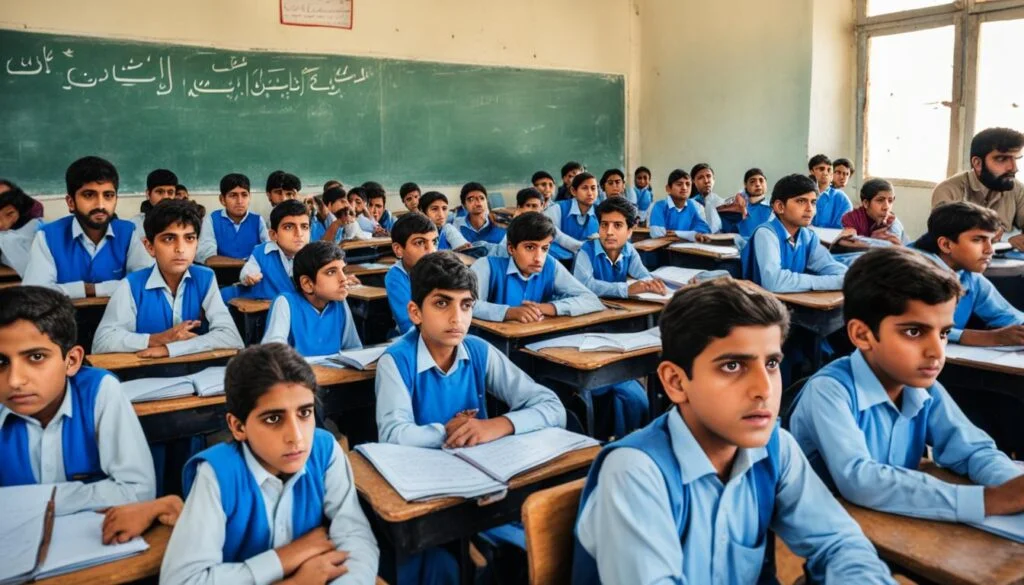
madtechventures.com – Education is a cornerstone for the development and progress of any nation. In Pakistan, the education system is a complex structure that faces several challenges while also presenting numerous opportunities for growth and improvement. This article explores the current state of education in Pakistan, highlighting the hurdles and potential pathways for enhancement.

Structure of the Education System

Primary and Secondary Education

The education system in Pakistan is divided into several levels, starting with primary education, which is compulsory for children aged 5 to 16. Secondary education follows, leading to higher secondary education, where students can choose between different streams like science, arts, and commerce.

Higher Education

Higher education in Pakistan is offered through universities and colleges, with a focus on undergraduate, graduate, and postgraduate programs. The Higher Education Commission (HEC) oversees the quality and regulation of higher education institutions in the country.

Challenges Facing the Education System

Access and Enrollment

One of the primary challenges is the lack of access to education for all children, especially in rural and remote areas. Despite efforts to increase enrollment rates, a significant number of children remain out of school due to poverty, gender disparities, and inadequate infrastructure.

Quality of Education

The quality of education in Pakistan varies significantly between urban and rural areas, and even among different schools within the same city. Many schools suffer from a lack of trained teachers, outdated curricula, and insufficient teaching materials, affecting the overall quality of education.

Funding and Resources

Insufficient funding is a major hurdle for the education sector in Pakistan. Public schools often lack basic facilities, and there is a need for more investment in educational infrastructure, teacher training, and resource development.

Opportunities for Improvement

Policy Reforms

Recent education policies aim to address these challenges by increasing budget allocations, improving teacher training programs, and revising curricula to meet international standards. Continued policy reforms can help bridge the gap between different regions and educational institutions.

Technological Integration

The integration of technology in education presents a significant opportunity for improving access and quality. E-learning platforms, digital resources, and online teaching can help reach students in remote areas and provide them with quality education.

Public-Private Partnerships

Collaboration between the public and private sectors can play a crucial role in enhancing the education system. Private sector involvement can bring innovation, investment, and expertise, helping to address gaps in the existing system.

Conclusion

The education system in Pakistan is at a crossroads, facing numerous challenges yet offering significant opportunities for growth and development. By addressing key issues such as access, quality, and funding, and leveraging technology and partnerships, Pakistan can create a more equitable and effective education system that empowers its youth and drives national progress.

The Economy of the Solomon Islands: Challenges & Opportunities

madtechventures.com – The Solomon Islands, an archipelago in the South Pacific, faces significant economic challenges but also harbors substantial opportunities for growth and development. This article explores the current state of the Solomon Islands’ economy, highlighting the key challenges it faces and the potential opportunities that could drive future prosperity.

Economic Overview

The Solomon Islands’ economy has been on a slow road to recovery, with aggregate GDP experiencing a decline of 25% in recent years3. Despite a modest growth of 4% in 2023, the country continues to grapple with a significant budget deficit. The economy is heavily reliant on agriculture, fishing, and forestry, with a limited private sector and poor infrastructure exacerbating its economic woes.

Challenges

Infrastructure Deficiencies

One of the most pressing challenges facing the Solomon Islands is the lack of adequate infrastructure. Poor roads, limited access to electricity, and inadequate telecommunications networks hinder economic activities and deter foreign investment.

High Unemployment and Underemployment

Widespread underemployment and high unemployment rates are significant barriers to economic growth. The limited job market and lack of skilled labor contribute to a cycle of poverty and economic stagnation.

Dependence on Primary Sectors

The economy’s heavy reliance on primary sectors such as agriculture, fishing, and forestry makes it vulnerable to external shocks, including climate change and global market fluctuations.

Fiscal Deficits

The Solomon Islands has been struggling with increasing fiscal deficits, which have more than doubled in recent years. This financial instability poses a significant risk to the country’s economic stability and growth prospects.

Opportunities

Investment and Development

The Solomon Islands has identified several areas for potential investment and development. Improving infrastructure, enhancing education and healthcare, and promoting fair economic growth are key priorities for the government1.

Economic Reforms

A comprehensive and ambitious reform effort is essential to lift economic growth. The World Bank has highlighted the urgent need for economic reforms to drive new sources of growth and help the country achieve its goal of upper-middle-income status by 2040.

International Partnerships

The Solomon Islands’ recent partnership with China under the Belt and Road Initiative (BRI) presents a significant opportunity for economic development. This partnership could lead to increased investment in infrastructure and other development projects, potentially boosting the country’s economic prospects.

Diversification of the Economy

Diversifying the economy by developing new sectors such as tourism, manufacturing, and services could reduce the country’s dependence on primary sectors and create new job opportunities.

Conclusion

The Solomon Islands faces considerable economic challenges, including poor infrastructure, high unemployment, and a reliance on primary sectors. However, with strategic economic reforms, increased investment, and international partnerships, the country has the potential to overcome these obstacles and achieve sustainable economic growth. The opportunities for development are vast, and with the right policies and investments, the Solomon Islands can transform its economy and improve the living standards of its people.

Development and Challenges: Kiribati’s Infrastructure

madtechventures.com – Kiribati, an island nation in the central Pacific Ocean, faces significant challenges in developing and maintaining its infrastructure due to its unique geographical and environmental conditions. This article explores the current state of infrastructure in Kiribati, highlighting both the development efforts and the challenges that persist.

Infrastructure Development

Kiribati’s infrastructure development is crucial for addressing the needs of its population and ensuring sustainable growth. The government and international partners have been working on various projects to improve infrastructure across the country.

One of the key areas of focus is on climate adaptation and resilience. The World Bank has provided $20 million in support for climate adaptation on Kiribati’s outer islands, focusing on infrastructure that can withstand rising sea levels, increased water salination, and unpredictable weather patterns.

Additionally, the National Infrastructure Investment Plan (NIIP) for Kiribati outlines a comprehensive strategy for infrastructure development, emphasizing the importance of sustainable and resilient infrastructure to support the country’s development goals.

Challenges

Despite these efforts, Kiribati faces numerous challenges that hinder infrastructure development and maintenance.

  1. Climate Change: Kiribati is particularly vulnerable to the impacts of climate change, including rising sea levels and extreme weather events. These conditions pose significant risks to existing infrastructure and complicate future development plans.
  2. Geographical Spread: The country’s dispersed population across 33 atolls spread over 3.5 million square kilometers of ocean makes infrastructure development and maintenance extremely costly and logistically challenging.
  3. Limited Resources: Kiribati’s small size and limited resources make it difficult to invest adequately in infrastructure. The country relies heavily on external aid and partnerships to finance and implement infrastructure projects.
  4. Transportation: The challenges of sustainable transportation in Kiribati are significant, with high costs associated with transitioning to newer, more modern vehicles and an excessive number of second-hand cars contributing to traffic congestion on the main island of South Tarawa.
  5. Energy and Water: Access to clean water and reliable energy sources remains a challenge, particularly in remote areas. Efforts are ongoing to improve these services, but the vast distances and limited resources pose significant obstacles.

Conclusion

Kiribati’s infrastructure development is a critical component of its national development strategy, aiming to improve the quality of life for its citizens and support economic growth. However, the country faces substantial challenges that require innovative solutions and sustained international support.

As Kiribati continues to navigate these challenges, it is essential that infrastructure development remains a priority, with a focus on sustainability, resilience, and inclusivity to ensure that all I-Kiribati benefit from these efforts.

Kosovo’s Environmental Challenges & Conservation Efforts

madtechventures.com – Kosovo, a small country in the Balkans, faces significant environmental challenges that threaten its natural beauty and sustainability. This article explores the key environmental issues facing Kosovo and the conservation efforts being undertaken to address them.

Environmental Challenges

Kosovo’s environmental challenges are multifaceted, stemming from both historical neglect and rapid development. One of the most pressing issues is air pollution, largely due to the reliance on coal for energy production. This has led to high levels of particulate matter and other pollutants, affecting public health and the environment.

Another significant challenge is deforestation, driven by illegal logging and the expansion of agricultural land. This has resulted in the loss of biodiversity and increased soil erosion, leading to decreased water quality and quantity.

Waste management is also a critical issue, with inadequate infrastructure and practices leading to the improper disposal of waste. This has resulted in pollution of land and water resources, posing a threat to both human health and ecosystems.

Conservation Efforts

Despite these challenges, there are encouraging conservation efforts underway in Kosovo. The government and various organizations are working to address air pollution by investing in renewable energy sources, such as wind and solar power. This shift aims to reduce dependence on coal and improve air quality.

In response to deforestation, there are initiatives to promote sustainable forestry practices and combat illegal logging. Reforestation projects are also being undertaken to restore degraded forests and increase biodiversity.

Waste management is being addressed through the development of modern waste treatment facilities and the promotion of recycling and composting. These efforts aim to reduce the environmental impact of waste and encourage more sustainable practices.

Community Involvement

Community involvement is crucial for the success of conservation efforts in Kosovo. Various initiatives are engaging local communities in environmental protection and sustainable practices. Educational programs are raising awareness about the importance of conservation and encouraging individuals to take action in their daily lives.

Conclusion

Kosovo’s environmental challenges are significant, but the conservation efforts underway offer hope for a more sustainable future. By addressing issues such as air pollution, deforestation, and waste management, Kosovo can protect its natural resources and ensure a healthier environment for future generations.

The journey toward environmental sustainability in Kosovo is a testament to the resilience and commitment of its people. Through continued efforts and community involvement, Kosovo can overcome its environmental challenges and preserve its natural beauty for years to come.

The Challenges & Opportunities in Rural Hospital Management

madtechventures.com – Rural hospitals play a vital role in providing healthcare services to underserved populations. However, managing these hospitals comes with a unique set of challenges and opportunities. This article explores the complexities of rural hospital management, highlighting the key issues and potential solutions.

Challenges in Rural Hospital Management

Financial Constraints

One of the primary challenges facing rural hospitals is financial instability. These facilities often operate on limited budgets, with fewer resources compared to their urban counterparts. This financial strain can lead to reduced services, outdated equipment, and difficulties in attracting and retaining staff.

Staffing Shortages

Rural hospitals frequently struggle with staffing shortages, particularly in specialized areas such as nursing, radiology, and anesthesiology. The remote locations and lower pay scales can deter healthcare professionals from working in rural settings, leading to burnout among existing staff and compromised patient care.

Access to Specialized Care

Access to specialized care is another significant challenge. Rural hospitals may lack the resources to provide advanced medical services, such as cardiac surgery or oncology treatments. Patients often have to travel long distances to receive specialized care, which can be inconvenient and costly.

Technological Limitations

Technological advancements are crucial in modern healthcare, but rural hospitals may lag in adopting new technologies due to financial constraints and limited infrastructure. This can affect diagnostic capabilities, treatment options, and the overall quality of care.

Regulatory Compliance

Compliance with healthcare regulations can be particularly burdensome for rural hospitals. The administrative burden of meeting regulatory requirements can strain already limited resources and divert attention from patient care.

Opportunities in Rural Hospital Management

Telemedicine

Telemedicine presents a significant opportunity for rural hospitals. By leveraging technology, hospitals can connect patients with specialists located elsewhere, improving access to specialized care and reducing the need for travel.

Community Partnerships

Building partnerships with local communities and organizations can help rural hospitals address some of their challenges. These partnerships can provide additional resources, support for fundraising efforts, and volunteer staff to assist with non-clinical tasks.

Innovative Staffing Solutions

Creative staffing solutions, such as flexible scheduling, loan forgiveness programs, and partnerships with healthcare education institutions, can help attract and retain healthcare professionals in rural areas.

Government and Private Support

Government initiatives and private funding can provide much-needed financial support for rural hospitals. Grants, subsidies, and investments can help upgrade facilities, purchase new equipment, and enhance services.

Focus on Preventive Care

Rural hospitals have the opportunity to play a key role in preventive care. By focusing on health education, screenings, and chronic disease management, hospitals can improve community health outcomes and reduce the burden of acute care services.

Conclusion

Managing a rural hospital is a complex task that requires innovative solutions and strategic planning. While financial constraints, staffing shortages, and access to specialized care present significant challenges, opportunities such as telemedicine, community partnerships, and preventive care offer pathways to improve healthcare delivery in rural areas. By addressing these challenges and leveraging available opportunities, rural hospitals can continue to provide essential services to underserved populations.

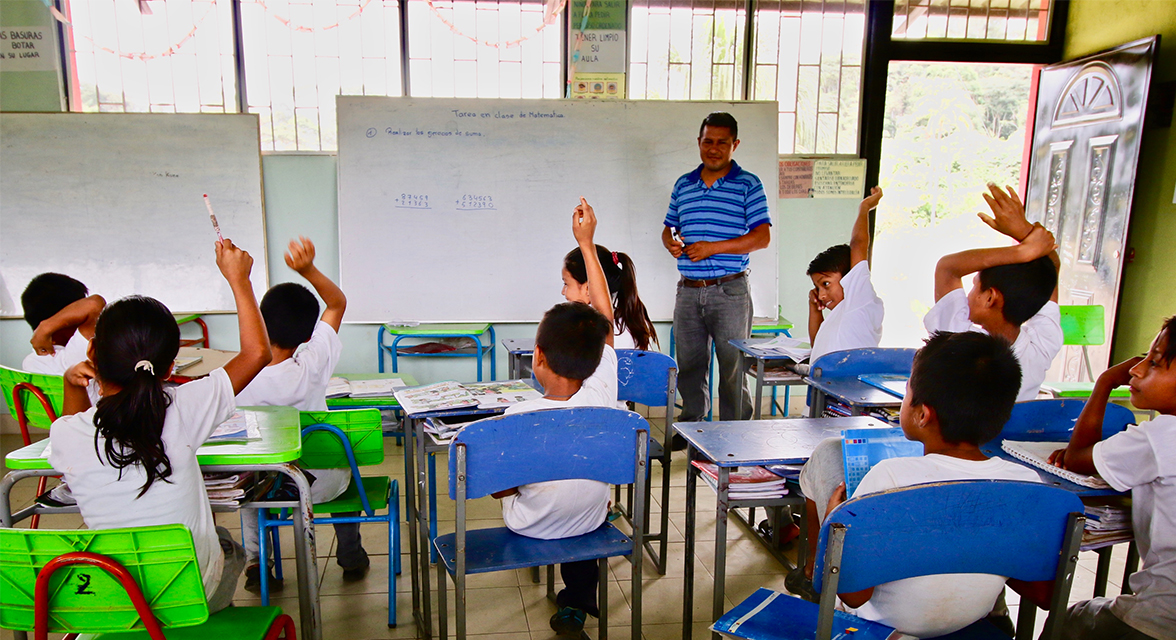
Ecuador’s Educational System: Challenges and Progress

madtechventures.com – Ecuador’s educational system has undergone significant reforms and investments aimed at improving access and quality of education. However, despite these efforts, the system continues to face numerous challenges that hinder its effectiveness and impact on societal development.

Challenges Faced by the Educational System

  1. Violence and Sexual Abuse in Schools: A critical issue within the educational system is the prevalence of violence and sexual abuse. Many schools fail to report these incidents or fully implement required protocols, and judicial institutions do not adequately investigate or prosecute such cases212.
  2. Bullying: Bullying is another significant problem identified by future teachers, which affects the learning environment and student well-being2.
  3. Learning Gaps: Substantial learning gaps exist between different regions and ethnic groups, which is a persistent challenge that needs to be addressed to ensure equitable education4.
  4. Curriculum Adaptation: The educational system struggles with adapting the curriculum to meet the needs of a diverse population, which is crucial for effective learning and societal integration6.
  5. Language Barriers: A significant barrier is the language difference between teachers, who predominantly teach in Spanish, and many community members who speak Kichwa, an Indigenous language9.

Progress and Reforms

Despite these challenges, Ecuador has made notable progress in its educational system:

  1. Educational Reforms: Since 2008, Ecuador has implemented fundamental reforms aimed at improving access to education and providing high-quality education for all.
  2. Mandatory Education: The country has a high enrollment rate of 96% in basic education, indicating a strong commitment to compulsory education.
  3. Free Education: Public education, including primary and secondary education, is free, which helps reduce financial barriers to education.
  4. Higher Education: The higher education sector has also seen improvements, with reforms aimed at enhancing the quality of education and aligning it with sustainable development goals.

Conclusion

Ecuador’s educational system is at a crossroads, facing significant challenges that need to be addressed to ensure that all students have access to a quality education. While the country has made strides in improving access and quality, the persistence of issues like violence in schools and learning disparities highlights the need for continued reforms and investments. Addressing these challenges is crucial for the future of Ecuador’s educational system and its role in fostering a more equitable and prosperous society.