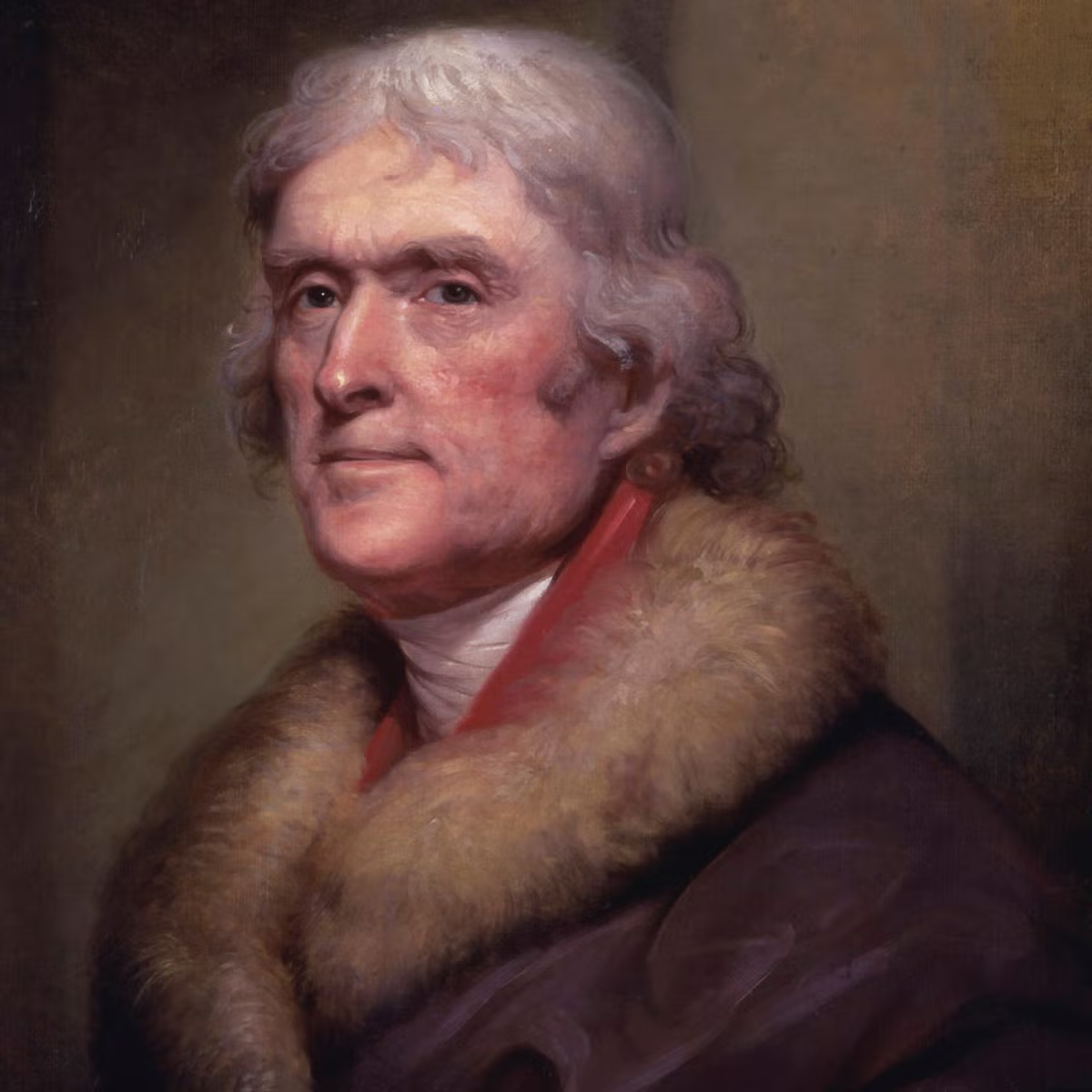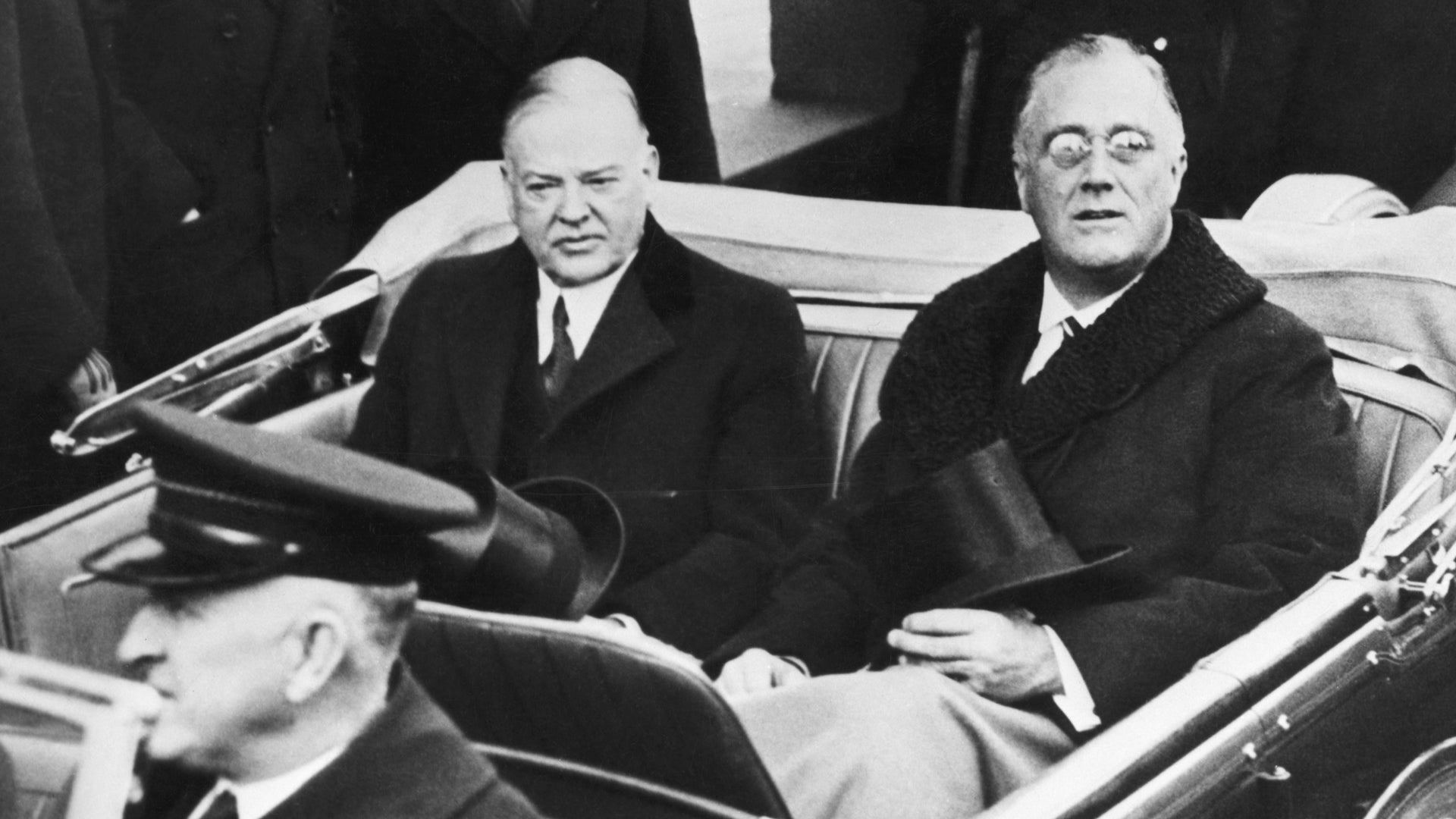
Herbert Hoover and the Great Depression: A Legacy in Crisis

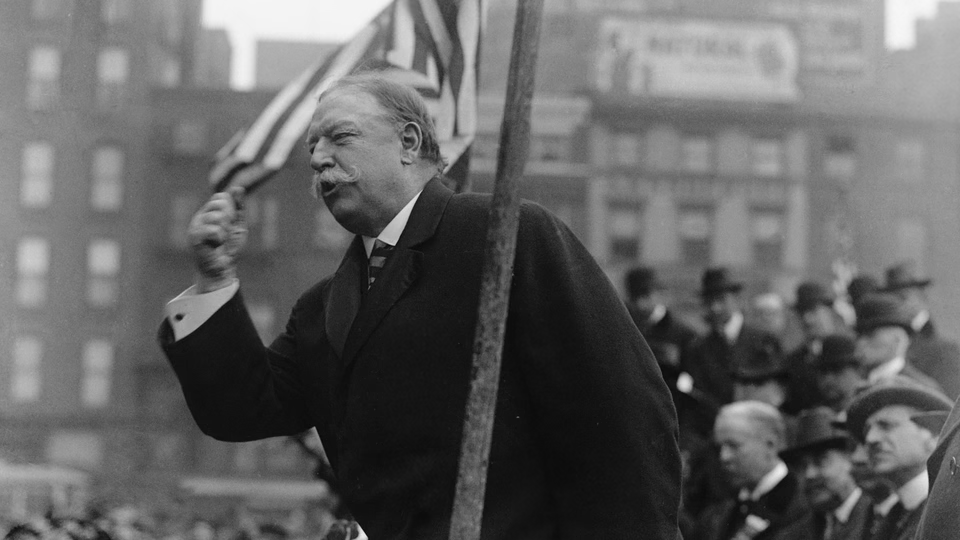
madtechventures.com – Herbert Hoover, the 31st President of the United States, entered the White House in 1929 with a reputation as a brilliant engineer, successful businessman, and humanitarian. He promised to continue the era of prosperity that had defined the 1920s, advocating for economic growth, individual self-reliance, and minimal government intervention. However, just months after Hoover took office, the United States was plunged into the worst economic crisis it had ever seen—the Great Depression. Despite his experience and expertise, Hoover’s leadership during this period has been widely criticized, and his presidency is often remembered as one marked by failure. However, his legacy in the context of the Great Depression is more nuanced, shaped by his policies, his actions during the crisis, and the larger historical forces at play.

This article explores Herbert Hoover’s role in the Great Depression, examining his responses to the economic disaster, the criticisms he faced, and how the crisis shaped his legacy.

The Stock Market Crash and the Onset of the Great Depression

Herbert Hoover assumed the presidency on March 4, 1929, amidst a climate of optimism. The economy was booming, unemployment was low, and prosperity seemed guaranteed. Hoover was confident that the nation was on the cusp of achieving an even greater future. He promised to continue the policies of his predecessors and believed in the power of voluntary cooperation between business, labor, and government to ensure continued growth.

The Collapse of Prosperity: Black Thursday and Black Tuesday

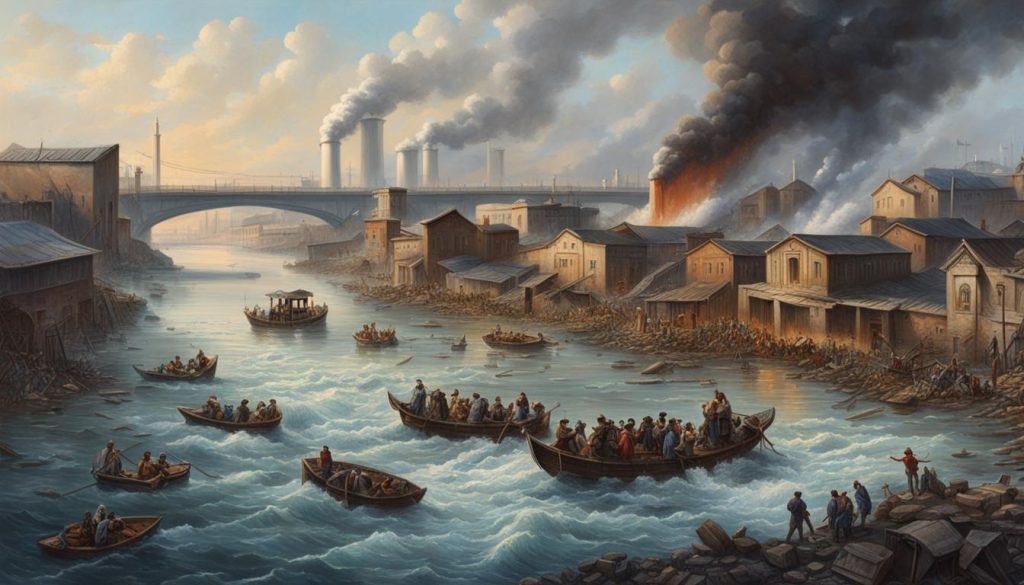
However, the economic landscape changed dramatically just months after Hoover took office. On October 24, 1929, the U.S. stock market experienced a massive crash, known as Black Thursday. While this event was unsettling, it was not until October 29, 1929—Black Tuesday—that the full extent of the stock market collapse became clear. On that day, the stock market lost billions of dollars in value, sending shockwaves through the global economy.

The crash marked the beginning of the Great Depression, a period of unprecedented economic hardship that would last for more than a decade. Within months, banks failed, businesses shuttered, unemployment skyrocketed, and millions of Americans found themselves out of work and facing poverty.

Hoover’s Initial Response to the Crisis

In the immediate aftermath of the stock market crash, Hoover initially maintained a sense of optimism. He believed that the economy would recover on its own and that government intervention should be minimal. Hoover had a strong belief in the power of individualism and self-reliance, values that were deeply rooted in his Quaker upbringing. He did not initially see the need for the federal government to intervene directly in the economy, instead advocating for local and state governments to take action.

Hoover also relied on voluntary cooperation from businesses and labor organizations to address the economic crisis. He believed that businesses would continue to invest in the economy and that workers would show restraint and avoid striking, which would hurt the economy further. Hoover called for the formation of the National Business Recovery Board, encouraging businesses to maintain wages and employment levels, but this approach had limited success. While some industries cooperated, many did not, and the economic situation only worsened.

Public Works and the Reconstruction Finance Corporation

As the Depression deepened, Hoover eventually realized that more direct action was necessary. In 1931, he pushed for a public works program to create jobs and stimulate the economy. The most famous of these projects was the Hoover Dam, a massive construction project that provided both jobs and much-needed infrastructure for the American West. However, the scale of these efforts was insufficient to address the breadth of the economic crisis.

In 1932, Hoover took a more significant step with the creation of the Reconstruction Finance Corporation (RFC), which was designed to provide loans to banks, railroads, and businesses in an attempt to stabilize the financial system. The RFC was Hoover’s most ambitious economic recovery program and was intended to jump-start the economy by providing much-needed capital to struggling businesses. While the RFC did help some industries and banks, critics argued that it primarily benefitted large corporations and did little to alleviate the suffering of ordinary Americans. The public’s frustration with Hoover mounted as the crisis deepened.

Criticism of Hoover’s Policies

Despite Hoover’s attempts to stabilize the economy, his policies were widely criticized for being ineffective and out of touch with the needs of ordinary Americans. Hoover’s reluctance to provide direct federal relief to the unemployed, in particular, became a major point of contention. Hoover’s belief in individual responsibility and self-reliance led him to oppose federal welfare programs, arguing that charity should come from local and private sources rather than the government. This approach angered many, as millions of Americans faced homelessness and hunger.

The Bonus Army March

One of the most poignant examples of Hoover’s failure to address the immediate needs of struggling Americans occurred in 1932 with the Bonus Army march. Thousands of World War I veterans, many of whom were destitute, descended on Washington, D.C., to demand early payment of a bonus that had been promised to them for their service. Hoover’s response to the Bonus Army was harsh: he ordered the army to disperse the veterans, resulting in the use of military force to remove the peaceful protesters. The violent eviction, which included the use of tanks and tear gas, deeply damaged Hoover’s image and further fueled public anger against him.

Unemployment and Hunger: The Plight of the American People

As unemployment soared and hunger spread across the country, Hoover’s insistence on limited government intervention appeared increasingly out of touch. The visible suffering of millions of Americans stood in stark contrast to Hoover’s belief in a self-correcting economy. Hoover’s inability to address the human cost of the Depression contributed to the erosion of his popularity, culminating in his crushing defeat in the 1932 presidential election.

The 1932 Election: Hoover’s Defeat

The 1932 presidential election was a turning point in American history, as Franklin D. Roosevelt campaigned on a promise to address the Great Depression with a comprehensive plan for government intervention and reform. Roosevelt’s vision for a “New Deal” resonated with voters, who were disillusioned with Hoover’s handling of the crisis.

Hoover, for his part, tried to defend his record, emphasizing the actions he had taken to address the crisis. However, his message was overshadowed by the suffering of the American people. On November 8, 1932, Hoover was defeated in a landslide by Roosevelt, who would go on to become one of the most consequential presidents in American history.

Hoover’s Post-Presidency: Reflection and Legacy

After his defeat in 1932, Hoover largely withdrew from the political spotlight. However, he continued to write, speak, and engage in public service. He remained an active voice in American public life, offering his perspectives on the Depression, government policy, and international affairs.

Despite his post-presidential efforts to rehabilitate his image, Hoover’s legacy remains largely tied to the Great Depression. He is often seen as a leader who failed to adequately respond to the crisis and whose policies were too conservative for the scale of the economic disaster. Hoover’s reluctance to embrace bold government intervention has been widely criticized, as many believed that more aggressive action could have alleviated some of the suffering and shortened the duration of the Depression.

At the same time, some scholars argue that Hoover’s actions were not entirely without merit. His advocacy for public works, such as the Hoover Dam, laid the groundwork for future infrastructure projects. His establishment of the RFC, while flawed, was an attempt to stabilize the banking system during a time of extreme financial uncertainty. Moreover, Hoover’s deep commitment to humanitarian work and his efforts to provide relief to foreign nations during and after World War I remain an important part of his legacy.

A Complex Legacy: Hoover’s Place in History

Herbert Hoover’s legacy in relation to the Great Depression is complex and multifaceted. While his presidency is often associated with failure, it is important to remember that he faced an unprecedented economic crisis, one that defied even the most capable leaders. Hoover’s faith in individualism, limited government, and voluntary cooperation, although well-intentioned, proved inadequate in the face of the severe hardships brought on by the Depression.

Nevertheless, Hoover’s life was marked by many accomplishments outside of his presidential tenure. His early career as an engineer and his work as a global humanitarian during World War I remain significant aspects of his legacy. His post-presidential contributions, including his support for international relief efforts during World War II and his advocacy for government efficiency, provide a more nuanced view of his impact on American history.

Ultimately, Herbert Hoover’s legacy is one shaped by the Great Depression, a time of profound crisis that exposed the limitations of his political philosophy and the shortcomings of his presidency. While Hoover’s actions were not sufficient to overcome the Depression, they provide valuable lessons in crisis management, government intervention, and the complexities of leadership in times of national distress. His place in history, though defined by his failure to solve the economic crisis, remains that of a man who tried to apply his belief in self-reliance to an economic catastrophe far beyond anyone’s control.

Karen Mok: A Multifaceted Star of Music, Film, & Fashion

madtechventures.com – Karen Mok, born June 2, 1970, in Hong Kong, is one of the most celebrated and versatile entertainers in Asia. With a career spanning more than three decades, Mok has achieved fame as a singer, actress, and fashion icon. Her unique ability to effortlessly transition between different artistic mediums, along with her distinctive style and charisma, has made her a beloved figure not only in Hong Kong but across the Chinese-speaking world and beyond.

Early Life and Background

Multicultural Upbringing

Karen Mok, born Karen Joy Morris, grew up in a multicultural family in Hong Kong. She is of mixed heritage, with a diverse background that includes Chinese, Welsh, Iranian, and German ancestry. This multicultural upbringing gave her a unique perspective and helped shape her international appeal as a performer. Mok is fluent in several languages, including Cantonese, Mandarin, English, Italian, and French, which has further broadened her ability to connect with audiences worldwide.

Karen attended Diocesan Girls’ School, one of Hong Kong’s most prestigious schools, where she excelled academically. She later pursued her education abroad, studying literature at United World College of the Adriatic in Italy and continuing her studies in Italian literature at London University’s Royal Holloway College in the United Kingdom.

Early Passion for the Arts

Even as a young girl, Mok showed a passion for the arts. Her interest in music, theater, and dance began at an early age, and she was actively involved in school performances. Her experiences living in different countries and cultures helped foster a deep appreciation for the performing arts, and Mok knew from an early age that she wanted to pursue a career in entertainment.

Rise to Fame in Music

Debut in the Hong Kong Music Scene

Karen Mok’s entry into the music industry came in the early 1990s, at a time when Cantopop (Cantonese pop music) was thriving in Hong Kong. Her debut album, “Karen”, released in 1993, marked the beginning of her illustrious music career. Mok’s unique voice, combined with her ability to incorporate different musical styles such as jazz, rock, and classical influences into her music, set her apart from other artists in the genre.

Her early albums were met with critical and commercial success, and she quickly established herself as a rising star in the Hong Kong music scene. Songs like “He Loves Me Not” and “Love Yourself” became popular hits, helping Mok build a loyal fanbase.

Success in Mandarin Music and International Recognition

Karen Mok’s versatility as a singer allowed her to seamlessly transition from Cantopop to Mandopop (Mandarin pop music), expanding her audience beyond Hong Kong and into mainland China, Taiwan, and other parts of Asia. Her ability to sing fluently in both Cantonese and Mandarin gave her a significant advantage in the highly competitive music industry.

In the late 1990s, Mok released several successful Mandarin albums, including “I Say” (1997) and “To Be” (1999). Her soulful voice and ability to adapt to various musical genres earned her widespread acclaim, and she began to gain international recognition. Her song “A Woman for All Seasons”, from the album “I Say,” became a chart-topping hit and cemented her status as one of Asia’s leading female vocalists.

Music Style and Influence

Karen Mok’s music is known for its eclectic mix of genres and styles. She has explored everything from pop ballads to rock anthems to jazz and classical music. Her ability to experiment with different sounds and incorporate a wide range of musical influences has kept her music fresh and innovative throughout her career.

In addition to her musical talents, Mok is also an accomplished songwriter. She has written many of her own songs, drawing inspiration from her personal experiences and observations. Her lyrics often explore themes of love, empowerment, and self-discovery, resonating with listeners across generations.

Concert Tours and Live Performances

Karen Mok is renowned for her electrifying live performances. Over the years, she has embarked on numerous concert tours, performing to sold-out audiences across Asia and beyond. Her ability to engage with her audience and deliver captivating performances has made her one of the most sought-after live performers in the region.

Mok’s concert tours are known for their impressive production value, with elaborate stage designs, choreography, and costumes. She often incorporates elements of theater and storytelling into her performances, creating a dynamic and immersive experience for her fans.

Acting Career: From Screen to Stage

Breakthrough in Hong Kong Cinema

In addition to her successful music career, Karen Mok is also a talented actress with a diverse filmography. She made her film debut in “The Tigers” (1991), directed by Tony Ching Siu-tung, but it was her role in “Fallen Angels” (1995) directed by Wong Kar-wai that truly put her on the map as an actress. Mok’s portrayal of a quirky and rebellious character in the critically acclaimed film earned her praise from both audiences and critics alike.

Her collaboration with renowned Hong Kong director Stephen Chow further boosted her acting career. She starred in several of his hit comedies, including “The God of Cookery” (1996) and “The King of Comedy” (1999). These films showcased Mok’s talent for comedy, and her on-screen chemistry with Chow made her a fan favorite.

Success in Mainland Chinese and International Films

Karen Mok’s acting career extended beyond Hong Kong, and she became a prominent figure in mainland Chinese cinema as well. She worked with acclaimed directors such as Chen Kaige and Zhang Yimou, further solidifying her reputation as a versatile actress.

In 2001, Mok appeared in the Hollywood action film “The Medallion”, alongside Jackie Chan. Although the film was not a major box office hit, it helped introduce Mok to international audiences, and her role in the movie demonstrated her ability to adapt to different film markets and genres.

Award-Winning Performances

Throughout her acting career, Karen Mok has received several awards and nominations for her performances. She won the Best Supporting Actress award at the Golden Horse Awards for her role in “Fallen Angels”, and she has been recognized for her work in films such as “The Great Conqueror’s Concubine” (1994) and “Shaolin Soccer” (2001).

Mok’s versatility as an actress has allowed her to take on a wide range of roles, from romantic comedies to dramatic epics. Her ability to bring depth and authenticity to her characters has made her one of the most respected actresses in Asian cinema.

Theater and Musical Productions

In addition to her work in film, Karen Mok has also ventured into the world of theater and musicals. She starred in the Chinese adaptation of the Broadway musical “RENT”, where she played the role of Mimi. Her performance in the musical was widely praised, and it demonstrated her talent as a live performer in a different medium.

Fashion Icon and Cultural Influence

Unique Fashion Sense

Karen Mok is known for her bold and eclectic fashion sense. Throughout her career, she has been a trendsetter, often pushing the boundaries of fashion with her daring choices. Whether on the red carpet or performing on stage, Mok’s style is always eye-catching and innovative.

Her love for fashion is not limited to wearing designer clothes; Mok has collaborated with several fashion brands and designers, further establishing her status as a fashion icon. Her willingness to experiment with different styles, fabrics, and designs has made her a favorite among fashion enthusiasts.

Philanthropy and Social Advocacy

In addition to her work in entertainment, Karen Mok is also actively involved in various philanthropic causes. She has supported organizations such as UNICEF and WWF and has used her platform to raise awareness about important social and environmental issues. Mok has also been an advocate for education, promoting literacy and the importance of learning, particularly for disadvantaged children.

Her commitment to giving back to society has earned her respect and admiration, not only for her talent but also for her compassion and dedication to making a positive impact in the world.

Personal Life and Legacy

Marriage and Family

Karen Mok married her longtime boyfriend, German-born businessman Johannes Natterer, in 2011. The couple’s relationship has been marked by a shared love of travel and adventure, and they often spend time together exploring new destinations. Despite her busy career, Mok has managed to balance her personal life with her professional commitments.

A Lasting Influence on Asian Entertainment

Karen Mok’s influence on the entertainment industry is undeniable. As a pioneering female artist who has excelled in music, film, and fashion, she has inspired countless young women to pursue their dreams and break barriers. Her ability to continually reinvent herself while staying true to her artistic vision has made her a role model for future generations of performers.

Mok’s contribution to the arts has left a lasting legacy in both the music and film industries, and her work continues to resonate with audiences around the world.

Conclusion

Karen Mok’s remarkable career as a singer, actress, and fashion icon has solidified her status as one of Asia’s most beloved and influential entertainers. Her ability to excel in multiple fields, from music to film to fashion, has made her a true Renaissance woman in the world of entertainment. With her unique voice, versatile acting skills, and bold sense of style, Karen Mok continues to inspire and captivate audiences across the globe.

Her contributions to the arts, combined with her philanthropy and advocacy work, have made her a positive force in the world, and her legacy will undoubtedly continue to influence and inspire for years to come.

Warren G. Harding: A Presidency Shrouded in Scandal

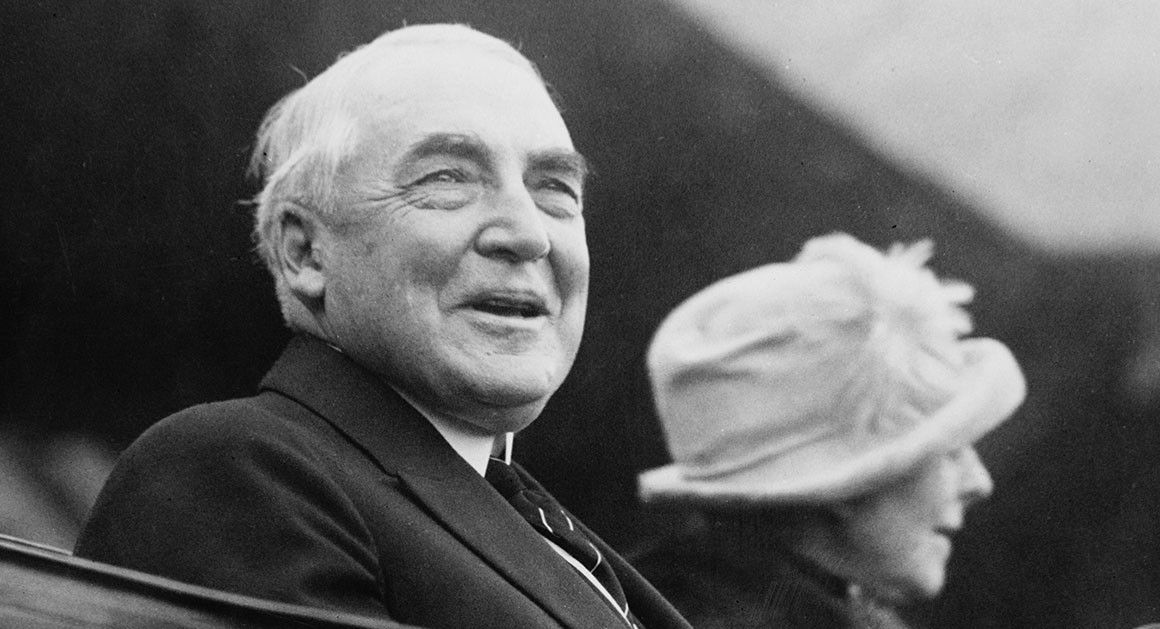
madtechventures.com – Warren G. Harding, the 29th President of the United States, presided over a presidency that is often remembered as one of the most scandal-ridden in American history. Despite his initial popularity and a promising start to his term, Harding’s legacy is largely defined by the numerous scandals that tainted his administration. From corruption within his cabinet to the infamous Teapot Dome scandal, Harding’s presidency became a cautionary tale about the dangers of political favoritism, poor judgment, and a lack of oversight. Harding’s leadership, while marked by early successes in domestic and foreign policy, ultimately succumbed to the weight of scandal, leaving his reputation in tatters.

The Rise of Warren G. Harding

Early Life and Political Career

Warren Gamaliel Harding was born on November 2, 1865, in Blooming Grove, Ohio, into a modest family. The son of a physician and farmer, Harding was not a remarkable student, but he displayed an early interest in the world of journalism. After graduating from Ohio Central College in 1882, Harding worked at a local newspaper and eventually became the owner of the Marion Daily Star in 1884. His career in journalism helped him develop the skills necessary for a political career, especially his talent for speaking to the concerns of ordinary Americans.

Harding’s political career began in Ohio, where he was elected to the Ohio State Senate in 1900. He gradually rose through the ranks, becoming Lieutenant Governor of Ohio and later serving in the U.S. Senate. Harding’s political style was one of moderation, and he quickly developed relationships with key political figures that would later aid him in his rise to national prominence.

In 1920, Harding was selected as the Republican candidate for president during a highly contested convention. At the time, the Republican Party was divided between progressives and conservatives, and Harding’s relatively moderate stance and calm demeanor made him an appealing compromise candidate. Running on a platform of “a return to normalcy,” Harding promised to restore stability to a nation that had been shaken by the turmoil of World War I and the progressive reforms of the previous decade. His message resonated with a war-weary electorate, and he won the 1920 presidential election in a landslide, securing over 60% of the popular vote.

The Harding Administration: Early Successes

Economic Prosperity and Domestic Policies

Upon taking office in 1921, Harding wasted no time in pushing his agenda. His primary focus was restoring economic stability to a nation that had experienced the economic dislocation caused by World War I. Harding believed in minimal government intervention in the economy and adopted a conservative, pro-business stance.

One of his first acts as president was to push for significant tax cuts, particularly for businesses and high-income earners. The Revenue Act of 1921, which lowered the top income tax rate from 73% to 58%, was passed, and Harding’s administration continued to implement policies that sought to reduce government spending and reduce the national debt. Under Harding’s leadership, the federal budget was balanced for the first time in several years, and the economy began to recover, leading to a period of prosperity known as the “Roaring Twenties.”

Harding’s foreign policy was also characterized by a desire to avoid entanglements in European affairs. His administration focused on diplomacy and arms reduction, exemplified by the Washington Naval Conference of 1921-1922. The conference resulted in international agreements to limit naval armament and avoid an arms race among the major world powers. Harding’s decision to support disarmament efforts, including the Kellogg-Briand Pact of 1928, further cemented his reputation as a leader seeking peace and stability in the post-World War I world.

The Flawed Cabinet

Despite these early successes, Harding’s administration was marred by serious ethical lapses. Harding, who was often praised for his ability to select talented individuals to serve in his cabinet, unfortunately chose men whose actions would tarnish his presidency. His cabinet included a number of men with questionable ethical standards, many of whom were involved in corruption and scandal during his time in office.

The Teapot Dome Scandal

The most infamous and damaging scandal of Harding’s presidency was the Teapot Dome scandal, which revolved around the secret leasing of federal oil reserves to private companies. The reserves, located in Teapot Dome, Wyoming, and Elk Hills, California, were intended to be managed by the federal government for use in national emergencies. However, Harding’s Secretary of the Interior, Albert Fall, leased these oil fields to two major oil companies without competitive bidding.

What made the scandal particularly egregious was that Fall had accepted bribes from the oil companies in exchange for the leases. In return, Fall received cash payments and loans from the companies, which amounted to hundreds of thousands of dollars. When the bribery scheme was uncovered, it shocked the nation, as it revealed the extent of corruption within Harding’s administration.

Fall became the first cabinet member in U.S. history to be convicted of a felony for his actions, and the scandal severely damaged Harding’s reputation. Although Harding himself was never directly implicated in the scandal, the public’s perception of him was forever tainted. His failure to act decisively to address the corruption within his administration only added to the sense that Harding was a weak and ineffective leader.

The “Ohio Gang” and Other Scandals

In addition to Teapot Dome, Harding’s administration was plagued by other scandals involving his cabinet members, many of whom were referred to as the “Ohio Gang,” a group of Harding’s old political friends and allies from Ohio. These men, including Attorney General Harry Daugherty and Veterans’ Bureau Director Charles Forbes, were involved in a variety of corrupt activities, from bribery to embezzlement. The Veterans’ Bureau scandal, in particular, involved the theft of funds intended for the care of wounded veterans, further undermining the public’s trust in Harding’s leadership.

While many of the scandals were confined to Harding’s inner circle, they became a symbol of a broader culture of political corruption that permeated the administration. The scandals cast a long shadow over Harding’s presidency and overshadowed the few accomplishments he had managed to achieve.

The End of the Presidency and Harding’s Death

Health Issues and Deteriorating Leadership

Harding’s presidency was further complicated by his declining health. Throughout his time in office, Harding struggled with various health issues, including chronic fatigue, heart problems, and general physical weakness. His hectic schedule and the stress of managing a scandal-ridden administration likely took a toll on his health. Despite these challenges, Harding remained largely inactive in the face of mounting scandals, delegating much of his authority to others.

By 1923, Harding had embarked on a cross-country tour to promote his administration’s policies and to restore his image. However, during his trip to California, Harding fell seriously ill. On August 2, 1923, he died suddenly of a heart attack at the age of 57, leaving his presidency abruptly cut short.

The nation was shocked by his death, and many wondered how the scandal-ridden administration would have unfolded had Harding lived longer. Harding’s sudden passing left unanswered questions about his leadership and the potential for reform within his administration.

Harding’s Legacy: A Presidency Marked by Scandal

A Legacy of Corruption and Incompetence

Warren G. Harding’s presidency is often remembered for the scandalous behavior of his inner circle rather than for any lasting accomplishments. The Teapot Dome scandal, the Ohio Gang, and the widespread corruption within his administration are among the primary factors that have shaped Harding’s historical reputation. While his early policies of tax cuts and fiscal restraint contributed to a period of economic growth, the scandals that marred his presidency overshadowed these achievements.

Harding’s inability to prevent or effectively address corruption within his administration has left a lasting stain on his legacy. His failure to provide strong leadership during a time of political crisis, coupled with his poor judgment in selecting corrupt individuals for key positions, led to widespread disillusionment with his leadership.

A Complex Legacy

While Harding’s presidency is overshadowed by scandal, it is important to recognize the broader historical context in which he governed. Harding’s call for a “return to normalcy” after World War I resonated with a nation eager for peace and stability. His administration’s economic policies helped to lay the groundwork for the prosperity of the 1920s. However, the corruption and scandals that plagued his administration ultimately define his time in office.

Harding’s sudden death left many of his contemporaries wondering whether he could have redeemed himself had he lived longer. While history may never fully answer that question, his presidency remains a cautionary tale of the dangers of poor judgment, political favoritism, and unchecked corruption at the highest levels of government.

Conclusion

Warren G. Harding’s presidency is a stark reminder of the potential dangers that come with political favoritism, a lack of oversight, and weak leadership. His administration, which began with high hopes for economic recovery and national unity, was ultimately consumed by scandal and corruption. The Teapot Dome affair, the Ohio Gang, and the widespread dishonesty within Harding’s inner circle have forever shaped his legacy. Harding’s presidency serves as a cautionary tale of how even a promising and well-intentioned leader can be undone by the shadows of corruption that lie beneath the surface of government.

How to Track Your Progress on a Rowing Machine

madtechventures.com – Rowing machines are among the most effective pieces of cardio equipment, offering a full-body workout that enhances cardiovascular health, builds strength, and burns calories. Whether you’re an experienced athlete or a beginner looking to improve your fitness, tracking your progress on a rowing machine is crucial to achieving your goals. By monitoring key metrics, you can identify areas for improvement, stay motivated, and continuously challenge yourself.

In this article, we will explore how to effectively track your progress on a rowing machine, the different metrics you can monitor, and strategies to keep improving your performance over time.

Why Tracking Progress Matters

Tracking your progress on a rowing machine isn’t just about knowing how far you’ve rowed; it’s about gaining insights into your performance and understanding how your body is responding to exercise. Regularly tracking your progress allows you to:

  • Measure Improvements: By monitoring key metrics, you can observe improvements in endurance, strength, and cardiovascular fitness over time.
  • Stay Motivated: Seeing tangible progress helps maintain motivation and provides a sense of accomplishment. Whether it’s hitting a personal best or improving your technique, progress is a powerful driver of continued effort.
  • Set and Achieve Goals: Tracking progress helps you set realistic, achievable goals. It allows you to break down larger fitness goals into manageable milestones, which increases the likelihood of success.
  • Prevent Plateaus: When you consistently track your rowing performance, you can detect when you’ve reached a plateau, allowing you to adjust your workouts to overcome stagnation and continue progressing.

Key Metrics to Track on a Rowing Machine

Most modern rowing machines come equipped with monitors that display various performance metrics. Below are some of the most important metrics you should track to gauge your progress effectively.

1. Distance (Meters or Kilometers)

Tracking the total distance rowed is one of the simplest and most effective ways to measure progress. This metric indicates how far you’ve rowed during a session and provides a benchmark for your endurance. As you continue rowing, you’ll aim to increase the distance you can row in a set period or increase the time you spend rowing at a consistent pace.

How to Use Distance for Progress:

  • Set daily or weekly distance goals. For example, you may aim to row 1,000 meters in 10 minutes, then gradually increase this distance as you improve.
  • Track the distance over time to see how your endurance is improving.
  • Use it to plan progressive challenges in your workouts, such as rowing longer distances over time or increasing the intensity.

2. Time

Time is a critical metric when tracking rowing performance, especially when trying to improve speed and endurance. You can either track the total time spent rowing during a session or measure how long it takes you to row a specific distance.

How to Use Time for Progress:

  • Aim to row a specific distance (e.g., 2,000 meters) in a shorter amount of time as you progress.
  • Monitor how your time for a certain distance improves. For example, if you initially row 2,000 meters in 10 minutes, track how long it takes you after several weeks of training. A decrease in time indicates increased speed and endurance.

3. Split Time (Pace per 500 Meters)

The split time is the time it takes you to row 500 meters and is a valuable metric for gauging the intensity and efficiency of your rowing. It’s displayed on most rowing machines as a time per 500 meters (e.g., 2:00 per 500m). A lower split time means you’re rowing faster and with more power.

How to Use Split Time for Progress:

  • Aim to decrease your split time over the course of your training. For example, if your starting split time is 2:15 per 500 meters, work to lower it to 2:00 or below as your fitness improves.
  • Compare your split times between different workouts and monitor improvements in your power output and overall rowing efficiency.

4. Stroke Rate (Strokes per Minute)

Stroke rate refers to how many strokes you take per minute while rowing. The ideal stroke rate will vary depending on your fitness level, goals, and the type of workout you’re doing. Generally, a moderate stroke rate (20-30 strokes per minute) is suitable for endurance training, while higher stroke rates (30-40 strokes per minute) can be used for high-intensity intervals.

How to Use Stroke Rate for Progress:

  • Increase your stroke rate over time to boost your intensity and performance.
  • Find a rhythm that allows you to maintain power while keeping your stroke rate consistent. Too high of a stroke rate with poor technique can lead to inefficiency, while too low of a rate can prevent you from getting the most out of your workout.

5. Power Output (Watts)

Power output measures how much energy you’re producing per stroke and is displayed in watts. The higher your wattage, the more powerful your strokes are, indicating better strength and efficiency. Power output gives insight into how much effort you’re exerting during your rowing workout.

How to Use Power Output for Progress:

  • Aim to increase your average power output over time, which can be a sign of improved strength and endurance.
  • Track your wattage during different intervals or workouts to ensure you’re challenging yourself appropriately.

6. Calories Burned

Many rowing machines also track the number of calories burned during a session. While calorie burn can vary based on factors such as intensity, body weight, and duration, it provides a helpful indicator of how much energy you are expending.

How to Use Calories Burned for Progress:

  • Set calorie-burning goals to work toward, such as burning 300 calories per session.
  • Track the calorie expenditure of different rowing sessions to understand how intensity and duration impact your calorie burn.
  • Use this metric in combination with distance and time to gauge the overall effectiveness of your rowing workout.

7. Heart Rate (If Monitored)

If your rowing machine includes heart rate monitoring, tracking your heart rate can be a useful tool for measuring workout intensity. Maintaining your heart rate within a certain zone helps you target specific fitness goals such as fat burning, aerobic endurance, or cardiovascular strength.

How to Use Heart Rate for Progress:

  • Aim to work in specific heart rate zones (e.g., fat-burning zone, aerobic zone, anaerobic zone) depending on your fitness goals.
  • Monitor changes in your heart rate over time to see how your cardiovascular fitness improves. As your fitness increases, you may notice that it takes less effort to maintain a higher heart rate.
  • Use a heart rate monitor to ensure you’re pushing yourself enough during your workouts, especially when doing interval training.

Strategies for Tracking Progress Over Time

1. Keep a Rowing Log

A rowing log or workout journal is an excellent way to track your performance on a rowing machine. Write down key metrics after each workout, including time, distance, split time, stroke rate, and calories burned. Keeping a log allows you to review your progress over time, spot trends, and make adjustments to your training routine as needed.

2. Set Specific, Measurable Goals

Set short-term and long-term goals to help you stay on track and motivated. For example, a short-term goal could be rowing 1,000 meters in under 5 minutes, while a long-term goal might involve rowing 10,000 meters per week for the next month. Make sure your goals are specific, measurable, and realistic so you can easily track your progress and celebrate your achievements.

3. Use a Fitness App or Tracker

Many fitness apps and trackers allow you to sync your rowing machine data, providing a more detailed overview of your progress. These apps often include graphs, performance insights, and trends that can help you track improvements in various metrics over time. Some popular fitness apps for rowing include Strava, MyFitnessPal, and Concept2’s ErgData.

4. Regularly Test Yourself

Perform a benchmark test every few weeks to assess how your performance has improved. For example, row 2,000 meters as quickly as possible, or complete a set number of intervals. Compare your results with previous tests to see how much you’ve improved in terms of speed, endurance, and power.

Conclusion

Tracking your progress on a rowing machine is a key strategy for optimizing your workouts and ensuring continued progress. By monitoring key metrics such as distance, time, split time, stroke rate, and power output, you can make informed adjustments to your training, set achievable goals, and stay motivated. Whether you are aiming to improve endurance, burn calories, or increase power, the ability to track your rowing performance will give you the insights you need to take your fitness to the next level. Remember, consistency and incremental improvements are key, and tracking your progress will help you stay focused and on track toward achieving your fitness goals.

Top Benefits of Using an Elliptical Trainer for Full-Body Workouts

madtechventures.com – Elliptical trainers have become a popular choice for fitness enthusiasts looking for a low-impact yet highly effective workout. Known for their ability to simulate walking, running, and stair climbing, ellipticals engage both the upper and lower body, making them ideal for full-body workouts. Whether you’re a beginner or a seasoned athlete, the elliptical trainer can provide numerous benefits that contribute to a healthier lifestyle. In this article, we’ll explore the top benefits of using an elliptical trainer and how it can enhance your overall fitness.

What is an Elliptical Trainer?

Before diving into the benefits, it’s important to understand what an elliptical trainer is and how it works. An elliptical trainer is a cardiovascular machine that mimics the motion of walking, running, and climbing stairs. It consists of pedals that move in an elliptical path, combined with handlebars (in most models) that engage the upper body. Some elliptical machines also come with adjustable resistance and incline settings, allowing you to customize your workout to suit your fitness level and goals.

1. Full-Body Workout

Engages Both Upper and Lower Body Muscles

One of the primary benefits of using an elliptical trainer is its ability to engage both the upper and lower body simultaneously. When you use the moving handlebars, your arms, shoulders, and chest are activated while your legs, glutes, quads, and calves work as you pedal. This full-body engagement helps you target multiple muscle groups at once, providing a balanced workout that can improve overall strength, endurance, and muscle tone.

Lower Body Benefits

As you move the pedals in an elliptical motion, the muscles in your legs get a great workout. The forward and backward motion primarily targets the quadriceps, hamstrings, calves, and glutes. By adjusting the incline or resistance, you can focus on specific leg muscles, such as intensifying your glute workout by raising the incline.

Upper Body Benefits

Unlike most cardio machines, such as stationary bikes or treadmills, the elliptical allows you to move your arms as well. This not only adds to your calorie burn but also tones and strengthens your upper body. The handlebars work your chest, biceps, triceps, and shoulders, providing a more comprehensive workout than machines that only focus on the lower body.

Efficiency in Time

Because you’re engaging both the upper and lower body, your workout is more efficient, giving you a full-body exercise in less time. If you’re short on time but want to get a complete workout, the elliptical trainer is an excellent choice.

2. Low-Impact Exercise

Reduced Stress on Joints

For individuals with joint issues, arthritis, or those recovering from an injury, low-impact workouts are essential. Elliptical trainers provide a cardio workout that is easy on the joints, making them ideal for individuals who want to get the benefits of cardiovascular exercise without the risk of joint strain. The elliptical motion allows for smooth, gliding movements, minimizing the impact on the knees, hips, and ankles compared to high-impact activities like running or jumping.

Benefits for Injury Recovery

Because of the low-impact nature of the elliptical, it’s often recommended by physical therapists for rehabilitation purposes. It allows individuals to work on their cardiovascular fitness and strength without the risk of aggravating previous injuries or causing new ones. The ability to adjust resistance levels also allows for a gradual increase in difficulty, making it easier to progress safely.

Ideal for Older Adults and Beginners

For older adults or those new to exercise, the elliptical offers a safe and effective way to get started. The low-impact nature reduces the risk of injury, while the adjustable settings ensure that users can begin at a comfortable level and slowly work their way up as their strength and endurance improve.

3. Cardiovascular Health

Strengthens the Heart and Lungs

Elliptical trainers provide an excellent cardiovascular workout that improves both heart and lung health. Engaging in regular cardio exercise is crucial for reducing the risk of heart disease, lowering blood pressure, and improving circulation. Since the elliptical combines both aerobic and anaerobic exercise, it increases heart rate, builds stamina, and helps lower bad cholesterol levels over time.

Boosts Endurance and Stamina

With consistent use, elliptical workouts can significantly improve your stamina and endurance. As you challenge yourself with higher resistance and incline settings, you gradually build cardiovascular strength, making it easier to perform everyday tasks and engage in other physical activities. This improvement in overall fitness helps boost energy levels and reduces fatigue.

Burn Calories and Aid Weight Loss

Because elliptical workouts engage multiple muscle groups, they help burn a substantial amount of calories in a relatively short time. On average, you can burn anywhere from 300 to 400 calories during a 30-minute elliptical session, depending on the intensity of your workout. By burning calories at an elevated rate, the elliptical can aid in weight loss when combined with a healthy diet and lifestyle.

4. Convenient and Easy to Use

No Special Skills Required

One of the great things about the elliptical trainer is how easy it is to use. Unlike complex gym equipment or sports activities that require specific skills or technique, using an elliptical machine is intuitive. Simply step onto the pedals, grip the handlebars, and begin moving your body in a natural elliptical motion. Most people can pick up the motion quickly, making the elliptical an excellent choice for beginners.

At-Home Convenience

Elliptical trainers are also perfect for home workouts. Having an elliptical machine at home means you don’t need to travel to the gym or worry about inclement weather keeping you from exercising. Whether it’s a rainy day or you simply prefer the comfort of your own space, you can hop on the elliptical and get your workout done at your convenience.

Adjustable Resistance and Programs

Many modern elliptical machines come with pre-programmed workouts designed for various fitness goals, such as fat burning, endurance building, or interval training. You can also adjust the resistance and incline settings to modify the intensity of your workout, allowing you to continuously challenge yourself as you improve.

5. Mental Health and Stress Relief

Mood Enhancement and Endorphin Release

Cardiovascular exercise, such as using an elliptical trainer, has been shown to release endorphins—natural mood-boosting chemicals produced by the brain. Regular exercise helps reduce stress, anxiety, and symptoms of depression, leading to a more positive mood and mental clarity.

Mental Focus and Clarity

Working out on the elliptical can also provide mental clarity and focus. Physical activity helps reduce the buildup of stress hormones like cortisol and promotes the production of brain chemicals that help improve memory and focus. Taking time out of your day to focus on a workout can also serve as a healthy distraction from daily worries.

A Relaxing Routine

Elliptical workouts can be as relaxed or as intense as you choose. For those who want a calm, meditative workout, a gentle, low-resistance session can help clear the mind and provide relaxation. Alternatively, high-intensity sessions that push you to your limits are equally effective for relieving built-up stress.

6. Customizable Workouts

Target Different Goals

Another benefit of using an elliptical machine is the versatility it offers. You can easily tailor your workouts to meet your specific fitness goals. Whether you’re aiming for weight loss, improving endurance, or toning muscles, the elliptical trainer can be adjusted to suit your needs.

Interval Training

Interval training, which involves alternating between periods of high intensity and low intensity, is a popular and effective training method for burning fat and improving cardiovascular health. Many elliptical machines come with interval training programs that automatically adjust resistance levels to simulate hill climbs or sprints, helping you to push your limits and improve fitness faster.

Specific Muscle Targeting

If you’re looking to focus on particular muscle groups, you can adjust the incline and resistance to target your glutes, quads, or hamstrings more effectively. Using the handlebars can add an upper-body focus, and by changing your posture and stride, you can fine-tune the muscles you’re targeting.

Conclusion: Why the Elliptical Trainer Should Be Part of Your Routine

The elliptical trainer provides a wide range of benefits, making it an ideal addition to any fitness routine. With its ability to deliver a full-body workout, improve cardiovascular health, burn calories, and offer a low-impact alternative to high-intensity exercises, it’s easy to see why so many people turn to this versatile machine for their fitness needs.

Whether you’re new to exercise or looking to diversify your routine, the elliptical trainer offers an accessible and effective way to improve strength, endurance, and overall health. With its low-impact design, full-body engagement, and customizable settings, it’s no wonder that elliptical trainers are a favorite for fitness enthusiasts of all levels.

From Beginner to Pro: Progressing Your Treadmill Workouts Safely

madtechventures.com – Whether you’re just starting your fitness journey or looking to take your treadmill workouts to the next level, it’s important to progress safely. The treadmill is a versatile and effective cardio machine, but like any other form of exercise, there’s a risk of injury if you don’t increase intensity and duration gradually. The key to reaping the benefits of treadmill workouts—such as improved cardiovascular health, fat loss, and enhanced endurance—while avoiding injury lies in proper progression.

In this article, we’ll guide you through the process of progressing your treadmill workouts safely, from beginner to pro. Whether you’re aiming to improve your fitness level, enhance your speed, or increase your endurance, we’ll show you how to take small but consistent steps to safely advance your treadmill workouts.

1. Starting Point: Setting a Foundation

1.1. Assess Your Fitness Level

Before jumping onto the treadmill, it’s important to assess your current fitness level. Are you a complete beginner, or do you have some experience with cardio exercises? Understanding your starting point will help you set realistic goals and ensure that you are progressing at the right pace for your body.

If you’re a beginner, it’s essential to start slow and focus on building a foundation of basic fitness. For more experienced users, consider your goals—whether that’s building endurance, increasing speed, or training for a race—and adjust your workout accordingly.

1.2. Start with Low-Intensity Workouts

If you’re new to treadmill workouts, start with a low-intensity routine that focuses on walking before progressing to running. Walking is an excellent way to build a solid fitness foundation without overexerting yourself. You can begin with 20-30 minutes of brisk walking at a moderate pace (3.0–3.5 mph) and gradually increase your duration as your fitness improves.

1.3. Pay Attention to Form

Proper walking or running form is crucial, especially when you’re just beginning. Pay attention to your posture—keep your back straight, shoulders relaxed, and your core engaged. Avoid looking down at your feet, and make sure your feet land softly to reduce impact on your joints. Proper form not only improves the effectiveness of your workout but also reduces the risk of injury.

2. Building Endurance: Gradually Increasing Duration

2.1. Increase Duration Slowly

Once you’re comfortable walking for 20-30 minutes, it’s time to slowly increase the duration of your workouts. Aim to add 5-10 minutes to your treadmill session each week. Doing so will help your cardiovascular system adapt to longer bouts of exercise without overtaxing your body.

For example, if you’re walking for 30 minutes, gradually increase your time to 35-40 minutes over the course of a couple of weeks. This will improve your endurance and help you feel more comfortable with longer treadmill sessions.

2.2. Incorporate Walking Intervals

If you’re still building endurance, consider adding walking intervals to your routine. For example, you can alternate between 3 minutes of brisk walking and 2 minutes of slower-paced walking. This helps your body gradually adjust to higher intensities while still providing recovery periods.

As your fitness level increases, you can eventually replace some of the slower walking periods with running intervals, but this gradual progression is key to avoiding burnout or injury.

2.3. Stay Consistent

Endurance-building takes time, so consistency is key. Aim to treadmill walk 3-4 times a week, ensuring that your body has enough time to adapt and recover between workouts. Over time, as your endurance improves, you’ll be able to extend your sessions and increase the intensity of your workouts.

3. Adding Intensity: Introducing Running and Incline

3.1. Progressing to Running

After building a foundation with walking, you can gradually introduce running intervals. Start by alternating between walking and running for short periods. For example, try running for 30 seconds at a moderate pace (4.5-6 mph) followed by 2 minutes of brisk walking.

It’s important to increase the duration of your running intervals gradually. As you get more comfortable, you can extend your running time and shorten your walking time until you’re running for the majority of your session. This progression helps prevent injury by allowing your muscles and joints to adapt to the higher impact of running.

3.2. Incorporating Incline

As you become more accustomed to running, consider increasing the treadmill’s incline to add variety and intensity to your workouts. Incline walking or running activates more muscle groups, particularly the glutes, hamstrings, and calves. It also burns more calories and increases the cardiovascular challenge.

Start by adding a slight incline (2-3%) to your workout to simulate outdoor running. As you progress, you can increase the incline to 5-10% or higher, depending on your fitness level. Alternating between flat and inclined surfaces in intervals is a great way to engage different muscle groups and keep your body challenged.

3.3. Listen to Your Body

It’s essential to pay attention to how your body is responding to the increased intensity. If you feel fatigued, lightheaded, or notice any pain, it’s important to scale back your workout and give your body time to recover. Progressing safely requires listening to your body’s signals to avoid overtraining or injury.

4. Increasing Speed and Interval Training

4.1. Speed Intervals for Improved Performance

Once you’re comfortable running on the treadmill for longer durations, you can introduce speed intervals. Speed intervals are a powerful way to improve cardiovascular fitness, increase fat burn, and enhance your running performance.

A basic speed interval workout might look like this:

  1. Warm-up: 5 minutes of brisk walking or light jogging.
  2. Speed Interval: Sprint for 30 seconds at 8-10 mph.
  3. Recovery: Walk or jog at 3.5-4 mph for 1-2 minutes.
  4. Repeat: Complete 6-8 intervals, depending on your fitness level.
  5. Cool-down: 5 minutes of walking at a moderate pace.

This type of workout helps you improve your sprinting abilities and increases calorie burn while building cardiovascular capacity. Be sure to start with shorter sprint intervals and gradually increase the duration as you get stronger.

4.2. Interval Training for Fat Loss

Incorporating intervals that alternate between high-intensity bursts and recovery periods is an excellent way to target fat loss while improving your fitness. A high-intensity interval training (HIIT) workout on the treadmill might involve sprinting for 30-60 seconds at maximum intensity, followed by 1-2 minutes of walking or light jogging to recover.

As your fitness improves, you can reduce the rest intervals and increase the sprint duration to make the workout more challenging.

4.3. Monitoring Progress

As you progress with your treadmill workouts, keep track of your improvements in speed, endurance, and distance. Many modern treadmills come with built-in tracking features, or you can use fitness apps or wearable devices to log your workouts. Monitoring your progress can help keep you motivated and allow you to adjust your training routine as you get stronger.

5. Pushing Yourself to the Pro Level

5.1. Set Performance Goals

As you get more experienced with treadmill workouts, set performance goals to push yourself further. These might include running a certain distance in a specific time, achieving a new personal best in sprint intervals, or reaching a target number of weekly treadmill workouts. Having a clear goal can give you direction and purpose in your training.

5.2. Mix It Up: Add Cross-Training

To avoid hitting a plateau, consider adding variety to your treadmill workouts. You can mix up your running with incline walking, interval training, and longer endurance sessions. Additionally, incorporating cross-training exercises like strength training, cycling, or swimming can enhance overall fitness and prevent overuse injuries from repetitive treadmill workouts.

5.3. Consider Recovery and Rest

At the pro level, recovery becomes just as important as the workouts themselves. Be sure to allow your body ample time to recover between workouts, especially after intense sessions. Adequate sleep, hydration, and nutrition will all play a critical role in helping your body repair and rebuild muscle, enabling you to continue progressing safely.

6. Conclusion: Progressing Safely to Achieve Your Goals

From beginner to pro, progressing your treadmill workouts safely is about gradual increases in intensity, duration, and variety. Start slow, focus on proper form, and steadily build endurance and strength before introducing speed intervals or incline. Listen to your body, and always prioritize recovery to avoid injuries. As you gain confidence, mix up your workouts to keep them fresh and challenging.

Progressing safely on the treadmill is not a race—it’s about consistent effort, patience, and smart training. By following these guidelines and taking your time to increase the intensity of your treadmill workouts, you’ll see continuous improvement, reach your fitness goals, and enjoy the process every step of the way. Whether you’re walking, jogging, running, or doing HIIT, the treadmill can be your perfect companion in achieving long-lasting results.

John Wick: Keanu Reeves Returns as the Titular Assassin

madtechventures.com – The John Wick franchise has become one of the most iconic action movie series of the 21st century. With its intense fight choreography, world-building, and Keanu Reeves’ iconic portrayal of the titular assassin, the franchise has garnered a massive fanbase and critical acclaim. Following the success of the previous chapters, John Wick: Chapter 4 had a lot to live up to, and it did so in spectacular fashion. Directed by Chad Stahelski, who co-directed the first three films with David Leitch, Chapter 4 continues the story of the ruthless hitman John Wick, delving deeper into the shadowy underworld of assassins, betrayal, and retribution.

Keanu Reeves returns as the legendary assassin in this thrilling fourth installment, taking the action and emotional stakes to even higher levels. The film continues to explore Wick’s quest for vengeance, loyalty, and ultimately, freedom, all while delivering some of the most breathtaking action sequences in recent cinematic history. But it’s not just the action that sets John Wick: Chapter 4 apart—it’s also the character development, world-building, and exploration of the consequences of a life lived in violence.

In this article, we will delve into the storyline, character arcs, and key elements that make John Wick: Chapter 4 a standout action film. We will also explore the contributions of Keanu Reeves, director Chad Stahelski, and the creative team that brought this explosive sequel to life.

A Look Back: The Evolution of John Wick

Before diving into Chapter 4, it’s important to take a moment to reflect on the evolution of John Wick as a character and the progression of the series.

The original John Wick (2014) introduced audiences to a retired assassin seeking vengeance against those who wronged him. When a group of Russian mobsters steal his car and kill his dog, a final gift from his late wife, Wick reenters the underworld he left behind. What follows is an unrelenting tale of vengeance and action, with some of the most memorable fight scenes in modern cinema. The film’s success was largely attributed to its unique take on the assassin genre, blending precise choreography with an emotional backstory for Wick, played by Keanu Reeves.

In John Wick: Chapter 2 (2017), the stakes were raised as Wick was forced to honor a blood oath and kill once again, leading to an escalating conflict with the criminal syndicate known as the High Table. This sequel expanded on the world introduced in the first film, exploring the assassin network’s rules and customs. It also introduced the concept of the Continental, a hotel that serves as neutral ground for assassins, and further cemented the franchise’s world-building.

John Wick: Chapter 3 – Parabellum (2019) pushed the action to new extremes, with Wick being declared “excommunicado” after violating the rules of the Continental. As he evades numerous assassination attempts, Wick seeks a way to get back into the good graces of the High Table, all while being hunted by the world’s deadliest killers. The film ended on a cliffhanger, with Wick surviving an attempt on his life and vowing to take down the High Table once and for all.

With John Wick: Chapter 4, the series takes its most ambitious step yet, offering fans a deeper dive into Wick’s quest for freedom and redemption while escalating the stakes to an unprecedented level.

The Plot: A Final Stand for Freedom

John Wick: Chapter 4 picks up immediately after the events of Parabellum, with John Wick wounded and on the run. Following the collapse of his alliance with the Continental, Wick finds himself at war with the High Table, the shadowy organization that rules the world’s assassins. After escaping New York City, Wick seeks a way to challenge the High Table’s authority, hoping to find a path to freedom. He is relentlessly pursued by assassins from around the world, with every step furthering the rift between him and his former allies.

Wick’s journey in this chapter takes him to multiple international locations, including Paris, Berlin, and Japan, as he seeks a way to strike at the heart of the High Table. Throughout the film, Wick forms alliances with former colleagues, such as the enigmatic Tracker (Shamier Anderson), a skilled assassin with his own motivations, and the Bowery King (Laurence Fishburne), who was left wounded but emboldened by his desire for revenge against the High Table.

At the heart of Chapter 4 is Wick’s pursuit of peace. He wants to escape the violence that has defined his life, but the High Table’s grip on him seems unrelenting. As he gets closer to his goal, Wick must confront his own moral code, the relationships he’s built over the years, and the emotional toll of his past actions.

The film’s pacing is relentless, with intense action sequences punctuating moments of emotional reflection. Wick is faced with a moral dilemma: can he ever truly be free from the life of assassination, or is he doomed to continue the cycle of violence until his inevitable demise? The stakes are raised as Wick realizes that his quest for vengeance and redemption comes at a cost—not just for him, but for those he cares about.

John Wick: Chapter 4 is not just a story of action and violence—it’s a tale of survival, sacrifice, and the human cost of living a life of bloodshed.

Keanu Reeves: The Iconic Assassin

Keanu Reeves has become synonymous with the character of John Wick, and Chapter 4 is no exception. His portrayal of the titular assassin is both physical and emotional, bringing depth to a character who might otherwise be defined by his combat skills and revenge-driven motives.

Reeves’ commitment to the role is apparent in every scene. His training for the fight sequences is legendary, as he performs most of his stunts and fight choreography himself, showcasing his remarkable physicality and dedication to making each action scene as authentic as possible. From hand-to-hand combat to gunplay, Reeves brings a level of intensity and realism to the role that has become a hallmark of the John Wick series.

However, it’s not just the action that makes Reeves’ performance stand out. In Chapter 4, John Wick is pushed to the edge both physically and emotionally. Reeves captures Wick’s exhaustion, grief, and internal conflict with subtlety and nuance, showing that behind the cold, calculating assassin is a man who yearns for peace. His emotional journey in this film is as compelling as the physical battles he faces, making John Wick a tragic figure who is ultimately defined by the choices he makes in his pursuit of freedom.

Keanu Reeves’ portrayal of John Wick has become iconic, and Chapter 4 proves once again why he is one of the best actors to ever bring an action hero to life.

Action Sequences: An Unmatched Visual Feast

One of the defining features of the John Wick series is its choreography, and Chapter 4 takes this to new heights. The film is packed with some of the most jaw-dropping action sequences ever committed to film, with each set piece more ambitious and inventive than the last. From hand-to-hand combat in tight, confined spaces to larger-than-life shootouts, the action in Chapter 4 is meticulously staged and executed with precision.

Chad Stahelski, who has directed all four John Wick films, has an unparalleled understanding of what makes an action sequence impactful. The fights in Chapter 4 are fast, fluid, and often feature long takes that allow the audience to appreciate the skill and choreography involved. The film also employs a diverse range of action styles, including martial arts, close-quarters combat, and vehicular chases, ensuring that the film never feels repetitive.

One of the standout action sequences in Chapter 4 takes place in Paris, where Wick faces off against a myriad of enemies in the shadow of the Eiffel Tower. The choreography in this scene is stunning, with multiple layers of conflict unfolding at once, all while the camera remains fluid and steady, capturing every moment in real-time.

Additionally, Chapter 4 introduces new, creative elements to its action scenes, including the use of unique weapons, environmental interactions, and innovative cinematography. These moments not only serve to entertain but also enhance the emotional stakes, as each battle becomes a reflection of Wick’s inner turmoil and his determination to survive.

The World-Building: Expanding the Assassin Universe

One of the most unique aspects of the John Wick franchise is its intricate world-building. The films have established a hidden, rules-bound underworld of assassins and criminals that exists just beneath the surface of the real world. In Chapter 4, this world expands even further, revealing new factions, characters, and locations.

The film introduces new characters, such as the mysterious Tracker (Shamier Anderson) and the formidable Marquis (Bill Skarsgård), a High Table member with his own sinister agenda. The expansion of the High Table’s influence adds layers of complexity to the story, making it clear that the battle for freedom is not just about Wick and his allies—it’s a larger fight against a powerful, corrupt system.

The film also delves deeper into the rules and customs of the assassin world, exploring the power dynamics, allegiances, and betrayals that define the underworld. The Continental and its operations continue to be a central part of the narrative, and new locations, such as a luxurious hotel in Japan, add new dimensions to the universe.

As the John Wick series progresses, the world becomes increasingly intricate and immersive, making Chapter 4 feel like a natural evolution of the franchise’s lore.

Themes: Redemption, Loyalty, and Sacrifice

At its core, John Wick: Chapter 4 is not just about action—it’s a story of redemption, loyalty, and sacrifice. Wick’s journey is one of survival, but also of introspection. As he navigates his way through a world filled with betrayal and violence, he must confront the choices he’s made and the people he’s lost. His quest for peace and freedom is fraught with moral dilemmas, and the film explores the consequences of living a life defined by violence.

The theme of loyalty runs throughout the film, as Wick forms alliances with those who share his desire to bring down the High Table. Characters like the Bowery King and Tracker demonstrate the power of loyalty and camaraderie in a world where trust is hard to come by. Yet, the film also shows that loyalty can be a double-edged sword, as characters are forced to make difficult decisions that come with personal costs.

Ultimately, John Wick: Chapter 4 is about the price of freedom. Can Wick ever truly escape the cycle of violence that has defined his life, or is he forever bound to his past? The film grapples with the notion of destiny versus choice, highlighting the internal conflict that drives its hero forward.

Conclusion: An Action Masterpiece and a Fitting Continuation

John Wick: Chapter 4 is a triumph of action cinema, combining thrilling choreography, emotional depth, and world-building to deliver a standout sequel in the John Wick saga. Keanu Reeves once again proves why he is the perfect actor to bring this iconic character to life, and Chad Stahelski’s direction elevates the action to new heights.

With a compelling story, unforgettable fight sequences, and a conclusion that leaves audiences craving more, John Wick: Chapter 4 solidifies its place as one of the best action films of recent years. Whether or not this is the final chapter in John Wick’s saga, it’s clear that this film will go down as one of the most exhilarating and poignant entries in the genre.

Kettlebells: A Powerful Tool for Full-Body Fitness

madtechventures.com – Kettlebells have become increasingly popular in recent years due to their versatility and effectiveness in training the entire body. Whether you’re looking to build strength, increase cardiovascular fitness, improve balance, or enhance endurance, kettlebells can help you achieve your goals. This article will provide a comprehensive overview of kettlebells, including their history, benefits, types, exercises, and how to incorporate them into your workout routine.

What Are Kettlebells?

A kettlebell is a cast-iron weight with a handle, resembling a cannonball with a handle on top. Unlike traditional dumbbells or barbells, kettlebells are uniquely designed to be lifted using a swinging motion, which engages multiple muscle groups at once. The shape of the kettlebell, with its off-center weight distribution, allows for dynamic and functional movements that challenge the body in different ways than conventional training equipment.

Kettlebell training typically involves explosive, compound movements that increase strength, improve endurance, and build muscular coordination. These exercises engage the core, hips, legs, arms, and shoulders, providing a total-body workout.

The Anatomy of a Kettlebell

Kettlebells consist of three main components:

  1. The Bell: The spherical body of the kettlebell, typically made from cast iron or steel. It contains the majority of the weight, which is distributed in a way that shifts during the swing.

  2. The Handle: The handle is the top portion of the kettlebell that you grip with your hands. It is designed to be large enough to allow for a secure, comfortable grip and is often slightly curved for ergonomics.

  3. The Base: The flat bottom of the kettlebell that allows it to stand on the floor when not in use. A stable base is essential to keep the kettlebell from tipping over and to ensure safe storage.

A Brief History of Kettlebells

Kettlebells have been used for centuries, with their origins tracing back to Russia in the 18th century. Originally used by Russian farmers and strongmen to improve physical fitness, kettlebells were employed in strongman competitions and military training. They gained wider recognition in the West in the early 2000s, especially with the introduction of the kettlebell swing, a movement that quickly became popular due to its effectiveness in building explosive power and functional strength.

Kettlebells are now a staple in fitness training and have transcended their origins to become a go-to tool for athletes, fitness enthusiasts, and anyone looking for a full-body workout.

Benefits of Kettlebell Training

Kettlebell training offers numerous benefits that make it an attractive option for a wide range of fitness levels. Here are some of the key benefits:

1. Full-Body Conditioning

Kettlebell exercises are typically compound movements, meaning they engage multiple muscle groups at once. Whether you’re performing a swing, snatch, or clean, kettlebell exercises work the hips, legs, core, back, and shoulders, leading to a complete, total-body workout. This full-body engagement helps improve muscle strength, power, and endurance.

2. Functional Strength

Kettlebell training is known for improving functional strength, which is the type of strength that enhances real-life movements and activities. The dynamic, swinging nature of kettlebell exercises mimics natural human motions, such as bending, twisting, and rotating. As a result, kettlebell training improves your ability to perform everyday tasks and athletic movements, from lifting groceries to sprinting.

3. Cardiovascular Fitness

Many kettlebell exercises combine strength training with aerobic activity. Movements like kettlebell swings and snatches are performed in a fast-paced, high-intensity manner, which raises the heart rate and boosts cardiovascular fitness. These exercises provide the benefits of both resistance training and aerobic conditioning, often referred to as “metabolic conditioning” or “metcon.”

4. Improved Core Stability

Kettlebell movements require a significant amount of core engagement. During many exercises, the core acts as a stabilizer to maintain proper posture and protect the lower back. Over time, kettlebell training can lead to enhanced core strength and stability, which translates into better posture, improved balance, and reduced risk of injury.

5. Increased Flexibility and Mobility

The dynamic movements involved in kettlebell training improve flexibility and mobility in key areas, particularly the hips, shoulders, and hamstrings. Movements such as the kettlebell swing require the hips to open and close with fluidity, helping to improve the range of motion and reduce stiffness.

6. Fat Loss and Muscle Definition

Kettlebell exercises are often performed in a high-intensity, circuit-style format, making them ideal for burning calories and promoting fat loss. Due to their metabolic conditioning benefits, kettlebell workouts can elevate your heart rate, leading to a higher calorie burn both during and after the workout. Additionally, the total-body nature of kettlebell exercises helps develop lean muscle, resulting in improved muscle tone and definition.

Different Types of Kettlebells

Kettlebells come in various shapes, sizes, and materials. While the traditional kettlebell is made from cast iron, modern kettlebells can also be made from other materials such as rubber or steel. Here are the main types of kettlebells you might encounter:

1. Traditional Cast-Iron Kettlebells

These are the most common kettlebells found in gyms and home fitness setups. They are made of solid cast iron and have a simple, functional design. Cast-iron kettlebells are durable and long-lasting, making them a great choice for heavy lifting.

2. Competition Kettlebells

Competition kettlebells are designed for use in kettlebell sport competitions. They are made of steel, which makes them more durable and consistent in size, regardless of the weight. Competition kettlebells have a uniform size and are typically used for exercises like the kettlebell snatch and clean & jerk. The handle is often larger in diameter, providing a better grip during high-intensity movements.

3. Rubber-Coated Kettlebells

Rubber-coated kettlebells have a layer of rubber covering the bell. This provides extra protection for both the kettlebell and your floor. These kettlebells are quieter than cast-iron kettlebells when dropped, making them a good option for home gyms or areas with wood flooring.

4. Adjustable Kettlebells

Adjustable kettlebells are designed for people who want the flexibility to change the weight of their kettlebell. These kettlebells have removable weight plates that can be added or removed to adjust the overall load. Adjustable kettlebells are convenient for those with limited space and budget, as they allow for a range of weights in a single kettlebell.

Popular Kettlebell Exercises

Kettlebells can be used for a variety of exercises that target different muscle groups. Here are some of the most effective kettlebell exercises to include in your routine:

1. Kettlebell Swing

The kettlebell swing is one of the most iconic kettlebell exercises and a fundamental movement in kettlebell training. It primarily targets the glutes, hamstrings, and core while providing a cardiovascular workout.

How to Perform:

  • Stand with your feet shoulder-width apart, holding a kettlebell with both hands in front of you.
  • Hinge at the hips (not the knees), swinging the kettlebell between your legs.
  • Drive through your hips, thrusting them forward to swing the kettlebell to chest height.
  • Control the descent and repeat.

2. Kettlebell Goblet Squat

The goblet squat is a squat variation that targets the quads, glutes, and core. Holding the kettlebell at chest height adds an extra challenge for the upper body and engages the core.

How to Perform:

  • Hold a kettlebell by the handles close to your chest with both hands.
  • Lower your body into a squat, keeping your chest upright and knees behind your toes.
  • Push through your heels to return to the starting position.

3. Kettlebell Clean and Press

The clean and press is a dynamic exercise that targets the shoulders, core, and legs. It involves lifting the kettlebell from the ground to the shoulder (clean) and then pressing it overhead.

How to Perform:

  • Stand with your feet shoulder-width apart and the kettlebell on the floor in front of you.
  • Perform a hip hinge to pick up the kettlebell, cleaning it to your shoulder by explosively pulling the kettlebell upward.
  • Press the kettlebell overhead by extending your arms.
  • Lower the kettlebell back to the shoulder and then to the floor.

4. Kettlebell Snatch

The kettlebell snatch is an advanced movement that targets the shoulders, core, and legs. It involves swinging the kettlebell from between your legs to overhead in one fluid motion.

How to Perform:

  • Begin with the kettlebell between your legs and your feet shoulder-width apart.
  • Hinge at the hips to swing the kettlebell between your legs.
  • As you drive through your hips, use the momentum to propel the kettlebell overhead in one motion.
  • Lower the kettlebell back down and repeat.

5. Kettlebell Turkish Get-Up

The Turkish get-up is a full-body movement that improves mobility, stability, and strength. It targets the core, shoulders, and hips.

How to Perform:

  • Start lying on your back with one kettlebell held overhead in one hand.
  • Use your free hand and leg to push yourself up into a seated position, then onto your knee, and finally standing.
  • Reverse the movement to return to the starting position.

How to Incorporate Kettlebells into Your Routine

Kettlebells can be used in a variety of ways to complement your training. Here are some ways to incorporate kettlebells into your workout routine:

1. Circuit Training

Incorporate kettlebell exercises into a high-intensity circuit workout. Perform a series of kettlebell exercises in succession, targeting different muscle groups, with little rest in between. This can improve both strength and cardiovascular fitness.

2. Strength Training

Use kettlebells for strength training by performing exercises like the kettlebell deadlift, kettlebell press, and kettlebell squats. Perform these exercises for sets and reps to build muscle and strength.

3. HIIT Workouts

Kettlebells are perfect for high-intensity interval training (HIIT). Alternate between short bursts of kettlebell exercises and rest periods to maximize calorie burn and improve cardiovascular fitness.

4. Functional Fitness

Incorporate kettlebells into functional training routines that focus on improving coordination, balance, and stability. Exercises like the kettlebell swing and Turkish get-up help build functional strength that transfers into real-life activities.

Conclusion

Kettlebells are a powerful and versatile tool for improving strength, cardiovascular fitness, flexibility, and overall performance. Whether you’re training for a sport, improving your fitness, or just looking for a fun way to stay active, kettlebells provide an effective and efficient workout. By incorporating kettlebell exercises into your routine, you can achieve a full-body workout that challenges your muscles and enhances your overall functional fitness.

Sing (2016): A Musical Journey of Dreams, Determination

madtechventures.com – In 2016, Illumination Entertainment released Sing, a dazzling and heartwarming animated musical that captivated audiences with its vibrant characters, catchy tunes, and feel-good story about the pursuit of dreams. Directed and written by Garth Jennings, Sing brought together a talented voice cast and an eclectic soundtrack to tell the story of a group of anthropomorphic animals competing in a singing contest. The film not only showcased the power of music but also emphasized the importance of perseverance, self-discovery, and friendship. With its universal themes and high-energy performances, Sing became an international hit, earning over $634 million at the box office and becoming a beloved favorite among audiences of all ages.

This article explores the plot, characters, themes, animation, and the cultural impact of Sing, highlighting how the film resonated with viewers and showcased the magic of music and the power of chasing one’s dreams.

Plot Overview: A Singing Competition That Changes Lives

Sing is set in a bustling city populated by anthropomorphic animals, where Buster Moon (voiced by Matthew McConaughey), a koala who runs a struggling theater, is desperately trying to save his beloved establishment from closing. Buster, who inherited the theater from his father, has always loved the stage and believes that the magic of live performances can inspire and entertain. However, the theater is in dire financial trouble, and Buster is at risk of losing it due to mounting debts.

In a last-ditch effort to save the theater, Buster decides to host a singing competition, offering a grand prize of $1,000. However, due to a printing error made by his elderly assistant, Miss Crawly (voiced by Garth Jennings), the flyers mistakenly advertise the prize as $100,000. This mistake leads to an overwhelming response, as animals from all walks of life flock to audition, hoping to win the life-changing prize money.

The auditions attract a colorful group of contestants, each with their own dreams and challenges. Among the hopefuls are:

  • Rosita (voiced by Reese Witherspoon), a stay-at-home mother and pig who dreams of reigniting her passion for singing after years of dedicating herself to her family.
  • Johnny (voiced by Taron Egerton), a teenage gorilla who struggles to escape the shadow of his criminal family and yearns to pursue his love for music.
  • Ash (voiced by Scarlett Johansson), a punk-rock porcupine who is trying to find her own voice after a painful breakup with her egotistical boyfriend.
  • Meena (voiced by Tori Kelly), a shy and introverted elephant with a powerful voice but crippling stage fright.
  • Mike (voiced by Seth MacFarlane), a smooth-talking, arrogant mouse with a talent for crooning jazz standards but a penchant for getting into trouble.
  • Gunter (voiced by Nick Kroll), a flamboyant and eccentric pig who loves to dance and perform, and who becomes Rosita’s enthusiastic partner.

As the competition progresses, the characters form unlikely friendships, face personal obstacles, and learn valuable lessons about self-confidence, perseverance, and following their passions. Despite Buster’s initial focus on saving the theater, the contest ultimately becomes a journey of self-discovery for everyone involved, including Buster himself. The film’s climax features a heartwarming and triumphant final performance that highlights the transformative power of music and the importance of believing in oneself.

Key Characters: A Diverse Ensemble of Dreamers

Buster Moon – The Optimistic Theater Owner

At the heart of Sing is Buster Moon, a charismatic and ever-optimistic koala with a deep love for the theater. Despite his financial struggles, Buster refuses to give up on his dream of keeping his theater alive. His relentless determination and unwavering belief in the power of live performances drive the plot forward, as he embarks on the ambitious project of hosting the singing competition.

Buster’s character represents the idea that passion and hard work can overcome even the toughest of obstacles. While he initially views the competition as a way to save his theater, Buster grows throughout the film, learning that success is not just about money, but about the impact of art on people’s lives. His resilience and boundless optimism make him a lovable and inspirational character.

Rosita – The Devoted Mother Rediscovering Her Passion

Rosita is a stay-at-home pig who is overwhelmed by the demands of caring for her 25 piglets and managing household chores. Though she loves her family, Rosita feels unappreciated and longs to rekindle her love for singing, which she gave up when she became a mother. Rosita’s journey in the film is about finding her voice again and realizing that it’s never too late to pursue her dreams.

Rosita’s partnership with Gunter in the competition allows her to break free from her monotonous routine and rediscover the joy of performing. Her character highlights the theme of balancing personal aspirations with familial responsibilities, and her triumphant performance in the final show symbolizes her reclaiming her identity as both a mother and a performer.

Johnny – The Gorilla with a Heart of Gold

Johnny is a teenage gorilla who dreams of becoming a singer, but he is trapped in a life of crime, as his father leads a gang of bank robbers. Johnny’s struggle to reconcile his love for music with his family’s criminal expectations forms one of the most emotionally resonant storylines in the film. His father’s disapproval and the pressure to follow in his footsteps weigh heavily on Johnny, but his passion for music drives him to pursue the competition.

Johnny’s character arc is one of self-empowerment and courage, as he ultimately chooses to follow his heart and stand up for what he truly wants in life. His soulful rendition of Elton John’s “I’m Still Standing” in the final performance serves as a powerful declaration of his independence and resilience.

Ash – The Punk-Rock Porcupine

Ash is a rebellious porcupine with a love for rock music, but she finds herself overshadowed by her self-centered boyfriend, Lance, who refuses to acknowledge her talent. After their breakup, Ash begins to explore her own musical identity, moving away from the acoustic ballads she performed with Lance and embracing her true passion for punk rock.

Ash’s journey is one of self-expression and empowerment, as she learns to trust her instincts and embrace her individuality. Her performance of the original song “Set It All Free” is a standout moment in the film, symbolizing her breaking free from the constraints of her past and stepping into the spotlight on her own terms.

Meena – The Shy Elephant with a Big Voice

Meena is a sweet-natured but painfully shy elephant with an incredible singing voice. Despite her talent, Meena’s stage fright prevents her from auditioning for the competition, and she spends much of the film grappling with her fear of performing in front of an audience. Her journey is one of overcoming self-doubt and finding the courage to share her gift with the world.

Meena’s character resonates with anyone who has ever struggled with confidence or anxiety. Her final performance, in which she delivers a powerful rendition of Leonard Cohen’s “Hallelujah,” is a moving moment that showcases the transformative power of overcoming one’s fears.

Mike – The Ambitious Crooner

Mike is a small but confident mouse with a big voice and an even bigger ego. He is a jazz singer with a flair for showmanship, but his arrogance often gets him into trouble. Throughout the film, Mike’s cocky attitude leads him to make some poor decisions, particularly when he becomes entangled with dangerous gangsters after cheating at cards.

While Mike’s character provides much of the film’s comic relief, his storyline also serves as a cautionary tale about the dangers of greed and arrogance. Despite his missteps, Mike’s undeniable talent shines through in his performances, and he ultimately learns valuable lessons about humility and teamwork.

Themes: Perseverance, Self-Discovery, and the Power of Music

Perseverance in the Face of Adversity

One of the central themes of Sing is the importance of perseverance, especially when faced with obstacles and setbacks. Every character in the film encounters challenges that test their resolve, whether it’s Buster’s financial troubles, Johnny’s family pressures, or Meena’s stage fright. The film emphasizes that success is not just about talent but also about the willingness to keep going, even when the odds are stacked against you.

Buster’s journey, in particular, embodies the theme of perseverance. Despite numerous setbacks, including the collapse of his theater, Buster refuses to give up on his dream. His resilience and determination serve as an inspiration to the other characters and to the audience.

Self-Discovery and Embracing Individuality

Each character in Sing embarks on a journey of self-discovery, learning to embrace their unique talents and passions. For Rosita, it’s about rediscovering her love for performing after years of being a dedicated mother. For Johnny, it’s about breaking free from his family’s expectations and pursuing his own dreams. For Ash, it’s about finding her voice and embracing her individuality as a musician.

The film celebrates the idea that everyone has something special to offer, and that true fulfillment comes from embracing who you are and following your passions.

The Power of Music

At its core, Sing is a celebration of the power of music to bring people together, heal wounds, and inspire change. Music serves as the catalyst for the characters’ transformations, helping them overcome their fears, insecurities, and challenges. Whether it’s Rosita finding joy in dancing again, Johnny gaining the confidence to stand up to his father, or Meena overcoming her stage fright, music plays a pivotal role in each character’s journey.

The film’s diverse soundtrack, featuring songs from various genres and eras, highlights the universal appeal of music and its ability to connect people from different walks of life.

Animation: A Colorful and Lively World

The animation in Sing is vibrant and visually engaging, bringing to life the bustling cityscape and the diverse cast of characters. The animal characters are designed with attention to detail, reflecting their personalities through their physical traits and movements. The city itself is a lively, energetic backdrop, full of colorful settings that range from Buster’s theater to the bustling streets.

The musical performances are a visual highlight of the film, with dynamic choreography, lighting, and staging that elevate the energy of the songs. Each performance is crafted to reflect the personality and style of the character, adding depth to the storytelling through visual design.

Conclusion: A Heartwarming and Uplifting Musical Journey

Sing (2016) is a heartwarming and uplifting animated film that combines humor, music, and emotion to deliver a powerful message about the importance of following your dreams, no matter the obstacles. With its engaging characters, catchy soundtrack, and universal themes of perseverance, self-discovery, and the transformative power of music, Sing resonated with audiences of all ages and became a beloved entry in Illumination Entertainment’s filmography.

The film’s success at the box office and its positive reception from critics and viewers alike led to the release of a sequel, Sing 2 (2021), which continued the characters’ musical journeys. Ultimately, Sing is a celebration of the magic of performance, the joy of music, and the courage it takes to step into the spotlight and share your voice with the world.

Masih Ada Rumah Murah di Sumbersuko Jatim, Harganya Mulai dari Rp 150 Jutaan!

madtechventures – Di tengah tingginya harga properti di berbagai daerah, Sumbersuko, sebuah daerah yang terletak di Jawa Timur, menawarkan pilihan rumah murah yang bisa menjadi solusi bagi mereka yang mencari hunian terjangkau. Harga rumah di Sumbersuko mulai dari Rp 150 jutaan, menjadikannya opsi menarik bagi keluarga muda atau mereka yang baru pertama kali membeli rumah.

Sumbersuko dikenal sebagai kawasan Sugar rush 1000 yang masih asri dan nyaman, dengan akses yang cukup mudah ke berbagai fasilitas umum seperti sekolah, pasar, dan pusat kesehatan. Lingkungan yang tenang dan udara yang masih segar menjadikan Sumbersuko tempat yang ideal untuk tempat tinggal.

Proyek perumahan di Sumbersuko ini menawarkan berbagai tipe rumah yang sesuai dengan kebutuhan dan anggaran masyarakat. Dengan desain modern dan fungsional, rumah-rumah ini dilengkapi dengan fasilitas dasar yang memadai, sehingga para penghuni dapat menikmati kenyamanan hidup sehari-hari.

Pengembang perumahan juga menyediakan berbagai skema pembayaran yang fleksibel, termasuk program KPR (Kredit Pemilikan Rumah) dengan bunga yang kompetitif. Hal ini tentunya semakin mempermudah calon pembeli yang ingin memiliki rumah sendiri tanpa harus terbebani biaya besar di awal.

Menurut salah satu agen properti setempat, permintaan terhadap rumah di Sumbersuko terus meningkat seiring dengan pertumbuhan infrastruktur dan fasilitas penunjang di daerah tersebut. “Banyak orang yang mulai melirik Sumbersuko sebagai alternatif tempat tinggal karena harganya yang terjangkau dan lokasinya yang strategis,” ujar agen tersebut.

Bagi mereka yang tertarik, disarankan untuk segera melakukan survei dan menghubungi pihak pengembang atau agen properti terkait untuk mendapatkan informasi lebih lanjut dan melihat langsung kondisi rumah yang ditawarkan.

Dengan harga mulai dari Rp 150 jutaan, kesempatan memiliki rumah di Sumbersuko ini tidak hanya menawarkan investasi jangka panjang yang menguntungkan, tetapi juga memberikan kenyamanan hidup bagi penghuninya.

Taft’s Presidency: Navigating the Political Divide

madtechventures.com – William Howard Taft’s presidency, which spanned from 1909 to 1913, was marked by significant political and ideological divides that shaped his administration and ultimately affected his legacy. While Taft entered office with the endorsement of Theodore Roosevelt, his close political ally and predecessor, his time in the White House became defined by a rift between the two men, leading to a split in the Republican Party. The divisions during his presidency had lasting consequences for both Taft and the Republican Party, influencing the course of American politics for years to come.

Taft’s ability to navigate the political landscape, manage internal party divisions, and tackle key issues of his time such as tariffs, business regulation, and foreign policy left a deep impact on American governance. His presidency, though often overshadowed by the rise of progressivism and the election of Woodrow Wilson in 1912, was marked by both successes and challenges that reflect the complexities of governing during an era of rapid change.

In this article, we will explore the dynamics of Taft’s presidency, focusing on the political challenges he faced, his relationship with Roosevelt, his stance on key domestic issues, and his role in the broader context of American politics.

Early Years and the Path to the Presidency

The Roosevelt Connection

William Howard Taft was initially handpicked by Theodore Roosevelt to be his successor, a decision that was meant to ensure the continuation of Roosevelt’s progressive policies. Roosevelt had brought about significant reforms during his presidency, particularly in areas such as trust-busting, conservation, and labor rights. He saw Taft, his close friend and trusted ally, as a man who could carry forward these initiatives. Taft, a former judge and administrator in the Philippines, had earned Roosevelt’s trust for his reputation as an effective, albeit more cautious, reformer.

When Taft ran for president in 1908, Roosevelt’s endorsement helped propel him to victory, as he campaigned on a platform of progressive reform, promising to continue Roosevelt’s domestic and foreign policies. However, the political honeymoon between Taft and Roosevelt would not last long. While Taft shared many of Roosevelt’s goals, their approaches to governance and specific policies quickly began to diverge.

The Strains of Leadership

Upon entering office, Taft was confronted with immediate challenges. His more conservative approach to some issues clashed with Roosevelt’s more aggressive progressive stance. Although Taft initially made efforts to maintain Roosevelt’s policies, he soon developed his own leadership style, leading to growing tensions between the two.

One of the major early sources of friction was Taft’s approach to trust-busting. While Roosevelt had been proactive in targeting monopolistic corporations, Taft took a more cautious and legalistic approach, preferring to pursue cases through the courts rather than through regulatory measures. This difference in strategy created a rift between the two men, as Roosevelt believed Taft was not doing enough to dismantle the power of big corporations.

The Political Divide: Taft vs. Roosevelt

The Tariff Controversy

One of the most significant political divides during Taft’s presidency occurred over the issue of tariffs, which were central to the economic and political debates of the time. Taft inherited the tariff issue from Roosevelt, who had worked to reduce tariffs but had faced opposition from conservative Republicans in Congress. Tariffs were an important issue for both progressives and conservatives, as they directly impacted business interests, consumer prices, and the economy.

In 1909, Taft supported the Payne-Aldrich Tariff, which ultimately raised tariffs on many goods instead of lowering them as he had promised during his campaign. This decision infuriated progressives in his party, who believed that reducing tariffs would benefit consumers by lowering the cost of goods. Taft’s inability to fully deliver on his campaign promise to reform tariffs led to a loss of support among progressive Republicans, particularly those aligned with Roosevelt.

Roosevelt, who had been a champion of tariff reduction, saw Taft’s stance as a betrayal of the progressive cause. The conflict over the tariff issue marked the beginning of a deepening divide between the two men and their respective political factions.

The Republican Split

The 1910 midterm elections further exposed the growing schism within the Republican Party. Progressives, unhappy with Taft’s conservatism, began to rally behind Roosevelt, who publicly criticized Taft’s policies and actions. By 1912, Roosevelt, frustrated with Taft’s leadership, decided to challenge him for the Republican nomination, further dividing the party.

Roosevelt’s decision to run for president again was a pivotal moment in American politics. The Republican Party, once united under Roosevelt’s leadership, was now fractured into two factions: the conservative wing, led by Taft, and the progressive wing, led by Roosevelt. The bitter contest for the Republican nomination in 1912 created a political crisis for the party, weakening its ability to win the general election.

The Election of 1912 and Its Aftermath

The political battle between Taft and Roosevelt reached its climax in the 1912 election. Roosevelt, unable to secure the Republican nomination, ran as the candidate of the newly formed Progressive Party, also known as the “Bull Moose Party.” Taft, the incumbent president, was the Republican nominee, while Woodrow Wilson, the governor of New Jersey, emerged as the Democratic nominee.

The division within the Republican Party proved disastrous for Taft. With Roosevelt’s supporters defecting to the Progressive Party, Taft’s chances of winning the presidency were severely diminished. In the general election, Wilson triumphed with a clear majority, and Taft finished a distant third, with Roosevelt placing second. Wilson’s victory marked the beginning of a new era in American politics, with the Democrats taking control of the White House for the first time in 16 years.

The split in the Republican Party had long-term consequences, weakening the party and paving the way for a period of Democratic dominance in American politics. Taft’s inability to navigate the political divide between the conservative and progressive wings of his party contributed to his defeat and the decline of the Republican Party’s influence during the early 20th century.

Taft’s Domestic Policy: Progressivism and Conservatism

Trust-Busting and Regulation

Despite the political turbulence surrounding his presidency, Taft’s administration was marked by significant efforts to regulate big business and monopolies. Taft continued Roosevelt’s trust-busting policies, filing more antitrust lawsuits than any previous administration. Under his leadership, the Justice Department broke up companies such as Standard Oil and American Tobacco, seeking to promote fair competition and prevent the concentration of economic power in the hands of a few corporations.

However, Taft’s cautious approach to trust-busting, combined with his reluctance to use executive orders and his preference for legal proceedings, led some progressives to criticize him for not being aggressive enough in regulating corporate interests. While his efforts were significant, they did not have the same immediate impact or widespread support that Roosevelt’s more hands-on approach had enjoyed.

Conservation and Environmental Protection

Another area where Taft faced criticism from progressives was in his stance on conservation. Roosevelt had made environmental conservation a cornerstone of his presidency, establishing national parks, forests, and monuments. Taft, however, was less committed to the conservation movement, and his administration was seen by many as more sympathetic to business interests, particularly those involved in resource extraction.

Taft’s decision to dismiss Gifford Pinchot, the chief of the U.S. Forest Service and a strong advocate for conservation, further alienated progressive environmentalists. Pinchot’s removal from office came after a dispute over the secretary of the interior’s management of public lands, and it underscored Taft’s more conservative approach to conservation issues.

Labor Rights and Reforms

Taft did make some strides in labor reform, although his efforts were often overshadowed by the political turmoil within his own party. His administration created the Department of Labor in 1913, a significant step in addressing the needs of workers and labor organizations. Taft also supported child labor laws and regulations to improve workplace safety, although these efforts were often constrained by political opposition.

Foreign Policy and Global Leadership

Taft’s Diplomacy and “Dollar Diplomacy”

In terms of foreign policy, Taft sought to expand American influence globally through a policy known as “Dollar Diplomacy.” This approach emphasized the use of economic and financial investments to promote American interests abroad, particularly in Latin America and Asia. Taft believed that by investing in foreign economies, the United States could foster stability and secure favorable trade relationships.

One of the key elements of Dollar Diplomacy was Taft’s support for American businesses and banks investing in Latin American countries and China. While the policy was intended to prevent European powers from gaining influence in these regions, it was often criticized for prioritizing American corporate interests over the well-being of local populations. Dollar Diplomacy had limited success, as it failed to garner widespread support both at home and abroad.

Conclusion: The End of Taft’s Presidency

William Howard Taft’s presidency was marked by a profound political divide within the Republican Party, as well as significant challenges in navigating the complexities of domestic and foreign policy. His inability to reconcile the competing interests of the conservative and progressive factions of his party led to a fractured Republican electorate and ultimately to his defeat in the 1912 election. Despite his political struggles, Taft’s presidency made lasting contributions to American law and governance, particularly in the areas of trust-busting, labor reform, and judicial appointments.

Taft’s presidency serves as a reminder of the challenges that come with managing a divided political landscape. His legacy is a complex one—marked by both significant reforms and deep political fractures. His story is a testament to the difficulties of governing in a time of intense ideological conflict and political change, a theme that continues to resonate in American politics today.

Megamind (2010): A Superhero Comedy with a Heart

madtechventures.com – Released in 2010, Megamind is an animated superhero comedy produced by DreamWorks Animation and directed by Tom McGrath. The film stood out in a crowded landscape of superhero-themed media by flipping the traditional narrative of the battle between heroes and villains. Instead of following the typical superhero story where the villain is defeated and the hero prevails, Megamind focuses on a supervillain who undergoes a transformation, leading to a fresh and humorous take on the classic superhero genre. With its witty humor, unique character arcs, and thought-provoking themes, Megamind quickly became a standout film in the world of animation.

In this article, we will dive deep into the plot, characters, themes, reception, and legacy of Megamind, exploring what makes it such a beloved and innovative film in the realm of animated superhero films.

Plot Overview: The Rise and Fall of Megamind

The Origin of Megamind

The story of Megamind is told from the perspective of the villain, Megamind (voiced by Will Ferrell), who recounts his rise to power as a supervillain in the fictional city of Metro City. Born on the same day as his heroic rival, Metro Man (voiced by Brad Pitt), Megamind’s life began in a rather unusual way. Both Megamind and Metro Man were sent to Earth as babies from different planets, with Megamind landing in a prison while Metro Man ended up in a wealthy, loving home. The contrast in their upbringings set the stage for their future roles: while Metro Man grew up to be the beloved, heroic protector of Metro City, Megamind’s early experiences led him down a path of mischief and villainy.

As Megamind grew older, his skills with technology and his natural intelligence turned him into a brilliant but misunderstood villain. He constantly clashed with Metro Man, who effortlessly defeated him at every turn, cementing Megamind’s status as the perennial villain. Despite his intelligence and determination, Megamind was often seen as a comic figure—a supervillain who couldn’t quite catch a break.

The Turning Point: The Defeat of Metro Man

The film takes a surprising turn when Megamind, in an unexpected moment of success, finally defeats his long-time rival, Metro Man. After capturing Metro Man and seemingly eliminating him from the scene, Megamind is left with a city that no longer has a hero to protect it. At first, he revels in his victory, assuming the role of the city’s ruler. However, he soon finds that ruling Metro City is not as fulfilling as he expected. Without a worthy adversary, Megamind feels bored and aimless, realizing that his entire identity had been defined by his rivalry with Metro Man.

In his newfound sense of powerlessness, Megamind embarks on a new mission: to create a new superhero who could challenge him and give him the purpose he craves. To this end, he chooses Hal Stewart (voiced by Jonah Hill), a camera operator at a local news station, as the new “hero.” Hal is a hapless and socially awkward individual who, after being transformed by Megamind into the super-powered character Titan, becomes a reluctant, less-than-heroic counterpart to Megamind.

The Transformation: From Villain to Hero

As Titan’s powers grow, it quickly becomes clear that Hal’s character is not suited for the responsibility of being a hero. Instead of using his powers for good, Hal becomes increasingly corrupt, and his antics threaten the safety of the city. Megamind, who initially saw Titan as a tool to restore the balance between good and evil, now finds himself facing the consequences of his creation. In a surprising twist, Megamind decides that the only way to save Metro City is by embracing the role of the hero himself.

In a climactic turn of events, Megamind redefines his identity, transforming from the supervillain everyone feared into the unexpected hero who must confront his own creation, Titan, and save the city. Alongside his loyal sidekick, Minion (voiced by David Cross), Megamind uses his intellect, creativity, and newfound sense of purpose to defeat Titan and restore order to Metro City.

Ultimately, Megamind’s journey is about redemption and self-discovery. By stepping into the role of the hero, he learns that heroism is not about power or glory but about responsibility, kindness, and the choice to do what’s right. The film ends with Megamind fully embracing his new identity as a hero, having earned the respect and admiration of Metro City.

Main Characters

Megamind

The central character of the film, Megamind is a supervillain who experiences a remarkable transformation throughout the story. Voiced by Will Ferrell, Megamind is portrayed as both comically evil and genuinely sympathetic, a character who is misunderstood and ultimately seeks redemption. His personality combines intelligence, wit, and a tendency for grandiose schemes. As the villain, Megamind is a tragic figure who struggles to find meaning in his life after achieving his ultimate goal: defeating Metro Man. His arc is one of self-discovery, as he learns that being a hero requires more than just power—it requires heart, integrity, and the willingness to change.

Metro Man

Metro Man (voiced by Brad Pitt) is Megamind’s long-time nemesis and the beloved hero of Metro City. With powers similar to those of Superman—super strength, flight, and invulnerability—Metro Man is everything that Megamind wishes he could be. Throughout the film, Metro Man’s character is initially seen as the quintessential hero, but it is later revealed that he is somewhat tired of his role and, in fact, has faked his death to escape the responsibilities of being Metro City’s protector. His departure creates an unexpected void in the city, which sets Megamind on his path to becoming the unlikely hero.

Roxanne Ritchi

Roxanne Ritchi (voiced by Tina Fey) is a local news reporter and the love interest of Megamind, though she initially holds a strong disdain for him due to his villainous acts. She serves as a foil to Megamind’s character, embodying the qualities of a classic heroine: brave, intelligent, and empathetic. Throughout the film, Roxanne’s relationship with Megamind evolves, and she eventually sees the potential for goodness within him. Her role is essential in shaping Megamind’s redemption, as she challenges his perceptions and helps him find the courage to change.

Titan (Hal Stewart)

Hal Stewart, who becomes the villainous Titan (voiced by Jonah Hill), is a significant antagonist in the story. Hal is a mild-mannered, self-absorbed man who is given powers by Megamind. However, instead of using his powers for good, Hal quickly becomes arrogant and selfish, demonstrating the consequences of granting power to someone unworthy of it. Titan’s character serves as a stark contrast to Megamind’s eventual evolution, showing the dangers of unchecked ambition and the importance of choosing to use power responsibly.

Minion

Minion (voiced by David Cross) is Megamind’s loyal sidekick and companion, a fish-like creature who is often seen in a mechanical suit. Minion serves as a constant source of support and wisdom for Megamind, often offering advice and encouragement during his moments of doubt. While Megamind is the brains of their partnership, Minion is the heart, always striving to help his friend find his true purpose. Minion’s loyalty and dedication to Megamind make him one of the most endearing characters in the film.

Themes: Identity, Redemption, and Choice

The Search for Identity

One of the key themes in Megamind is the search for identity. Megamind’s journey is deeply tied to his need to find out who he truly is beyond his status as a villain. At the start of the film, Megamind only knows how to be the villain; it’s all he’s ever known. However, as he defeats Metro Man and is left to rule the city, he realizes that a life without purpose or a worthy adversary is hollow. Megamind’s ultimate self-discovery comes when he accepts that heroism is not about fighting for power or control but about doing the right thing for the greater good.

Redemption and the Power of Choice

The theme of redemption is central to Megamind’s character arc. Having spent much of his life as a villain, Megamind comes to understand that he has the power to change. His decision to take on the role of the hero in Metro City and stop Titan’s rampage is a powerful statement about the possibility of redemption, regardless of one’s past mistakes. The film emphasizes that heroism is a choice, and that anyone, even a former villain, can choose to be good and make a positive impact on the world.

The Dangers of Power

Megamind also explores the dangers of power and the responsibility that comes with it. Titan, who is given immense power by Megamind, quickly descends into corruption, using his abilities for selfish gain. This serves as a cautionary tale about how power, without the right values and intentions, can lead to destruction. The film contrasts Megamind’s eventual heroism with Titan’s abuse of power, showing that true strength comes from integrity, not from domination or control.

Animation and Visual Style

Megamind features vibrant and imaginative animation, with striking character designs and visually dynamic action sequences. The film uses bright colors and bold contrasts to depict the characters’ personalities and the world of Metro City. The action scenes, particularly those involving Megamind and Titan’s superpowers, are fast-paced and full of energy, offering visual spectacle alongside the film’s emotional depth.

The design of Megamind himself, with his oversized blue head and large, expressive eyes, is iconic and distinctive, making him one of the most visually unique animated characters in recent years. The animation team employed cutting-edge technology to create visually stunning sequences that add to the film’s appeal for audiences of all ages.

Reception and Legacy

Upon its release, Megamind was met with positive reviews from both critics and audiences. It grossed over $320 million worldwide and was praised for its clever subversion of superhero tropes, as well as its humorous and heartwarming storytelling. Will Ferrell’s performance as Megamind was widely lauded, and the film’s exploration of identity and redemption resonated with viewers of all ages.

While Megamind did not spawn a direct sequel, it remains a beloved film in the world of animated superhero stories. Its unique take on the hero-villain dynamic, as well as its thoughtful themes about choice, redemption, and identity, have ensured its place as a standout animated feature in the 2010s.

Conclusion: A Supervillain’s Journey to Redemption

Megamind stands as a unique and memorable addition to the superhero genre, offering a fresh and comedic twist on familiar tropes. By focusing on a villain who learns to embrace the role of a hero, the film provides a thought-provoking exploration of redemption, identity, and the power of choice. With its strong performances, clever writing, and striking animation, Megamind continues to be a fan-favorite that stands the test of time. Through Megamind’s journey, we are reminded that anyone can change, and that even a supervillain has the potential to be a hero.

The Life & Times of William McKinley: In the Shadow of a Nation

madtechventures.com – William McKinley, the 25th President of the United States, often finds himself overshadowed by the towering figures of American history. His presidency, while significant in shaping the nation’s trajectory, is frequently overlooked in favor of his successors, particularly Theodore Roosevelt. Yet McKinley’s life and times provide a compelling narrative that reflects the transformative changes of the late 19th and early 20th centuries. McKinley was a man caught between the old world of 19th-century America and the new era of global imperialism, industrial power, and progressive reform. His personal history, political journey, and presidency are deeply entwined with the larger forces that shaped modern America.

This article seeks to explore McKinley’s life in depth, examining his early years, rise to power, presidency, and legacy. McKinley’s journey offers a glimpse into the complex dynamics of American politics and society during a time of great change.

Early Life: The Foundations of a Leader

A Modest Beginning

William McKinley was born on January 29, 1843, in Niles, Ohio, to William McKinley Sr., a businessman, and Nancy Allison McKinley. Growing up in a middle-class family, McKinley’s early life was characterized by the hard work and discipline typical of the American frontier. His family’s Methodist faith also had a profound impact on him, shaping his moral values and sense of duty.

McKinley attended local public schools and later enrolled at Allegheny College in Meadville, Pennsylvania. Despite his potential, McKinley struggled with his academic studies and had to leave the college due to health issues. However, his time at Allegheny College had a lasting influence on his character, strengthening his intellectual curiosity and ambition. This early setback would not prevent him from later achieving great success, but it would leave an imprint on his persona as a man who overcame adversity.

The Civil War: McKinley’s Defining Experience

One of the most formative experiences of McKinley’s life was his service in the Union Army during the Civil War. At 18 years old, he enlisted as a private in the 23rd Ohio Volunteer Infantry, a decision that would shape his career and political future. The Civil War provided McKinley with an early opportunity to demonstrate leadership, bravery, and resilience. He fought in key battles, including the Battle of Antietam, and was promoted to the rank of major.

McKinley’s service in the war had a lasting impact on him, both personally and politically. His experiences on the battlefield would shape his approach to leadership and policy, particularly his commitment to a strong national defense. McKinley’s wartime record would also become a central part of his political identity, as he would often draw upon his military service to connect with voters during his future campaigns.

Political Ascent: From Law to Leadership

The Road to Politics

After the war, McKinley returned to Ohio, where he studied law and eventually entered politics. He was elected to the U.S. House of Representatives in 1876, representing Ohio’s 17th District. During his time in Congress, McKinley became known for his strong support of protective tariffs, which sought to shield American industries from foreign competition. McKinley’s commitment to tariffs earned him the support of business interests and industrialists, who viewed him as a defender of American economic prosperity.

His political career continued to ascend in Ohio. In 1892, McKinley was elected governor of Ohio, where he focused on economic recovery and reforms that would promote industrial growth. His tenure as governor was marked by his efforts to support the working class, particularly in terms of protecting jobs and promoting fair labor practices. His success in Ohio set the stage for his national political ambitions, and in 1896, McKinley would secure the Republican nomination for president.

The Election of 1896: A Pivotal Moment

The 1896 presidential election was one of the most crucial in American history, marking a battle between two conflicting visions of the nation’s future. On one side stood William McKinley, advocating for the gold standard and protective tariffs, which he believed were necessary for economic stability and growth. On the other stood William Jennings Bryan, the populist Democrat who championed the free coinage of silver and proposed a series of reforms aimed at helping farmers and the working class.

McKinley’s campaign was groundbreaking in its use of modern political techniques. Rather than embarking on a grueling whistle-stop tour, McKinley conducted a “front porch campaign” from his home in Canton, Ohio, delivering speeches to delegations of voters and conducting a well-organized outreach effort. His campaign raised substantial funds from industrialists and business interests, allowing him to launch a highly effective media strategy. Bryan, in contrast, traveled extensively across the country, delivering fiery speeches in support of his populist platform.

In the end, McKinley triumphed, winning 271 electoral votes to Bryan’s 176. His victory signaled a shift toward a more conservative, pro-business agenda and set the stage for the nation’s entry into the 20th century.

McKinley’s Presidency: In the Shadow of a Nation

Economic Policy and the Dingley Tariff

McKinley’s presidency began in 1897, at a time when the United States was still recovering from the economic depression of the 1890s. One of his first acts in office was to advocate for the Dingley Tariff of 1897, which raised duties on imported goods in order to protect American industries from foreign competition. The tariff was designed to stimulate the U.S. economy by shielding manufacturers from cheaper foreign goods. Although the Dingley Tariff was controversial and faced opposition from Democrats and some factions of the Republican Party, it passed and played a role in the economic recovery that followed.

McKinley’s support for the gold standard was also central to his economic agenda. At the time, the U.S. was divided over whether to adopt a bimetallic system that included silver or to maintain the gold standard. McKinley firmly believed that adhering to the gold standard would ensure financial stability and bolster the nation’s international credibility. His stance on monetary policy played a pivotal role in securing his political support, especially among industrialists and financial institutions.

The Spanish-American War: A Turning Point

The Spanish-American War of 1898 was one of the defining events of McKinley’s presidency. Tensions between the United States and Spain had been rising over Spain’s treatment of Cuban revolutionaries, and the explosion of the USS Maine in Havana Harbor provided the catalyst for war. McKinley initially sought to avoid conflict and pursued diplomatic efforts to resolve the crisis, but ultimately, public pressure and the desire for American intervention led him to declare war on Spain.

The war was short-lived, lasting only four months, but its consequences were far-reaching. The United States emerged victorious, and Spain ceded control of Puerto Rico, Guam, and the Philippines to the U.S. This victory marked the beginning of American imperialism and signaled the United States’ emergence as a global power. While McKinley’s actions during the war were widely praised, the annexation of the Philippines sparked controversy and led to the Philippine-American War, which lasted until 1902.

The Open Door Policy and U.S. Foreign Relations

McKinley also pursued an ambitious foreign policy agenda in Asia. The Open Door Policy, articulated by McKinley’s Secretary of State, John Hay, aimed to ensure equal trading rights for all nations in China and prevent any one country from monopolizing trade in the region. While the policy faced challenges and was not fully realized, it marked the United States’ growing interest in Asian markets and its desire to assert itself as a global power.

McKinley’s Second Term and Assassination

McKinley was re-elected in 1900, defeating William Jennings Bryan for a second time. His second term was marked by continued prosperity and expansion, but it was tragically cut short. On September 6, 1901, while attending the Pan-American Exposition in Buffalo, New York, McKinley was shot by anarchist Leon Czolgosz. McKinley succumbed to his wounds on September 14, 1901, and Vice President Theodore Roosevelt assumed the presidency.

The Legacy of William McKinley: A President in the Shadows

William McKinley’s legacy is often overshadowed by the more flamboyant figures who followed him, particularly Theodore Roosevelt. Yet McKinley’s presidency played a crucial role in shaping the United States during a time of great change. He guided the nation through economic recovery, oversaw the expansion of American territories, and set the stage for the United States to become a global power. McKinley’s commitment to economic stability, his embrace of imperialism, and his role in the Spanish-American War solidified his place in history as a transitional figure.

McKinley’s tragic assassination and the rise of Theodore Roosevelt to the presidency ensured that McKinley’s presidency would always be viewed through the lens of the dynamic leadership that followed. But McKinley’s own quiet strength, pragmatism, and dedication to his country helped lay the foundation for the modern American era.

In the shadow of a nation that was quickly growing in power and influence, William McKinley stands as a president whose impact deserves to be recognized. His life and times reflect the changing forces of an America on the brink of global prominence, and his contributions to the nation’s growth and development remain an integral part of the story of the United States.

Lima Tarian Tradisional India yang Mencerminkan Keindahan dan Kekayaan Budaya Negara

madtechventures – India, negara yang kaya akan budaya dan tradisi, memiliki beragam bentuk seni pertunjukan yang memukau. Salah satu yang paling menonjol adalah tarian tradisional yang mencerminkan keindahan, spiritualitas, dan kekayaan budaya India. Berikut adalah lima tarian klasik India yang menggambarkan keajaiban negara tersebut:

1. Kathakali

Kathakali berasal dari Kerala, India Selatan, dan merupakan seni drama musikal yang menggambarkan kisah kemenangan kebenaran atas kejahatan. Ciri khas Kathakali terletak pada riasan wajah dan kostum penarinya yang mencolok serta penuh warna. Riasan wajah ini memiliki makna tertentu dan dibedakan menjadi tiga jenis: Satvik (melambangkan karakter para dewa), Rajasik (melambangkan ksatria atau pahlawan), dan Tamasik (melambangkan karakter jahat atau setan). Tema yang diangkat biasanya berasal dari kisah epik seperti Ramayana, Mahabharata, serta legenda dan mitologi Hindu lainnya.

2. Kuchipudi

Kuchipudi berasal dari desa Kuchipudi di Andhra Pradesh, India Selatan. Tarian ini merupakan bentuk seni pertunjukan yang menggabungkan tari dan drama, sering disebut sebagai sendratari. Para penari tidak hanya menari, tetapi juga menyanyi dan memerankan berbagai tokoh dalam cerita. Gerakan Kuchipudi lebih bebas, luwes, dan dinamis, namun tetap tampak elegan meski dibawakan dengan penuh energi.

3. Bharatanatyam

Bharatanatyam berasal dari Tamil Nadu dan dipercaya telah ada selama lebih dari 2000 tahun. Tarian ini menonjolkan keanggunan gerakan tubuh dan ekspresi wajah yang mendalam. Gerakan-gerakan tarian ini melibatkan seluruh tubuh, mulai dari gerakan kaki yang kompleks hingga gerakan tangan yang indah. Ekspresi wajah yang dalam dan gerakan mata yang penuh makna menambah kekuatan narasi tarian ini. Bharatanatyam awalnya adalah bentuk ibadah yang didedikasikan untuk dewa-dewi Hindu, dengan gerakan-gerakan yang menggambarkan kisah mitologi dan spiritualitas.

4. Odissi

Odissi berasal dari Odisha dan dikenal dengan gerakan yang mengalir dan posisi tubuh yang indah. Tarian ini sering menggambarkan cerita dari mitologi Hindu, terutama kisah-kisah tentang dewa dan dewi. Odissi menonjolkan kelenturan tubuh dan kontrol atas gerakan, dengan gerakan tangan yang khas dan ekspresi wajah yang mendalam.

5. Kathak

Kathak berasal dari Uttar Pradesh dan Rajasthan, dengan pengaruh Mughal yang signifikan. Tarian situs slot jepang ini berfokus pada gerakan kaki yang cepat dan kompleks, serta teknik narasi melalui gerakan tubuh yang ekspresif. Kathak menggabungkan gerakan kaki yang cepat dengan ekspresi wajah yang dinamis, menciptakan pertunjukan yang memukau dan penuh makna.

Tarian-tarian ini tidak hanya menghibur, tetapi juga menjadi media untuk menyampaikan pesan moral dan spiritual. Masing-masing tarian memiliki keunikan dalam teknik, kostum, musik, dan gaya ekspresinya, mencerminkan kekayaan budaya dan tradisi India yang mendalam.

Big Hero 6 (2014): The World of Innovation and Friendship

madtechventures.com – Released in 2014, Big Hero 6 is a groundbreaking Disney animated film that seamlessly blends heartwarming storytelling with action-packed adventure and cutting-edge technology. Directed by Don Hall and Chris Williams, the film is loosely inspired by a Marvel Comics series of the same name and marks Disney’s first foray into the superhero genre. Combining the best elements of family films, superhero narratives, and emotional growth, Big Hero 6 quickly became a fan favorite and a critical success, winning the Academy Award for Best Animated Feature.

At its core, Big Hero 6 is not only about high-tech robots and daring rescues but also about the importance of family, dealing with grief, and learning how to turn tragedy into something positive. With its memorable characters, vibrant animation, and an unforgettable soundtrack, Big Hero 6 has become a modern classic in Disney’s animation legacy.

In this article, we will explore the plot, characters, themes, animation, and cultural impact of Big Hero 6 while discussing what makes it such a unique and enduring film.

The Plot: A Tale of Grief, Friendship, and Redemption

Set in the futuristic city of San Fransokyo, Big Hero 6 follows the story of Hiro Hamada, a young robotics prodigy who lives with his older brother, Tadashi, and their aunt, Cass. After Hiro’s life is shattered by a tragic event, he embarks on a journey that takes him from grief to healing, discovering a new sense of purpose along the way.

Hiro’s Genius and Loss

At the beginning of Big Hero 6, Hiro is introduced as a brilliant, but rebellious teenager with an unmatched talent for robotics. Instead of attending high school, Hiro spends his time participating in underground robot fighting tournaments. However, his brother Tadashi, who is a student at the prestigious San Fransokyo Institute of Technology, encourages him to focus on his academic talents and apply to the university.

Tadashi’s death in a devastating explosion shakes Hiro to his core. The loss of his brother leaves Hiro angry, isolated, and consumed by grief. In the aftermath of the tragedy, Hiro discovers that Tadashi’s personal invention, a healthcare robot named Baymax, survived the explosion. With Baymax by his side, Hiro begins to channel his grief into a new mission: uncovering the mystery behind the explosion and bringing those responsible to justice.

The Formation of Big Hero 6

As Hiro investigates further, he uncovers a dangerous plot involving a villain known as Yokai, who uses a powerful, stolen microbot technology. Hiro realizes that the microbots are connected to his own invention and are being used for destructive purposes. With the help of Baymax, Hiro assembles a group of Tadashi’s friends from the Institute—GoGo Tomago, Wasabi, Honey Lemon, and Fred—and forms the team known as Big Hero 6.

Together, the team of unlikely heroes must work together to stop Yokai and save San Fransokyo. Along the way, they learn the value of teamwork, friendship, and embracing their individual talents. Hiro, with Baymax’s guidance, discovers that by working through his grief and trusting in his friends, he can turn his pain into something powerful and positive.

The Characters: A Diverse and Relatable Team of Heroes

One of the standout features of Big Hero 6 is its diverse and multi-dimensional cast of characters. Each member of the team brings their own strengths and unique personalities, making them easy to relate to and care about. While the film centers on Hiro and Baymax, the supporting characters are just as integral to the story.

Hiro Hamada – The Young Genius

Hiro Hamada, voiced by Ryan Potter, is the 14-year-old robotics genius who finds himself struggling to cope with the tragic loss of his older brother, Tadashi. Hiro is a character driven by his intellect but also by his emotions. His journey throughout the film is one of maturity, as he learns how to use his talents for the greater good rather than for personal gain or revenge. Hiro’s character arc reflects the universal theme of healing and finding purpose after loss, making him one of the most relatable and compelling protagonists in modern Disney animation.

Baymax – The Caring Healthcare Companion

Baymax, voiced by Scott Adsit, is a lovable, inflatable robot created by Tadashi for healthcare purposes. With his soft, marshmallow-like appearance and helpful personality, Baymax quickly becomes the heart of the film. While initially designed to provide medical assistance, Baymax’s transformation into Hiro’s loyal companion and hero is both humorous and heartwarming. Baymax’s simple, yet profound, desire to help others and care for Hiro allows him to serve as a comforting presence in Hiro’s life during his time of grief.

Baymax’s famous catchphrase, “Are you satisfied with your care?” and his clumsy yet endearing behavior make him one of the most memorable and beloved characters in the film.

The Big Hero 6 Team – A Unique Group of Innovators

In addition to Hiro and Baymax, the film features a diverse group of talented young people who become part of the Big Hero 6 team. Each character brings their own unique skills to the table:

  • GoGo Tomago (voiced by Jamie Chung) is a fierce and determined engineer who specializes in speed and is known for her no-nonsense attitude. Her motorcycle-like suit and ability to manipulate disks make her an invaluable member of the team.
  • Wasabi (voiced by Damon Wayans Jr.) is a cautious and somewhat neurotic member of the team who specializes in lasers. Despite his anxious personality, Wasabi shows immense bravery when the team faces danger.
  • Honey Lemon (voiced by Genesis Rodriguez) is a cheerful and optimistic scientist who uses her intellect to create inventive gadgets for the team. Her kindness and intelligence make her a pivotal member of the group.
  • Fred (voiced by TJ Miller) is the quirky, comic-relief member of the team who has a passion for comics and an impressive (if somewhat eccentric) knowledge of superhero culture. His transformation into a superhero is both humorous and heartwarming.

Together, the members of Big Hero 6 form a team that exemplifies the power of collaboration, diverse skills, and overcoming personal challenges.

Themes: The Power of Friendship, Grief, and Innovation

Big Hero 6 explores several deep and meaningful themes, many of which resonate with both young and adult audiences. At its core, the film is about overcoming grief, the value of teamwork, and the importance of using one’s talents for good.

Grief and Healing

The central theme of Big Hero 6 is Hiro’s journey through grief. After losing his brother, Hiro initially channels his anger and pain into a desire for revenge. However, through his interactions with Baymax and his growing friendship with the Big Hero 6 team, Hiro begins to understand that healing involves letting go of that anger and using his talents for positive change. Baymax’s role as both a caregiver and a protector helps Hiro rediscover his sense of purpose and guides him through the difficult emotional process of coping with loss.

The Importance of Friendship and Teamwork

Another key theme in Big Hero 6 is the power of friendship and collaboration. Hiro could not have completed his mission without the help of his new friends, who each bring their own strengths and expertise to the table. The team’s ability to work together, trust one another, and support each other through difficult times is essential to their success. The film demonstrates that even the most brilliant minds are stronger when they unite with others who share their vision.

Innovation and Responsibility

Big Hero 6 also delves into the idea of using innovation and technology responsibly. Hiro’s genius is his greatest strength, but it is also what puts him at risk of losing his way. Tadashi’s invention of Baymax serves as a reminder that technology should be used for good—to help others and make the world a better place. As Hiro navigates his emotions and his relationship with his inventions, the film emphasizes the importance of using one’s abilities for the benefit of society rather than for personal gain.

Animation and Visual Style: A Stunning Blend of Technology and Heart

The animation in Big Hero 6 is groundbreaking, with the filmmakers combining traditional 2D animation techniques with cutting-edge 3D technology to create the futuristic city of San Fransokyo. The city itself is a vibrant blend of Japanese and American culture, with towering skyscrapers, neon lights, and winding streets that give it a distinct personality.

The character design is also a standout feature. Baymax’s inflatable, soft appearance contrasts sharply with the more angular, futuristic designs of the human characters and the high-tech gadgets used throughout the film. The animation team also made clever use of the characters’ emotions—especially Hiro’s—through expressive facial animations that bring the characters’ feelings to life in a deeply impactful way.

Legacy: A Modern Disney Classic

Big Hero 6 was a critical and commercial success, grossing over $657 million worldwide and winning several prestigious awards, including the Academy Award for Best Animated Feature. The film’s unique blend of superhero action, heartfelt storytelling, and memorable characters ensured its lasting place in Disney’s animated film legacy.

The film’s success also led to a television series, Big Hero 6: The Series, which further explores the adventures of Hiro and the Big Hero 6 team as they continue their work to protect San Fransokyo. The legacy of Big Hero 6 also lives on through its impact on the superhero genre in animation, as well as its ability to touch on important themes like grief, healing, and the responsibility that comes with innovation.

Conclusion: A Story for the Ages

Big Hero 6 is a film that transcends age and genre, offering a compelling and emotional journey for viewers of all ages. With its unforgettable characters, stunning animation, and universal themes, Big Hero 6 has earned its place as one of Disney’s most beloved and innovative films. It is a story about friendship, healing, and the power of innovation, reminding us all that even in the face of loss, we have the power to transform our pain into something meaningful and positive.

Fantasia (1940): Disney’s Bold Exploration of Art and Music

madtechventures.com – Fantasia (1940), one of Walt Disney’s most ambitious and innovative projects, remains one of the most unique films in cinematic history. Combining classical music with stunning animation, it is an experimental masterpiece that transcends the traditional format of animated films. A blend of visual art, symphonic music, and narrative imagination, Fantasia broke away from the conventional storytelling of previous Disney films like Snow White and the Seven Dwarfs and Pinocchio to create something completely different: a celebration of art, sound, and movement. Although it was initially met with mixed reactions, Fantasia would eventually become one of the most revered and influential animated works ever made.

The Creation of Fantasia: A Vision of Innovation

The creation of Fantasia was a bold step for Walt Disney and his studio, marking a desire to elevate animation beyond just entertainment for children into an art form that could be appreciated by audiences of all ages. Disney, always known for his desire to push boundaries, was determined to create something new that would challenge the limitations of animation and film.

Walt Disney’s Vision

Walt Disney had long been fascinated by the potential of animation to tell more abstract and complex stories. He believed that animation could be more than just characters and stories—it could be a medium for artistic expression. Inspired by the possibilities of combining music with animation, Disney wanted to bring classical music to the masses in an accessible, visual format. To achieve this, he decided to create an animated film that would consist of several segments, each set to a different piece of classical music.

The idea for Fantasia was rooted in a desire to blend two powerful forms of art: music and animation. Disney enlisted the help of conductor Leopold Stokowski and the Philadelphia Orchestra to bring the musical portions of the film to life. The collaboration between Disney, Stokowski, and the orchestra would be essential in blending the movements of the orchestra with the visual elements of the animation.

The Birth of the Concept

Initially, Fantasia was meant to be a one-off short film. However, the project grew beyond Disney’s expectations, eventually becoming a full-length feature. Disney sought to experiment with multiple styles of animation, with each sequence intended to interpret the music in a unique way. From the start, the film was designed as a symphonic concert rather than a conventional narrative. The idea was not to tell a single story, but to create a sensory experience that would allow audiences to immerse themselves in the beauty of classical music and animation.

Fantasia was released in 1940, featuring eight distinct musical sequences, each accompanied by a different piece of classical music, chosen specifically to suit the animation. The sequences vary in tone and style, with some telling stories, while others focus more on visual experimentation.

The Structure of Fantasia: A Symphony in Animation

Unlike typical animated films, which usually have a linear plot, Fantasia is divided into segments, each one showcasing a different piece of classical music paired with an abstract or narrative animation. Some segments feature characters and stories, while others are more interpretive in nature, providing a visual experience that corresponds to the music. The musical pieces chosen for the film are all classical compositions, many by well-known composers, such as Johann Sebastian Bach, Pyotr Ilyich Tchaikovsky, Igor Stravinsky, and Ludwig van Beethoven.

“Toccata and Fugue in D Minor” (Bach)

The film opens with Johann Sebastian Bach’s “Toccata and Fugue in D Minor”, a composition known for its dramatic intensity. This abstract sequence of swirling patterns, geometric shapes, and vibrant colors set against the music marks the beginning of the experimental nature of the film. It does not tell a story in the traditional sense; rather, it presents the music itself through abstract imagery, offering a visual interpretation of Bach’s complex composition.

This segment was groundbreaking because it was one of the first times in cinema that music was visually represented in such an abstract form, rather than accompanying a narrative or dialogue. The animation was intended to evoke the emotional intensity and complexity of Bach’s music, allowing the audience to experience the music in a completely new way.

“The Nutcracker Suite” (Tchaikovsky)

Next, the film transitions to Pyotr Ilyich Tchaikovsky’s “The Nutcracker Suite”, which features a series of segments inspired by the ballet. The segment showcases a series of vignettes drawn from the ballet’s most famous movements, such as the “Waltz of the Flowers” and “Dance of the Sugar Plum Fairy.” These moments are brought to life with enchanting, detailed animation.

Here, the visual elements are tied to a narrative of sorts, as different types of fairytale creatures—such as fairies, mushrooms, and flowers—come to life in response to the music. The vibrant and whimsical animation mirrors the delicate and magical quality of Tchaikovsky’s music, and it became one of the most celebrated sequences of the film.

“The Sorcerer’s Apprentice” (Dukas)

One of the most well-known segments of Fantasia is Paul Dukas’ “The Sorcerer’s Apprentice,” featuring Mickey Mouse in a starring role. In this animated short, Mickey plays an apprentice to a sorcerer, Yen Sid, who leaves him with the task of fetching water. Mickey, trying to make his work easier, uses magic to enchant a broom to carry water for him. However, he loses control of the spell, and the broom continues to bring water, flooding the entire place.

This sequence combines humor with drama and remains a fan favorite to this day, thanks in part to Mickey’s iconic role and the way the animation complements the music. The music’s rising intensity matches the growing chaos of the broom’s actions, making it a highly effective pairing of sound and image.

“Rite of Spring” (Stravinsky)

The next segment, Igor Stravinsky’s “Rite of Spring,” takes a dramatic turn, telling the story of the beginning of the Earth, the age of the dinosaurs, and their eventual extinction. This segment is one of the most visually ambitious in the film, as it combines scientific theories with dramatic imagery. The music’s bold, powerful nature matches the intense visuals of volcanic eruptions, violent storms, and the rise and fall of prehistoric creatures.

The segment is not just a retelling of history; it also explores the passage of time through the power of music and animation. The scene ends with the extinction of the dinosaurs, a somber and poignant conclusion to the segment.

“Interlude: Meet the Soundtrack” and “The Pastoral Symphony” (Beethoven)

In the segment titled “The Pastoral Symphony” (Beethoven), Fantasia takes on a softer, more serene tone. The piece is paired with an idyllic world inhabited by Greek mythology characters, including centaurs, unicorns, and cupids. The visual representation of the music’s calm and flowing melody evokes a sense of peace and natural beauty.

This segment is perhaps the most overtly whimsical in Fantasia, filled with vibrant colors and fantastical creatures, and it stands in stark contrast to the previous darker segments like “Rite of Spring.”

“Dance of the Hours” (Ponchielli)

The next segment, Amilcare Ponchielli’s “Dance of the Hours,” is one of the more comedic moments in the film. It features a group of animals, including alligators, hippos, ostriches, and elephants, who engage in an elaborate ballet. This section is known for its playful animation and humor, which balances the more serious tone of other parts of the film. The animals, who perform with human-like grace, create a lighthearted and enjoyable experience.

“Night on Bald Mountain” and “Ave Maria” (Mussorgsky and Schubert)

The final sequence of Fantasia begins with Modest Mussorgsky’s “Night on Bald Mountain,” a dark and eerie segment featuring the demon Chernabog, who raises spirits from the ground during a night of unearthly power. The animation evokes a sense of terror and mysticism as the dark forces clash with the forces of good.

Following this intense sequence, the film concludes with Franz Schubert’s “Ave Maria,” a calm, serene piece that provides a sense of peace after the chaotic climax. The transition from dark to light mirrors the thematic journey of the film, balancing the contrasting elements of fear and hope.

Fantasia’s Cultural Impact and Legacy

At the time of its release, Fantasia was a risk—its unconventional structure, lack of traditional narrative, and experimental animation techniques made it a departure from what audiences had come to expect from Disney films. The film was initially met with mixed reviews, and its box office performance was modest, partly due to its experimental nature and the high costs of production.

However, Fantasia‘s reputation would grow significantly over the years. It has since become a landmark film, revered by animation enthusiasts, art lovers, and music aficionados alike. The marriage of classical music and animation revolutionized how both art forms could be experienced. It set the stage for many of the artistic and technical advancements in animation that would follow.

A Cultural Touchstone

Fantasia became a cultural touchstone, influencing not only future Disney films but also the entire animation industry. Its segments, particularly “The Sorcerer’s Apprentice,” have been referenced in numerous other films, television shows, and cultural works. Additionally, Fantasia was one of the first films to be released with stereophonic sound, a groundbreaking achievement in the field of cinema.

Revival and Reinterpretations

The film underwent a major revival with Fantasia 2000 in 1999, which featured new animated segments alongside a re-release of the original classic. The continued popularity of Fantasia has also led to its inclusion in special editions, theatrical revivals, and special performances with live orchestras.

Conclusion

Fantasia (1940) remains one of Disney’s most innovative and ambitious films. It introduced audiences to a new world of animation that was deeply connected to music, creating an immersive experience that remains unique in cinematic history. By blending classical music with cutting-edge animation, Disney created a work of art that transcends traditional storytelling, inspiring both the world of animation and the broader arts. Fantasia is not just a film—it is a celebration of the possibilities of visual and auditory art, a triumph of creativity, and a timeless masterpiece.

Raja Yordania Abdullah II Tolak Rencana Trump Terkait Gaza di Depan Publik

madtechventures – Dalam sebuah pertemuan yang berlangsung di Gedung Putih, Raja Yordania Abdullah II secara tegas menolak rencana Presiden Amerika Serikat Donald Trump yang kontroversial mengenai pengelolaan wilayah Gaza. Pertemuan ini berlangsung dalam suasana yang cukup tegang, mengingat isu Palestina dan Gaza telah menjadi topik sensitif dalam hubungan internasional.

Rencana yang diajukan oleh Trump melibatkan relokasi warga Palestina dari Gaza, yang dianggap oleh banyak pihak sebagai tindakan yang dapat memicu ketegangan lebih lanjut di Timur Tengah. Raja Abdullah II, yang dikenal sebagai salah satu pemimpin yang vokal dalam judi live casino mendukung perjuangan Palestina, menegaskan bahwa tanah Palestina harus tetap menjadi milik rakyat Palestina. Ia menolak keras usulan untuk mengosongkan Gaza dan merelokasi penduduknya ke negara-negara tetangga, termasuk Yordania.

Sikap tegas Raja Yordania ini mendapat pujian dari berbagai kalangan, terutama dari para pemimpin negara-negara Arab lainnya. Mereka mendukung pernyataan bahwa solusi damai dan adil adalah satu-satunya jalan keluar untuk konflik yang telah berlangsung selama puluhan tahun ini.

Raja Abdullah II juga menekankan pentingnya solusi dua negara, yang melibatkan pembentukan negara Palestina merdeka yang berdampingan secara damai dengan Israel. Meskipun ada ancaman dari pihak AS untuk mengurangi bantuan kepada Yordania, Raja Abdullah tetap berkomitmen pada prinsip-prinsipnya dan menolak tunduk pada tekanan internasional.

Reaksi internasional terhadap penolakan ini beragam, namun banyak negara mendukung sikap Yordania. Mereka melihatnya sebagai upaya mempertahankan stabilitas di wilayah yang sering dilanda konflik dan ketegangan.

Penolakan Raja Abdullah II ini menjadi sorotan utama dalam pertemuan tersebut, menandai momen penting dalam diplomasi Timur Tengah, dan menegaskan posisi Yordania sebagai pendukung utama hak-hak Palestina.

Grover Cleveland and the Panic of 1893: Economic Turmoil

madtechventures.com – The Panic of 1893, one of the most severe economic crises in American history, unfolded during the second term of Grover Cleveland’s presidency. The financial collapse that began in the spring of 1893 triggered widespread economic turmoil, devastating businesses, banks, and millions of Americans. As president, Cleveland was forced to navigate this turbulent period with limited resources and political opposition. His response to the crisis and his efforts to restore the nation’s financial stability are a key part of his legacy.

In this article, we will explore the causes of the Panic of 1893, Cleveland’s response to the crisis, the policies he implemented during the depression, and the long-term impact of his actions on both the economy and American society.

The Causes of the Panic of 1893

The Panic of 1893 was not caused by a single event but rather by a combination of factors that had been building up for several years. A mixture of economic excess, structural weaknesses in the banking system, and international factors contributed to the eventual collapse.

Overexpansion of Railroads

During the 1880s, the American economy experienced significant growth, particularly in the railroad industry. Railroads, which were the backbone of the nation’s transportation network, expanded rapidly, with companies taking on excessive amounts of debt to finance construction. Many railroad companies overextended themselves, building more track than was necessary for their operations and often operating at a loss. This overexpansion left many railroad companies vulnerable when economic conditions changed.

Speculative Investment and Stock Market Bubble

The growth of railroads was fueled by speculative investment, with stock prices rising rapidly despite the absence of solid profits. By the early 1890s, many railroad companies were on the brink of collapse, and their stock prices were grossly inflated. When a series of bankruptcies and defaults occurred, stock prices plummeted, triggering a panic on the stock market.

The Collapse of the Philadelphia and Reading Railroad

One of the key events that set off the Panic of 1893 was the collapse of the Philadelphia and Reading Railroad. In February 1893, the company declared bankruptcy, sending shockwaves through the financial sector. The collapse of this large and influential railroad company caused investors to lose confidence in the stability of other railroad companies and the economy as a whole. The immediate aftermath was a wave of panic selling in the stock market, followed by a broader collapse of banking institutions.

The Silver Debate and the Role of the Gold Standard

Another major factor contributing to the Panic of 1893 was the ongoing debate over the nation’s monetary policy. The question of whether the United States should continue to use the gold standard or adopt a silver-backed currency was a divisive issue. Many farmers and laborers in the West and South advocated for the free coinage of silver to inflate the currency and provide relief from debt. Meanwhile, the banking and business elites favored the gold standard, believing that it provided financial stability.

Cleveland, a staunch advocate of the gold standard, refused to support the free coinage of silver, believing it would worsen inflation and financial instability. This division over monetary policy added to the financial uncertainty of the period and played a role in the severity of the Panic.

International Factors: The Economic Impact of European Events

International events also played a role in the Panic of 1893. The global economy was facing a slowdown, with industrial production declining in Europe and a series of banking crises in countries like Germany and France. The reduction in foreign investment in the United States, particularly in railroads and other speculative ventures, contributed to the financial instability that led to the Panic. Additionally, a sudden drop in the value of the British pound further strained the financial system.

Cleveland’s Response to the Crisis

When Grover Cleveland took office for his second term in 1893, the country was already in the midst of an economic crisis. The financial system was on the brink of collapse, and unemployment rates soared. Cleveland’s response to the Panic of 1893 was shaped by his commitment to fiscal conservatism, his staunch support for the gold standard, and his reluctance to involve the federal government in direct intervention in the economy.

The Role of the Gold Standard

Cleveland’s most notable response to the Panic was his firm commitment to maintaining the gold standard. As a committed advocate of sound money, Cleveland believed that sticking to the gold standard would provide stability to the nation’s finances and restore confidence in the banking system. However, his decision to defend the gold standard at all costs was highly controversial, particularly among those who advocated for the free coinage of silver as a means of increasing the money supply and combating deflation.

In 1893, Cleveland was faced with the prospect of a run on gold reserves. With foreign investors losing confidence in the U.S. economy, many began to convert their U.S. dollars into gold, depleting the country’s gold reserves. In response, Cleveland requested that Congress repeal the Sherman Silver Purchase Act of 1890, which required the government to purchase large quantities of silver and issue silver-backed dollars. The law was seen by many as exacerbating the financial instability of the country, and Cleveland believed that repealing it would stabilize the currency.

The Repeal of the Sherman Silver Purchase Act

One of Cleveland’s most significant actions during the Panic was his successful push to repeal the Sherman Silver Purchase Act of 1890. This law had mandated that the federal government purchase silver from miners, increasing the money supply and contributing to inflation. Cleveland believed that the act had contributed to the depletion of the nation’s gold reserves and worsened the economic crisis. In response, he worked tirelessly to secure the repeal of the act, which was achieved in November 1893.

While Cleveland’s decision to repeal the Sherman Silver Purchase Act was a victory for his supporters of the gold standard, it also deeply alienated many groups, particularly silver miners and farmers in the West and South. These groups had hoped that the free coinage of silver would alleviate their economic hardships, and they viewed Cleveland’s actions as an abandonment of their interests.

Federal Reserve Act and Financial Support

While Cleveland was committed to the gold standard and did not believe in direct government intervention to stimulate the economy, his administration did take some steps to address the financial crisis. For example, in 1894, Cleveland began a series of efforts to stabilize the banking system, including the establishment of a national network of government-backed banks to provide loans and facilitate economic recovery.

The most notable of these actions was the federal government’s intervention to restore confidence in the nation’s gold reserves. Cleveland negotiated with private bankers, including J.P. Morgan, to secure a loan of $62 million in gold to replenish the nation’s reserves and prevent the collapse of the financial system. While this intervention was necessary to stabilize the economy, it further alienated many who viewed the arrangement as a bailout for wealthy bankers and financiers at the expense of ordinary Americans.

The Aftermath of the Panic of 1893

Economic Recovery and Long-Term Impact

While the immediate effects of the Panic of 1893 were devastating, the country did eventually recover from the depression. Cleveland’s economic policies, particularly his commitment to the gold standard, helped restore stability to the financial system, but recovery was slow and uneven. Unemployment remained high, and the economic downturn led to widespread poverty and social unrest, particularly in urban areas.

The recovery from the Panic of 1893 laid the foundation for future economic growth in the late 19th and early 20th centuries, but it also set the stage for the rise of the populist movement. Many farmers and workers, who were hardest hit by the depression, grew disillusioned with Cleveland’s policies and began to embrace the free coinage of silver as a solution to their economic woes. The issues surrounding monetary policy would continue to dominate American politics, culminating in the 1896 election, where William McKinley’s victory marked the end of the silver movement’s influence in mainstream politics.

Political and Social Consequences

Cleveland’s handling of the Panic of 1893, while effective in some respects, left a lasting political and social legacy. The repeal of the Sherman Silver Purchase Act and his refusal to adopt inflationary measures alienated large segments of the American population, particularly in the West and South. His actions were viewed by many as prioritizing the interests of wealthy financiers over those of ordinary citizens. This perception would have lasting political consequences, leading to a decline in Cleveland’s popularity and the rise of populist movements that would eventually shape the future of the Democratic Party.

Conclusion

The Panic of 1893 was one of the most significant crises in American history, and Grover Cleveland’s response to the economic turmoil of the period defined much of his legacy. While his commitment to the gold standard helped stabilize the financial system and restore confidence in the economy, his actions also highlighted the deep divisions in American society over economic policy. Cleveland’s handling of the crisis reflects both the strengths and limitations of his presidency. His insistence on fiscal conservatism and sound money principles ultimately contributed to the stabilization of the U.S. economy, but it also left many Americans frustrated with what they perceived as a lack of government action to address their immediate needs.

Cleveland’s legacy during the Panic of 1893 is complex. He navigated the country through one of its most severe economic downturns with a firm commitment to his principles, but the long-term effects of his policies sparked political and social movements that would shape the future of the nation’s economy and its political landscape for years to come.

BMKG Pastikan Anggaran Pengelolaan Gempa Bumi dan Tsunami Tetap Rp 41,9 Miliar

madtechventures – Jakarta – Badan Meteorologi, Klimatologi, dan Geofisika (BMKG) menegaskan bahwa anggaran untuk pengelolaan dan mitigasi bencana gempa bumi dan tsunami pada tahun ini tetap sebesar Rp 41,9 miliar. Anggaran ini ditujukan untuk memperkuat sistem peringatan dini dan meningkatkan kesiapsiagaan masyarakat dalam menghadapi potensi bencana.

Kepala BMKG, dalam konferensi pers yang digelar di Jakarta, menyatakan bahwa alokasi anggaran tersebut sudah direncanakan secara matang untuk mencakup berbagai kegiatan penting terkait mitigasi bencana. “Kami fokus pada penguatan infrastruktur dan teknologi deteksi dini, serta edukasi kepada masyarakat di daerah rawan bencana,” ujarnya.

Anggaran ini akan thailand slot digunakan untuk pemeliharaan dan peningkatan alat-alat pendeteksi gempa bumi dan tsunami yang tersebar di berbagai wilayah Indonesia. Selain itu, BMKG juga akan mengadakan pelatihan dan simulasi penanggulangan bencana bagi masyarakat dan pemerintah daerah guna meningkatkan kesiapan dan respons cepat saat bencana terjadi.

Dalam beberapa tahun terakhir, Indonesia kerap dilanda bencana gempa bumi dan tsunami yang menimbulkan kerugian besar, baik dari segi material maupun korban jiwa. Oleh karena itu, BMKG berkomitmen untuk terus meningkatkan kualitas layanan dan sistem peringatan dini agar dampak bencana dapat diminimalisir.

BMKG juga mengajak masyarakat untuk terus mengikuti informasi resmi terkait potensi bencana dari BMKG dan berpartisipasi aktif dalam program-program kesiapsiagaan bencana. Dengan sinergi antara pemerintah dan masyarakat, diharapkan risiko dan dampak dari bencana dapat ditekan secara signifikan.

Anggaran yang tetap ini menunjukkan komitmen pemerintah dalam upaya mitigasi bencana dan perlindungan terhadap masyarakat dari ancaman gempa bumi dan tsunami.

The Life of James A. Garfield: Brief Presidency – Lasting Legacy

madtechventures.com – James A. Garfield, the 20th President of the United States, led a life that was remarkable for its breadth and depth, though tragically brief in its culmination. Elected in 1880, Garfield’s presidency lasted only six months before he was assassinated, but the influence of his life continues to be felt to this day. From his humble beginnings to his academic achievements, his time as a military leader, and his political career, Garfield’s life was a testament to dedication, intellect, and an unwavering commitment to justice. While his presidency was cut short, Garfield’s vision for reform, his moral integrity, and his relentless pursuit of public service left a lasting legacy.

This article takes a deep dive into the life of James A. Garfield—examining his early years, his rise to political prominence, his presidency, and the enduring impact of his brief time in office.

Early Life and Education: The Foundation of a Scholar

A Humble Beginning in Ohio

James Abram Garfield was born on November 19, 1831, in a small log cabin in Orange Township, Ohio. The son of Abram and Eliza Garfield, James was the youngest of five children. His father died when James was only two years old, leaving his mother, Eliza, to raise him and his siblings. Despite being impoverished and having to work hard to make ends meet, Eliza was deeply committed to her children’s education. Although she lacked formal schooling, she valued the importance of learning and instilled in her children the desire to better themselves.

From a young age, Garfield exhibited remarkable intellectual promise, devouring books whenever he had the chance. His early education was shaped by his mother’s efforts and by his own fierce curiosity. James’s childhood was marked by a blend of hard work and academic aspiration. He spent much of his time working on the family farm but made the most of every opportunity to learn—often studying by candlelight at night. This combination of intellectual curiosity and a relentless work ethic would become central to Garfield’s character.

The Path to Higher Education

Garfield’s formal education began at the Western Reserve Eclectic Institute (later known as Hiram College) in Hiram, Ohio. His teaching experience at the school, while simultaneously pursuing his studies, was pivotal in shaping his leadership and academic career. Despite the financial struggles that forced him to work part-time, Garfield excelled in his studies and quickly gained the respect of both his peers and professors.

In 1854, Garfield took the next step in his education and enrolled at Williams College in Massachusetts, a prestigious institution where he flourished academically. There, Garfield became known for his exceptional grasp of the classics, particularly Greek and Latin. His studies were not limited to the classics, however; he also excelled in history, philosophy, and logic. Garfield’s academic excellence earned him membership in Phi Beta Kappa, an honor society that recognizes scholarly achievement. He graduated in 1856, at the age of 25, with high honors.

Military Service: A Commitment to Duty

The Call to Arms During the Civil War

Garfield’s military service played a critical role in his rise to national prominence. When the Civil War broke out in 1861, Garfield, a staunch Union supporter, was determined to serve his country. Although he had no formal military training, his intellect, leadership skills, and passion for the Union cause quickly propelled him to higher ranks.

Garfield joined the Union Army as a lieutenant colonel and served under General William S. Rosecrans in the Army of the Cumberland. His leadership and strategic insight earned him rapid promotions, and he eventually rose to the rank of major general. Garfield was involved in several important battles, including the Battle of Middle Creek in Kentucky, where his leadership played a decisive role in securing a Union victory.

Throughout his military career, Garfield earned a reputation as a capable and thoughtful leader. He was particularly admired for his ability to inspire his troops, his organizational skills, and his commitment to the Union cause. His service was not only a testament to his patriotism but also to his ability to navigate complex situations and make difficult decisions under pressure. In fact, it was during his time as a military officer that Garfield gained the kind of recognition that would help propel him into political life.

Transition to Political Leadership

After the Civil War, Garfield returned to Ohio, where his military service and leadership skills made him a respected figure. He was soon elected to the U.S. House of Representatives in 1863, where he would go on to serve for nearly 17 years. During his time in Congress, Garfield earned a reputation as a powerful speaker and a leading advocate for a variety of issues, including civil rights, economic development, and the preservation of the Union’s integrity.

Garfield was also a staunch supporter of the Republican Party and aligned himself with President Abraham Lincoln’s vision for Reconstruction after the war. He believed in the importance of ensuring the full civil rights of freed slaves and championed legislative measures to provide greater opportunities for African Americans in the post-war United States.

A Presidential Election: Garfield’s Path to the White House

The 1880 Election and Garfield’s Candidacy

In 1880, Garfield entered the race for the presidency, but not as a front-runner. The Republican Party was divided, with competing factions vying for control. Garfield, who had been serving in Congress for nearly two decades, was largely viewed as a compromise candidate—a man of principle, intellect, and integrity who was acceptable to both the reform-minded and the establishment wings of the party.
Despite initially being considered an underdog in the race, Garfield’s reputation as a brilliant orator and a skilled politician won him the Republican nomination after a lengthy and contentious convention. He defeated rivals like Ulysses S. Grant and James G. Blaine, who had been more prominent figures in the party, and secured the nomination through a combination of skillful political maneuvering and widespread support from party delegates.

Garfield’s candidacy was rooted in a platform of civil service reform, economic modernization, and national unity. He advocated for merit-based appointments in government, which aligned with his belief in integrity and his disdain for the patronage system that had long plagued American politics.

A Narrow Victory in the General Election

In the general election of 1880, Garfield faced Democratic nominee Winfield Scott Hancock, a former Union general. The race was incredibly tight, with Garfield ultimately emerging victorious by a narrow margin. Garfield won the presidency with 48.3% of the popular vote and 214 electoral votes, while Hancock secured 48.2% and 155 electoral votes. The election was a testament to Garfield’s appeal as a moderate, reform-oriented candidate who could unite the nation after the divisiveness of the Civil War.

The Presidency: A Brief but Impactful Term

Civil Service Reform and Efforts to Modernize

Garfield’s presidency was tragically short. He took office on March 4, 1881, and within just four months, he was shot by an assassin’s bullet. Nonetheless, in his brief time in office, Garfield made several significant moves to modernize the federal government and promote civil service reform.

One of Garfield’s most notable achievements was his strong support for merit-based appointments in government. He sought to reduce the patronage system, which rewarded political loyalty over competence. Garfield’s belief in the importance of competence and integrity in government was reflected in his attempts to reform the spoils system and ensure that government positions were filled by qualified individuals. His actions set the stage for future civil service reforms, including the Pendleton Civil Service Reform Act of 1883, which would be passed after his death.

A Legacy Cut Short

Just six months into his presidency, Garfield was shot by Charles J. Guiteau, an assassin who had become disillusioned with the outcome of the election. Garfield succumbed to his wounds on September 19, 1881, leaving the nation in shock. His untimely death was a tragic event that prevented him from fully realizing his political vision.

However, Garfield’s brief presidency had a lasting impact. His advocacy for civil service reform laid the groundwork for a more efficient and less corrupt federal government. His personal integrity and commitment to public service served as a model for future leaders, and his tragic assassination led to widespread calls for reform that would eventually be realized through the Pendleton Act.

Conclusion: The Lasting Impact of James A. Garfield

James A. Garfield’s life, though tragically brief, left an indelible mark on American history. From his humble beginnings to his ascent to the presidency, Garfield’s story is one of perseverance, intellectual curiosity, and dedication to public service. His commitment to civil service reform, his support for education and equality, and his moral integrity set him apart as a leader of vision and principle.

While his presidency was short, Garfield’s legacy continues to be felt today. His vision for a government based on merit, his courage in the face of political and personal challenges, and his belief in the power of education and reform remain an enduring part of the American political landscape. James A. Garfield’s life and legacy remind us that even the briefest of presidencies can leave a lasting impact on the course of a nation.

Grant’s Final Victory: Ulysses S. Grant’s Heroic Last Year

madtechventures.com – In “Grant’s Final Victory: Ulysses S. Grant’s Heroic Last Year,” historian Charles W. Calhoun provides a compelling exploration of the final year in the life of Ulysses S. Grant, the renowned Union general and 18th president of the United States. This book offers an in-depth examination of Grant’s personal and public life in the last year of his life, from the challenges he faced, including his fight against terminal illness and financial ruin, to his triumphs and legacy.

Though Ulysses S. Grant is most celebrated for his leadership during the Civil War, his life after the war was filled with adversity, including struggles with poverty, scandal, and personal loss. However, in his final year, Grant’s life took a poignant turn, as he achieved a final, unexpected victory—one that cemented his place in American history. Calhoun’s work provides not only a detailed narrative of Grant’s last year but also insight into how these events influenced the legacy of a man who had already won the greatest military conflict in American history. This article will explore the themes of Grant’s final year, focusing on the historical context, the challenges he faced, and the victory he achieved.

The Final Year: 1884 – A Life in Decline

Grant’s last year, 1884, was defined by both personal and professional struggles. He had already been diagnosed with throat cancer, a disease that would ultimately take his life in July 1885. His health was rapidly declining, and it became evident that he was fighting not only for his life but also for his legacy. For most of his life, Grant had faced significant adversity, whether in his early military career, his presidency, or in his personal finances. By 1884, however, those adversities had intensified, with the looming shadow of illness and financial ruin threatening to overshadow his legacy.

Personal Financial Ruin and Determined Resolve

At the time of his diagnosis with throat cancer, Grant was in a precarious financial position. In the years following his presidency, Grant had invested in a number of ventures, including a brokerage firm that went bankrupt in 1884, leaving him deeply in debt. Despite his fame as a Civil War hero and former president, Grant was nearly destitute. This financial ruin, combined with his deteriorating health, made his situation more dire.

Calhoun’s book provides insight into how Grant responded to this crisis. Despite his illness and financial troubles, Grant’s determination to provide for his family and secure his legacy never wavered. It was during this period that Grant made the decision to write his memoirs—a work that would later become one of the most important literary contributions to American history. With his health failing and his finances in shambles, Grant turned to writing as a means of securing his family’s future.

Grant’s decision to write his memoirs was driven by necessity. He was aware that the royalties from his book could provide a much-needed financial cushion for his wife, Julia Grant, and their children. In Calhoun’s narrative, the writing of these memoirs becomes a focal point of Grant’s final year, as it represents not only his literary achievement but also his personal resolve in the face of overwhelming adversity.

The Memoirs: Grant’s Literary Triumph

One of the most significant achievements of Grant’s last year was the completion of his Personal Memoirs. Despite his physical suffering, Grant labored tirelessly over the manuscript, dictating portions to his secretary, Adam Badeau, and revising drafts himself. The memoirs would later be published posthumously and would become an enduring part of Grant’s legacy, admired for their candidness, clarity, and insight into the Civil War.

In Calhoun’s assessment, the memoirs are the product of Grant’s character: honest, direct, and unflinching in their portrayal of his experiences. Grant did not embellish his own role in the Civil War, nor did he seek to glorify his military campaigns. Instead, he focused on providing a detailed, factual account of his campaigns, offering a clear and thorough perspective on his leadership decisions, the battles he fought, and the men he served with. It was a remarkable effort, considering that Grant was facing both a terminal illness and significant personal hardship.

The success of Personal Memoirs was not only financial but also deeply personal. Grant’s memoirs would help restore his reputation, which had been tarnished by the political scandals and economic difficulties of his presidency. The publication of the memoirs helped cement Grant’s status as one of America’s greatest military leaders and offered the world an opportunity to hear his side of the story—a final vindication for a man whose leadership had been critical in preserving the Union during the Civil War.

Grant’s Battle with Throat Cancer

While Grant’s literary success represented a final victory, it did not come without significant personal sacrifice. The author’s account of Grant’s battle with throat cancer is heart-wrenching. By the time Grant began writing his memoirs, his health was deteriorating rapidly. The cancer, which would eventually take his life, caused severe pain and made it difficult for Grant to speak and eat. Despite this, he remained committed to completing his work, understanding the immense value it held for his family and his legacy.

Calhoun draws attention to Grant’s resilience in the face of this illness. His determination to finish the memoirs, despite the agony of his condition, speaks to his strength of character and his enduring sense of duty. Grant’s courage in facing the end of his life with dignity and resolve was one of the defining qualities of his final year. He faced the same challenges that had shaped his military career: an ability to keep moving forward, even in the most dire circumstances.

In the final months of his life, Grant continued to work on the memoirs with the help of his secretary, despite the worsening effects of his illness. He dictated as much as he could, pushing through the pain and exhaustion to complete the work that would stand as his legacy.

The Completion of Grant’s Memoirs

As Grant’s health continued to decline, his completion of the memoirs became a testament to his resilience and unyielding determination. He finished the manuscript in the spring of 1885, just a few months before his death. Grant’s victory in completing the memoirs is remarkable not just because of the literary achievement it represents, but because it exemplifies Grant’s life-long commitment to duty—a commitment that had been a constant throughout his military and presidential career.

The memoirs were eventually published in two volumes, and their success was immediate. The book became a bestseller, and the royalties were more than enough to secure the financial future of Grant’s family. It also gave Grant the opportunity to shape his own legacy, offering a direct account of his actions and decisions during the Civil War, without the distortion of others’ opinions or criticisms.

Grant passed away on July 23, 1885, just two months after the memoirs were completed. His death marked the end of a remarkable life—one that had witnessed both extraordinary triumphs and difficult failures. However, his final victory—the completion of his memoirs—was a fitting culmination of his career, proving that Grant’s character and resolve would endure even in his last months.

The Enduring Legacy of Grant’s Final Year

“Grant’s Final Victory” provides readers with a deeply human portrayal of Ulysses S. Grant, showing a man who faced his final days with courage, humility, and determination. Charles W. Calhoun’s biography underscores the importance of Grant’s memoirs in securing his legacy and in providing a comprehensive account of the Civil War from the perspective of one of its most instrumental figures.

Grant’s final victory, then, was not just a personal triumph over illness or financial hardship, but a victory for his place in history. Through the writing of his memoirs, Grant ensured that his contributions to the Civil War and to the preservation of the Union would be remembered for generations to come. The impact of his memoirs extends far beyond their immediate financial success, serving as a lasting testament to his leadership, strategic brilliance, and moral fortitude.

In conclusion, “Grant’s Final Victory” by Charles W. Calhoun provides a moving and insightful look into the last year of Ulysses S. Grant’s life—a year marked by adversity, but also by a final, heroic victory. Through the completion of his memoirs, Grant achieved a lasting triumph that secured his place in American history and reaffirmed his reputation as one of the nation’s most significant military figures.

Serikat Pekerja Kecil di Louisville Memberi Dukungan Pada Persiapan Pemogokan UPS Teamsters

Serikat Pekerja Kecil di Louisville – Dengan kemungkinan 340.000 Teamsters melakukan pemogokan bulan depan di United Parcel Service (UPS) yang semakin tampak mungkin , dunia akan melihat ke Louisville, Kentucky, tempat kantor pusat UPS dan UPS Worldport, fasilitas sortir dan logistik terbesar di Amerika , berada. Dengan lebih dari 25.000 karyawan, 10.000 di antaranya adalah anggota Teamsters Lokal 89, UPS sejauh ini merupakan pemberi kerja terbesar di kota itu. Jika Teamsters dan UPS tidak mencapai kesepakatan sebelum 31 Juli, saat kontrak saat ini akan berakhir, garis piket di luar fasilitas ini bisa menjadi yang terbesar yang pernah dilihat kota itu dalam beberapa dekade. Pada rapat umum lokal yang diadakan pada 18 Juli, Brian Hamm, wakil presiden Lokal 89, berbicara tentang dampak pemogokan di UPS terhadap kota itu: “Jika kami melakukan pemogokan, Louisville akan tutup,” katanya.

Serikat Pekerja Kecil di Louisville Memberi Dukungan Pada Persiapan Pemogokan UPS Teamsters

Konsisten dengan tren nasional, tingkat Spaceman Slot keanggotaan serikat pekerja Louisville telah menurun secara stabil sejak tahun 1980-an, dengan beberapa fluktuasi dalam beberapa tahun terakhir. Pada tahun 1989, 14,8% pekerja di Kentucky adalah anggota serikat pekerja; setelah turun menjadi hampir 8% selama Resesi Hebat, dan turun lagi ke titik terendah yang pernah tercatat pada tahun 2021 ( 7,2% ), angka kepadatan serikat pekerja telah naik turun antara 10% dan 12% selama dekade terakhir. Namun pada satu titik, Louisville terkenal sebagai sarang aktivitas serikat pekerja, bahkan mendapat julukan “Kota Mogok” karena militansi banyak serikat pekerja di kota itu dan kesediaan mereka yang ditunjukkan untuk mogok demi upah dan kondisi yang lebih baik. Namun, selama dua tahun terakhir, ada indikasi bahwa Louisville berupaya untuk mendapatkan kembali julukannya: aktivitas serikat pekerja telah berkembang dengan stabil, dengan para pekerja di Sysco yang mogok pada musim semi ini dan upaya pembentukan serikat pekerja yang dipimpin oleh para pekerja dari kantor pembela umum , Half Price Books , ruang berita Courier Journal , dan Trader Joe’s yang semuanya terjadi dalam setahun terakhir.

Di tengah kebangkitan kembali dalam pengorganisasian buruh ini, dunia kopi Louisville telah menjadi sarang aktivitas serikat pekerja yang mungkin tak terduga. Menghadapi penutupan toko dan bentuk-bentuk lain dari dugaan penghancuran serikat pekerja, para pekerja di jaringan kedai kopi lokal Heine Brothers memenangkan pertarungan serikat pekerja yang sengit pada bulan Maret tahun ini, dengan menandatangani kontrak baru dengan jaringan tersebut dan mengamankan upah yang lebih tinggi dan waktu istirahat yang lebih lama bagi para barista mereka. Selain itu, para pekerja di tujuh lokasi Starbucks di area Louisville juga telah memilih untuk berserikat sejak tahun 2022. Perjuangan para anggota di kafe-kafe lain di seluruh kota ini membantu menginspirasi jaringan lokal Louisville lainnya, Sunergos, untuk berserikat di lima lokasi mereka pada bulan Januari.

Serikat Pekerja Kecil di Louisville Memberi Dukungan

“Louisville punya banyak kedai kopi—ada kedai kopi di setiap sudut Louisville—dan saya pikir mereka semua harus berserikat jika belum,” kata barista Sunergos, Clove Harrington, kepada TRNN. “Hal yang dilakukan Heine Brothers sangat menarik, karena mereka membantu kami untuk memiliki keberanian untuk melakukan hal yang sama… Starbucks memulai gerakan nasional pengorganisasian barista. Saya sudah menjadi barista sejak 2017 dan saya pernah berpikir tentang serikat pekerja sebelumnya, tetapi saya sama sekali tidak berpikir bahwa ini adalah sesuatu yang dapat dan harus dilakukan oleh barista. Namun, Starbucks membuktikan bahwa memang demikian, bahwa barista juga berhak mendapatkan upah yang layak dan berhak atas hak… Jadi, melihat Starbucks melakukannya, dan kemudian melihat Heine Brothers mengikutinya… hal itu memberi kami dorongan untuk melakukan hal yang sama.”

Sementara para pekerja di Heine Brothers berhasil mendapatkan kontrak, tidak ada serikat pekerja Starbucks setempat, maupun Serikat Pekerja Sunergos, yang berhasil melakukannya. Jadi pada tanggal 17 Juli, serikat pekerja ini bergabung bersama dan mengadakan aksi mogok satu hari di luar lokasi mereka masing-masing di kota tersebut. Sementara aksi mogok lintas rantai mungkin tampak tidak biasa, para pekerja di kedua serikat pekerja menganggap penting untuk menunjukkan komitmen mereka satu sama lain. “Alasan kami pergi ke [Sunergos] hanya untuk membantu menunjukkan solidaritas kepada mereka, karena, pertama-tama, kita semua adalah barista, jadi kita semua berusaha untuk memperjuangkan hal yang sama, tidak peduli di perusahaan mana kita bekerja,” kata Sean Sluder, seorang pekerja Starbucks yang bergabung dalam barisan piket. “Dan kemudian, lebih dari itu, kita semua adalah pekerja, jadi apa pun yang bisa dilakukan salah satu dari kita, atau pertempuran apa pun yang dimenangkan salah satu dari kita, akan membantu yang lain, karena sekarang kita bisa berkata, ‘Yah, mereka melakukannya di sini,’ terutama [jika menyangkut] bisnis yang lebih kecil. Starbucks adalah perusahaan besar, tetapi jika bisnis yang lebih kecil dapat menutupi pengeluaran, maka tidak ada alasan bagi Starbucks untuk tidak bisa!”

Mogok kerja bertepatan dengan tur bus nasional Starbucks Workers United . Para pekerja dan penyelenggara telah melakukan perjalanan ke berbagai lokasi Starbucks untuk meningkatkan kesadaran tentang tanggapan Starbucks terhadap gelombang bersejarah upaya pembentukan serikat pekerja di seluruh negeri, yang oleh Senator Bernie Sanders disebut sebagai “kampanye penghancuran serikat pekerja yang paling agresif dan ilegal dalam sejarah modern negara kita.” Badan Hubungan Perburuhan Nasional (NLRB) telah mengeluarkan lebih dari 93 pengaduan terhadap perusahaan dengan berbagai tuduhan mulai dari pembalasan terhadap penyelenggara serikat pekerja hingga penolakan ilegal untuk berunding dengan cabang-cabang.

Kendrick Lamar dan SZA Bersinar di Pertunjukan Paruh Waktu Super Bowl 2025 dengan Penampilan Spektakuler dan Pesan Kuat

madtechventures – Pertunjukan paruh waktu Super Bowl LIX pada Minggu, 9 Februari 2025, menjadi sorotan utama malam itu, dengan rapper Kendrick Lamar dan penyanyi R&B SZA yang tampil memukau di hadapan penonton di Caesars Superdome dan jutaan pemirsa di seluruh dunia. Pertunjukan yang dinantikan ini menandai momen bersejarah dalam sejarah Super Bowl, dengan penampilan yang penuh energi dan pesan yang kuat.

Kendrick Lamar, yang baru saja memenangkan lima penghargaan Grammy, membuka pertunjukan dengan penuh semangat. Ia memulai penampilannya dengan lagu “GNX” sambil berdiri di atas sebuah mobil hitam, diikuti dengan “Squabble Up” dan “HUMBLE.” Penampilannya dipenuhi dengan koreografi yang dinamis dan kostum yang mencolok, termasuk jaket varsity biru dengan nama “Gloria” di punggungnya dan rantai berlian yang berkilauan.

Salah satu momen paling menarik dalam pertunjukan adalah ketika Lamar membawakan lagu “Not Like Us,” sebuah lagu slot kamboja yang menjadi kontroversi karena mengandung lirik yang menyerang Drake. Meskipun Lamar menghilangkan beberapa lirik yang paling kontroversial, penonton di stadion dan pemirsa di rumah tetap terpukau. Ia juga menyelipkan beberapa lirik lain yang menyinggung Drake, seperti “Say Drake, I hear you like them young” dan “trying to strike a chord and it’s probably a minor”.

SZA, yang merupakan kolaborator sering Lamar, bergabung dengannya di panggung untuk membawakan lagu “Luther” dan “All the Stars.” Penampilan mereka bersama menjadi salah satu momen paling dinantikan dan memukau dalam pertunjukan tersebut. Selain SZA, Lamar juga dikejutkan oleh kehadiran aktor Samuel L. Jackson yang berperan sebagai “Uncle Sam” dan menyampaikan kata-kata pembuka yang patriotik.

Tidak hanya itu, petenis legendaris Serena Williams juga membuat kejutan dengan muncul di panggung dan menari bersama Lamar selama penampilan “Not Like Us.” Kehadiran Williams menambahkan sentuhan istimewa pada pertunjukan, mengingat hubungan masa lalunya dengan Drake.

Meskipun banyak yang memuji penampilan Lamar sebagai salah satu yang terbaik dalam sejarah Super Bowl, tidak sedikit juga yang mengkritiknya. Beberapa penggemar menyebut pertunjukan tersebut sebagai “pertunjukan paruh waktu terburuk sepanjang masa,” terutama karena lirik kontroversial yang ditujukan kepada Drake. Namun, bagi banyak orang, penampilan ini adalah puncak dari persaingan rap yang telah berlangsung lama dan menunjukkan keberanian Lamar untuk menyampaikan pesan yang kuat melalui musiknya.

Pertunjukan paruh waktu Super Bowl 2025 dengan Kendrick Lamar dan SZA akan dikenang sebagai salah satu yang paling berkesan dan kontroversial dalam sejarah. Dengan kombinasi lagu-lagu hits, kolaborasi istimewa, dan pesan yang kuat, mereka berhasil memukau penonton dan meninggalkan jejak yang tak terlupakan dalam sejarah Super Bowl.

Lincoln’s Leadership in America’s Darkest Hour

madtechventures.com – Abraham Lincoln, the 16th President of the United States, is often regarded as one of the greatest leaders in history. His leadership during the American Civil War — a period of profound national crisis — is widely considered a defining moment not just in his presidency, but in the history of the United States itself. Lincoln’s ability to guide the nation through its darkest hour, characterized by political strife, widespread violence, and the question of slavery, revealed a depth of moral clarity, strategic thinking, and unwavering resolve. This article delves into the nature of Lincoln’s leadership during the Civil War, his struggles and decisions, and how he helped the nation emerge stronger, more united, and more just.

The Situation at Lincoln’s Inauguration

A Nation Divided

When Abraham Lincoln assumed office on March 4, 1861, the United States was on the brink of collapse. The issue of slavery had torn the nation apart, and tensions between the Northern states (where slavery was largely abolished) and the Southern states (where slavery was a deeply entrenched institution) were at their peak. Lincoln’s election had sparked outrage in the South, where many saw him as a direct threat to the institution of slavery.

In response to Lincoln’s victory, seven Southern states — South Carolina, Mississippi, Florida, Alabama, Georgia, Louisiana, and Texas — seceded from the Union, forming the Confederate States of America. Despite these dramatic events, Lincoln, in his inaugural address, sought to reassure the South, declaring that he had no intention of interfering with slavery where it already existed, but he also made it clear that secession was illegal and that the Union must be preserved.

Lincoln faced a nation divided, both in its political allegiances and in its fundamental principles. At his inauguration, many in the North were deeply concerned about the possibility of war, while many in the South believed that Lincoln would soon take action to abolish slavery. The stage was set for a struggle that would test the very heart of the American experiment.

Early Challenges and the Outbreak of War

Within weeks of Lincoln’s inauguration, the conflict turned violent. On April 12, 1861, Confederate forces attacked Fort Sumter, a federal military installation in South Carolina. The attack marked the beginning of the Civil War, and Lincoln’s leadership was thrust into action.

In response to the outbreak of hostilities, Lincoln called for 75,000 volunteer soldiers to quell the rebellion, a decision that firmly established his commitment to preserving the Union. As more Southern states seceded and joined the Confederacy, Lincoln’s leadership abilities would be tested to their limits.

A Unified Purpose

One of the defining elements of Lincoln’s leadership was his ability to define a clear, unified purpose for the Union. From the outset of the war, Lincoln framed the conflict as a struggle to preserve the American Union. Despite the deeply ingrained divisions over slavery, Lincoln’s ability to rally the North around the notion that the Union — a nation based on liberty and democracy — must be preserved, became the bedrock of his leadership.

His commitment to saving the Union, regardless of the political or social cost, became evident in his refusal to compromise with the Confederacy. Lincoln faced tremendous pressure, both from radical abolitionists and from those who favored a more conciliatory approach toward the South. He stood firm in his belief that the preservation of the Union was paramount, even if it meant fighting a bloody and protracted war.

Lincoln’s Decision-Making and Leadership Style

The Emancipation Proclamation: A Moral and Military Move

As the war progressed, Lincoln faced the difficult challenge of balancing military strategy with moral imperatives. One of the most significant moments in Lincoln’s leadership came on January 1, 1863, with the issuance of the Emancipation Proclamation. This executive order declared that all enslaved people in Confederate-held territories were to be set free.

While the Emancipation Proclamation was a military strategy — aimed at weakening the Confederate war effort by depriving it of enslaved labor — it was also a moral imperative. Lincoln understood that slavery was not only a political and economic institution, but also a profound moral stain on the nation’s character. By issuing the proclamation, Lincoln took a decisive stand for human rights and equality, signaling to the world that the Union was fighting for the freedom of all its people.

The Emancipation Proclamation had significant consequences for both the war effort and the future of the United States. It shifted the focus of the war, making the abolition of slavery a central goal, and it paved the way for the eventual passage of the 13th Amendment, which would permanently abolish slavery throughout the United States. Lincoln’s decision to act decisively on the issue of slavery, despite the risk of alienating Northern Democrats or losing support from border states, demonstrated his moral clarity and unwavering commitment to the principles of freedom and justice.

Managing the War Effort: Trials and Triumphs

Throughout the Civil War, Lincoln displayed remarkable political and military acumen. He faced numerous challenges, including changing military leadership, fluctuating public opinion, and the pressure of overseeing a war that cost hundreds of thousands of lives. However, one of Lincoln’s greatest strengths was his ability to learn from his mistakes and adapt quickly. He was willing to make difficult decisions and to change course when necessary.

One of the most notable examples of Lincoln’s leadership during the war was his management of the Union Army. Initially, Lincoln struggled to find competent military leaders who could lead the Union forces to victory. He cycled through several generals who failed to meet his expectations, but eventually, he found a leader in Ulysses S. Grant, who shared Lincoln’s determination to win the war and preserve the Union. Grant’s victories at battles such as Vicksburg and Chattanooga were critical to the Union’s eventual success.

In addition to his military decisions, Lincoln also had to navigate the complex political landscape. He balanced the demands of various factions within the Republican Party, dealt with the pressures from abolitionists, and sought to maintain unity in the North. Lincoln often had to make difficult political compromises, but he never wavered from his primary goal of preserving the Union.

Lincoln’s Communication and Vision

Lincoln’s ability to communicate with the American people was another key element of his leadership. He understood the power of words, and his speeches became a rallying cry for the Union cause. The Gettysburg Address, delivered on November 19, 1863, is perhaps the most famous example of his eloquence. In just a few short paragraphs, Lincoln encapsulated the moral stakes of the war, while reaffirming the nation’s commitment to democracy and liberty.

In the Gettysburg Address, Lincoln famously declared, “That this nation, under God, shall have a new birth of freedom — and that government of the people, by the people, for the people, shall not perish from the earth.” These words resonated deeply with Americans, providing a moral framework for the Union war effort and reminding the nation of its higher ideals.

Lincoln’s speeches were not just political documents; they were a reflection of his ability to connect with the people, inspire them, and call them to action. Throughout the war, he maintained his focus on the ideals of freedom, democracy, and equality, which helped galvanize public support for the Union cause.

The Toll of Leadership

Personal Struggles

While Lincoln’s leadership during the Civil War was exceptional, it came at great personal cost. Lincoln was a man of deep emotional complexity, and the stress of leading the nation through such a devastating conflict took a heavy toll on him. He suffered from bouts of depression, and the weight of the war — both its human cost and its moral implications — often left him emotionally drained.

In addition to the pressure of the war, Lincoln also faced profound personal tragedy. He lost his 11-year-old son, Willie, to a fever in 1862, a loss that deeply affected him and his wife, Mary Todd Lincoln. The constant strain of dealing with grief, war, and political strife often left Lincoln weary, yet he continued to demonstrate incredible fortitude and resolve.

The Assassination: The End of Lincoln’s Journey

After four years of relentless leadership, Lincoln’s vision of a restored Union was becoming a reality. In the spring of 1865, the Confederate Army was in retreat, and the Union was on the verge of victory. Lincoln’s leadership had brought the nation to the brink of peace and reconciliation. But, tragically, he would not live to see the full realization of his efforts.

On April 14, 1865, just days after General Robert E. Lee’s surrender at Appomattox Court House, Lincoln was assassinated by John Wilkes Booth while attending a play at Ford’s Theatre in Washington, D.C. Lincoln died the following day, leaving the nation to mourn the loss of its leader.

Legacy of Leadership: A Nation Reborn

Abraham Lincoln’s leadership during America’s darkest hour is widely regarded as one of the most extraordinary in history. He preserved the Union, ended slavery, and ensured that the principles of liberty and democracy would remain at the heart of the American experiment. His moral clarity, ability to make tough decisions, and commitment to the ideals of equality and freedom have left an enduring legacy.

Lincoln’s leadership was not just about winning a war; it was about leading a nation toward its highest ideals. His vision of a government “of the people, by the people, for the people” continues to inspire leaders and citizens alike, reminding us all of the potential for good in even the darkest times.

Conclusion

Abraham Lincoln’s leadership during the American Civil War stands as a testament to the power of moral clarity, resilience, and vision in times of crisis. He guided the United States through its most trying period, ensuring that the nation remained united and committed to the ideals of freedom and equality. Though he did not live to see the full fruits of his labor, Lincoln’s leadership helped to shape the future of the nation, leaving a legacy that endures to this day.

The Leadership of Franklin Pierce: Vision, Politics, and Failure

madtechventures.com – Franklin Pierce, the 14th President of the United States, is often regarded as a tragic and enigmatic figure in American history. His leadership, while marked by personal ambition and a deep desire to maintain national unity, ultimately failed to prevent the sectional divisions that led to the Civil War. Known for his moderate stances, political compromises, and Southern sympathies, Pierce’s presidency was defined by controversial decisions, particularly regarding the issue of slavery. Though he came to office with hopes of healing a nation increasingly torn apart by the question of slavery’s expansion, his leadership ultimately fell short of averting the cataclysmic conflict that loomed on the horizon.

This article delves into Franklin Pierce’s leadership style, examining his political vision, his approach to governance, and the factors that led to his political failure. By analyzing his actions during his time in office, particularly with regard to the Kansas-Nebraska Act, the expansion of slavery, and his inability to unite a divided nation, we can better understand how Franklin Pierce became a leader whose good intentions were undone by his inability to navigate the fracturing political landscape of the antebellum United States.

Early Life and Political Background: The Foundations of Leadership

A Promising Start

Franklin Pierce’s early life and career hinted at a bright political future. Born in 1804 in Hillsborough, New Hampshire, he was the son of Benjamin Pierce, a Revolutionary War hero and former governor of New Hampshire. Raised in a family with strong political ties, Franklin Pierce was groomed for public life from an early age. He attended Bowdoin College, where he excelled academically and formed lifelong friendships with several prominent individuals, including Nathaniel Hawthorne, who would later become his biographer.

Pierce’s early political career was equally promising. After studying law, he was elected to the New Hampshire legislature at age 23. He later served in the U.S. House of Representatives and the U.S. Senate, where he earned a reputation as a moderate Democrat who was willing to work across party lines. He was a supporter of President Andrew Jackson and the Jacksonian principles of limited government and territorial expansion. However, despite his political success, Pierce’s life was marked by tragedy, particularly the death of his young son, which deeply affected his emotional and psychological well-being.

Military Service and Rise to Prominence

Pierce’s political trajectory took a significant turn during the Mexican-American War (1846-1848), where he served as a brigadier general. Although he was wounded in battle and did not achieve significant military distinction, Pierce’s service in the war helped bolster his national profile. Upon his return to the United States, he gained recognition as a war hero, which provided a platform for his political aspirations.

By the early 1850s, Pierce had positioned himself as a strong candidate for the presidency. His political ideology, though rooted in the Democratic Party, was increasingly shaped by his belief in the necessity of national compromise and his moderate stance on issues such as slavery. He was a man of consensus, seeking to bridge the growing divide between the North and South, though this effort would ultimately prove insufficient in the face of the intensifying sectional crisis.

Pierce’s Vision for the Presidency: Moderation and National Unity

The Democratic Party and the 1852 Election

In the 1852 Democratic National Convention, Franklin Pierce emerged as the party’s nominee for president after several ballots failed to yield a consensus candidate. The Democrats were looking for a moderate who could unite the party’s northern and southern factions in an era of rising sectionalism. Pierce, who had a reputation for political flexibility, was chosen as a compromise candidate. His platform, while vague on the issue of slavery, promised to preserve national unity and maintain the status quo in the face of growing tensions between free and slave states.

The 1852 election itself was one of significant partisan realignment. The Whig Party, weakened by internal divisions over slavery, was unable to mount a strong challenge, and Pierce won the election in a landslide. His victory was seen as a triumph for Democratic unity, but it also signaled the deepening divisions within the country that would soon lead to the unraveling of the national political system.

The Dilemma of Slavery and Sectionalism

At the heart of Pierce’s vision for the presidency was a desire to avoid the issue of slavery and prevent it from becoming a divisive force in American politics. Pierce believed that the best way to maintain the Union was to placate the South and allow for the expansion of slavery into the new territories, particularly those gained through the Mexican-American War. This was consistent with his broader belief in the Jacksonian ideals of territorial expansion and the preservation of the Union at all costs.

However, this approach was a profound miscalculation. Slavery had become a moral, political, and economic issue that could not be avoided or compromised away. The North was growing increasingly opposed to the expansion of slavery, and anti-slavery movements were gaining strength. By siding with Southern interests, Pierce alienated many in the North, including his own party members, who viewed his policies as a betrayal of free-soil principles. The lack of a clear and forceful stance on slavery would prove to be one of the key factors contributing to his political downfall.

The Kansas-Nebraska Act: A Critical Failure of Leadership

The Introduction of the Kansas-Nebraska Act

Pierce’s presidency was defined by the introduction of the Kansas-Nebraska Act in 1854, a piece of legislation that allowed the territories of Kansas and Nebraska to decide for themselves whether to permit slavery, effectively repealing the Missouri Compromise of 1820, which had prohibited slavery in most of the northern territories. The Act, championed by Illinois Senator Stephen A. Douglas, was designed to open up new lands for settlement and expansion, but it had the unintended consequence of reigniting the debate over slavery’s expansion.

Pierce, who was eager to support Southern interests, fully backed the Kansas-Nebraska Act, believing that it would help maintain national unity by allowing settlers in the territories to decide the issue of slavery for themselves. However, his support for the Act backfired. It provoked widespread opposition in the North, where many viewed it as an attempt to expand slavery into new territories and increase the political power of the South. The Act sparked violent confrontations between pro-slavery and anti-slavery settlers in Kansas, leading to the bloody period known as “Bleeding Kansas.”

The Divisiveness of the Kansas-Nebraska Act

The passage of the Kansas-Nebraska Act divided the nation along sectional lines, intensifying the already existing tensions between North and South. In the North, the Act was seen as a blatant capitulation to the slaveholding South, while in the South, it was celebrated as a victory for the right of states to determine their own fate with regard to slavery. Pierce’s support for the Act, which alienated large segments of Northern Democrats and Whigs, further fractured the political landscape.

The violence in Kansas, where pro-slavery forces clashed with anti-slavery settlers, highlighted Pierce’s failure to understand the deep moral and political divisions over slavery. The resulting chaos in Kansas undermined Pierce’s credibility and left him unable to assert control over the growing sectional crisis. Pierce’s indecisiveness and his inability to provide strong leadership in the face of violence and instability contributed to the collapse of the Whig Party and the rise of the Republican Party, which was founded on an anti-slavery platform.

Pierce’s Political Decline: A Presidency in Freefall

The Collapse of the Whig Party

The political fallout from the Kansas-Nebraska Act, combined with Pierce’s inability to unite his party and address the country’s deepening divisions, led to the collapse of the Whig Party. Many Northern Whigs, who had previously supported Pierce, defected to the Republican Party, which was rapidly gaining momentum as a political force dedicated to halting the expansion of slavery. Pierce’s failure to recognize the power of the anti-slavery movement and his loyalty to the Southern states caused him to lose the support of key constituencies in the North.

As a result, Pierce became increasingly isolated. His approval ratings plummeted, and his leadership was no longer seen as capable of preserving national unity. In 1856, the Democratic Party nominated James Buchanan to run for president, signaling the end of Pierce’s political career. The rise of the Republican Party and the success of anti-slavery candidates left Pierce’s legacy in tatters.

The Legacy of a Failed Presidency

Pierce’s presidency ended in failure, and he left office in 1857 with little to show for his time in power. His attempts to maintain national unity through political compromise were unsuccessful in the face of the rising tide of sectionalism. The political divisions over slavery, territorial expansion, and states’ rights deepened during his time in office, and Pierce’s leadership failed to offer solutions to the pressing issues facing the nation.

Historians have often described Franklin Pierce as a well-meaning but ultimately ineffective leader. His presidency serves as a cautionary tale about the dangers of political moderation in a time of profound moral and political crisis. Pierce’s failure to address the fundamental issues dividing the country left him with a fractured legacy and contributed to the political instability that would culminate in the Civil War.

Conclusion: A Leadership Defined by Failure

Franklin Pierce’s presidency is one of the most tragic chapters in American history. His vision of maintaining national unity through compromise and moderation was noble, but his inability to address the growing divisions over slavery ultimately led to his downfall. His leadership, marked by political miscalculations, failure to understand the moral imperative of the anti-slavery movement, and lack of decisive action in the face of violence and political fragmentation, left a nation on the brink of civil war.

Pierce’s legacy is one of missed opportunities, compromised principles, and a failure to recognize the deepening crisis that threatened the Union. His presidency serves as a reminder of the fragility of national unity and the consequences of leadership that fails to confront the fundamental moral and political questions of its time. Franklin Pierce’s political journey, from hopeful compromise to tragic failure, remains a cautionary tale about the limitations of moderation in an era of intense ideological division.

The Election of 1848: Zachary Taylor’s Surprising Victory

madtechventures.com – The Election of 1848 is a pivotal moment in American history, marked by unexpected political dynamics, intense debates over the expansion of slavery, and the rise of a political outsider. The most surprising figure to emerge from this election was Zachary Taylor, a career military officer with no prior political experience. Despite his initial reluctance to enter the political arena, Taylor’s military fame and his image as a hero of the Mexican-American War made him the Whig Party’s presidential candidate, leading to an unexpected victory over seasoned politicians like Lewis Cass and Martin Van Buren. This article delves into the fascinating election of 1848, the forces at play, and how Zachary Taylor’s surprising victory changed the course of American politics.

The Political Landscape in 1848

The Issue of Slavery Expansion

By 1848, the United States was embroiled in a fierce debate over the expansion of slavery into newly acquired territories. The country had recently gained vast territories from Mexico as a result of the Mexican-American War (1846–1848), including present-day California, Nevada, Utah, Arizona, and parts of Colorado, Wyoming, New Mexico, and Texas. The question that divided the nation was whether slavery should be allowed to expand into these new lands.

The debate intensified with the passing of the Missouri Compromise in 1820, which had aimed to keep the balance between free and slave states. However, as new territories were added to the Union, these compromises seemed increasingly fragile and insufficient. The issue of whether slavery should be allowed to extend westward became one of the central political issues of the era.

This deep divide over slavery expansion helped fuel the tensions of the 1848 election, and the candidates’ positions on the issue would ultimately define their campaigns.

The Whig Party: Seeking a Unifying Candidate

In 1848, the Whig Party was struggling to unite its various factions. The party was divided between those who supported the expansion of slavery (mainly southern Whigs) and those who opposed it (primarily northern Whigs). The Whigs had to find a candidate who could appeal to both groups without alienating either. Their choice, unexpectedly, was Zachary Taylor.

Taylor, a Louisiana plantation owner and a war hero, was not actively involved in politics and had no known political ideology. This lack of a clear stance on the issue of slavery made him an appealing figure for the Whigs, who hoped that he could maintain the party’s unity and avoid alienating either side. As a military man, Taylor was seen as someone who could rise above the partisan gridlock and unite the country in a time of growing sectionalism.

The Democratic Party: Divided Over Slavery

The Democratic Party, the other major political force in the 1848 election, was also deeply divided on the issue of slavery. The Democratic candidate was Lewis Cass, a former senator from Michigan, who had been a strong advocate for the expansion of slavery into the new territories. Cass proposed the concept of “popular sovereignty,” which would allow settlers in new territories to decide for themselves whether slavery would be permitted, rather than having Congress impose a decision.

Popular sovereignty was a controversial stance, as it did not provide a clear resolution to the question of slavery expansion. It also faced opposition from many anti-slavery Democrats, who believed that slavery should not be allowed to expand into new territories at all.

The Democratic Party was torn between its pro-slavery southern wing and its more anti-slavery northern wing. As a result, Cass’s candidacy struggled to gain the unified support needed for a decisive victory.

The Free Soil Party: A Third Option

In 1848, a new political party emerged, the Free Soil Party, which opposed the expansion of slavery into the western territories. The Free Soil Party was composed largely of disillusioned Democrats, anti-slavery Whigs, and abolitionists. Their candidate, former President Martin Van Buren, was a well-known figure and had a significant following, particularly in the northern states.

Van Buren’s platform focused on limiting slavery’s expansion and ensuring that the new territories were free soil—lands where slavery would not be allowed. While Van Buren’s campaign gained some traction, particularly in the north, it was not enough to carry him to victory. Still, the Free Soil Party’s entry into the race added a third factor to the election, making the outcome less predictable.

Zachary Taylor’s Rise to Prominence

The Hero of the Mexican-American War

Zachary Taylor’s popularity in the election of 1848 can largely be attributed to his military heroism during the Mexican-American War. Taylor had been a key figure in several significant battles, including the Battle of Palo Alto, the Battle of Resaca de la Palma, and the Battle of Buena Vista. His decisive victories and leadership skills had earned him national acclaim, and he became a symbol of American strength and resilience.

What set Taylor apart from other military leaders of the time was his personal character. Unlike many other generals, Taylor was seen as humble, practical, and deeply committed to his men. His unassuming nature and his willingness to serve as a soldier first and a politician second won him the respect and admiration of both northern and southern Americans.

Taylor’s popularity as a military leader gave him a unique advantage in the election, as both political parties were searching for someone who could transcend the issue of slavery and unite the country. As a result, Taylor became the Whig Party’s candidate, despite his lack of political experience or strong stance on key issues. His military record, combined with his outsider status, made him an appealing figure for voters looking for a leader who could bring about change without being bogged down by party politics.

Taylor’s Candidacy: A Campaign of Neutrality

During the election, Taylor’s campaign was relatively low-key. He avoided discussing controversial political issues in detail, particularly the issue of slavery. This approach allowed him to appeal to a broad range of voters, as he did not take a firm stance on slavery expansion or other divisive topics.

Taylor’s campaign slogan, “Old Rough and Ready,” was a nod to his military nickname and resonated with voters who admired his rugged, no-nonsense personality. He presented himself as a man of action, someone who had fought for the country and would now lead it with the same level of dedication and resolve. His ability to remain neutral on divisive issues and focus on his personal qualities as a leader helped him secure the Whig nomination and set the stage for a surprising victory.

The Election Results: A Surprising Victory

The election of 1848 was a closely contested race, with no candidate emerging as an obvious favorite. The Democratic Party, divided over the issue of slavery, struggled to unite behind Lewis Cass. The Free Soil Party, while gaining some traction in the North, was unable to build a broad enough coalition to win. Meanwhile, Zachary Taylor’s outsider status and military reputation allowed him to gain significant support among both Whigs and independents.

When the votes were tallied, Taylor emerged victorious with 47.3% of the popular vote and 163 electoral votes. His closest rival, Lewis Cass, received only 42.5% of the popular vote and 127 electoral votes. Martin Van Buren, running as the Free Soil candidate, garnered 10% of the popular vote but failed to secure any electoral votes.

Taylor’s victory was a surprise to many political observers, as he had not been an active candidate and had not established a clear political platform. His success was largely attributed to his status as a war hero, his ability to unite different factions, and his appeal as a man of integrity and honor. Taylor’s victory marked the rise of a political outsider, and it was a testament to the power of military fame in shaping the political landscape of the time.

Aftermath: A Short Presidency

Zachary Taylor’s victory in the election of 1848 was the culmination of a remarkable political ascent. However, his time in office was short-lived. Taylor served as president for just 16 months before his sudden death on July 9, 1850, due to illness. Despite his brief time in office, Taylor’s election marked a significant moment in American history. His unexpected rise to the presidency was a reflection of the country’s yearning for a leader who could rise above political divisions and lead with honor and integrity.

His presidency, though cut short, was significant for his attempts to address the issue of slavery expansion, particularly through his support for California’s admission as a free state. His death in 1850 left the nation in a state of uncertainty, and his successor, Millard Fillmore, would take a different approach to the slavery issue, eventually leading to the Compromise of 1850.

Conclusion: A Surprising Victory with Lasting Impact

The Election of 1848 and Zachary Taylor’s victory were unexpected events that reshaped the political landscape of the United States. Taylor’s military heroism, his status as an outsider, and his ability to appeal to a broad base of voters allowed him to secure the presidency despite his lack of political experience. Although his time in office was brief, Taylor’s presidency marked a turning point in American politics, one that foreshadowed the growing divisions over slavery that would eventually lead to the Civil War.

Zachary Taylor’s surprising victory in the Election of 1848 serves as a reminder of the power of personal reputation and the unpredictability of political success. His rise from military leader to president is a testament to the influence of national heroism and the ability of voters to rally behind a figure who represents hope, unity, and leadership in times of uncertainty.

John Tyler: A Political Outsider in the White House

madtechventures.com – John Tyler’s time in the White House is often marked by political alienation and fierce opposition, but his journey to the presidency and the subsequent struggles he faced in office reveal a fascinating story of a man who was, in many ways, an outsider in his own political era. Tyler, the 10th president of the United States, ascended to the presidency under extraordinary circumstances and confronted a series of political crises that left him both isolated and defiant. His presidency was far from typical, and his status as a political outsider—someone who was neither fully embraced by the Whig Party nor accepted by the Democrats—defined much of his time in office.

John Tyler’s political life was characterized by his commitment to certain principles that often put him at odds with the prevailing parties of his time. Despite his early association with the Whig Party, Tyler’s political philosophy—deeply rooted in the ideals of states’ rights, limited government, and constitutional interpretation—made him a political outsider in an era when national party politics were increasingly defined by centralist and expansionist agendas. His presidency, coming as a result of the sudden death of William Henry Harrison, was a test of leadership in an age of political partisanship and conflict. Tyler’s time in office reveals much about the tension between personal principles and the demands of party loyalty, and it highlights the difficulties of navigating the presidency when one is disconnected from the party machine.

Tyler’s Early Political Life: A Southern Democrat

John Tyler was born in 1790 into a prominent Virginia family. His early life was shaped by the political climate of the South, and he became an active participant in the political debates of the young republic. Tyler’s political career began in the Virginia House of Delegates, where he gained a reputation as a staunch defender of states’ rights and limited government. His time in the state legislature helped him align with the Democratic-Republican Party, the precursor to the Democratic Party, which espoused many of the same values of limited government and agrarian interests that Tyler held dear.

Tyler’s political views were heavily influenced by the Southern perspective on federalism, and he quickly became known as an advocate for states’ rights. This commitment to a decentralized federal government was a defining characteristic of his early career. As a member of the U.S. House of Representatives and later the Senate, Tyler supported policies that reflected his belief in limited government intervention in the economy, his skepticism of federal infrastructure projects, and his opposition to a national bank.

Throughout his political life, Tyler was not considered a leader of any political movement, but instead someone who operated from a standpoint of principle. He did not seek to advance a personal agenda beyond what he believed was best for the country, a stance that would eventually make him politically isolated.

The Political Calculus of 1840: Tyler’s Nomination as Vice President

In the election of 1840, Tyler found himself in an unexpected position: he was nominated as the vice-presidential running mate for William Henry Harrison, the Whig candidate. Tyler’s selection was primarily driven by political strategy. The Whig Party, at that time, was an opposition party to the Democrats and sought to unify different factions to challenge President Martin Van Buren, a Democrat. The Whigs needed a Southerner to balance Harrison’s appeal to Northern voters and to strengthen their ticket.

Although Tyler had been a Democrat in his earlier political life, he was by no means a traditional Whig. He was a staunch defender of states’ rights, a principle that sometimes aligned with Democratic views, but he had grown disillusioned with the policies of President Andrew Jackson, particularly on issues such as the national bank and the extent of federal power. Tyler’s political views, which leaned toward limited government and states’ rights, resonated with certain factions within the Whig Party, even if he did not share all of the Whigs’ centralizing ambitions.

However, Tyler’s alignment with the Whigs was tenuous at best. He did not fully embrace their agenda, particularly their focus on economic modernization and infrastructure projects. In many ways, he was more aligned with Southern Democrats on issues of states’ rights and federalism. Yet, in a political calculation, he was chosen as a vice-presidential candidate, not for his ideological harmony with Harrison, but for his ability to appeal to Southern voters. His selection illustrated the pragmatic nature of political maneuvering at the time, though it also meant that Tyler would be, at best, a secondary player in the Whig Party.

The Death of Harrison: Tyler’s Ascension to the Presidency

The course of Tyler’s political career changed dramatically on April 4, 1841, when President William Henry Harrison died just 31 days into his presidency. Tyler, who had been serving as vice president, was suddenly thrust into the presidency—an unexpected and controversial turn of events. Harrison’s sudden death left the nation in a state of confusion about the proper protocol for presidential succession. The U.S. Constitution did not provide a clear answer to the question of whether Tyler should become president or simply serve as the acting president until a new election could be held.

At the time, many political leaders believed that Tyler should only temporarily assume the office of the president, with the expectation that a new election would take place. Tyler, however, refused to accept this notion and immediately assumed full control of the executive office. He took the presidential oath of office and began acting as the legitimate president, asserting that the Constitution clearly entitled him to assume the full powers of the presidency upon Harrison’s death.

This assertion of presidential power, known as the “Tyler Precedent,” was a significant moment in American constitutional history. Tyler’s bold move set a critical precedent for future presidential successions, establishing the principle that a vice president who succeeds to the presidency upon the death of a sitting president assumes the full powers of the office. His actions ultimately helped define the framework for presidential succession in the United States, a principle that would later be codified in the 25th Amendment in 1967.

However, while Tyler’s claim to the presidency was legally sound, it created political turmoil. The Whig Party, which had nominated him as vice president, was now at odds with the man they had put in office. Tyler’s staunch independence, his disinterest in party loyalty, and his firm adherence to states’ rights placed him in direct conflict with the Whigs, who had hoped that he would help advance their agenda of a strong federal government. The result was a presidency marked by intense political gridlock and isolation, as Tyler found himself unwelcome in both the Whig and Democratic camps.

The Political Outsider: Tyler’s Conflict with the Whig Party

After his assumption of the presidency, Tyler’s relationship with the Whigs quickly deteriorated. Tyler’s resistance to the Whigs’ agenda became apparent when he vetoed several key pieces of legislation, most notably the rechartering of the Bank of the United States. Tyler’s opposition to a national bank was rooted in his belief that it was unconstitutional and that it concentrated too much power in the hands of the federal government. His veto of the bank bill was seen as a direct challenge to the Whig Party’s core platform, which called for economic modernization and centralization of financial power.

In response to Tyler’s vetoes, the Whig Party expelled him from their ranks. The expulsion was a blow to Tyler’s political career, as it left him without a party affiliation and further isolated him from the political mainstream. Despite being a former Whig vice-presidential candidate, Tyler found himself ostracized by the very party that had placed him in office. Without the backing of the Whigs and with little support from the Democrats, Tyler’s presidency became a story of political survival. He governed largely on his own terms, often at odds with both parties.

His political isolation became even more evident when Tyler was unable to pass significant legislative measures. While he continued to champion his commitment to limited government and states’ rights, his lack of party affiliation and his inability to navigate the complexities of partisan politics made it difficult for him to secure lasting achievements.

The Outsider’s Legacy: A President Who Defied Political Norms

John Tyler’s presidency was ultimately defined by his outsider status. He was a man who had long resisted political factionalism, but in doing so, he found himself disconnected from the very institutions that could have helped him advance his agenda. His tenure was marked by political gridlock, but also by bold decisions that had lasting consequences for the nation. His leadership during the annexation of Texas, for example, played a key role in expanding the United States’ territory and fulfilling the nation’s expansionist ideals. Despite fierce opposition, Tyler’s determination to see Texas join the Union was an early step in the U.S.’s westward expansion, a legacy that would echo through the subsequent decades.

However, Tyler’s political isolation and his rejection of party loyalty also meant that his presidency was not characterized by a clear, coherent political agenda. As a result, his presidency is often remembered as a time of political crisis and difficulty. Despite his independence, Tyler’s lack of allies in Congress and his inability to unite the nation’s political factions prevented him from achieving many of his legislative goals.

Tyler’s presidency, however, left an important legacy in terms of the office of the presidency itself. He defined what it meant for a vice president to succeed to the presidency and set important precedents for future presidential successions. His actions in 1841 also demonstrated the challenges faced by leaders who refuse to compromise their principles for political expediency—a lesson that continues to resonate in the history of the presidency.

In the end, John Tyler’s presidency was a unique moment in American political history, defined by his status as an outsider who refused to play the traditional political game. His time in the White House reveals much about the tension between personal principles and political power and serves as a reminder of the challenges of leading a nation during times of division and uncertainty. While Tyler’s political career may have been brief and his presidency often overlooked, his legacy as a political outsider continues to provide valuable insights into the complexities of American governance.

Van Buren’s Presidency: A Time of Transition

madtechventures.com – Martin Van Buren’s presidency, spanning from 1837 to 1841, marked a period of significant transition in American political and economic history. As the hand-picked successor of Andrew Jackson, Van Buren inherited a nation that was evolving politically, economically, and socially. His presidency was defined by a deep economic depression, contentious political shifts, and evolving attitudes toward slavery. While often overshadowed by the crises of his administration, Van Buren’s tenure was a transformative period for the country, and he played a crucial role in setting the stage for many of the developments that would shape the decades to come.

Van Buren’s Inheritance: Jacksonian Democracy

The Legacy of Andrew Jackson

Van Buren’s presidency is best understood in the context of his predecessor, Andrew Jackson. As Jackson’s Vice President and one of his closest political allies, Van Buren was seen as the natural continuation of the “Jacksonian” political movement. Jacksonian democracy emphasized a limited role for the federal government, states’ rights, and a populist approach to politics that appealed to the common man. Jackson’s forceful dismantling of the Bank of the United States, his use of the veto power, and his aggressive stance against Native American tribes shaped the political landscape Van Buren would inherit.

Van Buren’s Alignment with Jacksonian Policies

Van Buren was deeply committed to continuing Jackson’s policies and philosophy. A staunch advocate of limited government intervention in economic affairs, he believed in a decentralized banking system and opposed the use of federal power to address social or economic problems. However, while Van Buren supported Jackson’s approach, he faced a far different political and economic reality than his predecessor, particularly with the onset of one of the most severe economic crises in American history.

The Panic of 1837: An Economic Catastrophe

Causes of the Panic

The Panic of 1837, which struck only a few months after Van Buren took office, was a financial crisis that triggered a severe economic depression. While the immediate cause of the panic was the collapse of speculative investments and the failure of state banks, the roots of the crisis lay in the economic policies of Jackson’s administration. Jackson’s dismantling of the Bank of the United States, his issuance of the Specie Circular (which required government land to be purchased with hard currency), and the volatile state banking system all contributed to a fragile economic environment.

Van Buren’s Response to the Crisis

Van Buren’s response to the Panic of 1837 was shaped by his belief in limited government intervention. He refused to involve the federal government in providing direct relief to the struggling economy, believing that the crisis would eventually resolve itself. His primary response was the establishment of the Independent Treasury System, which sought to separate federal government funds from private banks. This system, implemented in 1840, was intended to stabilize the economy by reducing reliance on unstable state banks. However, while the Independent Treasury eventually contributed to economic stability, it did little to alleviate the immediate suffering caused by the depression.

The Impact of the Economic Depression

The Panic of 1837 had devastating effects on the American economy. Banks failed, businesses closed, and unemployment soared. Farmers were hit particularly hard, as falling crop prices and bank foreclosures led to widespread financial ruin. The economic depression persisted throughout Van Buren’s presidency, significantly undermining his popularity and leading to widespread dissatisfaction with his leadership. The economic hardships of the time would have a lasting impact on Van Buren’s political legacy, as he was often blamed for the downturn, despite the fact that many of the causes lay in the policies of his predecessor.

Political Shifts and Challenges

The Rise of the Whig Party

During Van Buren’s presidency, the Whig Party emerged as a powerful political force in opposition to Jacksonian Democrats. The Whigs, led by figures such as Henry Clay and Daniel Webster, championed a more active role for the federal government in promoting economic development, particularly through internal improvements such as infrastructure projects and protective tariffs. They also favored the re-establishment of a national bank, which they argued would stabilize the economy and prevent future financial crises.

The economic depression provided the Whigs with a powerful platform to criticize Van Buren’s policies. They painted him as indifferent to the suffering of ordinary Americans and out of touch with the needs of the country. The Whigs gained significant ground in Congress during Van Buren’s presidency, setting the stage for a fierce political battle in the 1840 election.

The 1840 Election: Van Buren’s Defeat

By the time of the 1840 election, Van Buren’s popularity had waned significantly due to the ongoing economic crisis. The Whigs, capitalizing on the public’s discontent, nominated William Henry Harrison as their candidate. Harrison, a former military hero, was portrayed as a man of the people, in contrast to Van Buren, who was depicted as an out-of-touch aristocrat. The Whigs’ campaign, which included catchy slogans like “Tippecanoe and Tyler Too,” was highly effective, and Van Buren was soundly defeated in the election. Harrison’s victory marked the first time the Whigs captured the presidency, signaling a shift in the political landscape.

Slavery and Sectional Tensions

Van Buren’s Position on Slavery

While Van Buren was personally opposed to the expansion of slavery, he was careful to maintain a balance between pro-slavery and anti-slavery factions within the Democratic Party. As president, he sought to avoid inflaming sectional tensions, believing that the issue of slavery was too divisive and could threaten the stability of the Union. His administration maintained the status quo, refusing to take bold action on the issue. This cautious approach allowed him to retain support from Southern Democrats but alienated some Northern abolitionists.

The Gag Rule and the Growing Divide

During Van Buren’s presidency, the issue of slavery became increasingly contentious in Congress. The “gag rule,” which was implemented in 1836, prohibited the discussion of anti-slavery petitions in the House of Representatives. While Van Buren supported the gag rule as a means of preventing sectional conflict, it became a focal point of controversy, particularly among abolitionists who saw it as an infringement on free speech.

The growing divide over slavery during Van Buren’s presidency foreshadowed the deepening sectional tensions that would eventually lead to the Civil War. Van Buren’s attempts to maintain a delicate balance between pro-slavery and anti-slavery forces highlighted the increasing difficulty of addressing the issue without tearing the country apart.

Foreign Policy: Maintaining Peace and Neutrality

The Canadian Rebellion of 1837

One of the key foreign policy challenges of Van Buren’s presidency was the Canadian Rebellion of 1837, during which Canadian rebels sought independence from British rule. While many Americans sympathized with the rebels, Van Buren maintained a strict policy of neutrality, refusing to allow the United States to become involved in the conflict. His administration worked to prevent American citizens from crossing the border to aid the rebels and sought to maintain peaceful relations with Britain. This policy of restraint helped to avoid a broader conflict with Britain, but it also disappointed some Americans who favored a more aggressive stance.

Relations with Mexico

Van Buren also faced challenges in U.S.-Mexico relations, particularly concerning the issue of Texas, which had declared its independence from Mexico in 1836. While many Americans supported the annexation of Texas, Van Buren was cautious, fearing that such a move would provoke war with Mexico and exacerbate tensions over slavery, as Texas was a slaveholding region. His decision to delay the annexation of Texas until after his presidency reflected his broader foreign policy approach, which prioritized stability and the avoidance of conflict.

Van Buren’s Legacy

A Time of Transition

Martin Van Buren’s presidency is often viewed as a time of transition in American history. His administration was marked by the shift from the Jacksonian era to a more organized and structured political system, with the rise of the Whig Party and the growing influence of political parties in general. While Van Buren was deeply committed to continuing Jackson’s policies, he faced new and unprecedented challenges that required different solutions.

The Limits of Jacksonian Democracy

Van Buren’s presidency highlighted the limitations of Jacksonian democracy in addressing the economic and social issues of the time. His adherence to the principles of limited government and states’ rights, while ideologically consistent, proved insufficient in dealing with the severe economic depression and growing sectional tensions. The Panic of 1837 and its aftermath exposed the need for a more active role for the federal government in managing the economy, a shift that would gradually take place in the decades to come.

A Pivotal Figure in American Politics

Despite the challenges and controversies of his presidency, Van Buren remains a pivotal figure in American political history. His contributions to the formation of the Democratic Party, his role in shaping the modern political system, and his efforts to navigate the turbulent political landscape of the 1830s and 1840s all left a lasting impact on the country. While his presidency may not have been marked by great achievements, it was a critical period of transition that set the stage for many of the developments that would shape the nation in the years to come.

The Foreign Policy Legacy of John Quincy Adams

madtechventures.com – John Quincy Adams, the sixth president of the United States, is often remembered for his exceptional contributions to American foreign policy. Serving as both a diplomat and statesman, Adams played a pivotal role in shaping the nation’s global position during the early years of the republic. His diplomatic career, spanning several key European posts, was marked by his meticulous approach to international relations, which became a foundation for the foreign policy of the United States. Adams’s legacy as a foreign policy architect is most notably embodied in his stewardship of American interests abroad, his formulation of the Monroe Doctrine, and his broader vision for America’s place in the world.

This article delves into the lasting foreign policy contributions of John Quincy Adams, examining his role in the development of American diplomacy, his landmark decisions during his presidency, and the broader impact of his ideas on subsequent generations of American foreign policy.

Early Diplomatic Service: Laying the Foundations of U.S. Foreign Policy

A Young Diplomat in Europe

John Quincy Adams’s diplomatic career began when he was appointed as the U.S. minister to the Netherlands at the age of 26. This early experience marked the start of a long career in diplomacy that would take him to some of Europe’s most important capitals, including Prussia, Russia, and Great Britain. The time spent in Europe provided Adams with a first-hand understanding of the complex dynamics of international relations in a period when European powers still dominated global affairs.

His diplomatic assignments during the early 19th century were particularly significant. As the U.S. minister to Prussia (1797–1801) and later the U.S. minister to Russia (1809–1814), Adams had a unique perspective on the European political landscape. He was able to observe firsthand the political upheavals and military conflicts that arose as Napoleon’s influence waned and the power structure of Europe began to shift.

Negotiating the Treaty of Ghent: A Triumph of Diplomacy

One of Adams’s most significant early diplomatic achievements came during the War of 1812, when he served as the U.S. minister to Great Britain. In this capacity, he was one of the principal negotiators of the Treaty of Ghent (1814), which ended the war between the United States and Britain. The treaty was crucial not only in securing peace but also in ensuring that the United States maintained its sovereignty, despite having been embroiled in a conflict with the world’s preeminent military power.

The Treaty of Ghent is considered a triumph of American diplomacy. It restored pre-war boundaries and resolved issues like impressment of American sailors, but importantly, it reaffirmed the United States’ independence and standing in the world. Adams’s strategic thinking and his ability to navigate complex negotiations helped to protect American interests and secure a favorable outcome. This treaty would go on to serve as a testament to his effectiveness as a diplomat.

The Monroe Doctrine: Defining American Influence in the Western Hemisphere

A Bold Declaration of U.S. Power

Perhaps John Quincy Adams’s most enduring legacy in foreign policy is the Monroe Doctrine, which he formulated in 1823 while serving as Secretary of State under President James Monroe. The Monroe Doctrine represented a bold and definitive statement of American foreign policy, laying the groundwork for U.S. actions in the Western Hemisphere for generations to come.

The Monroe Doctrine essentially declared that any European intervention in the Americas—whether through colonization or military action—would be seen as an act of aggression, requiring U.S. intervention. The doctrine was part of Monroe’s annual message to Congress, and Adams was the primary architect behind it. It sought to protect the newly independent nations of Latin America from European interference while asserting the United States’ influence over the Americas.

Adams’s vision for the Monroe Doctrine was rooted in a broader understanding of the geopolitical context of the time. Europe’s colonial ambitions were still a concern, as several European powers had interests in Latin America, a region that had seen many nations declare independence in the wake of the Napoleonic Wars. Adams believed that it was in the United States’ best interest to prevent European powers from reasserting control over their former colonies and to ensure that the United States would be the dominant power in the Western Hemisphere.

The doctrine’s importance lay not just in its immediate impact but also in its enduring influence on U.S. foreign policy. Over the decades, the Monroe Doctrine would become a cornerstone of American diplomacy, shaping U.S. interactions with European powers and providing the justification for later American interventions in Latin America.

A Vision of American Exceptionalism

The Monroe Doctrine also embodied Adams’s belief in American exceptionalism—the idea that the United States was unique and had a special role to play in the world. He believed that the United States should not only remain free from European entanglements but also stand as a model of liberty and democracy for the rest of the world. The Monroe Doctrine was a declaration that the United States would protect the ideals of freedom and self-government in the Americas while ensuring that European powers did not interfere with the sovereign rights of independent nations in the Western Hemisphere.

Adams’s ideas about American exceptionalism would influence future generations of U.S. policymakers, including Theodore Roosevelt, who would later expand upon the Monroe Doctrine with his own version, the Roosevelt Corollary, during the early 20th century.

The Role of John Quincy Adams in U.S. Diplomacy and Global Relations

Maintaining U.S. Neutrality in Foreign Affairs

While the Monroe Doctrine is often highlighted as Adams’s signature foreign policy achievement, his broader approach to diplomacy was equally important. One of Adams’s key priorities as Secretary of State was to ensure that the United States maintained a policy of neutrality in European conflicts. Having witnessed the destructive effects of the Napoleonic Wars and the constant shifting alliances among European powers, Adams believed that it was in the United States’ best interest to avoid getting entangled in European military affairs.

This philosophy of neutrality was grounded in Adams’s firm belief that the United States, as a young republic, should focus on strengthening itself domestically rather than becoming involved in the power struggles of distant European nations. This was evident in his opposition to calls for the United States to align itself with one European power or another, as well as his insistence that the nation should not participate in military alliances that could drag it into conflicts abroad.

Securing Border Agreements and Expanding U.S. Territory

Adams also played a crucial role in negotiating a series of border agreements that helped secure U.S. territory. Notably, he negotiated the Adams-Onís Treaty (1819) with Spain, which ceded Florida to the United States and defined the western boundaries of the U.S. in the territories that would become part of the southwestern states. This treaty resolved longstanding territorial disputes between Spain and the United States and helped to further solidify American control over its growing territory.

Additionally, Adams worked diligently to establish peaceful relations with both European powers and the nations in the Americas. His diplomacy helped to preserve U.S. neutrality in the face of European conflicts while also expanding American influence in the Western Hemisphere.

The Foreign Policy Legacy of John Quincy Adams: A Lasting Influence

Continuing the Tradition of Diplomacy

John Quincy Adams’s foreign policy legacy is marked by his commitment to diplomacy, pragmatism, and the defense of American sovereignty. Through his diplomatic initiatives, Adams ensured that the United States was able to navigate the complex global landscape of the early 19th century without becoming embroiled in conflicts that would jeopardize its survival as a young republic.

His formulation of the Monroe Doctrine, in particular, stands as one of the most influential policies in U.S. history. It not only defined American relations with European powers for generations but also positioned the United States as a dominant force in the Western Hemisphere. The Monroe Doctrine would serve as the foundation for future U.S. interventions in Latin America, further establishing the nation as the region’s primary power.

A Model for American Diplomacy

John Quincy Adams’s approach to foreign policy set a precedent for American diplomacy in the years following his presidency. His firm belief in neutrality, his emphasis on sovereignty, and his vision of a self-reliant United States shaped the country’s foreign policy well into the 20th century. His diplomatic efforts were based on reason and an understanding of the nation’s place in the world, and these principles continue to inform U.S. foreign policy to this day.

Conclusion: The Enduring Influence of John Quincy Adams

The foreign policy legacy of John Quincy Adams is one of thoughtful leadership, bold decisions, and long-lasting impact. As a diplomat, Secretary of State, and later as a congressman, Adams was deeply involved in shaping the direction of American foreign policy during a critical period of the nation’s history. His vision of an independent, neutral, and influential United States became a defining feature of the country’s diplomatic identity, and his contributions to international diplomacy continue to resonate in U.S. foreign policy today.

James Madison and the Struggle for a Stronger Union

madtechventures.com – James Madison, often referred to as the “Father of the Constitution,” played an instrumental role in shaping the early political landscape of the United States. Throughout his life, Madison was deeply concerned with the stability and future of the American Republic, particularly with the challenges of creating a unified nation from a diverse collection of states. His efforts to address these challenges ultimately led him to advocate for a stronger national government, culminating in his involvement in drafting the U.S. Constitution, contributing to the Federalist Papers, and guiding the nation during his presidency. Madison’s vision of a stronger union was rooted in his belief that only a robust central government could ensure the success of the fledgling American Republic and protect it from both internal division and external threats.

Madison’s journey from a young political theorist to a key architect of the Constitution and his later presidency reveals his evolving understanding of what it would take to strengthen the American union. This article examines Madison’s contributions to the struggle for a stronger union, from his early concerns under the Articles of Confederation to his pivotal role in drafting the Constitution, defending it through the Federalist Papers, and confronting challenges to the union during his presidency.

Early Life and Political Thought

James Madison was born in 1751 into a wealthy Virginian family. He was a sickly child and spent much of his early years studying in private tutors’ care. Educated at the College of New Jersey (now Princeton), Madison became deeply interested in the political theories of the Enlightenment, especially the writings of philosophers like John Locke, Montesquieu, and Rousseau. These thinkers influenced his views on government, liberty, and the need for a system that balanced competing interests to prevent any one faction from dominating.

Madison’s formative years were marked by the intellectual ferment of the time, and he began to recognize that the Articles of Confederation—the first governing document of the United States—were inadequate in securing the nation’s stability. The Articles established a weak central government, leaving much of the power to individual states. This arrangement led to financial instability, lack of national unity, and difficulties in dealing with foreign threats. Madison’s concern for the weaknesses of the Articles of Confederation would become a driving force in his career and his quest to create a stronger, more cohesive union.

The Articles of Confederation and the Need for Change

By the mid-1780s, the weaknesses of the Articles of Confederation were becoming increasingly apparent. The federal government was unable to raise revenue, regulate commerce, or effectively provide for the nation’s defense. The states, each with its own currency, trade policies, and laws, were becoming more entrenched in their independence, creating friction between them. Foreign powers, particularly Britain and Spain, took advantage of the country’s disunity, while internal uprisings like Shays’ Rebellion (1786–1787) demonstrated the inability of the central government to maintain order.

Madison, who had served in the Virginia state legislature, became convinced that a stronger national government was needed to address these problems. He argued that the United States required a government with the authority to regulate trade, raise taxes, and maintain a standing army. His frustrations with the inefficacy of the Articles of Confederation were compounded by his fear that, without a strong central government, the country would be prone to collapse under the weight of domestic conflict or foreign intervention.

Madison’s commitment to creating a more powerful central government led him to the Constitutional Convention of 1787, where he would play a central role in drafting the U.S. Constitution.

The Constitutional Convention: Drafting a Stronger Union

The Constitutional Convention, held in Philadelphia in the summer of 1787, was convened to address the failures of the Articles of Confederation. Madison was one of the most influential delegates at the Convention and quickly emerged as a leader in the movement for a stronger national government. His knowledge of political theory, combined with his practical experience as a legislator, made him a key figure in the drafting process.

Madison’s central concern was creating a government strong enough to address the nation’s issues, but one that would not become tyrannical or oppressive. In order to reconcile these two goals, Madison pushed for a system of government that would divide power between the federal government and the states, a system that we know today as federalism. The Virginia Plan, which Madison authored, proposed a national government with three branches—executive, legislative, and judicial—and a bicameral legislature that would represent both the people and the states.

Madison’s vision for the new government was one where the central government would have the authority to regulate commerce, provide for national defense, and raise revenue through taxes. Importantly, he also proposed a system of checks and balances, where each branch of government could limit the powers of the others, preventing any one branch from becoming too powerful.

Madison’s advocacy for a strong federal government was not without its challenges. Smaller states, fearful of losing their power in the new system, opposed the Virginia Plan. The debates at the Convention were heated, and numerous compromises had to be made in order to reach a consensus. These compromises included the Connecticut Compromise, which established the bicameral legislature with one house based on population and the other based on equal representation for each state.

Despite the compromises, Madison’s vision of a stronger union was largely realized in the final draft of the Constitution. The document created a federal system with clear divisions of power between the national and state governments. It also created a more powerful executive branch, a national judiciary, and the authority to levy taxes and regulate commerce—all of which were intended to create a more cohesive and effective union.

The Federalist Papers: Defending the Constitution

After the Constitution was drafted, the next challenge was securing its ratification. While many Americans saw the document as necessary to preserve the union, others, particularly the Anti-Federalists, feared that it would create an overly powerful central government and erode the rights of the states and individuals. The Anti-Federalists believed that the proposed Constitution gave too much power to the federal government and lacked adequate protections for individual rights.

In response to this opposition, Madison, along with Alexander Hamilton and John Jay, wrote a series of essays known as the Federalist Papers. These essays, published in newspapers across the states, argued in favor of the Constitution and explained the reasoning behind its provisions. Madison wrote 29 of the 85 essays, including some of the most influential ones, such as Federalist No. 10 and Federalist No. 51.

In Federalist No. 10, Madison argued that the greatest threat to a republic was the rise of factions—groups of citizens with shared interests that could undermine the public good. He believed that a large republic, like the one envisioned in the Constitution, would help mitigate the dangers of factionalism because no single faction could dominate the entire nation. In Federalist No. 51, Madison defended the Constitution’s system of checks and balances, explaining that each branch of government would have the ability to limit the power of the others, thus preventing any one branch from becoming too powerful.

The Federalist Papers were crucial in convincing Americans to support the Constitution. Madison’s writings helped clarify the principles behind the new system of government, particularly the idea that a strong federal government was necessary to preserve order and unity, but that safeguards such as separation of powers and checks and balances would protect individual liberties and prevent tyranny.

The Bill of Rights: Securing Liberties within a Stronger Union

Although Madison was a strong advocate for the Constitution, he recognized that many Americans were concerned about the lack of explicit protections for individual rights. During the ratification debates, several states insisted that a Bill of Rights be added to the Constitution to protect citizens from potential government overreach. Initially, Madison was opposed to adding a Bill of Rights, believing that the Constitution itself already provided adequate protections. However, he ultimately came to see the wisdom of such an addition.

In 1789, as a member of the House of Representatives, Madison introduced a series of amendments that would become the Bill of Rights. These ten amendments were ratified in 1791 and provided essential protections for individual freedoms, including the freedom of speech, religion, and the press, as well as protections against unreasonable searches and seizures. The Bill of Rights was a critical step in securing the trust of Americans who were concerned about the potential for a strong central government to infringe upon individual liberties.

The Presidency and the Struggle to Maintain Unity

Madison’s commitment to a stronger union continued throughout his presidency (1809–1817). His leadership was tested by external challenges, particularly the tensions with Britain and France that eventually led to the War of 1812. The war was a divisive conflict, with many Americans, particularly in the Northeast, opposing it. Despite these divisions, Madison remained committed to the idea of a unified nation, emphasizing the importance of national sovereignty and unity in the face of external threats.

Madison’s presidency also saw the re-chartering of the national bank and the promotion of internal improvements, such as infrastructure development. These initiatives were designed to strengthen the national economy and promote a more cohesive union, even as the country grappled with issues of federal versus state power.

Conclusion: Madison’s Enduring Vision of a Stronger Union

James Madison’s struggle for a stronger union was foundational to the creation of the United States and its political system. From his early concerns about the weaknesses of the Articles of Confederation to his central role in drafting the Constitution and defending it through the Federalist Papers, Madison’s vision of a unified nation with a strong central government was instrumental in shaping the American Republic.

Madison’s work helped create a system of government that balanced federal and state powers, ensuring that the central government could govern effectively while also protecting individual rights and preserving the authority of the states. His leadership during his presidency further reinforced his commitment to maintaining a strong, cohesive union, even in the face of internal divisions and external threats.

James Madison’s legacy as a political thinker and leader remains central to the understanding of American federalism and the ongoing struggle to balance the powers of the federal government with the rights of the states. His contributions to the American experiment continue to influence the way Americans think about the role of government and the nature of the union that Madison fought so hard to build.

Thomas Jefferson: Advocate of the Louisiana Purchase

madtechventures.com – Thomas Jefferson, the third President of the United States, is often celebrated for his role in expanding the nation’s territory and strengthening its position on the world stage. Among his many contributions to American history, his advocacy for and successful negotiation of the Louisiana Purchase stands as one of the most significant. This acquisition, which doubled the size of the United States, transformed the nation’s geography, economy, and political landscape. Jefferson’s leadership in securing the Louisiana Territory from France in 1803 is considered one of the defining moments of his presidency and one of the most important achievements in American history.

While Jefferson’s vision for the United States was rooted in agrarianism, limited government, and individual liberty, the Louisiana Purchase was a bold and somewhat controversial move that would shape the nation’s future for generations. As an advocate of the purchase, Jefferson had to reconcile his strict interpretation of the Constitution with the opportunity to expand the country’s territory. His actions in this regard reveal much about his leadership and his commitment to the nation’s long-term growth and prosperity.

The Background: The Importance of the Louisiana Territory

The Louisiana Territory, named after King Louis XIV of France, was a vast expanse of land that stretched from the Mississippi River to the Rocky Mountains, and from the Gulf of Mexico to the Canadian border. It encompassed much of what is now the central United States, including the present-day states of Louisiana, Arkansas, Missouri, Iowa, Nebraska, and portions of several other states.

The region had been claimed by France but ceded to Spain in the aftermath of the French and Indian War (1754-1763). However, in 1800, Spain secretly transferred the land back to France under the Treaty of San Ildefonso. The news of this transfer was a cause for concern in the United States, particularly among those living along the Mississippi River and the port city of New Orleans, a vital hub for trade. The French government, led by Napoleon Bonaparte, was seen as a potential threat to American access to the Mississippi River, which was crucial for transporting goods from the western territories to the Gulf of Mexico.

The United States, which had recently emerged as a sovereign nation, relied heavily on its ability to freely navigate the Mississippi River for economic survival. Jefferson, who believed in the importance of agrarianism and saw farmers as the backbone of the nation’s economy, knew that securing access to this vital waterway was essential for the growth and prosperity of the United States. In this context, the acquisition of the Louisiana Territory became a priority for Jefferson and his administration.

Jefferson’s Vision: Agrarianism and Expansion

Jefferson’s vision for the United States was one of an agrarian republic, where small farmers played a central role in the nation’s economy and civic life. He believed that a decentralized government, limited in scope, would best serve the interests of a nation built on agricultural prosperity. Jefferson envisioned an expansive republic that could provide land to its citizens, enabling them to achieve independence and contribute to the country’s democratic ideals.

For Jefferson, the acquisition of the Louisiana Territory was in line with his larger goal of creating a nation of independent farmers who could cultivate the land and support the growth of democracy. The vast land area of the Louisiana Territory provided an opportunity for westward expansion, offering land to settlers and increasing the United States’ agricultural base. Jefferson believed that expanding the country’s borders would ensure its future economic stability and provide new opportunities for American farmers.

However, Jefferson faced a significant challenge in reconciling his vision for the nation with his strict interpretation of the Constitution. As a proponent of a limited federal government, Jefferson believed that the Constitution should be followed to the letter. The Constitution did not explicitly grant the federal government the power to acquire new territory, and Jefferson was wary of taking actions that might overstep the powers of the executive branch.

Despite his reservations, Jefferson recognized that the Louisiana Territory was too valuable to pass up, and the acquisition represented an unparalleled opportunity to secure the future of the United States. He also believed that acquiring the land would allow the United States to maintain its independence and avoid the geopolitical pressures from European powers, especially France and Britain, which were still engaged in conflicts over their respective empires.

The Negotiation of the Louisiana Purchase

In 1802, Jefferson instructed U.S. Minister to France, James Monroe, and his colleague, Robert Livingston, to begin negotiating with France for the purchase of the port of New Orleans. The port was of critical importance to American trade, as it was the point through which much of the agricultural produce from the western territories was shipped.

However, events took a surprising turn in 1803, when Napoleon Bonaparte, the French leader, decided that his empire in the Americas was no longer a priority. The French had faced numerous challenges in their colony of Saint-Domingue (present-day Haiti), where a slave revolt had led to the collapse of their colonial system. Napoleon, who had originally planned to build a French empire in the Americas, realized that maintaining control over the Louisiana Territory was no longer feasible.

In April 1803, the French government unexpectedly offered to sell not only New Orleans but the entire Louisiana Territory to the United States. The asking price was $15 million, a sum that was considered remarkably low for such a vast area of land. The deal would double the size of the United States, adding more than 828,000 square miles to the nation.

For Jefferson, the offer was both an opportunity and a dilemma. The acquisition of the Louisiana Territory would align with his vision for the nation’s expansion and the preservation of agrarianism, but it also posed a constitutional challenge. Jefferson was unsure whether the U.S. government had the legal authority to purchase such a vast territory, as the Constitution did not explicitly grant the power to acquire new land. However, after careful deliberation, Jefferson concluded that the benefits of the purchase outweighed the potential constitutional concerns.

On October 20, 1803, the Louisiana Purchase Treaty was signed, and the United States formally acquired the land from France. The purchase was ratified by the Senate in 1804, and the territory was officially transferred to the United States on December 20, 1803. The acquisition not only expanded the nation’s territory but also helped to secure its future as an agrarian republic.

The Impact of the Louisiana Purchase

The Louisiana Purchase had far-reaching consequences for the United States and its citizens. Geographically, it more than doubled the size of the country, giving the United States control over vast stretches of land, including the Mississippi River and the port of New Orleans. The acquisition opened up new territories for settlement and exploration, and it paved the way for westward expansion.

Jefferson’s vision of an agrarian republic was also realized through the purchase, as the land provided new opportunities for settlers to cultivate crops and build farms. The growth of American agriculture in the newly acquired territories contributed to the economic prosperity of the United States and helped solidify the nation’s identity as an agricultural power.

Politically, the Louisiana Purchase strengthened the United States by securing its independence from European powers. By acquiring the territory, the United States ensured that it would not be threatened by foreign intervention in its western territories. The purchase also set a precedent for future territorial expansion and the acquisition of new lands, which would continue to shape the nation’s growth in the 19th century.

However, the Louisiana Purchase was not without its challenges. The acquisition led to disputes over how the newly acquired land should be governed, and tensions over issues like slavery and the treatment of Native American populations would continue to shape American politics in the years to come.

Jefferson’s Legacy as Advocate of the Louisiana Purchase

Thomas Jefferson’s role in advocating for and securing the Louisiana Purchase solidified his place as one of the most important figures in American history. His leadership in this moment demonstrated his ability to navigate complex political, legal, and diplomatic challenges while remaining committed to his vision of a democratic, agrarian republic.

Although Jefferson’s decision to purchase the Louisiana Territory was a bold and, at the time, controversial move, it ultimately proved to be a defining moment in American history. The Louisiana Purchase expanded the nation’s territory, bolstered its economy, and helped to establish the United States as a dominant force in the Western Hemisphere.

In the years that followed, Jefferson’s actions in securing the Louisiana Territory would be celebrated as a triumph of American democracy, foresight, and vision. His advocacy for the purchase is a testament to his ability to adapt to changing circumstances and to make decisions that would shape the future of the United States for centuries to come.

Mitos vs Fakta: Apa yang Harus Kamu Tahu tentang Diet Sehat?

Link Slot : mahjong gacor

Mitos vs Fakta: Apa yang Harus Kamu Tahu tentang Diet Sehat?

  1. Mitos: Diet Sehat Harus Sangat Ketat dan Membatasi Makanan Tertentu Fakta: Diet sehat bukan berarti menghindari semua makanan favorit atau mengikuti aturan yang sangat ketat. Pola makan yang seimbang adalah kunci, yang meliputi makan berbagai jenis makanan bergizi, seperti protein, lemak sehat, karbohidrat kompleks, dan sayuran. Anda bisa tetap menikmati makanan favorit dalam porsi yang wajar tanpa merasa terkekang.
  2. Mitos: Mengurangi Karbohidrat Sepenuhnya Akan Membantu Menurunkan Berat Badan dengan Cepat Fakta: Karbohidrat adalah sumber energi utama bagi tubuh dan sangat penting untuk kesehatan otak dan fisik. Mengurangi karbohidrat secara ekstrem bisa menyebabkan kekurangan energi, terutama jika dilakukan dalam jangka panjang. Fokuslah pada memilih karbohidrat kompleks, seperti gandum utuh dan sayuran, yang memberikan energi berkelanjutan dan kaya akan serat.
  3. Mitos: Makan Malam Terlambat Akan Membuat Berat Badan Naik Fakta: Waktu makan tidak sepenting apa yang Anda makan dan jumlah yang dikonsumsi. Makan malam pada jam tertentu tidak secara langsung menyebabkan penambahan berat badan. Yang lebih penting adalah total kalori yang Anda konsumsi sepanjang hari dan kualitas makanan. Jika Anda makan dengan porsi moderat dan bergizi, makan malam tidak akan mempengaruhi penurunan berat badan.
  4. Mitos: Semua Lemak Itu Buruk untuk Kesehatan Fakta: Tidak semua lemak buruk! Lemak sehat, seperti yang ditemukan dalam alpukat, kacang-kacangan, minyak zaitun, dan ikan berlemak, penting untuk kesehatan jantung dan membantu tubuh menyerap vitamin. Lemak sehat juga berperan dalam menjaga keseimbangan hormon dan memberikan rasa kenyang lebih lama.
  5. Mitos: Diet Ekstrem Bisa Menurunkan Berat Badan Secara Cepat dan Permanen Fakta: Diet yang terlalu ekstrem, seperti diet dengan kalori sangat rendah atau pembatasan ketat, biasanya hanya memberikan hasil jangka pendek. Setelah selesai menjalani diet ekstrem, banyak orang akan kembali ke kebiasaan makan lama mereka, yang bisa menyebabkan penambahan berat badan kembali. Diet sehat yang berkelanjutan, dengan pola makan seimbang dan gaya hidup aktif, adalah cara terbaik untuk menurunkan berat badan secara permanen.

MadTechVentures: Inovasi dan Transformasi di Dunia Marketing dan Teknologi

Di era digital yang berkembang pesat, dunia pemasaran dan teknologi mengalami perubahan yang signifikan. https://puertogaitan.info/ MadTechVentures hadir sebagai pelopor dalam menggabungkan Marketing Technology (MarTech) dan Advertising Technology (AdTech) untuk menciptakan solusi inovatif bagi bisnis. Dengan pendekatan berbasis data dan kecerdasan buatan, MadTechVentures membantu perusahaan dalam meningkatkan efektivitas kampanye pemasaran serta membangun pengalaman pelanggan yang lebih personal.

Apa Itu MadTechVentures?

MadTechVentures adalah perusahaan yang berfokus pada pengembangan teknologi pemasaran dan periklanan berbasis data. Nama “MadTech” sendiri merupakan gabungan dari MarTech (Marketing Technology) dan AdTech (Advertising Technology), dua elemen penting dalam ekosistem digital saat ini. Dengan mengintegrasikan teknologi canggih seperti AI, machine learning, dan big data analytics, MadTechVentures menghadirkan solusi yang lebih terukur dan efektif bagi brand serta agensi periklanan.

Inovasi yang Ditawarkan MadTechVentures

Sebagai perusahaan yang berorientasi pada inovasi, MadTechVentures menawarkan berbagai solusi modern yang mengubah cara bisnis menjalankan strategi pemasaran dan periklanan mereka:

  1. Analitik Berbasis Data – Dengan pemanfaatan big data, perusahaan dapat memahami perilaku konsumen secara lebih mendalam dan membuat keputusan berbasis fakta.
  2. Kecerdasan Buatan (AI) dalam Pemasaran – Teknologi AI memungkinkan personalisasi konten secara real-time, meningkatkan interaksi pelanggan, dan mengoptimalkan strategi pemasaran.
  3. Programmatic Advertising – Mengotomatiskan proses pembelian iklan digital dengan menargetkan audiens yang tepat melalui algoritma pintar.
  4. Automasi Pemasaran (Marketing Automation) – Mempermudah pengelolaan kampanye pemasaran dengan sistem otomatis yang dapat menyesuaikan pesan dan waktu pengiriman kepada pelanggan.
  5. Pengalaman Pengguna yang Lebih Baik – Dengan teknologi canggih, bisnis dapat menciptakan pengalaman yang lebih menarik dan relevan bagi konsumennya.

Dampak MadTechVentures dalam Industri

MadTechVentures telah memberikan dampak yang signifikan terhadap cara perusahaan mengelola pemasaran dan periklanan mereka. Beberapa dampak positif yang telah dirasakan industri antara lain:

  • Peningkatan ROI Kampanye Pemasaran – Dengan pendekatan berbasis data, perusahaan dapat mengalokasikan anggaran pemasaran dengan lebih efektif.
  • Efisiensi dalam Pembelian Iklan Digital – Programmatic advertising memungkinkan iklan ditampilkan kepada target pasar yang lebih relevan.
  • Personalisasi Konten yang Lebih Baik – AI membantu dalam menyusun strategi konten yang lebih sesuai dengan preferensi individu pelanggan.

Masa Depan MadTechVentures

Dengan teknologi yang terus berkembang, MadTechVentures terus berinovasi untuk menghadirkan solusi yang lebih canggih dan relevan. Perusahaan ini berkomitmen untuk mengembangkan ekosistem digital yang lebih pintar, efisien, dan berorientasi pada pengalaman pelanggan.

Seiring dengan meningkatnya kebutuhan akan pemasaran berbasis teknologi, MadTechVentures akan terus menjadi pemain utama dalam industri ini. Dengan strategi yang inovatif dan teknologi yang terus berkembang, masa depan pemasaran dan periklanan digital tampak semakin cerah.

Kesimpulan

MadTechVentures adalah contoh nyata bagaimana inovasi dalam teknologi pemasaran dan periklanan dapat mengubah cara bisnis berinteraksi dengan pelanggan. Dengan pendekatan berbasis data, kecerdasan buatan, dan otomatisasi, perusahaan ini membantu bisnis dalam meningkatkan efektivitas pemasaran mereka. Ke depan, MadTechVentures akan terus menjadi bagian dari transformasi digital yang menghubungkan teknologi dan pemasaran secara lebih erat.


John F. Kennedy: Former of Massachusetts’ Campaign Advisor

madtechventures.com – John F. Kennedy, the 35th president of the United States, is often remembered for his role in shaping the course of American history during his presidency. However, before Kennedy became the iconic figure he is today, he was deeply involved in the political world, honing his skills as a strategist and campaigner. One crucial chapter in Kennedy’s political career was his time as an advisor during the campaign of Massachusetts’ then-Governor, James Michael Curley, an experience that helped to shape Kennedy’s understanding of electoral strategy and political maneuvering.

Early Political Beginnings: A Family Legacy

Born into one of the most prominent political families in America, Kennedy was no stranger to politics from an early age. His father, Joseph P. Kennedy Sr., had a long history of political and business endeavors, and his brothers, especially Robert F. Kennedy and Edward M. Kennedy, would also go on to have significant careers in politics. Growing up in this environment, it was inevitable that John F. Kennedy would be involved in political campaigns, both as a participant and later as an advisor.

Kennedy’s early political career was marked by his own runs for office, including his election to the U.S. House of Representatives in 1947 and his eventual rise to the U.S. Senate in 1953. However, before entering the Senate, Kennedy’s role as a campaign advisor to James Michael Curley during his time as the Governor of Massachusetts became an influential experience in shaping his political philosophy and understanding of political campaigns.

James Michael Curley: The Political Icon of Massachusetts

James Michael Curley, a four-time mayor of Boston and a former Governor of Massachusetts, was a dynamic and controversial figure in state and local politics. Curley’s political career was marked by his populist style, his ability to connect with working-class voters, and his strong presence in Boston’s political landscape. His time in office was also marked by his capacity to inspire deep loyalty among his supporters, despite accusations of corruption and controversy.

Kennedy, who had an early interest in political strategy, was drawn to Curley’s campaigns as a learning experience. Kennedy saw in Curley a man who understood the intricacies of the political machine and how to galvanize public sentiment. Curley’s campaign style—charismatic, blunt, and deeply rooted in the working-class ethos—made him a major figure in Massachusetts politics, and Kennedy wanted to understand how Curley successfully navigated the political landscape, despite his many critics.

The Role of Kennedy as Curley’s Campaign Advisor

Kennedy’s involvement in Curley’s campaigns during the late 1940s and early 1950s was essential in shaping his future as a political strategist. Although Kennedy was relatively young at the time, his insights into modern campaigning and his background in public relations were valuable assets to Curley’s political machine.

Kennedy’s advice to Curley focused largely on managing the candidate’s image and engaging with voters in new, more dynamic ways. As a man who grew up in a politically active family, Kennedy had a strong understanding of the importance of communication, especially in reaching a wide range of voters.

One of the most notable aspects of Kennedy’s involvement in Curley’s campaigns was his advice regarding the use of media. At the time, television was becoming an increasingly important tool for political campaigns, and Kennedy saw the opportunity to harness its power for greater visibility. His experience in advising Curley helped shape Kennedy’s understanding of the intersection between politics and mass media—a skill that would prove invaluable in his own future presidential campaigns.

Kennedy’s understanding of media also extended beyond television. He was a firm believer in the importance of direct communication with voters, whether through speeches, rallies, or personal interactions. He knew that connecting with voters on a personal level was just as important as having a strong policy platform.

Another important lesson Kennedy learned during this period was how to appeal to diverse groups of voters. While Curley was known for his support of the Irish-American community, Kennedy recognized the importance of expanding political outreach to other ethnic groups and marginalized communities. This understanding of the diverse electorate in Massachusetts would later become a hallmark of his presidential campaigns.

Learning from Curley: Key Campaign Strategies

Kennedy’s role in advising Curley also provided him with a hands-on education in the various strategies that make a political campaign successful. One key takeaway was the importance of grassroots campaigning. Curley was known for his personal approach to campaigning, making direct contact with voters and ensuring that his supporters felt personally invested in his success. Kennedy adopted this strategy in his own campaigns, understanding that connecting with voters on a personal level was crucial to building political momentum.

Kennedy also learned the art of coalition-building from Curley. Curley was able to unite different factions within Massachusetts’ electorate, forming alliances with labor unions, immigrant groups, and other key segments of the population. Kennedy’s political philosophy was strongly influenced by this lesson, and he would later use it to form coalitions in his own political career, including his run for president in 1960.

Additionally, Kennedy observed the importance of party loyalty and the ability to leverage political networks to build support. Curley’s ability to build and maintain loyalty among party members, even during times of political turmoil, was something that Kennedy took to heart as he navigated the complexities of his own campaigns.

The Influence on Kennedy’s Senate Campaigns

Kennedy’s role as an advisor during Curley’s campaigns laid the foundation for his later Senate campaigns. By the time Kennedy ran for the U.S. Senate in 1952, he had already gained valuable insights into political strategy, campaign management, and voter outreach. Although Kennedy was running in a competitive race against the powerful Republican incumbent Henry Cabot Lodge Jr., the lessons he learned from advising Curley enabled him to craft a campaign that resonated with Massachusetts voters.

Kennedy applied many of the lessons he learned from Curley’s campaigns, including grassroots organizing, direct voter engagement, and coalition-building. These strategies helped Kennedy to build a broad base of support among different demographic groups and ultimately helped him secure the Senate seat.

Kennedy’s Growth as a Political Figure

Kennedy’s time advising Curley and being involved in Massachusetts politics was formative for his political development. It allowed him to understand the realities of campaigning, the importance of personal connections with voters, and the strategic use of media—all lessons he would carry with him throughout his political career.

This experience also provided Kennedy with a keen awareness of the nuances of local politics and the necessity of balancing national and regional concerns. It helped him develop the diplomatic and political instincts that would later serve him well in his successful run for the presidency in 1960.

Kennedy’s ability to connect with people and to build coalitions on both the state and national levels would ultimately define his political legacy. Whether through his ability to reach out to different social, ethnic, and economic groups or his strategic use of the media, Kennedy became a master of modern campaigning, setting new standards for political engagement.

Conclusion: A Foundation for Presidential Success

John F. Kennedy’s role as a campaign advisor to Governor James Michael Curley was an essential step in his political journey. It provided him with invaluable lessons in campaign strategy, voter outreach, and political coalition-building. The experience shaped Kennedy’s understanding of the American political system and helped him to craft his own successful political career. Ultimately, Kennedy’s ability to adapt and innovate in the face of challenges, combined with the insights he gained from advising Curley, would pave the way for his future success as President of the United States.

In many ways, Kennedy’s time working behind the scenes in Massachusetts politics provided the groundwork for his emergence as one of the most iconic political figures in American history.