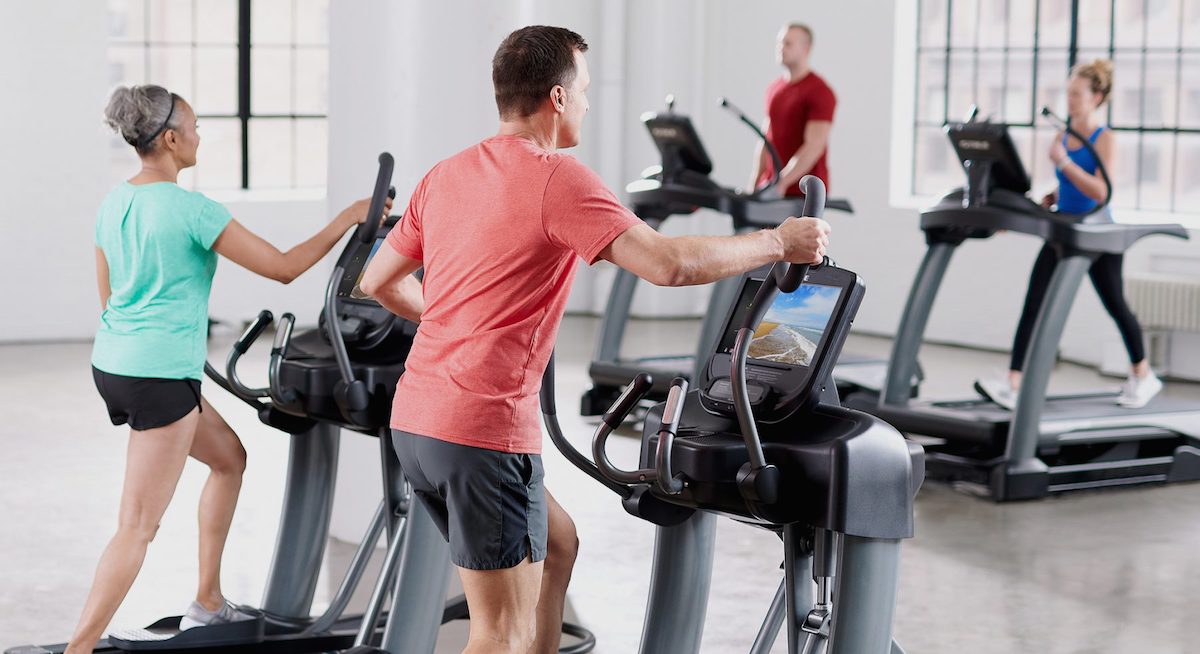
Top Benefits of Using an Elliptical Trainer for Full-Body Workouts

madtechventures.com – Elliptical trainers have become a popular choice for fitness enthusiasts looking for a low-impact yet highly effective workout. Known for their ability to simulate walking, running, and stair climbing, ellipticals engage both the upper and lower body, making them ideal for full-body workouts. Whether you’re a beginner or a seasoned athlete, the elliptical trainer can provide numerous benefits that contribute to a healthier lifestyle. In this article, we’ll explore the top benefits of using an elliptical trainer and how it can enhance your overall fitness.

What is an Elliptical Trainer?

Before diving into the benefits, it’s important to understand what an elliptical trainer is and how it works. An elliptical trainer is a cardiovascular machine that mimics the motion of walking, running, and climbing stairs. It consists of pedals that move in an elliptical path, combined with handlebars (in most models) that engage the upper body. Some elliptical machines also come with adjustable resistance and incline settings, allowing you to customize your workout to suit your fitness level and goals.

1. Full-Body Workout

Engages Both Upper and Lower Body Muscles

One of the primary benefits of using an elliptical trainer is its ability to engage both the upper and lower body simultaneously. When you use the moving handlebars, your arms, shoulders, and chest are activated while your legs, glutes, quads, and calves work as you pedal. This full-body engagement helps you target multiple muscle groups at once, providing a balanced workout that can improve overall strength, endurance, and muscle tone.

Lower Body Benefits

As you move the pedals in an elliptical motion, the muscles in your legs get a great workout. The forward and backward motion primarily targets the quadriceps, hamstrings, calves, and glutes. By adjusting the incline or resistance, you can focus on specific leg muscles, such as intensifying your glute workout by raising the incline.

Upper Body Benefits

Unlike most cardio machines, such as stationary bikes or treadmills, the elliptical allows you to move your arms as well. This not only adds to your calorie burn but also tones and strengthens your upper body. The handlebars work your chest, biceps, triceps, and shoulders, providing a more comprehensive workout than machines that only focus on the lower body.

Efficiency in Time

Because you’re engaging both the upper and lower body, your workout is more efficient, giving you a full-body exercise in less time. If you’re short on time but want to get a complete workout, the elliptical trainer is an excellent choice.

2. Low-Impact Exercise

Reduced Stress on Joints

For individuals with joint issues, arthritis, or those recovering from an injury, low-impact workouts are essential. Elliptical trainers provide a cardio workout that is easy on the joints, making them ideal for individuals who want to get the benefits of cardiovascular exercise without the risk of joint strain. The elliptical motion allows for smooth, gliding movements, minimizing the impact on the knees, hips, and ankles compared to high-impact activities like running or jumping.

Benefits for Injury Recovery

Because of the low-impact nature of the elliptical, it’s often recommended by physical therapists for rehabilitation purposes. It allows individuals to work on their cardiovascular fitness and strength without the risk of aggravating previous injuries or causing new ones. The ability to adjust resistance levels also allows for a gradual increase in difficulty, making it easier to progress safely.

Ideal for Older Adults and Beginners

For older adults or those new to exercise, the elliptical offers a safe and effective way to get started. The low-impact nature reduces the risk of injury, while the adjustable settings ensure that users can begin at a comfortable level and slowly work their way up as their strength and endurance improve.

3. Cardiovascular Health

Strengthens the Heart and Lungs

Elliptical trainers provide an excellent cardiovascular workout that improves both heart and lung health. Engaging in regular cardio exercise is crucial for reducing the risk of heart disease, lowering blood pressure, and improving circulation. Since the elliptical combines both aerobic and anaerobic exercise, it increases heart rate, builds stamina, and helps lower bad cholesterol levels over time.

Boosts Endurance and Stamina

With consistent use, elliptical workouts can significantly improve your stamina and endurance. As you challenge yourself with higher resistance and incline settings, you gradually build cardiovascular strength, making it easier to perform everyday tasks and engage in other physical activities. This improvement in overall fitness helps boost energy levels and reduces fatigue.

Burn Calories and Aid Weight Loss

Because elliptical workouts engage multiple muscle groups, they help burn a substantial amount of calories in a relatively short time. On average, you can burn anywhere from 300 to 400 calories during a 30-minute elliptical session, depending on the intensity of your workout. By burning calories at an elevated rate, the elliptical can aid in weight loss when combined with a healthy diet and lifestyle.

4. Convenient and Easy to Use

No Special Skills Required

One of the great things about the elliptical trainer is how easy it is to use. Unlike complex gym equipment or sports activities that require specific skills or technique, using an elliptical machine is intuitive. Simply step onto the pedals, grip the handlebars, and begin moving your body in a natural elliptical motion. Most people can pick up the motion quickly, making the elliptical an excellent choice for beginners.

At-Home Convenience

Elliptical trainers are also perfect for home workouts. Having an elliptical machine at home means you don’t need to travel to the gym or worry about inclement weather keeping you from exercising. Whether it’s a rainy day or you simply prefer the comfort of your own space, you can hop on the elliptical and get your workout done at your convenience.

Adjustable Resistance and Programs

Many modern elliptical machines come with pre-programmed workouts designed for various fitness goals, such as fat burning, endurance building, or interval training. You can also adjust the resistance and incline settings to modify the intensity of your workout, allowing you to continuously challenge yourself as you improve.

5. Mental Health and Stress Relief

Mood Enhancement and Endorphin Release

Cardiovascular exercise, such as using an elliptical trainer, has been shown to release endorphins—natural mood-boosting chemicals produced by the brain. Regular exercise helps reduce stress, anxiety, and symptoms of depression, leading to a more positive mood and mental clarity.

Mental Focus and Clarity

Working out on the elliptical can also provide mental clarity and focus. Physical activity helps reduce the buildup of stress hormones like cortisol and promotes the production of brain chemicals that help improve memory and focus. Taking time out of your day to focus on a workout can also serve as a healthy distraction from daily worries.

A Relaxing Routine

Elliptical workouts can be as relaxed or as intense as you choose. For those who want a calm, meditative workout, a gentle, low-resistance session can help clear the mind and provide relaxation. Alternatively, high-intensity sessions that push you to your limits are equally effective for relieving built-up stress.

6. Customizable Workouts

Target Different Goals

Another benefit of using an elliptical machine is the versatility it offers. You can easily tailor your workouts to meet your specific fitness goals. Whether you’re aiming for weight loss, improving endurance, or toning muscles, the elliptical trainer can be adjusted to suit your needs.

Interval Training

Interval training, which involves alternating between periods of high intensity and low intensity, is a popular and effective training method for burning fat and improving cardiovascular health. Many elliptical machines come with interval training programs that automatically adjust resistance levels to simulate hill climbs or sprints, helping you to push your limits and improve fitness faster.

Specific Muscle Targeting

If you’re looking to focus on particular muscle groups, you can adjust the incline and resistance to target your glutes, quads, or hamstrings more effectively. Using the handlebars can add an upper-body focus, and by changing your posture and stride, you can fine-tune the muscles you’re targeting.

Conclusion: Why the Elliptical Trainer Should Be Part of Your Routine

The elliptical trainer provides a wide range of benefits, making it an ideal addition to any fitness routine. With its ability to deliver a full-body workout, improve cardiovascular health, burn calories, and offer a low-impact alternative to high-intensity exercises, it’s easy to see why so many people turn to this versatile machine for their fitness needs.

Whether you’re new to exercise or looking to diversify your routine, the elliptical trainer offers an accessible and effective way to improve strength, endurance, and overall health. With its low-impact design, full-body engagement, and customizable settings, it’s no wonder that elliptical trainers are a favorite for fitness enthusiasts of all levels.
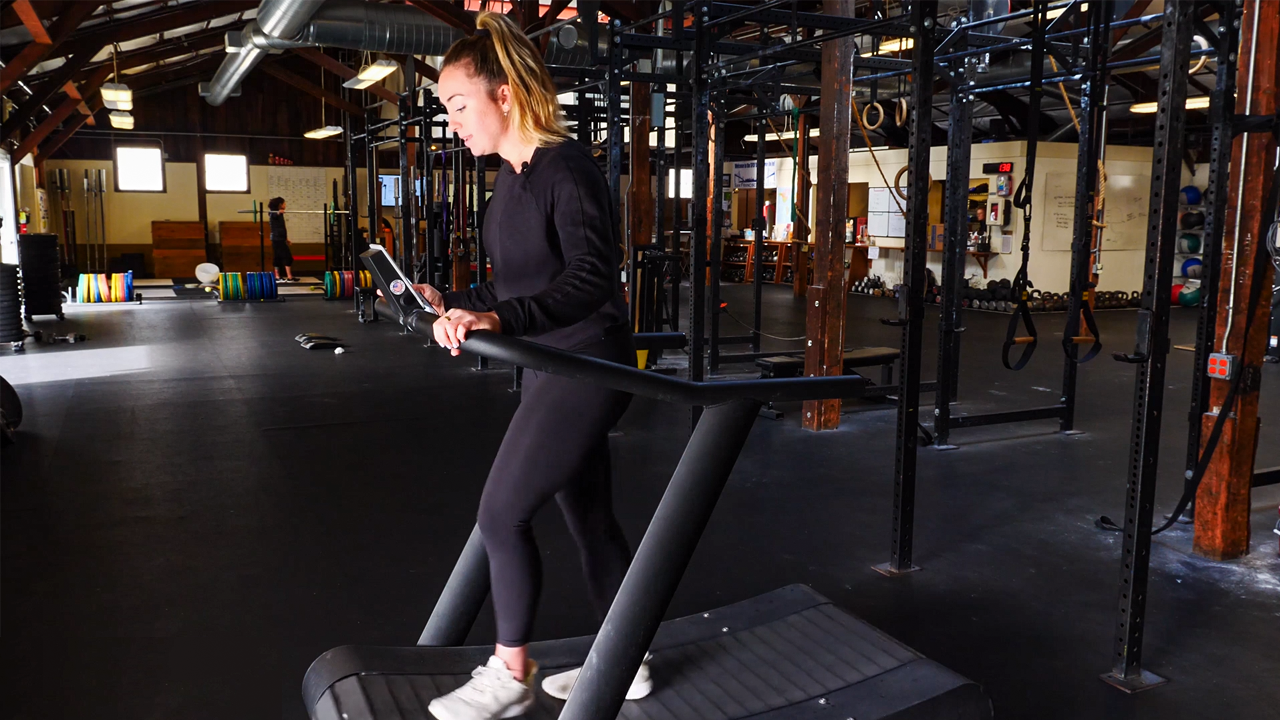
From Beginner to Pro: Progressing Your Treadmill Workouts Safely

madtechventures.com – Whether you’re just starting your fitness journey or looking to take your treadmill workouts to the next level, it’s important to progress safely. The treadmill is a versatile and effective cardio machine, but like any other form of exercise, there’s a risk of injury if you don’t increase intensity and duration gradually. The key to reaping the benefits of treadmill workouts—such as improved cardiovascular health, fat loss, and enhanced endurance—while avoiding injury lies in proper progression.

In this article, we’ll guide you through the process of progressing your treadmill workouts safely, from beginner to pro. Whether you’re aiming to improve your fitness level, enhance your speed, or increase your endurance, we’ll show you how to take small but consistent steps to safely advance your treadmill workouts.

1. Starting Point: Setting a Foundation

1.1. Assess Your Fitness Level

Before jumping onto the treadmill, it’s important to assess your current fitness level. Are you a complete beginner, or do you have some experience with cardio exercises? Understanding your starting point will help you set realistic goals and ensure that you are progressing at the right pace for your body.

If you’re a beginner, it’s essential to start slow and focus on building a foundation of basic fitness. For more experienced users, consider your goals—whether that’s building endurance, increasing speed, or training for a race—and adjust your workout accordingly.

1.2. Start with Low-Intensity Workouts

If you’re new to treadmill workouts, start with a low-intensity routine that focuses on walking before progressing to running. Walking is an excellent way to build a solid fitness foundation without overexerting yourself. You can begin with 20-30 minutes of brisk walking at a moderate pace (3.0–3.5 mph) and gradually increase your duration as your fitness improves.

1.3. Pay Attention to Form

Proper walking or running form is crucial, especially when you’re just beginning. Pay attention to your posture—keep your back straight, shoulders relaxed, and your core engaged. Avoid looking down at your feet, and make sure your feet land softly to reduce impact on your joints. Proper form not only improves the effectiveness of your workout but also reduces the risk of injury.

2. Building Endurance: Gradually Increasing Duration

2.1. Increase Duration Slowly

Once you’re comfortable walking for 20-30 minutes, it’s time to slowly increase the duration of your workouts. Aim to add 5-10 minutes to your treadmill session each week. Doing so will help your cardiovascular system adapt to longer bouts of exercise without overtaxing your body.

For example, if you’re walking for 30 minutes, gradually increase your time to 35-40 minutes over the course of a couple of weeks. This will improve your endurance and help you feel more comfortable with longer treadmill sessions.

2.2. Incorporate Walking Intervals

If you’re still building endurance, consider adding walking intervals to your routine. For example, you can alternate between 3 minutes of brisk walking and 2 minutes of slower-paced walking. This helps your body gradually adjust to higher intensities while still providing recovery periods.

As your fitness level increases, you can eventually replace some of the slower walking periods with running intervals, but this gradual progression is key to avoiding burnout or injury.

2.3. Stay Consistent

Endurance-building takes time, so consistency is key. Aim to treadmill walk 3-4 times a week, ensuring that your body has enough time to adapt and recover between workouts. Over time, as your endurance improves, you’ll be able to extend your sessions and increase the intensity of your workouts.

3. Adding Intensity: Introducing Running and Incline

3.1. Progressing to Running

After building a foundation with walking, you can gradually introduce running intervals. Start by alternating between walking and running for short periods. For example, try running for 30 seconds at a moderate pace (4.5-6 mph) followed by 2 minutes of brisk walking.

It’s important to increase the duration of your running intervals gradually. As you get more comfortable, you can extend your running time and shorten your walking time until you’re running for the majority of your session. This progression helps prevent injury by allowing your muscles and joints to adapt to the higher impact of running.

3.2. Incorporating Incline

As you become more accustomed to running, consider increasing the treadmill’s incline to add variety and intensity to your workouts. Incline walking or running activates more muscle groups, particularly the glutes, hamstrings, and calves. It also burns more calories and increases the cardiovascular challenge.

Start by adding a slight incline (2-3%) to your workout to simulate outdoor running. As you progress, you can increase the incline to 5-10% or higher, depending on your fitness level. Alternating between flat and inclined surfaces in intervals is a great way to engage different muscle groups and keep your body challenged.

3.3. Listen to Your Body

It’s essential to pay attention to how your body is responding to the increased intensity. If you feel fatigued, lightheaded, or notice any pain, it’s important to scale back your workout and give your body time to recover. Progressing safely requires listening to your body’s signals to avoid overtraining or injury.

4. Increasing Speed and Interval Training

4.1. Speed Intervals for Improved Performance

Once you’re comfortable running on the treadmill for longer durations, you can introduce speed intervals. Speed intervals are a powerful way to improve cardiovascular fitness, increase fat burn, and enhance your running performance.

A basic speed interval workout might look like this:

  1. Warm-up: 5 minutes of brisk walking or light jogging.
  2. Speed Interval: Sprint for 30 seconds at 8-10 mph.
  3. Recovery: Walk or jog at 3.5-4 mph for 1-2 minutes.
  4. Repeat: Complete 6-8 intervals, depending on your fitness level.
  5. Cool-down: 5 minutes of walking at a moderate pace.

This type of workout helps you improve your sprinting abilities and increases calorie burn while building cardiovascular capacity. Be sure to start with shorter sprint intervals and gradually increase the duration as you get stronger.

4.2. Interval Training for Fat Loss

Incorporating intervals that alternate between high-intensity bursts and recovery periods is an excellent way to target fat loss while improving your fitness. A high-intensity interval training (HIIT) workout on the treadmill might involve sprinting for 30-60 seconds at maximum intensity, followed by 1-2 minutes of walking or light jogging to recover.

As your fitness improves, you can reduce the rest intervals and increase the sprint duration to make the workout more challenging.

4.3. Monitoring Progress

As you progress with your treadmill workouts, keep track of your improvements in speed, endurance, and distance. Many modern treadmills come with built-in tracking features, or you can use fitness apps or wearable devices to log your workouts. Monitoring your progress can help keep you motivated and allow you to adjust your training routine as you get stronger.

5. Pushing Yourself to the Pro Level

5.1. Set Performance Goals

As you get more experienced with treadmill workouts, set performance goals to push yourself further. These might include running a certain distance in a specific time, achieving a new personal best in sprint intervals, or reaching a target number of weekly treadmill workouts. Having a clear goal can give you direction and purpose in your training.

5.2. Mix It Up: Add Cross-Training

To avoid hitting a plateau, consider adding variety to your treadmill workouts. You can mix up your running with incline walking, interval training, and longer endurance sessions. Additionally, incorporating cross-training exercises like strength training, cycling, or swimming can enhance overall fitness and prevent overuse injuries from repetitive treadmill workouts.

5.3. Consider Recovery and Rest

At the pro level, recovery becomes just as important as the workouts themselves. Be sure to allow your body ample time to recover between workouts, especially after intense sessions. Adequate sleep, hydration, and nutrition will all play a critical role in helping your body repair and rebuild muscle, enabling you to continue progressing safely.

6. Conclusion: Progressing Safely to Achieve Your Goals

From beginner to pro, progressing your treadmill workouts safely is about gradual increases in intensity, duration, and variety. Start slow, focus on proper form, and steadily build endurance and strength before introducing speed intervals or incline. Listen to your body, and always prioritize recovery to avoid injuries. As you gain confidence, mix up your workouts to keep them fresh and challenging.

Progressing safely on the treadmill is not a race—it’s about consistent effort, patience, and smart training. By following these guidelines and taking your time to increase the intensity of your treadmill workouts, you’ll see continuous improvement, reach your fitness goals, and enjoy the process every step of the way. Whether you’re walking, jogging, running, or doing HIIT, the treadmill can be your perfect companion in achieving long-lasting results.