
Fish and Chips: A Classic British Dish and Ingredients, Instructions

madtechventures.com – Fish and chips is a beloved British dish consisting of battered fish, usually cod or haddock, deep-fried to a golden brown, and served with crispy chips (French fries). It’s a classic comfort food that’s enjoyed by people of all ages.

Ingredients:

For the Fish:

  • 2 large pieces of cod or haddock, skin removed
  • 1 cup all-purpose flour
  • 1 teaspoon salt
  • 1/2 teaspoon black pepper
  • 1 egg, beaten
  • 1 cup beer
  • Oil for frying

For the Chips:

  • 2 large potatoes, peeled and cut into wedges
  • 1 teaspoon salt
  • 1/2 teaspoon black pepper
  • Oil for frying

Instructions:

Prepare the Fish:

  1. Season the Fish: Season the fish fillets with salt and pepper.
  2. Make the Batter: In a bowl, whisk together the flour, salt, and pepper. Gradually add the beaten egg and beer, whisking until smooth.
  3. Coat the Fish: Dip the fish fillets into the batter, ensuring they are evenly coated.

Prepare the Chips:

  1. Season the Chips: Toss the potato wedges with salt and pepper.

Fry the Fish and Chips:

  1. Heat the Oil: Heat the oil in a deep fryer or large pot to 375°F (190°C).
  2. Fry the Fish: Carefully lower the battered fish into the hot oil. Fry for 4-5 minutes per side, or until golden brown and crispy.
  3. Fry the Chips: Fry the potato wedges in batches for 5-7 minutes, or until golden brown and crispy.

Serve:

  1. Drain: Drain the fish and chips on paper towels to remove excess oil.
  2. Serve: Serve the fish and chips immediately with tartar sauce, malt vinegar, and lemon wedges.

Tips for the Perfect Fish and Chips:

  • Fresh Fish: Use fresh, high-quality fish for the best flavor.
  • Dry the Fish: Pat the fish dry with paper towels before dipping it in the batter to ensure a crispy coating.
  • Hot Oil: The oil temperature should be hot enough to ensure a crispy exterior and a tender interior.
  • Don’t Overcrowd the Pot: Fry the fish and chips in small batches to avoid overcrowding the pot and lowering the oil temperature.
  • Drain Thoroughly: Drain the fish and chips well on paper towels to remove excess oil.
  • Serve Immediately: Fish and chips are best served hot and fresh.
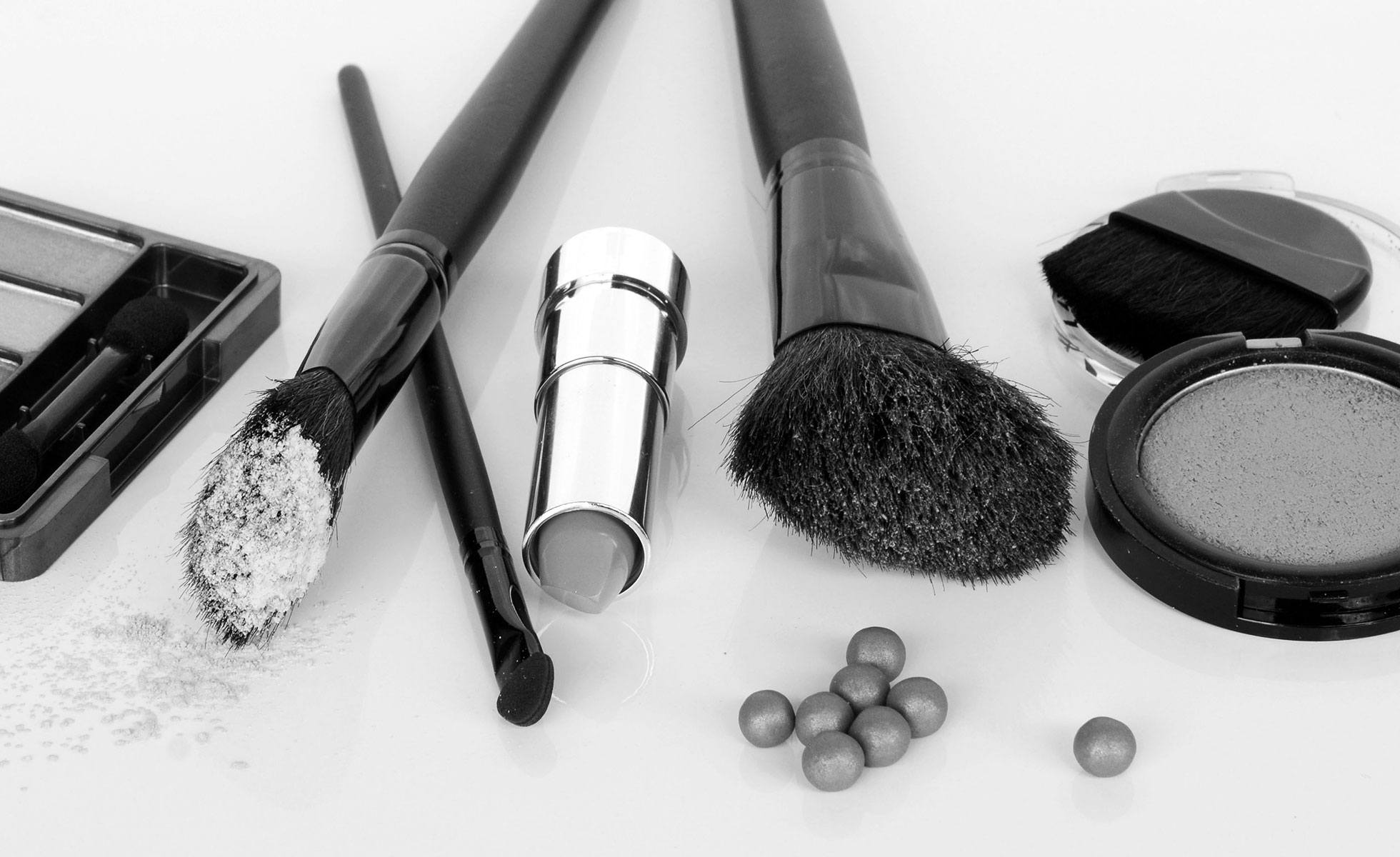
The Minefield: Avoiding Harmful Makeup Ingredients

madtechventures.com – In the quest for beauty, makeup is a trusted ally for many. However, beneath the vibrant palettes and alluring packaging, some makeup products contain ingredients that can pose risks to health and well-being. This article will guide you through the complex landscape of cosmetic ingredients, helping you identify and avoid harmful substances to make safer choices for your skin and body.

Understanding Common Harmful Ingredients

While not all makeup products contain harmful chemicals, some ingredients have raised concerns due to their potential health effects:

  1. Parabens: These preservatives prevent the growth of bacteria and mold, but they can mimic estrogen in the body, potentially disrupting hormone balance and increasing cancer risk.
  2. Phthalates: Used to enhance the flexibility and longevity of products, phthalates are known endocrine disruptors and have been linked to reproductive health issues.
  3. Formaldehyde and Formaldehyde-Releasing Agents: These preservatives can cause skin irritation and have been classified as carcinogens, posing a risk with prolonged exposure.
  4. Synthetic Fragrances: Often labeled simply as “fragrance,” these can contain numerous undisclosed chemicals that may trigger allergies and respiratory issues.
  5. Lead and Heavy Metals: Found in some lipsticks and eyeliners, heavy metals can accumulate in the body over time, potentially leading to neurological and developmental problems.

Tips for Avoiding Harmful Ingredients

Navigating the world of makeup can be daunting, but with these strategies, you can make safer choices:

  1. Read Labels Carefully: Familiarize yourself with harmful ingredient names and check product labels before purchasing. Look for products labeled “paraben-free,” “phthalate-free,” and “fragrance-free.”
  2. Research Brands: Choose brands that prioritize transparency and safety in their formulations. Many companies now offer clean beauty lines with non-toxic ingredients.
  3. Use Apps and Databases: Utilize resources like the Environmental Working Group’s Skin Deep Database or apps like Think Dirty to check the safety ratings of products and ingredients.
  4. Opt for Organic and Natural Products: While not always a guarantee of safety, organic and natural cosmetics often use fewer synthetic chemicals. Look for certifications from reputable organizations.
  5. Patch Test New Products: Before fully incorporating a new product into your routine, perform a patch test on a small area of skin to check for reactions.

The Importance of Advocacy and Regulation

While consumers play a crucial role in choosing safe products, broader systemic changes are necessary for lasting impact:

  • Support Stronger Regulations: Advocate for stricter regulations on cosmetic ingredients to ensure safety standards are met and harmful chemicals are banned.
  • Encourage Transparency in the Industry: Demand that brands disclose all ingredients, including those used in fragrances, to allow for informed consumer choices.

Conclusion

Avoiding harmful makeup ingredients may seem challenging, but with awareness and careful choices, it’s possible to navigate the cosmetic minefield safely. By educating yourself about potential risks and supporting brands that prioritize transparency and safety, you can protect your health while enjoying the benefits of makeup. As consumer demand for safer products grows, the beauty industry will continue to evolve, paving the way for a healthier and more informed future in cosmetics.