madtechventures.com – This article delves into the fascinating world of stoats, exploring their physical characteristics, natural behaviors, ecological importance, and cultural significance. We will also discuss the challenges stoats face in a changing world and the efforts being made to protect them.
Physical Characteristics: A Master of Adaptation
Stoats are small and slender, with a long, flexible body, short legs, and a long tail that accounts for about 40% of their total length. They typically weigh between 100 and 300 grams (3.5 to 10.6 ounces) and measure between 17 and 33 centimeters (6.7 to 13 inches) in body length, with their tails adding an extra 8 to 12 centimeters (3 to 4.7 inches). Males are generally larger than females.
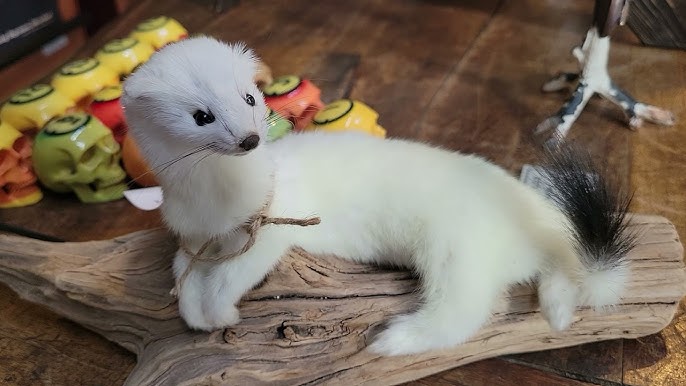
One of the stoat’s most distinctive features is its coat, which changes color with the seasons. In summer, their fur is sandy brown with a creamy white belly, while in winter, it turns completely white, except for the black tip of their tail. This seasonal camouflage helps them blend seamlessly into their surroundings, whether they are hunting in a green forest or stalking prey across a snowy landscape.
Natural Behaviors: Agile Hunters and Solitary Creatures
Stoats are highly active and agile predators, well-adapted for hunting small mammals, birds, and insects. They have an excellent sense of smell and hearing, which they use to locate prey in dense vegetation or underground burrows. Their long, slender bodies allow them to pursue prey into tight spaces, and their sharp claws and teeth ensure a swift and efficient kill.
Stoats are typically solitary creatures, except during the breeding season. They are territorial and mark their range with scent glands. While they are generally nocturnal, they can also be active during the day, especially when raising young.
Ecological Importance: Balancing the Ecosystem
Stoats play a crucial role in maintaining the balance of their ecosystems. As predators, they help control populations of rodents and other small mammals, preventing them from becoming overpopulated and causing damage to crops or property. They also serve as a food source for larger predators, such as foxes, owls, and eagles.
Cultural Significance: A Symbol of Purity and Power
Stoats have held a significant place in human culture for centuries. Their white winter coat has been associated with purity and royalty, and they have been featured in mythology, folklore, and literature. In some cultures, stoats are considered symbols of power and cunning, while in others, they are associated with bad luck or witchcraft.
Conservation Status: Facing the Challenges of a Changing World
Stoats are currently classified as Least Concern by the International Union for Conservation of Nature (IUCN), as they have a wide distribution and stable populations overall. However, they face several threats, including habitat loss, prey depletion, and persecution by humans.
Conservation efforts are focused on protecting their habitats and promoting coexistence between humans and stoats. By understanding and appreciating these fascinating creatures, we can help ensure their continued survival in the wild.
Conclusion
Stoats are fascinating creatures that play a vital role in their ecosystems. Their distinctive appearance, agile movements, and skilled hunting abilities have earned them a place in human culture and mythology. While they face challenges in a changing world, ongoing conservation efforts can help ensure their continued survival in the wild.